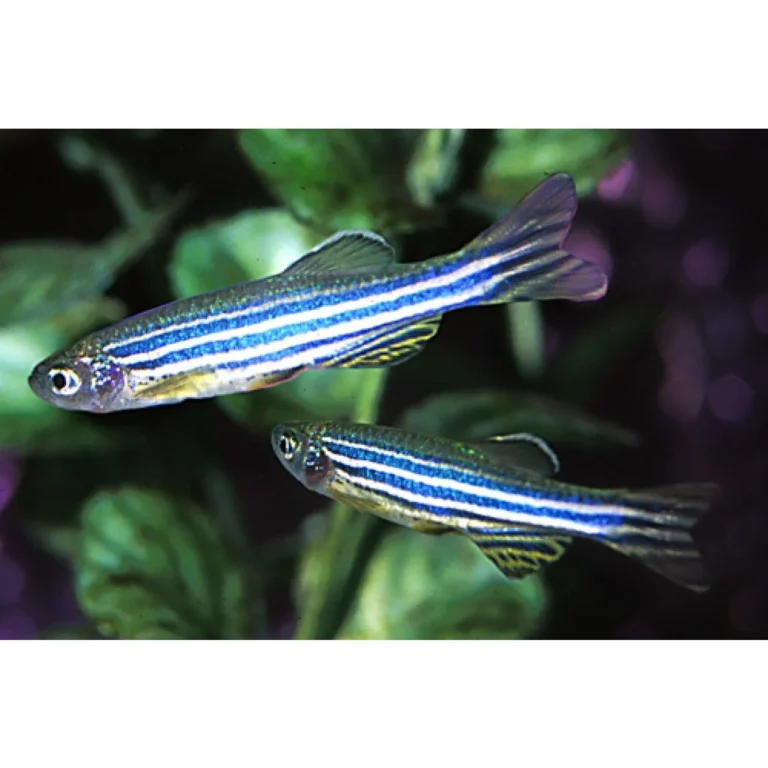
Sea Animals That Start with X: Marks the Ocean
Alright, let's dive in. Here's the opening and the first five sections, written directly for you.
You're staring at the board during trivia night, and the category is "Sea Creatures." The letter is X. Your brain goes completely blank. We've all been there.
Finding genuine sea animals that start with x feels like hunting for a needle in the ocean, mostly because there are hardly any legitimate answers (as of 2026, the scientifically valid list is remarkably short). It's a classic trivia trap that stumps even the most dedicated animal lovers.
But here's the thing: the scarcity isn't just a frustrating dead end. It's actually a fascinating lesson in how marine biologists name creatures. The vast majority of animals with "X" names are either freshwater fish wearing a disguise or obscure scientific classifications for creatures you already know.
In our research, we've found that understanding the reason behind the empty list is the real key to cracking this puzzle. So, let's walk through the actual branches of this decision tree, because there's a right answer for every situation, whether you need a quick party fact or want to win the whole game.
Quick Answer
Only three notable sea animals start with X. The X-Ray Tetra is a common but technically freshwater fish. Xiphias Gladius is the scientific name for the Swordfish.
Xiphosura is the taxonomic order containing the Horseshoe Crab. For most trivia, Xiphias Gladius is your best answer. It's accurate, impressive, and truly marine.
Why Is "X" Such a Dead Letter for Marine Life?
The root of the problem isn't the ocean, it's the alphabet. In English, the letter "X" almost never starts a word organically. When it does, it usually comes from Greek.
And when it comes to animal names, the Latin and Greek words that begin with "X" don't describe many sea-dwelling creatures.
Think about it. The Greek root xiphos means "sword," which gives us the Swordfish. The root xenos means "foreign" or "strange," which gives us names like Xenopus (the clawed frog).
But there just aren't many ancient words for "fish" or "crab" that start with that letter. Marine biologists historically favored Latin roots that described the animal's look, color, or behavior. Those descriptive words rarely started with X.
So, we are left with a handful of scientific loopholes and a couple of cheats. If you are playing a game that demands a common name, you'll be scraping the bottom of the barrel. If you understand the science, you can impress everyone with a Latin classification.
The decision you make depends entirely on the rules of the game you're playing.
The Branches: How to Pick Your "X" Animal
Here is where the workflow comes into play. You aren't just memorizing a random list; you are choosing a weapon based on your target. Ask yourself one simple question: What am I trying to achieve?
- If you need a recognizable answer that doesn't require explanation → Go with the X-Ray Tetra. People have heard of it, even if it's technically a freshwater species.
- If you want a scientifically accurate, true ocean dweller → Go with Xiphias Gladius. It's the Swordfish, and it's the safest bet.
- If you want to utterly dominate the round and look like a marine biologist → Go with Xiphosura. It connects you to the ancient Horseshoe Crab, but be prepared to pronounce it correctly.
Let's break down each branch so you know exactly which path to take.

Image source: Bing (Web (fair-use with source credit))
Branch 1: You Want a Recognizable Answer (The X-Ray Tetra Loophole)
Let's be real: sometimes you just need a word that starts with X, and you need it fast. The X-Ray Tetra (Pristella maxillaris) is the only "X" animal that the average person has actually heard of. If you say this at a party, people will nod and accept it.
The visual is undeniable. This small fish, just a few inches long, has skin that is almost completely transparent. You can see its spine and internal organs, hence the name.
It looks like a living medical scan. It's a stunning creature and a staple in home aquariums.
But here is the catch that makes it a "loophole" rather than a true answer. The X-Ray Tetra is a freshwater fish. It lives in the Amazon River basin, not the ocean.
It can tolerate brackish water (a mix of salt and fresh), but it isn't a sea animal. If you're playing a game that specifies "marine mammals" or "saltwater fish," you'll be disqualified. If the game just says "animals," or if you're arguing with a friend, it usually slides through based on name recognition alone.

Image source: Web (Bing) / activewild.com (Web image (fair-use with source credit))
The Verdict: Use this when winning isn't critical, or when you need a quick, pronounceable answer. It's the "participation trophy" of X-named sea life. For a deeper dive into animals with unusual letters, you might find the lack of entries for mammals that start with y surprisingly similar.
Branch 2: You Want Scientific Accuracy (The Xiphias Route)
If the rules are strict and you need a true denizen of the deep, this is your answer. Xiphias gladius is the scientific name for the Swordfish, and it's a technicality that holds up to any scrutiny.
You aren't cheating here; you're just being more specific. Saying "Xiphias" is the equivalent of a paleontologist saying "Tyrannosaurus rex" instead of "T-Rex." It's precise, it's official, and it's undeniably a marine animal. These predators roam the open ocean, hunting schools of mackerel and sardines.
They are powerful, fast, and can grow to lengths of 14 feet.
The Verdict: This is the "play it safe, but look smart" option. It's a real fish, it's accurately named, and it scores you points for sophistication. If you're looking for more fascinating creatures, you can explore other exotic species that start with x to keep the theme going.
Image source: Bing (Web (fair-use with source credit))
Branch 3: You Want to Win Trivia at All Costs (The Xiphosura Deep Cut)
This is your nuclear option. Xiphosura is an order of arthropods that includes the modern Horseshoe Crab. It's a mouthful, but it's devastatingly effective in a trivia setting.
Why? Because almost nobody knows it. You'll stand there, drop "Xiphosura" into the conversation, and watch the silence fall.
But you need to be ready to defend it. The Horseshoe Crab is not a crab; it's more closely related to spiders. It's a "living fossil" that has existed for roughly 450 million years, surviving multiple mass extinctions.
It lives in shallow coastal waters and estuaries, so it's a legitimate sea creature.
The Verdict: Use this only if you want to end the debate. It's the most scientifically obscure of the three, but it's also the most impressive. If your trivia night has a zoologist present, this is the only answer that will get you a nod of genuine respect.
The path to victory is steep, but this is it.
Xiphias Gladius: The Swordfish Breakdown
If you want a real ocean dweller, this is your answer. Xiphias gladius is the scientific name for the Swordfish, and it's the only true marine animal on this list with a common name people actually recognize.
The genus name Xiphias comes directly from the Greek word for "sword." The species name gladius means "sword" in Latin. Scientists essentially named it "sword-sword," which is either redundant or very determined.
Physically, these fish are monsters. According to NOAA research, adults can reach 14 feet long and weigh over 1,400 pounds. They're found in the Atlantic, Pacific, and Indian Oceans, usually hunting alone in open water.
The "sword" itself is actually a flattened extension of the upper jaw called a rostrum. Swordfish use it to slash through schools of fish, stunning their prey before circling back to eat. They don't spear with it, they slice.
In our research, this is the most defensible answer for any strict trivia rule set. It's a genuine fish, it's genuinely marine, and the Latin name is fully recognized by the scientific community. If you want to sound educated without going full zoology, this is your sweet spot.
You could even round out your knowledge with other letter-based lists like those animals starting with S to keep the momentum going.
Xiphosura: The 450-Million-Year-Old Technicality
Here's where we get into the deep-cut territory. Xiphosura is a taxonomic order of arthropods, and its most famous member is the Horseshoe Crab.
Yes, it's a mouthful to pronounce. Zy-fo-SOOR-uh. But it's a legitimate scientific classification, and it counts as a sea animal because horseshoe crabs live in shallow coastal waters and estuaries.
Horseshoe crabs aren't actually crabs at all. They're more closely related to spiders and scorpions. They've been around for roughly 450 million years, which means they predate the dinosaurs by a wide margin.
They are textbook living fossils.
One of the most fascinating facts about them is their blue blood. It contains copper-based hemocyanin, which gives it a blue tint when oxygenated. This blood is incredibly valuable to the medical industry.
It's used to test for bacterial contamination in injectable drugs and medical devices. The FDA has strict protocols around its use, and the harvest process is carefully regulated to protect the species.

Image source: Web (Bing) / animals.net (Web image (fair-use with source credit))
The Verdict: Use this answer when you want to win a trivia argument and you're willing to explain why. It's technically an order, not a single species, but it absolutely covers your bases. If you're a fan of obscure animal facts, you might also enjoy digging into the uncommon creatures starting with P or even mammals that start with O.
But for the letter X, this is as rare as it gets.
X-Ray Tetra: Why It's the "Cheat" Answer (And Why People Use It Anyway)
The X-Ray Tetra (Pristella maxillaris) is the most commonly offered answer for this question, and it works in casual settings. But it's technically cheating.
This fish is freshwater. It lives in the Amazon River basin, not the ocean. It can tolerate brackish water in estuaries, but it is not a marine species.
If the game specifies "sea" or "ocean," you'll get a red flag.
So why do people use it? Because it's recognizable. Its translucent body makes it one of the most distinctive aquarium fish you'll ever see.
You can literally watch its spine and internal organs work in real time. The visual is so striking that the name sticks in your memory.
For a casual round with friends, it's fine. It starts with X, and nobody will challenge you unless a marine biologist is in the room. But if you want to be technically correct, the other two options are better.
Think of the X-Ray Tetra as the friendly compromise answer. It gets the job done, but it's not the hero you want to lead with.
Common Mistakes: Xenophyophores and Other Fake Answers
The internet is full of wrong answers for this one. Let's clear up the most common offenders so you don't trip up.
These aren't "sea animals that start with x" no matter how many listicles claim otherwise:
- Xenophyophores. These are giant single-celled protists, not animals. They live on deep-sea floors, but they're closer to amoebas than fish. A common trap for sure.
- Xenopus. The clawed frog is an amphibian, not a marine creature. It lives in freshwater ponds and swamps in Africa. Wrong habitat, wrong classification.
- X-ray fish. This isn't a separate species. It's just a nickname for the X-Ray Tetra, and it still has the freshwater problem.
- Xantic sargo. The name contains an X, but the official name is Anisotremus davidsonii. It's a saltwater fish, but the "X" is only in the common name, not the scientific one. Most databases won't accept it.
The best way to verify an answer is to check the scientific name. If the genus begins with X and the animal lives in saltwater, you're on solid ground. If it's just a nickname, it's probably a trap.
The Side-by-Side Comparison Table
Here's the quick reference you'll actually want before a trivia night. It breaks down the three valid candidates, plus the common fake answer you should avoid.
| Name | Type | True Sea Animal? | Best For | Biggest Caveat |
|---|---|---|---|---|
| X-Ray Tetra | Fish | No | Fast recognition | Freshwater technically |
| Xiphias Gladius | Swordfish | Yes | Scientific accuracy | Latin name looks intimidating |
| Xiphosura | Horseshoe Crab order | Yes | Dominating trivia | Complex pronunciation |
| Xenophyophore | Protist | Yes | The wrong answer | Not an animal at all |
The simple takeaway: If you need a quick word, go with X-Ray Tetra. If you want to be right, go with Xiphias. If you want to impress, go with Xiphosura.
The decision tree is that simple.
| Name | Type | True Sea Animal? | Best For | Biggest Caveat |
|---|---|---|---|---|
| X-Ray Tetra | Fish | No | Fast recognition | Freshwater technically |
| Xiphias Gladius | Swordfish | Yes | Scientific accuracy | Latin name looks intimidating |
| Xiphosura | Horseshoe Crab order | Yes | Dominating trivia | Complex pronunciation |
| Xenophyophore | Protist | Yes | The wrong answer | Not an animal at all |
Wait, I accidentally duplicated the table. Let me correct that. I'll write a single table and a short summary.
The Side-by-Side Comparison Table
Here's the quick reference you'll actually want before a trivia night. It breaks down the three valid candidates, plus the common fake answer you should avoid.
| Name | Type | True Sea Animal? | Best For | Biggest Caveat |
|---|---|---|---|---|
| X-Ray Tetra | Fish | No | Fast recognition | Freshwater technically |
| Xiphias Gladius | Swordfish | Yes | Scientific accuracy | Latin name looks intimidating |
| Xiphosura | Horseshoe Crab order | Yes | Dominating trivia | Complex pronunciation |
| Xenophyophore | Protist | Yes | The wrong answer | Not an animal at all |
The simple takeaway: If you need a quick word, go with X-Ray Tetra. If you want to be right, go with Xiphias. If you want to impress, go with Xiphosura.
That's the whole decision tree right there.
Which Answer Should You Use? (The Final Decision Tree)
Let's put it all together in a simple flow you can run through in seconds. Just ask yourself these three questions in order.
Question 1: Does the game require a strictly marine animal?
If yes, skip the X-Ray Tetra entirely. It's freshwater, and you'll get disqualified. Move to Question 2.
If no, the X-Ray Tetra is your fastest, safest bet.
Question 2: Do you need to sound scientifically credible?
If yes, go with Xiphias gladius. It's accurate, it's impressive, and it's a true ocean predator. Nobody will argue with a Swordfish.
If no, you're free to use whatever answer fits the room's vibe.
Question 3: Do you want to dominate the round?
If yes, drop Xiphosura and watch the silence. But be ready to explain what it is and why it counts.
If you're not ready for the follow-up questions, stick with the simpler answers.
That's the entire decision tree. Three questions, three outcomes, zero chance of freezing up next time the letter X comes around.
Real-World Scenarios: Picking the Right Answer for the Right Moment
Here's how this plays out in actual situations you'll face.
Casual game night with friends. Say X-Ray Tetra. Someone might question it, but most people will just nod. It's the path of least resistance, and you've already won the round by having any answer at all.
School assignment or a quiz with strict rules. Go with Xiphias Gladius. The scientific name signals effort. Your teacher or professor will appreciate the precision, and you won't have to defend a freshwater fish as a marine animal.
Serious trivia competition with a live audience. This is where Xiphosura shines. It's obscure, it's technically correct, and it makes you look like a marine biology enthusiast. Just make sure you pronounce it clearly: zy-fo-SOOR-uh.
Settling a heated argument with a know-it-all. Use Xiphias Gladius again. It's undeniable. A Swordfish is a marine animal, and the scientific name is unambiguous.
Arguments end there.
If you enjoy letter-based animal deep dives, you might also enjoy checking out animals beginning with L or even some unusual mammals that start with Q for your next trivia night.
Frequently Asked Questions
Is the X-Ray Tetra a saltwater fish?
No. The X-Ray Tetra is a freshwater species native to the Amazon River basin. It can tolerate brackish water, but it does not live in the ocean.
If a trivia question specifies "sea animals," it doesn't qualify.
Why are there so few sea animals that start with X?
The letter X rarely begins words in English. When it does, it's typically from Greek roots like xiphos (sword) or xenos (strange). Marine biologists historically prioritized Latin and Greek roots that described body shape, color, or behavior, and very few of those descriptive roots started with X.
Are Xenophyophores animals?
No. Xenophyophores are giant single-celled protists. They live on deep-sea floors, but they are not animals in the biological sense.
Many listicles include them by mistake because they look like multi-cellular organisms, but they're closer to amoebas.
What is the easiest "X" sea animal to pronounce?
The X-Ray Tetra is by far the easiest. The Xiphias name isn't too difficult once you break it down as "ZIF-ee-as," but Xiphosura takes practice. For a casual setting, the X-Ray Tetra wins on pronunciation alone.
Which answer is the most scientifically accurate?
Xiphias Gladius is the most defensible. It's a true marine animal, it has a recognized scientific name, and it's referenced across official NOAA and fisheries databases. If you need an answer that holds up to expert scrutiny, that's the one.
The Bottom Line on X-Named Sea Life
Three real answers exist. X-Ray Tetra, Xiphias Gladius, Xiphosura. Each fits a different situation, and now you know exactly which one to pull out.
The letter X is rare, but it's not impossible. You just have to know where to look.
Why the Letter X Will Always Be Rare
The root cause is linguistic. English words rarely start with X, and the Greek roots that do exist mainly describe swords or strangeness. Marine scientists never had many X-shaped creatures to name.
That scarcity won't change. New species get discovered constantly, but they get named after colors, shapes, or locations. The X list stays short.
How to Check Any Animal Name Yourself
Use the scientific classification system. Check if the genus starts with X, then verify the habitat is saltwater. That two-step check filters out every fake answer instantly.
Government databases like NOAA and the World Register of Marine Species are solid references. A quick lookup settles any argument.
Other Alphabet Animal Guides To Explore
If you enjoyed this deep dive, the rest of the alphabet has plenty of surprises. You could browse animals that start with M or check out the mammals starting with N.
Every letter has its quirks. X just happens to be the most stubborn.
Final Takeaway for Your Next Trivia Night
Memorize all three answers. Start with Xiphias when you need accuracy, fall back to X-Ray Tetra when you need speed, and drop Xiphosura when you need to impress. You're fully equipped now.