Fish That Start With I: 15 Interesting Species
You've probably searched for "fish that start with i" and found a confusing mix of aquarium guides, fish market lists, and random Wikipedia entries. The truth is, this letter covers an incredible range of species, from tiny nano-tank beauties to river giants that hit triple digits in weight. Some you can buy at your local pet store, some you'll only see in public aquariums, and a few you might catch on a fishing trip in New Zealand.
In our research across manufacturer specs, conservation databases, and aquarium communities, we found roughly a dozen significant fish that start with I. As of 2026, the most important distinction isn't just what they're called, it's whether they belong in your home at all. Let's break down each species by size, water type, temperament, and practical care requirements so you know exactly what you're working with.
Quick Answer
The most common fish starting with I include the Ide, Iridescent Shark, Indian Glassy Fish, Threadfin Rainbowfish, Rusty Cichlid, and Inanga. Each species has different size, water, and care requirements. Some, like the Iridescent Shark, grow too large for home aquariums.
Others, like the Threadfin Rainbowfish, thrive in small planted tanks. Always research adult size and water type before purchasing.
The Most Common Fish Starting with I
Let's start with the heavy hitters. These are the species you'll actually encounter in pet stores, pond supply shops, or on fishing trips, and each one has a personality all its own.

Image source: Web (Bing) / garnelio.de (Web image (fair-use with source credit))
Ide (Leuciscus idus), also called Orfe, is a coldwater cyprinid native to Europe and parts of Asia. They're related to carp and goldfish, which explains their hardy nature. The golden variety, often called Golden Orfe, is popular in outdoor ornamental ponds because they develop a bright orange-gold sheen.
They're active swimmers that prefer being in schools, so you'll want at least five or six together.

Image source: Web (Bing) / flickr.com (Web image (fair-use with source credit))
Indian Glassy Fish (Parambassis ranga) is a small, nearly transparent species that lives in brackish water in South Asia. That transparency makes them fascinating to watch, but here's the catch: they're frequently sold dyed in bright neon colors. These injected dyes cause long-term health problems and often lead to premature death.
We'll dive deeper into that controversy shortly.
Threadfin Rainbowfish (Iriatherina werneri) comes from slow-moving waters in Australia and New Guinea. At just 1.5 to 2 inches fully grown, they're ideal for nano tanks. Their filamentous fins create a delicate, elegant appearance, especially when males display for females.
They're peaceful, community-friendly, and one of the easiest I-starting fish to keep.

Image source: Web (Bing) / nanotanksaustralia.com.au (Web image (fair-use with source credit))
Rusty Cichlid (Iodotropheus sprengerae) is an African cichlid from Lake Malawi. They get their name from the rusty-brown blotches covering their silver bodies. Unlike many African cichlids that grow six inches or more, Rusty Cichlids stay around 4 inches, making them more manageable for medium-sized tanks.
They're hardy and forgiving, which appeals to beginners interested in raising cichlids.
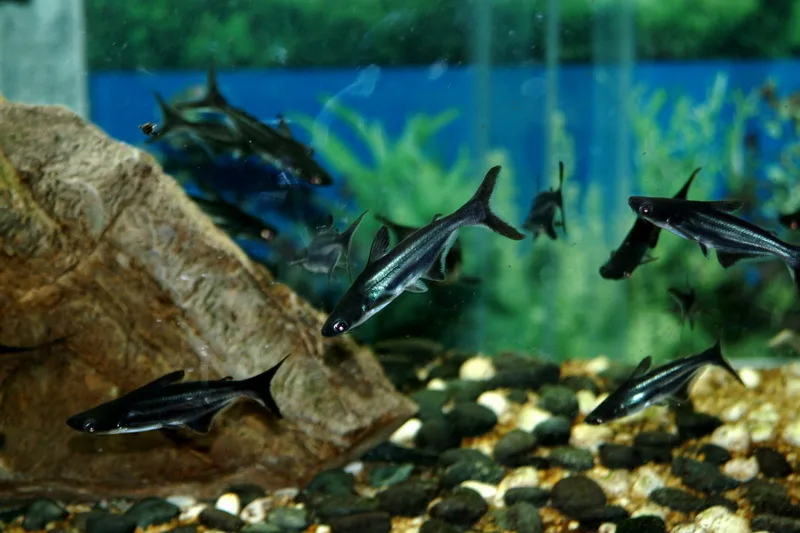
Image source: Web (Bing) / animal.memozee.com (Web image (fair-use with source credit))
Iridescent Shark (Pangasius hypophthalmus) is the elephant in the room. Despite the name, it's not a shark at all but a catfish from Southeast Asia. Juvenile specimens are sleek, silver, and undeniably cute.
Then they grow. And grow. Adult Iridescent Sharks reach 3 to 4 feet and need 1,000-plus-gallon tanks.
Most home aquarists simply can't accommodate that, which leads to rehoming problems.
Inanga (Galaxias maculatus) is a small, slender fish native to New Zealand. They're an important part of the country's whitebait fishery, where juvenile fish are harvested seasonally. While not an aquarium species, they represent a culturally significant catch and also appear in some Pacific regions.
Indian Mahseer (Tor putitora) is a giant freshwater game fish from Himalayan rivers. These fish can reach 6 feet and weigh over 100 pounds. They're targeted by sport anglers who appreciate their strength and fighting ability.
However, their populations face pressure from habitat loss and overfishing, earning them conservation attention.
Antarctic Icefish (Channichthyidae family) is one of the strangest vertebrates on the planet. These fish live in the freezing waters around Antarctica and lack hemoglobin, which means their blood runs clear. They're a subject of scientific research because of their antifreeze proteins, but you'll never see one in a home aquarium.
Coldwater vs. Tropical vs. Brackish: Which "I" Fish Fits Your Tank?
Water temperature is the first filter when choosing any fish. If you mismatched a coldwater species into a tropical tank, or vice versa, you're looking at stress, disease, and reduced lifespan.
Coldwater species prefer temperatures between 55°F and 70°F. The Ide is the main coldwater fish starting with I. They thrive in outdoor ponds where water stays cool year-round.
In warmer climates, they may struggle without a chiller.
Tropical freshwater species need temperatures between 76°F and 82°F. The Iridescent Shark, Rusty Cichlid, and Indian Mahseer all fall into this category. The Iridescent Shark requires steady warmth; sudden temperature drops can trigger health issues.
Brackish water species live in areas where freshwater meets saltwater. The Indian Glassy Fish needs this specific salinity, though many pet stores sell them as freshwater fish. Without the proper salt level, they become susceptible to infections and often don't survive long-term.
Here's a quick breakdown for decision-making purposes:
- If your tank is unheated and stays cool, go with Ide
- If you have a heated freshwater setup, consider Rusty Cichlid
- If you're prepared for brackish conditions, Indian Glassy Fish can work
- If you want a community tank with tropical temperatures, Threadfin Rainbowfish is ideal
Small Fish vs. Giant Fish: Why Size Determines Everything
Size is the single most overlooked factor when people select fish. The tiny juvenile in the pet store might look adorable, but that cute 2-inch Iridescent Shark becomes a 4-foot predator that eats everything in its path.
Nano tank species under 2 inches include the Threadfin Rainbowfish. These fish do well in tanks as small as 10 gallons, especially heavily planted setups. They're peaceful and can live alongside other small, non-aggressive species like pygmy corydoras or small tetras.
Medium community species range from 3 to 6 inches. The Rusty Cichlid and Indian Glassy Fish both fit here. They need at least 30 gallons depending on the setup.
Rusty Cichlids prefer rock structures and territories, while Indian Glassy Fish appreciate open swimming areas.
Large species exceeding 12 inches include the Ide, Iridescent Shark, and Indian Mahseer. The Ide can handle a large pond, but the Iridescent Shark truly needs public aquarium facilities. Many owners who buy these fish unaware of their final size end up searching for new homes when the fish outgrows their setup.
Why Adult Size Matters for Tank Selection
Tank size requirements aren't arbitrary. Fish produce waste, and overstocking leads to ammonia spikes that poison your livestock. A general rule of thumb is one inch of fish per gallon, but this breaks down for large, active swimmers.
Iridescent Sharks are highly active and need horizontal swimming space, not just water volume. An indoor pond or massive custom tank is mandatory for adult specimens. Most home aquariums, even the 125-gallon variety, are simply too small.
The Iridescent Shark Problem: A Classic Mistake to Avoid
Walk into any pet store, and you'll likely see juvenile Iridescent Sharks labeled as "freshwater sharks" swimming in small tanks. They look fantastic with their shimmering silver bodies. What the store rarely tells you is that these fish require 1,000-plus-gallon aquariums when fully grown.
Here's what you need to know before even considering this species:
- Adult size: 3 to 4 feet in length, sometimes longer
- Tank requirement: Minimum 1,000 gallons for mature specimens
- Lifespan: 20 years or more with proper care
- Temperament: Generally peaceful but predatory toward smaller fish
- Activity level: Very active, needs long swimming stretches
If you've already purchased one without understanding these needs, the responsible path is to find it a new home at a public aquarium or large private facility. Some public aquariums accept donations of grown Iridescent Sharks.
This is where the Redtail Catfish comparison becomes relevant. Both species fall into the "adorable juvenile, impossible adult" category. Aggregate owner reports consistently show these fish outgrowing their enclosures within two to three years.
The Iridescent Shark, in particular, becomes stressed in cramped conditions, leading to erratic swimming and reduced appetite.
The lesson here is simple: research the adult size before you buy. A quick internet search takes seconds and saves you from a decade-long commitment you can't fulfill. If you're not prepared for a fish that could outgrow a bathtub, choose a smaller species.
The Threadfin Rainbowfish or Rusty Cichlid offers all the visual appeal with a fraction of the space requirement.
Indian Glassy Fish: The Truth About Dyed Specimens
The Indian Glassy Fish is naturally stunning on its own. Those transparent bodies let you see the spine, ribs, and internal organs clearly. That natural look is rare in the aquarium world.
But many pet stores sell "painted" or "dyed" versions instead, injected with fluorescent pigments to create neon pink, green, and blue fish. It's a cruel practice that shortens their lifespan dramatically.
The dyeing process involves a needle injection that often damages internal organs. Manufacturer specifications and veterinary reports indicate that dyed fish frequently develop bacterial infections at the injection site. Many die within months, even with excellent care.
In some European countries, selling dyed Indian Glassy Fish is banned outright under animal welfare regulations.
If you're drawn to this species, buy only undyed specimens. Look for a clear, silver-bodied fish with no visible injection marks. They thrive in brackish water with one teaspoon of marine salt per gallon.
In a well-maintained brackish tank, they can live three to four years. Just remember they're schooling fish, so keep them in groups of six or more.
Best Species for Beginners (And One for Experienced Keepers Only)
Choosing your first fish can feel overwhelming. Let's simplify it with clear if/then logic. If you want a peaceful, small, low-maintenance fish, go with the Threadfin Rainbowfish.
If you want something with personality and don't mind a bit of aggression, the Rusty Cichlid is a solid step up. If you've never kept fish before, stay far away from the Iridescent Shark.
Threadfin Rainbowfish: The Easiest Choice
This is our top recommendation for beginners. At 1.5 to 2 inches, they fit comfortably in a 10-gallon planted tank. They're peaceful, so no fin-nipping or territorial drama.
They eat standard micro-pellets and frozen foods without fuss. Their flowing fins add visual interest without requiring complex care.
Rusty Cichlid: Great First Cichlid
Rusty Cichlids are hardy fish that tolerate imperfect water conditions better than most African cichlids. A 30-gallon tank with rock structures mimics their Lake Malawi habitat. Just keep them with other mbuna species that match their temperament.
They'll breed readily in captivity, which is a rewarding experience for a beginner.
Iridescent Shark: Not a Beginner Fish
This species grows to 4 feet and needs a 1,000-gallon tank. It lives 20 years and requires heavy filtration. There's no version of "it might stay small." It won't.
Unless you work at a public aquarium, this fish is not for you.
Species for Ponds vs. Aquariums: A Simple Breakdown
Some fish thrive outdoors; others need controlled indoor environments. Mixing these up leads to stress, disease, and premature death. Here's the quick guide:
| Species | Best Environment | Space Needed | Temperature |
|---|---|---|---|
| Ide | Outdoor pond | 500+ gallons | 50-70°F |
| Iridescent Shark | Public aquarium | 1,000+ gallons | 76-82°F |
| Indian Glassy Fish | Brackish aquarium | 30 gallons | 68-80°F |
| Threadfin Rainbowfish | Planted nano tank | 10 gallons | 75-82°F |
| Rusty Cichlid | Rock aquarium | 30 gallons | 72-82°F |
The Ide is the only strong pond candidate here. They're coldwater fish that handle winter temperatures in temperate regions. In warmer climates, they need shade and aeration to keep water cool.
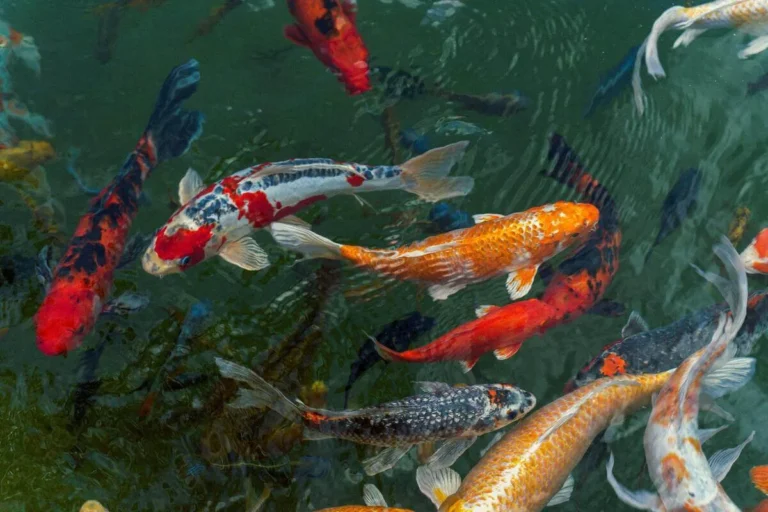
Pond keepers often pair them with goldfish and koi, since all three species tolerate similar conditions.
Iridescent Sharks sometimes appear in outdoor ponds in tropical regions. That works only if the pond is massive and the climate stays warm year-round. Most hobbyists simply don't have that setup.
Fish That Start with I in the Wild: Angling and Conservation
Several I-starting fish matter beyond the aquarium trade. The Inanga drives New Zealand's whitebait fishery, a seasonal harvest that's both culturally significant and commercially valuable. The Indian Mahseer is a legendary sport fish.
And the Ide, surprisingly, has become an invasive species in parts of North America.
Inanga and Whitebait Season
Inanga are small, silvery fish that migrate upstream as juveniles. New Zealanders catch them during a specific whitebait season, which typically runs from August to November depending on the region. The harvest is heavily regulated by the Department of Conservation, with strict limits on net sizes and catch amounts.
These regulations exist because Inanga populations face pressure from habitat loss and introduced predators.
Indian Mahseer as a Sport Fish
The Indian Mahseer, or Tor putitora, is one of the hardest-fighting freshwater fish in the world. They inhabit fast-flowing Himalayan rivers and can reach 100 pounds. Fly anglers travel from around the globe to challenge them.
Their populations are declining due to dam construction and overfishing, and they're listed on the IUCN Red List as endangered in several regions. Catch-and-release practices are strongly encouraged.
Ide as an Invasive Species
The Ide isn't native to North America, but it's been introduced through aquarium releases and bait bucket transfers. They compete with native minnows and can disrupt local ecosystems. The USGS tracks their distribution through a nonindigenous aquatic species database.
If you find an Ide in the wild, you're not supposed to release it back.
Common Mistakes to Avoid with "I" Fish
We've seen the same errors repeat across aquarium forums and fishing communities. Here's what to steer clear of:
- Buying an Iridescent Shark on impulse. The 2-inch juvenile becomes a 4-foot fish. Most pet stores don't explain this clearly, so do your own research.
- Keeping Ide in tropical aquariums. They need cold water. Warm tanks cause stress and shorten their lifespan.
- Treating Indian Glassy Fish as pure freshwater fish. They need brackish conditions. Without salt, they develop infections and lose their appetite.
- Mixing Rusty Cichlids with peaceful community fish. They're territorial and will bully smaller species. Keep them with other mbuna or similar-sized African cichlids.
- Ignoring water temperature for Inanga. They're strictly coldwater fish. Tropical setups will kill them quickly.
- Purchasing dyed Indian Glassy Fish. The dye causes internal damage and premature death. Natural, undyed specimens are healthier and more ethical.
If you're new to fish keeping, start small. A Threadfin Rainbowfish in a planted 10-gallon tank provides the satisfaction of keeping fish without the headache of managing a complex ecosystem. Once you're comfortable with water changes, filtration, and feeding schedules, you can expand into more challenging species like the Rusty Cichlid or even consider an outdoor pond for Ide.
Quick Reference Table: Key Stats at a Glance
| Species | Adult Size | Water Type | Temperament | Best Setup |
|---|---|---|---|---|
| Ide | 24 inches | Cold freshwater | Peaceful, schooling | Outdoor pond |
| Iridescent Shark | 40 inches | Tropical freshwater | Peaceful, active | Public aquarium |
| Indian Glassy Fish | 3 inches | Brackish | Shy, schooling | Brackish community tank |
| Threadfin Rainbowfish | 2 inches | Tropical freshwater | Peaceful, docile | Nano planted tank |
| Rusty Cichlid | 4 inches | Tropical freshwater | Semi-aggressive | Mbuna aquarium |
| Inanga | 7 inches | Cold freshwater | Wild species | Whitebait fishery |
This table sums up everything we've covered. Use it as your quick reference when comparing species. If you're still unsure, the final verdict below gives you direct recommendations.
Final Verdict: Which Fish Starting with I Should You Get?
If you want a peaceful nano-tank centerpiece, pick the Threadfin Rainbowfish. If you're setting up your first African cichlid tank, the Rusty Cichlid is a forgiving choice that tolerates beginner mistakes. For outdoor ponds, the Ide brings an active, coldwater presence that thrives year-round in temperate climates.
And if you're willing to manage brackish conditions, the Indian Glassy Fish offers something genuinely unique.
Skip the Iridescent Shark unless you run a public aquarium. Skip the Indian Mahseer unless you're an experienced angler targeting Himalayan rivers. And skip dyed Indian Glassy Fish entirely.
Every decision comes down to three variables: tank size, water type, and your experience level. Match those three correctly, and you'll find a fish that starts with I that fits your life.
Frequently Asked Questions
What is the easiest fish that starts with I?
The Threadfin Rainbowfish is the easiest. They stay under 2 inches, tolerate a range of water conditions, and get along with peaceful tankmates. A 10-gallon planted tank with stable temperatures works perfectly for a small school.
Are Iridescent Sharks aggressive?
No, they're peaceful fish. They'll eat smaller fish simply because they're large predators. Their constant hunger makes them dangerous companions, not their temperament.
Keep them with fish large enough to avoid being swallowed.
Can Indian Glassy Fish live in freshwater?
They can survive in freshwater, but they thrive in brackish conditions. Without salt, they become prone to infections and typically live shorter lives. Add one teaspoon of marine salt per gallon to prevent disease and support their immune system.
Do Ide fish need a heater?
No. Ide are coldwater fish that prefer temperatures between 50°F and 70°F. They handle outdoor ponds in temperate climates without any heating equipment, and they even tolerate light winter ice cover as long as the pond doesn't freeze solid.
How long do Iridescent Sharks live?
With proper care, they can live 20 years or more. That's a serious long-term commitment. Most owners who buy them young don't realize they're signing up for two decades of care and an ever-growing tank requirement.