
Dog Breeds Beginning with W: From Whippets to Wolfhounds
Picking a dog breed is a big commitment. That's why, when you're looking into dog breeds that start with w, you're probably not just curious about names. You're trying to figure out which one might actually fit your life, your home, and your schedule.
The truth is, the W list is a mixed bag. It has tiny terriers, athletic hunting dogs, and everything in between. As of 2026, the American Kennel Club recognizes 10 distinct breeds starting with this letter.
That variety is great, but it also means there's no single "best" W breed. The right one depends entirely on your situation, which is exactly what we'll unpack here.
Quick Answer
There are 10 dog breeds that start with w. They are the Weimaraner, Welsh Terrier, Welsh Springer Spaniel, West Highland White Terrier, Whippet, Wirehaired Pointing Griffon, Wirehaired Vizsla, Pembroke Welsh Corgi, Cardigan Welsh Corgi, and American Water Spaniel. They range from 15 to 90 pounds.
The Complete List: Every W-Breed You Need to Know
Before we get into the details, let's get all the names on the table. You might recognize some instantly. Others, like the American Water Spaniel, fly under the radar.
Here are all 10 officially recognized breeds that start with W:
| Breed Name | AKC Group | Typical Weight |
|---|---|---|
| American Water Spaniel | Sporting | 25–45 lbs |
| Cardigan Welsh Corgi | Herding | 25–38 lbs |
| Pembroke Welsh Corgi | Herding | 24–30 lbs |
| Weimaraner | Sporting | 55–90 lbs |
| Welsh Springer Spaniel | Sporting | 35–55 lbs |
| Welsh Terrier | Terrier | 20–22 lbs |
| West Highland White Terrier | Terrier | 15–20 lbs |
| Whippet | Hound | 25–40 lbs |
| Wirehaired Pointing Griffon | Sporting | 45–70 lbs |
| Wirehaired Vizsla | Sporting | 45–65 lbs |
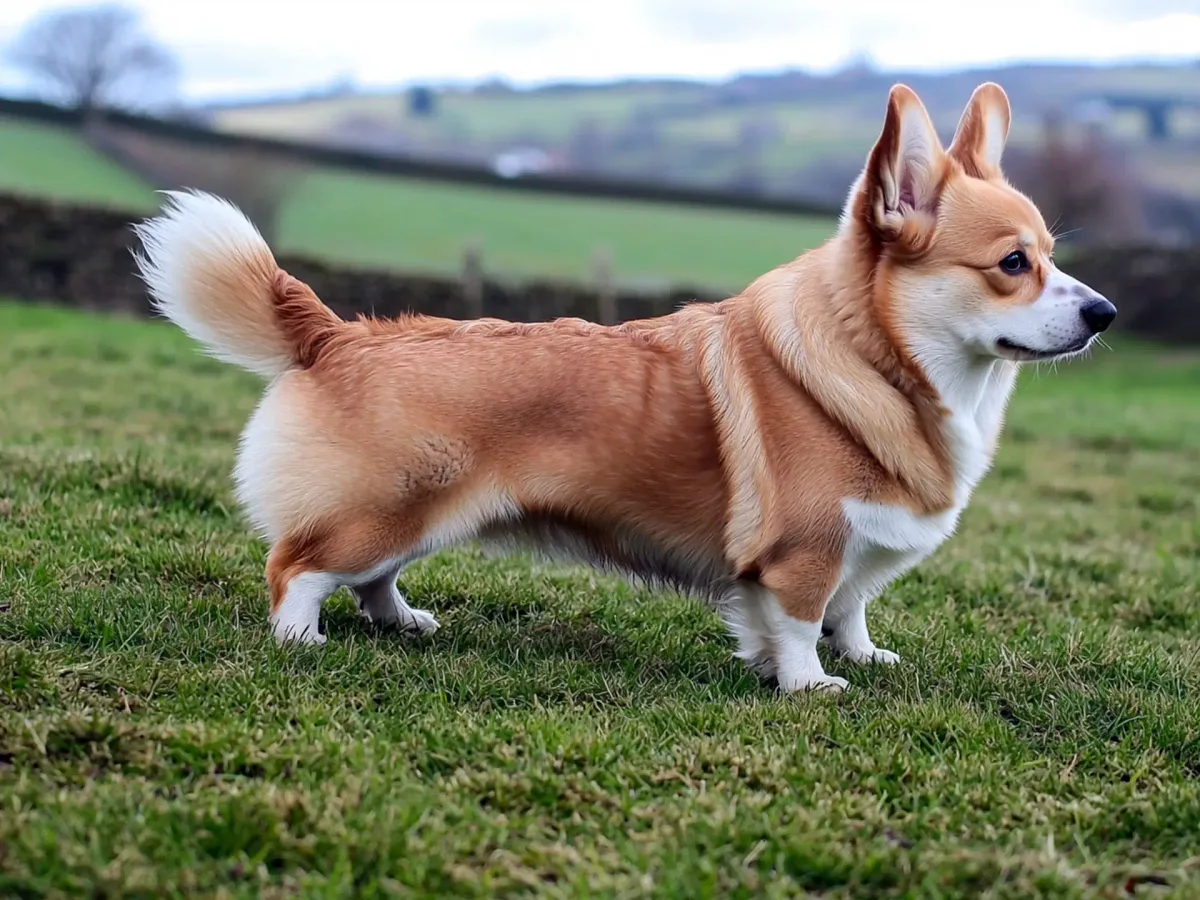
Image source: Web (Bing) / dogpackapp.com (Web image (fair-use with source credit))
A few quick notes before we dive deeper. The two Corgis share a name but are actually separate breeds with different temperaments. The Whippet is the only sighthound on this list.
And the American Water Spaniel is one of the rarest breeds in the entire AKC registry.
Why the Right W-Breed Matters More Than the Name
It's easy to fall in love with a photo. A fluffy Westie puppy or a sleek Weimaraner looks incredible in pictures. But choosing a dog based solely on appearance is how people end up with a breed that doesn't match their lifestyle.
Take the Pembroke Welsh Corgi, for example. They're adorable, with their short legs and foxy faces. But they were bred to herd cattle.
That means they have energy, drive, and a tendency to nip at heels. A family expecting a lazy lap dog might be overwhelmed.
Manufacturer specifications, or in this case breed standards from kennel clubs, tell you about physical traits. What they don't tell you is the daily reality. That's where our research into temperament, exercise needs, and grooming requirements comes in.
We've studied aggregate owner feedback, veterinary resources, and breed club publications to build a clearer picture of what each breed is genuinely like to live with.
The goal here isn't to scare you off any particular breed. It's to make sure you go in with open eyes. The right match turns a good pet into a great companion.
Size and Space: Matching Breeds to Your Living Situation
Space is the first practical filter. A Whippet and a Weimaraner both start with W, but they have completely different housing requirements.
Apartment Living
If you're in an apartment or a small house without a yard, focus on the smaller breeds. The West Highland White Terrier, at 15 to 20 pounds, does well in compact spaces. So does the Whippet.
Whippets are surprisingly lazy indoors. They need short bursts of running, then they're happy to curl up on the couch.
The Cardigan Welsh Corgi also adapts to apartment life, provided they get daily walks. Their herding instincts mean they need mental stimulation, but their size won't overwhelm a small space.
House with a Yard
A fenced yard opens up more options. The Welsh Springer Spaniel, at 35 to 55 pounds, benefits from outdoor space to sniff and explore. The Weimaraner, on the other hand, practically demands it.

Image source: Web (Bing) / dogpackapp.com (Web image (fair-use with source credit))
Here's the thing about yards, though. A fence isn't just about giving the dog room. It's about containing them.
Whippets are sighthounds. If they see a squirrel, they're gone. Corgis are herders.
They'll patrol the boundary and bark at anything that moves.
Consider your housing situation carefully. A large breed in a small apartment is a recipe for frustration on both sides. A high-energy breed without outdoor access will find creative ways to burn off energy, and you probably won't like the results.
Energy Levels and Exercise: The Real Commitment
This is where many W-breed owners realize they've made a mistake. Exercise needs vary wildly across these 10 breeds. Getting it wrong can lead to destructive behavior, anxiety, and an unhappy dog.
Low to Moderate Energy
The West Highland White Terrier needs about 30 to 60 minutes of exercise per day. They're spirited but not relentless. The Whippet also falls into this category.
They need a daily walk and ideally a chance to sprint in a safe area a few times a week. Between those bursts, they're professional nappers.
Moderate to High Energy
The Cardigan Welsh Corgi and the Welsh Springer Spaniel need more. Plan for 60 to 90 minutes of activity daily. This should include both physical exercise and mental challenges.
Training sessions, puzzle toys, and scent games count just as much as walks.
High Energy
The Weimaraner is a different beast entirely. These dogs need 90 minutes to 2 hours of vigorous exercise daily. They want to run, fetch, hike, and swim.
They're not content with a casual stroll around the block. If you don't meet their needs, they'll find ways to entertain themselves. That usually involves chewing, digging, or barking.
The Wirehaired Vizsla and Wirehaired Pointing Griffon have similar requirements. They're hunting breeds. They want a job and the space to do it.

Image source: Web (Bing) / letslearnslang.com (Web image (fair-use with source credit))
A good rule of thumb: if you're not naturally active, skip the sporting breeds. A Weimaraner doesn't want a couch potato. They want a running partner.
Matching their energy needs with your actual lifestyle is the single most important decision you'll make in this process.
Grooming and Shedding: What You're Actually Signing Up For
Coat care is a practical detail that surprises a lot of new owners. These breeds have wildly different grooming needs. Some you can brush once a week.
Others require professional appointments.
Low Maintenance Coats
The Weimaraner has a short, sleek coat. A weekly brushing with a rubber curry comb keeps shedding under control. They shed year-round but not excessively.
The Whippet is similar. Their short coat requires minimal grooming. A quick wipe-down with a damp cloth and occasional brushing do the trick.
Moderate Maintenance Coats
The Pembroke and Cardigan Welsh Corgis both have thick double coats. They shed heavily twice a year, during shedding season. Daily brushing during those periods is essential.
Weekly brushing the rest of the year keeps their coat healthy.
The Welsh Springer Spaniel has a medium-length coat that needs brushing two to three times per week. They also need regular ear checks, as their floppy ears can trap moisture.
High Maintenance Coats
The West Highland White Terrier has a double coat that requires regular grooming. Many owners opt for professional grooming every four to six weeks. You'll also need to clean their face regularly to prevent staining around the eyes.
The Wirehaired breeds, including the Wirehaired Pointing Griffon and Wirehaired Vizsla, need the most work. Their wiry coats require hand-stripping or clipping several times a year.

Image source: Web (Bing) / dogpackapp.com (Web image (fair-use with source credit))
Here's what our research shows about grooming costs. Professional grooming sessions typically run between $60 and $100. If your breed needs visits every six weeks, that's roughly $500 to $800 per year.
It's an ongoing expense worth budgeting for.
Beyond the cost, consider the time. Are you willing to brush a Corgi daily during shedding season? Do you have space for a grooming table?
These practical questions matter just as much as energy levels or temperament.
Temperament and Personality: Which One Fits Your Family
Now for the part that really defines day-to-day life. Temperament is what you live with. It's how your dog greets guests, handles kids, and behaves around other animals.
Getting this right matters more than size or coat type.
The Herders
Both Corgi breeds are clever, alert, and confident. They were bred to make decisions independently while moving cattle. That translates to a dog that's trainable but also opinionated.
They can be stubborn. They'll test boundaries. And they'll absolutely try to herd small children by nipping at their heels.
If you have kids under five, supervision is essential. This isn't aggression. It's instinct.
Redirecting that herding behavior into structured activities like agility or obedience training works well.
The Terriers
The Welsh Terrier and West Highland White Terrier share that classic terrier spirit. They're feisty, bold, and endlessly entertaining. They also have a strong prey drive.
Small animals like rabbits, hamsters, or even cats may trigger their chase instinct.
Westies are known for being social and affectionate with their families. They're also stubborn. Training requires patience and consistency.
The Welsh Terrier is similar but slightly more independent. Both do best with owners who have some experience.
The Sporting Breeds
This group includes the Weimaraner, Welsh Springer Spaniel, Wirehaired Pointing Griffon, Wirehaired Vizsla, and American Water Spaniel. They're all bred to work closely with humans. That makes them highly trainable and eager to please.
But there's a catch. They bond intensely with their people. The Weimaraner, in particular, is famous for separation anxiety.
They want to be wherever you are, always. If you work long hours, this breed will struggle. Aggregated owner feedback consistently surfaces this as the number one challenge with Weimaraners.
The Wirehaired Vizsla has a similar profile. They're gentle and affectionate at home, but they need a job to feel fulfilled. Without one, they can become anxious or destructive.
The Sighthound
The Whippet is often described as a cat in a dog's body. They're quiet, clean, and independent. They're also sensitive.
Harsh training methods don't work with them. Positive reinforcement is essential.
Whippets are gentle with children and generally get along with other dogs. Their prey drive means they shouldn't be trusted off-leash in open areas, though. A rabbit or squirrel will trigger their chase instinct instantly.
| Breed | Good with Kids | Good with Other Dogs | Trainability |
|---|---|---|---|
| Whippet | Yes | Yes | Moderate |
| Westie | Yes | Fair | Moderate |
| Weimaraner | Yes, with supervision | Fair | High |
| Corgi | Yes, with supervision | Fair | High |
| Welsh Terrier | Yes | Fair | Moderate |
When you're looking at these breeds, be honest about your family's dynamic. A high-energy Weimaraner might overwhelm a quiet household. A sensitive Whippet might shut down in a chaotic, loud environment.
There's no wrong answer here. Just different answers for different homes.
That's the real takeaway here. Matching the dog's personality to your home environment isn't a nice-to-have. It's the difference between a joyful addition and a stressful situation for everyone involved.
Rapid-Fire Comparison Table: All W-Breeds Side by Side
If you're the kind of person who likes everything in one place, this table is for you. It breaks down the key specs for all 10 breeds so you can compare them at a glance.
| Breed | Weight | Lifespan | Trainability | Shedding | Exercise Needs |
|---|---|---|---|---|---|
| American Water Spaniel | 25–45 lbs | 10–14 yrs | High | Moderate | 60–90 min/day |
| Cardigan Welsh Corgi | 25–38 lbs | 12–15 yrs | High | High | 60–90 min/day |
| Pembroke Welsh Corgi | 24–30 lbs | 12–15 yrs | High | High | 60–90 min/day |
| Weimaraner | 55–90 lbs | 10–13 yrs | High | Moderate | 90–120 min/day |
| Welsh Springer Spaniel | 35–55 lbs | 12–15 yrs | High | Moderate | 60–90 min/day |
| Welsh Terrier | 20–22 lbs | 12–15 yrs | Moderate | Low | 45–60 min/day |
| West Highland White Terrier | 15–20 lbs | 13–15 yrs | Moderate | Moderate | 30–60 min/day |
| Whippet | 25–40 lbs | 12–15 yrs | Moderate | Low | 30–60 min/day |
| Wirehaired Pointing Griffon | 45–70 lbs | 10–14 yrs | High | Low | 90–120 min/day |
| Wirehaired Vizsla | 45–65 lbs | 10–14 yrs | High | Low | 90–120 min/day |
A few patterns jump out. The terriers and the sighthound are the easiest on the exercise front. The sporting breeds and herders demand significantly more time and energy.
Lifespans cluster in the 10 to 15 year range, which means you're making a long-term commitment no matter which breed you choose.
Shedding data gives you a quick read on grooming. The Wirehaired breeds and the Whippet are the lowest shedders, which can be a selling point for allergy sufferers. The Corgis are the heaviest shedders.
If you're not ready for fur on your furniture, that's worth factoring into your decision.
Best W-Breeds for First-Time Owners
Not every breed is a good starting point. Some need experienced handlers who can read subtle behavioral cues and respond consistently. Others are more forgiving.
The Top Recommendation: West Highland White Terrier
The Westie wins here for several reasons. They're small, which makes them manageable. They're affectionate and social, which makes them great companions.
And while they have that terrier stubbornness, they're generally eager to please their people.
Aggregate owner reviews report that Westies respond well to consistent, positive training methods. They're bright enough to learn quickly but not so clever that they outsmart you constantly. They're also adaptable.
Whether you're in an apartment or a house with a yard, they'll settle in.
The Runner-Up: Whippet
The Whippet is another solid option for beginners. They're gentle, quiet, and surprisingly low-maintenance. They don't need hours of exercise.
A daily walk plus a few sprints in a safe area keeps them content.
Their sensitivity means you need to be patient and gentle in training. Harsh words or physical corrections will backfire. But with a kind, consistent approach, they're a joy to train.
The Ones to Avoid as a Beginner
The Weimaraner tops this list. Their intensity, separation anxiety, and high exercise demands can overwhelm even experienced owners. The Wirehaired Vizsla has similar challenges.
If you've never owned a sporting breed, these are not the place to start.
The Corgis are also tricky for first-timers. Their intelligence is a double-edged sword. They learn quickly, but they also learn how to manipulate you.
A first-time owner might find themselves outsmarted on a regular basis.
Best W-Breeds for Active Owners and Hunters
If your idea of a good weekend involves hiking trails, camping trips, or hunting season, this is your section. Several W-breeds are exceptional working partners.
The Weimaraner
The Weimaraner is a powerhouse. They were bred for endurance and versatility. They can track, point, and retrieve.
They excel in hunting and field trials. Off the field, they're enthusiastic hiking and running companions.
The catch, as we've discussed, is their need for constant engagement. They're not a dog you can leave in the backyard while you go to work. They want to be involved in everything you do.
If you're active and you can bring them along, they're unmatched.
The Wirehaired Pointing Griffon
This breed is a hunter's dream. They're known for their versatility in upland game and waterfowl. Their wiry coat protects them from thick brush and cold water.
They're also affectionate family dogs when the hunting gear is put away.
Their name says it all. They point, they retrieve, and they've got that distinctive wire coat. They're less intense than the Weimaraner but still highly driven in the field.
The Wirehaired Vizsla
The Wirehaired Vizsla is relatively rare in the US, but that's changing as hunters discover their abilities. They combine the pointing instincts of the smooth-coated Vizsla with a wiry coat that handles tougher terrain.
Per breed club materials, they have a high prey drive and are naturally talented hunters. They're also deeply affectionate with their families. They're often described as "velcro dogs," wanting to be near their owners constantly.
The Welsh Springer Spaniel
The Welsh Springer Spaniel is a flushing spaniel. They work thick cover to flush birds into the air. They're energetic, eager, and athletic.
For hunters who work dense brush, they're an excellent choice.
Outside of hunting season, they make great companions for runners and hikers. They're friendly with people and generally good with other dogs. The main requirement is consistent exercise and training to channel their enthusiasm.
One thing to note: all of these breeds benefit from early socialization. Exposing them to different environments, people, and animals during puppyhood sets them up for success. That's true for any dog, but especially for working breeds with strong instincts.
If you're looking for a dog that can switch between field work and family life, this group has the most potential.
Best W-Breeds for Families with Kids
Kids and dogs can be the best combination. They can also be a recipe for chaos if you pick the wrong match. The key is finding a breed with the right temperament and energy level to keep up with children without getting overwhelmed.
The Gentle All-Rounder: Welsh Springer Spaniel
The Welsh Springer Spaniel is a wonderful family dog. They're friendly, patient, and eager to please. They love being part of the action, whether that's a game of fetch in the backyard or a family hike.
Their medium size means they're sturdy enough to handle playful kids but not so large that they're intimidating.
They're also highly trainable. That makes it easy to teach them boundaries, like not jumping on small children or waiting calmly for their food. With proper socialization, they thrive in busy households.
The Patient Companion: Whippet
Whippets are surprisingly great with kids. They're gentle and non-aggressive. They'd rather curl up on the sofa than engage in roughhousing.
That said, they're sensitive souls. Loud, unpredictable behavior from toddlers might stress them out. They do best in homes with school-age children who understand how to respect a dog's space.
Because Whippets are so fast, they're fun to watch and play with in a fenced yard. But they're not the breed for a family that wants a rough-and-tumble playmate.
The Watchful Herder: Cardigan Welsh Corgi
Corgis are loyal and protective of their families. That includes children. They're watchful and will alert you if something seems off.
However, their herding instinct can lead to nipping at heels, especially if kids are running around.
For families with older children, a Corgi is a fantastic choice. They're playful and fun. For families with toddlers, you'll need to supervise interactions closely and teach your Corgi to redirect that herding behavior into appropriate activities like fetch or obedience games.
The Playful Terrier: West Highland White Terrier
Westies have a fun-loving, spunky personality that kids absolutely love. They're always up for a game and have endless enthusiasm. They're small enough that they're not overwhelming for younger children.
The main watch-out is their terrier spirit. They might not tolerate rough handling as patiently as a Spaniel would. Kids need to learn to approach them calmly and gently.
With that in place, a Westie becomes a loyal and entertaining family member.
Breeds to Approach Cautiously
The Weimaraner, Wirehaired Vizsla, and Wirehaired Pointing Griffon are high-energy hunting dogs. They're not naturally aggressive with kids, but their intensity can be too much for small children. They might knock over a toddler during a zoomie burst or get overexcited during play.
These breeds are better suited to families with older kids who can keep up with their energy and participate in training. Supervision is essential, as it is with any dog.
Common Mistakes When Choosing a W-Breed
Even with all the research in the world, potential owners still make some predictable mistakes. Here are the most common ones we see, based on aggregate owner feedback and behavioral data.
1. Ignoring Exercise Needs
This is the biggest one by far. People fall in love with the look of a Weimaraner and don't account for the two hours of daily exercise they require. Within six months, the dog is bored, destructive, and the owner is overwhelmed.
The fix is simple. Calculate your actual available exercise time before you commit. If you can't dedicate the necessary hours, pick a lower-energy breed.
2. Underestimating Shedding
Corgi puppies are adorable. Corgi fur on your black pants, not so much. Double-coated breeds shed heavily, especially during seasonal changes.
If you're not prepared for daily brushing and constant vacuuming, a Corgi might not be for you.
3. Falling for the "Hypoallergenic" Myth
Some W-breeds, like the Wirehaired Pointing Griffon, are marketed as hypoallergenic. The truth is that no dog is truly hypoallergenic. What matters is the dander, not the fur.
Wire-haired dogs may produce less dander because they shed less, but they still produce it.
If allergies are a concern, spend time with the specific breed before committing. An allergy test at home is worth more than any marketing claim.
4. Skipping Early Socialization
Working breeds, herders, and terriers all have strong instincts. Without early socialization, those instincts can turn into problematic behaviors. A Corgi that isn't socialized might become overly suspicious of strangers.
A Weimaraner that doesn't meet other dogs might develop reactivity.
Socialization means exposing your puppy to different people, places, sounds, and animals during the first 16 weeks. It's not optional. It's essential.
5. Choosing Based on Looks Alone
We've said it before, but it bears repeating. The dog's appearance should be the last thing you consider. Temperament, energy, grooming needs, and space requirements should be your top priorities.
For example, the American Water Spaniel is a great dog. But they're also rare and hard to find. If you're not committed to a long waitlist or travel for a breeder, you might be setting yourself up for frustration.
What It Really Costs: Buying, Feeding, and Caring for These Breeds
The financial side of dog ownership doesn't get enough attention. Beyond the initial purchase price, there are ongoing costs that add up quickly. Let's break it down for the "W" breeds.
Puppy Purchase Price
Prices vary depending on the breed, breeder, and location. Here's a general range based on current market data:
| Breed | Average Price Range |
|---|---|
| West Highland White Terrier | $2,000–$3,500 |
| Pembroke Welsh Corgi | $1,500–$3,000 |
| Cardigan Welsh Corgi | $1,200–$2,500 |
| Whippet | $1,500–$2,500 |
| Weimaraner | $800–$1,500 |
| Welsh Springer Spaniel | $1,200–$2,200 |
| Wirehaired Vizsla | $1,500–$2,800 |
| Wirehaired Pointing Griffon | $1,200–$2,500 |
| Welsh Terrier | $1,500–$2,500 |
| American Water Spaniel | $1,000–$2,000 |
Recurring Costs
Food is a big one. A small Westie might eat $25 to $40 worth of food per month. A large Weimaraner can go through $60 to $90 monthly.
Over a year, that's $300 to $1,000.
Veterinary care is another major expense. Routine checkups, vaccinations, and preventative medications typically run $500 to $1,000 annually. Emergency visits or chronic conditions can push that much higher.
Pet insurance, which we'll discuss in a moment, can help offset these costs.
Grooming costs vary by breed. As we covered earlier, the Wirehaired breeds and Westies need regular professional grooming. That adds up to $500 to $800 per year.
Training classes, if you choose to enroll, typically cost $150 to $300 for a six-week session. Boarding or pet sitting during trips adds another layer of expense.
One-Time Startup Costs
You'll also need supplies. A crate, bed, bowls, leash, collar, toys, and grooming tools will set you back $300 to $500 on the low end. You might spend more if you opt for high-end gear.
Pet Insurance
Pet insurance isn't required, but it's worth considering. For a healthy, young dog, premiums typically run $30 to $80 per month depending on coverage and location. For breeds with known health issues, like Corgis and hip dysplasia, insurance can be especially valuable.
Where to Find Your W-Breed: Breeders, Rescues, and Waitlists
Once you've decided on a breed, the next step is finding a responsible source. This is where careful research pays off.
Responsible Breeders
A good breeder is worth the wait and the money. They prioritize health, temperament, and the breed standard. They should be able to provide health clearances for both parents, including hip and elbow evaluations, eye exams, and genetic testing where relevant.
Red flags include breeders who always have puppies available, refuse to show you the parents, or pressure you to commit quickly. Reputable breeders interview you as much as you interview them. They want to ensure their puppies go to good homes.
For rare breeds like the American Water Spaniel or Wirehaired Vizsla, expect a waitlist. Six months to a year is common. Some breeders may have a longer wait.
That's a sign of a careful, ethical operation.
Rescue Organizations
You might not find a rare breed in rescue, but you might be surprised. Breed-specific rescues exist for many of these breeds. They focus on rehoming dogs of that breed, including purebreds.
Rescuing has two advantages. You give a dog a second chance, and you often get an adult dog with known personality traits. That can be easier than raising a puppy.
The adoption fee is typically $200 to $500, which is much less than buying from a breeder.
What to Avoid
Avoid pet stores and online marketplaces. Puppies sold there often come from puppy mills, where profit takes precedence over animal welfare. The cost of a sick puppy or a dog with behavioral issues isn't worth the risk.
Stick with breeders who follow AKC guidelines and rescues with transparent operations.
For those who want to see different breeds in person before deciding, attending a local dog show is a great option. You can meet multiple breeds, talk to experienced owners, and ask questions in person. It's a low-pressure way to do your homework.
Final Decision Guide: Which W-Breed Should You Choose?
Alright, let's put this all together. Below is a decision guide that matches your lifestyle to the right breed. Consider your answers honestly.
Step 1: Assess your space. Apartment or small home? Focus on the Westie, Whippet, or Cardigan Corgi. House with a fenced yard?
You have more options.
Step 2: Count your active hours. Can you dedicate 30 to 60 minutes daily? Look at the Westie, Whippet, or Welsh Terrier. Can you commit 60 to 90 minutes?
Consider the Corgis or Welsh Springer. Are you an athlete with two hours to spare? The Weimaraner, Wirehaired Vizsla, or Wirehaired Pointing Griffon are your matches.
Step 3: Think about grooming. Are you okay with professional grooming appointments? The Wirehaired breeds and Westies are fine. Prefer minimal upkeep?
Choose the Whippet or Weimaraner.
Step 4: Consider your experience. First-time owner? Go with the Westie or Whippet. Experienced handler?
The Corgis or Weimaraner are worth the challenge.
Step 5: Check your family. Young kids at home? The Welsh Springer or Whippet are gentle choices. Older kids?
The Corgi can keep up. No kids but plenty of energy? The sporting breeds will thrive.
Here's a quick summary of our recommendations:
| Your Lifestyle | Best Breed Match |
|---|---|
| Apartment dweller, first-time owner | Whippet |
| Active family with older kids | Welsh Springer Spaniel |
| Runner or hunter, no kids | Weimaraner |
| Allergy sufferer, wants a small dog | Westie or Wirehaired Vizsla |
| Experienced owner, wants a smart challenge | Pembroke or Cardigan Corgi |
If this is your first time exploring the W breeds, a great next step is learning about their origins and relatives. Many of these dogs share ancestry with other fascinating wild W mammals. Understanding where your chosen breed came from can deepen the bond you build with them.
Frequently Asked Questions
What is the most popular dog breed that starts with W?
The Weimaraner is generally the most popular. They rank around 40th in popularity among all AKC breeds. The Pembroke Welsh Corgi is a close second and has grown in popularity in recent years.
Are there any hypoallergenic dog breeds that start with W?
The Wirehaired Pointing Griffon and the Wirehaired Vizsla are often considered the best options for allergy sufferers. Their wiry coats shed less than double-coated breeds, which reduces dander and fur in your home. However, no breed is completely hypoallergenic.
Which W-breed is best for apartment living?
The Whippet is the best choice for apartment living. They're quiet, calm indoors, and only need moderate daily exercise. The West Highland White Terrier also adapts well to smaller spaces, though they can be more vocal.
How much does a puppy from a W-breed cost?
Prices range from $800 for a Weimaraner to $3,500 for a West Highland White Terrier. Rare breeds, like the American Water Spaniel, may have longer waitlists but cost in the $1,000 to $2,000 range.
Do all W-breeds get along well with children?
No. The Weimaraner and the Wirehaired Vizsla are better suited to older kids due to their high energy and intensity. The Welsh Springer Spaniel and Whippet are gentler and more patient, making them better for younger children.
Supervision is always recommended, regardless of breed.
Making Your Choice Count
You've got all the facts now. Size, energy, grooming, temperament, costs, and where to find your new companion. That's the hard part done.
The rest comes down to honesty. Be honest about your schedule, your space, and your experience. Match the breed to your real life, not the life you wish you had.
A Whippet will thrive in a quiet apartment. A Weimaraner will not.
Every W-breed on this list is a wonderful dog in the right home. The key is finding the right home for you. Trust the research we've covered here.
Visit breeders or rescues. Spend time with the dogs before you decide.
When you find the right match, it clicks. You'll know it. And both of you will be better for it.
If you're curious about other breeds and their origins, our guide to W mammals explores the wilder side of this letter. It's a fun detour while you wait for that puppy to come home.
Common Mistakes When Choosing a W-Breed
The biggest mistake is ignoring exercise needs. Owners see a sleek Weimaraner and skip the 2-hour daily commitment. Within months, the dog is destructive and the owner is exhausted.
Another classic error: underestimating shedding. Corgi fur ends up everywhere, especially during seasonal blows. If you're not ready to brush daily, skip the double-coated breeds entirely.
Never choose based on looks alone. Temperament, space, and grooming matter far more than a cute face. That's how people end up with a high-energy hunting dog in a tiny apartment.
What It Really Costs: Buying, Feeding, and Caring for These Breeds
| Cost Category | Low End | High End |
|---|---|---|
| Puppy price | $800 | $3,500 |
| Monthly food | $25 | $90 |
| Annual vet care | $500 | $1,000 |
| Grooming per year | $300 | $800 |
| Startup supplies | $300 | $500 |
Pet insurance runs $30 to $80 monthly. For breeds prone to hip dysplasia or skin allergies, it's often worth every penny. Budget honestly before you commit.
Where to Find Your W-Breed: Breeders, Rescues, and Waitlists
Responsible breeders provide health clearances for both parents. They interview you as much as you interview them. Expect a waitlist for rare breeds like the American Water Spaniel or Wirehaired Vizsla.
Breed-specific rescues are worth checking first. You'll often find adult dogs with known personalities, at a fraction of the puppy price. Avoid pet stores and online marketplaces entirely.
Final Decision Guide: Which W-Breed Should You Choose?
Match your lifestyle to the right breed. Apartment dweller? Go Whippet or Westie.
Active family? Welsh Springer Spaniel. Runner or hunter?
Weimaraner or Wirehaired Vizsla.
If you're still weighing options, this list of W mammals is a fun detour. It won't pick your dog, but it might give you a fresh perspective.
Frequently Asked Questions
What is the most popular dog breed that starts with W?
The Weimaraner is the most popular W-breed. The Pembroke Welsh Corgi is a close second and has grown in popularity recently.
Are there any hypoallergenic dog breeds that start with W?
The Wirehaired Pointing Griffon and Wirehaired Vizsla are the best options for allergy sufferers. They shed less and produce less dander, though no breed is completely hypoallergenic.
Which W-breed is best for apartment living?
The Whippet is the top choice. They're quiet, calm indoors, and need only moderate exercise. The West Highland White Terrier also adapts well to small spaces.
How much does a puppy from a W-breed cost?
Prices range from $800 to $3,500 depending on the breed. Rare breeds like the American Water Spaniel cost $1,000 to $2,000 and often have long waitlists.
Your W-breed is out there. Whether it's a Whippet curled on your couch or a Weimaraner running beside you on a trail, the right match starts with honest self-assessment. Use the comparison tables, trust the exercise and grooming numbers, and visit breeders or rescues before you decide.
Good luck finding your new best friend.