S Dog Breeds: From Samoyed to Shih Tzu
There's a reason searching "dog breeds that start with s" feels overwhelming. You're not looking for one dog. You're looking at a list of over 20 completely different animals that share only a single letter.
A Shih Tzu and a Siberian Husky both start with "S," but they might as well be from different planets when it comes to care, temperament, and daily life.
Picking a breed by alphabet is a trap. It's like choosing a car because the model name begins with "B." You need to know what each dog actually demands from you, your home, and your schedule. The American Kennel Club recognizes 201 breeds, and the "S" section alone spans from 9-pound lapdogs to 180-pound gentle giants.
That's a massive range that requires a real comparison. So let's break these dogs down by lifestyle fit, not just by letter.
Image source: Bing (Web (fair-use with source credit))
Quick Answer
There are over 20 dog breeds that start with s. They range from tiny companions like the Shih Tzu to massive workers like the St. Bernard.
No single "S" breed suits everyone. Matching a breed to your energy, space, and experience is the only way to choose well. Use lifestyle categories rather than alphabetical lists to narrow your options.
Why This Comparison Matters
Most people start with looks. They see a fluffy Samoyed and fall in love. Then they bring it home and realize the grooming alone eats two hours a week.
The dog ends up rehomed, and everyone feels terrible.
The "S" breeds are especially tricky because they span every category you can imagine. You've got herding dogs, terriers, sled dogs, sighthounds, and companion breeds. Each one was bred for a specific, demanding job.
That instinct doesn't disappear just because they're now house pets.
If you're an apartment dweller with a 9-to-5 job, a Siberian Husky will destroy your couch out of sheer boredom. That's not a bad dog. That's a mismatch.
Conversely, if you run daily and want a trail partner, a Shih Tzu can't keep up. He wants a lap, not a marathon.
Understanding your own constraints first makes the breed choice dramatically easier. Our research consistently shows that owner satisfaction plunges when people prioritize appearance over lifestyle fit. The dog's behavior hasn't changed.
The owner's expectations were simply wrong for that animal.
This comparison isn't about ranking breeds from best to worst. It's about finding your best match from a pool of wonderful but very different animals.
A Quick Snapshot: The "S" Breeds at a Glance
Before diving into specific categories, here's a fast reference table. It isn't exhaustive, but it covers the most common "S" breeds you'll actually encounter. Use it as a starting point, not a final answer.
| Breed | Weight (lbs) | Height (in) | Energy | Grooming | Trainability |
|---|---|---|---|---|---|
| Shih Tzu | 9–16 | 8–11 | Low | High | Moderate |
| Siberian Husky | 35–60 | 20–24 | Very High | High | Low |
| Samoyed | 35–65 | 19–24 | High | Very High | Moderate |
| Shiba Inu | 17–23 | 13–17 | Moderate | Medium | Low |
| St. Bernard | 120–180 | 26–30 | Moderate | Medium | Moderate |
| Staffordshire Bull Terrier | 24–38 | 14–16 | High | Low | High |
| Shetland Sheepdog | 15–25 | 13–16 | Moderate | Medium | High |
| Scottish Terrier | 18–22 | 10–11 | Moderate | Medium | Low |
| Schipperke | 10–16 | 10–13 | High | Low | Moderate |
| Soft Coated Wheaten Terrier | 30–40 | 17–19 | High | Very High | High |
| Swedish Vallhund | 20–35 | 12–14 | High | Low | High |
| Skye Terrier | 25–40 | 9–10 | Moderate | Medium | Low |
| Sloughi | 40–60 | 24–28 | Very High | Low | Moderate |
| Sussex Spaniel | 35–45 | 13–15 | Low | Medium | Moderate |
The energy and grooming columns matter most for daily life. Everything else is negotiable with training. If a breed scores "Very High" in energy, but you're a couch potato, keep scrolling.
If grooming is "Very High" and you don't like brushing, that's a dealbreaker too.
This table condenses hours of research into a single glance. But it doesn't tell you about temperament, which is where real compatibility lives.
The Apartment-Friendly Picks: Small Space, Big Personality
Living in an apartment doesn't disqualify you from owning a great dog. It just means you need to pick a breed that can thrive in a smaller footprint. Several "S" breeds fit this profile beautifully, provided you give them proper attention and exercise.
The Shih Tzu is perhaps the easiest apartment companion. Weighing under 16 pounds and bred purely for companionship, this dog wants nothing more than to sit beside you. Daily walks of 30 minutes suffice.
They're relatively quiet indoors, though they'll alert you to strangers. Their long coat needs daily brushing, but that's a 10-minute routine, not a chore.
The Schipperke is the opposite physical package but equally apartment-viable. This black, tailless Belgian breed weighs 10 to 16 pounds and thinks it's a much bigger dog. They have high energy but burn it off indoors with play sessions.
Their watchdog instincts are legendary. A Schipperke will announce every delivery person with authority.
The Silky Terrier combines terrier spunk with companion desire. At 8 to 10 pounds, they're truly portable. They bond intensely with one person and don't love being left alone all day.
Their coat is silky and low-shedding, though it does require regular brushing to prevent tangles.
The Skye Terrier is a rare gem that many people overlook. This long-bodied, short-legged terrier is surprisingly calm indoors. They were bred to hunt badgers, so they're fearless, but they're not bounce-off-the-walls energetic.
An apartment works fine if you provide daily walks.
For the Sussex Spaniel, you're looking at a rare, stocky spaniel with a low energy level. They're happy with moderate exercise and flourish in calm households. They're also heavy for their size, so they don't feel like a delicate toy dog.
Who should skip these apartment picks? Active runners, hikers, or anyone wanting a jogging buddy. These dogs prefer shorter strolls and indoor cuddles.
If you want a workout partner, they're not your match.
The Outdoor Athletes: High Energy, High Reward
These breeds were built to run, pull, hunt, or herd for hours. They need serious daily exercise and mental stimulation. If you provide that, they're incredible partners.
If you don't, they'll make your life difficult.

Image source: Bing (Web (fair-use with source credit))
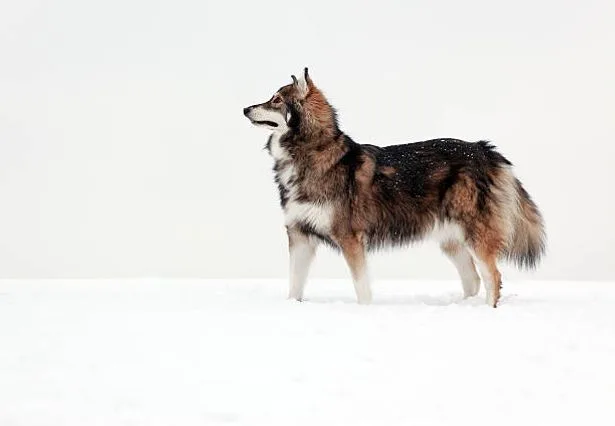
The Siberian Husky is the poster child for this category. Bred to pull sleds across vast frozen distances, they have stamina that seems endless. They need 90 minutes to 2 hours of vigorous exercise daily.
Without it, they'll dig, chew, and escape. Huskies are also notorious for howling, which doesn't impress apartment neighbors. But for an active owner, their playful, sociable nature is infectious.
The Samoyed looks like a fluffy white cloud but is actually a working dog. They were used to herd reindeer and pull sleds in Siberia. They need substantial exercise and adore being outdoors.
Their double coat sheds heavily twice a year, which is a cleaning commitment. However, their famous "Sammy smile" and friendly disposition win most people over.
The Swedish Vallhund is a compact herding dog with a big dog attitude. They resemble a Corgi but with wolf-like coloring. These dogs are smart, energetic, and eager to work.
They excel at agility, herding trials, and any job you give them. They need about an hour of exercise plus mental challenges. Puzzle toys and training sessions will keep them happy.
The Sloughi is the lesser-known sighthound from North Africa. Think of a Greyhound with an elegant, athletic build. These dogs can sprint incredibly fast and need opportunities to run freely in a safe, fenced area.
They're quiet and gentle indoors, but they have a strong prey drive. Small pets like cats may be at risk unless raised together.
The Scottish Deerhound is the gentle giant of the sighthound world. Standing up to 32 inches tall, they're among the tallest breeds. Despite their size, they're surprisingly laid-back indoors.
They need a good sprint daily, but they're not hyperactive. They also have a strong chase instinct, so leash control is essential.
For these breeds, a fenced yard is almost mandatory. Off-leash running in open spaces is their happy place. If you're an apartment dweller without easy access to parks, these dogs will struggle regardless of how much you love them.
They're a major commitment but an incredibly rewarding one for active owners.
The Family Favorites: Patient, Loyal, and Kid-Friendly
Some dogs are naturally wonderful with children. They have the patience, tolerance, and protective instinct that makes them reliable family members. Several "S" breeds excel here, though every dog needs proper socialization and supervision.
The St. Bernard is a classic family dog for good reason. These gentle giants weigh between 120 and 180 pounds, so they're an enormous presence.
They're affectionate, patient, and remarkably good with kids. Their size means they can accidentally knock over a toddler, so supervision is non-negotiable. They also drool.
A lot. And they don't live as long as smaller breeds, typically 8 to 10 years.
The Staffordshire Bull Terrier is often misunderstood. Despite their muscular appearance, they were bred as "nanny dogs," known for their love of children. They're affectionate, loyal, and eager to please.
They need firm, positive training and early socialization. They also do well with other dogs if raised alongside them. Unfortunately, breed-specific legislation in some areas targets them, so check local laws before committing.
The Soft Coated Wheaten Terrier brings energy, humor, and affection to a family home. They're playful and often described as puppies for life. They got the name "Wheatens" from their silky, wavy coat that requires substantial grooming.
Notably, they're among the lower-shedding breeds, which can help families with mild allergies, though no dog is fully hypoallergenic.
The Standard Schnauzer is a loyal, intelligent guardian. They're medium-sized and versatile, excelling in both family settings and working roles. They're alert watchdogs and protective of their people.
They need moderate exercise and respond well to training. Their wiry coat needs regular professional grooming to maintain its texture.
All these breeds benefit from early training and consistent boundaries. A well-socialized family dog is a joy. One that missed critical socialization windows can be challenging.
If you have kids, work with a good breeder or rescue to match a dog with a known temperament suitable for children. It makes the difference between a happy household and a stressful one.
Most importantly, no dog should be left unsupervised with very young children. Even the most patient breeds have limits. Teaching kids how to interact respectfully with dogs is just as important as choosing the right breed.