Cat Breeds Starting with W: Complete List
When you look up cat breeds that start with w, you probably expect a long list. Most alphabet lists deliver plenty of entries. But "W" turns out to be one of the thinnest letters in the feline world.
Depending on who you ask, you get one genuine breed, a color variant that isn't a real breed, and a few near-misses that technically start with other letters.
The confusion comes from how registries classify cats. The Cat Fanciers' Association recognizes 45 distinct breeds as of 2026, yet only a handful get called "W" cats. And one of the most famous answers is actually a longhaired version of another breed entirely.
If you've ever browsed our letter-based animal guides, you know these lists can get messy.
Cat Breeds Starting with W: Complete List
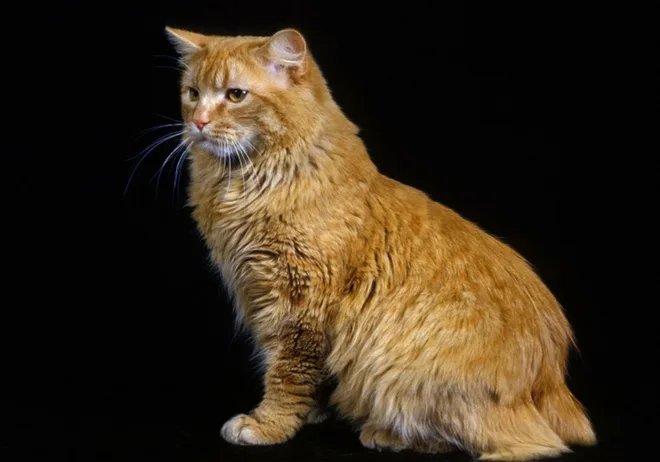
Image source: Bing (Web (fair-use with source credit))
Quick Answer: Why the "W" List Feels Shorter Than It Should Be
There is exactly one widely recognized cat breed that starts with W: the Welsh Cymric. The White Persian is a color variant, not a separate breed. The American Wirehair is close but starts with A.
For most answers, that's the whole list. Start with the Cymric for the real deal.
The Three "W" Contenders: What You're Actually Looking At
Before you can choose anything, you need to know what's actually on the table. All three cats below show up in "W" searches. Only one of them legitimately wears the letter.
Let's sort them out. This kind of sorting happens with other alphabet lists too.
Welsh Cymric: The Tailless Wonder
The Welsh Cymric is the only mainstream breed that truly starts with W, and it comes with a built-in surprise. It's basically a longhaired Manx cat. That means it carries the same dominant tailless gene, which gives it either a completely absent tail or just a small bump of cartilage.
The name is a bit of a misnomer. "Welsh" points to Wales, but the cat actually traces back to the Isle of Man. Breeders in Canada and the US developed the longhaired line in the 1960s.
Registries like the Cat Fanciers' Association didn't fully warm up to the Cymric until decades later.
This is a solid, muscular cat with a rounded look and a plush double coat. It's rare, so you won't stumble on one at a shelter every day. You're more likely to find it through a specialty breeder, which brings its own set of challenges.
White Persian: The Color Variant That Confuses Everyone

Image source: Web (Bing) / wallpapers.com (Web image (fair-use with source credit))
Every "cat breeds that start with w" list has a White Persian somewhere. It shows up because the name starts with W, but that's not how breed classification works. The White Persian is just a color variety of the Persian breed.
Same cat, same breed, different coat color.
Official registries list Persian as the breed. White is a standard color class within it. So calling a White Persian a separate "W" breed is like calling a black Labrador a new breed.
It's still a Labrador.
That said, the white coat is striking. Blue-eyed white Persians are especially popular, though they carry a higher risk of deafness. If you love the look, you don't need a new breed box to tick.
You just need a Persian with a specific coat color.
American Wirehair: The Near-Miss That Deserves a Mention
The American Wirehair gets dragged into "W" searches because of the word "Wirehair." In reality, the breed starts with an A. It's a distinct breed, and it's one of the rarest cats in North America.
The wirehair coat comes from a spontaneous mutation in the 1960s. The fur is crimped, springy, and rough to the touch. It doesn't shed much, which makes it a decent option for people who want less cat hair around the house.
It's not a "W" breed. But it's worth knowing about because people confuse it with the Cymric or assume the "wire" part connects it to Wales. It doesn't.
Much like mammal name mix-ups, the confusion is common.
| Cat | True W? | Tail | Coat | Grooming | Best For |
|---|---|---|---|---|---|
| Welsh Cymric | Yes | Tailless or stub | Long, plush | Daily brushing | Families, active homes |
| White Persian | No | Normal | Long, fine | Daily brushing | Quiet households |
| American Wirehair | No | Normal | Short, crimped | Weekly brushing | Low-shedding preference |
Traits Face-Off: Coat, Temperament, and Care Demands

Image source: Bing (Web (fair-use with source credit))
All three cats bring different maintenance needs and personalities. The right match depends on how much time you have and what kind of companion you want.
Grooming Reality Check: Who Needs the Most Work?
The Cymric and the White Persian both have long coats. That means daily brushing, easily 10 to 15 minutes per session. Fine fur mats fast, and mats hurt.
The American Wirehair is easier. Its crimped coat needs a gentle weekly brush. Over-brushing can damage the wiry texture, so light hands win.
Shedding is another story. All cats shed, but the White Persian's white fur shows up on dark furniture instantly. The Cymric sheds heavily during seasonal changes.
The Wirehair sheds less overall.
Personality Profiles: Lap Cat vs. Social Butterfly
The Welsh Cymric is outgoing. It follows people around, plays fetch, and likes being part of the action. Think dog energy in a cat body.
For more on surprising animal traits, we've covered plenty of those too.
The White Persian is the classic lap cat. It's calm, quiet, and perfectly happy sitting next to you for hours. It doesn't demand attention, but it will happily accept all the pets you offer.
The American Wirehair sits somewhere between. It's playful and affectionate, but it's also independent. It adapts well to different households, which is a nice middle ground.
Health Risks Specific to Each Breed
The Cymric carries the same genetic risk as the Manx: Manx Syndrome. This spinal condition can cause incontinence, paralysis, and mobility issues in severe cases. Ethical breeders screen for it, but the risk never fully disappears.
White Persians are prone to Polycystic Kidney Disease, or PKD. This genetic condition leads to cysts on the kidneys. It's manageable, but lifelong treatment can be costly.
Veterinary research from Cornell's animal health department confirms the risk.
American Wirehairs are generally healthy. That said, they're so rare that the gene pool is small. Responsible breeding practices matter more here than with more common breeds.
Cost Breakdown: Prices, Vet Bills, and Ongoing Expenses
Rare breeds cost more. That's the simple truth. Here's what the numbers look like for these three cats.
| Cost Item | Welsh Cymric | White Persian | American Wirehair |
|---|---|---|---|
| Purchase price | $1,200–$2,500 | $800–$1,800 | $1,500–$3,000 |
| Monthly food & litter | $40–$70 | $40–$70 | $40–$70 |
| Annual vet care | $200–$500 | $200–$600 | $200–$400 |
| Grooming supplies | $50–$100/year | $100–$150/year | $30–$50/year |
The purchase price is the entry fee. The real cost is ongoing. The White Persian needs more frequent grooming, which adds up if you use a professional.
The Cymric may need spinal screenings if you're buying from a breeder. The Wirehair, being rare, might require travel to even find a kitten.
Some buyers report paying over $3,000 for a champion-line Cymric. Aggregate owner reviews indicate the monthly upkeep lands in the same range across all three. That pattern mirrors what you see in broader animal ownership guides.
Plan for surprises, especially in the first year.
Lifestyle Pairing: Which Breed Fits Your Home?

Image source: Bing (Web (fair-use with source credit))
Your home's energy level matters more than the cat's looks. Let's walk through the common living situations and see which breed lines up best.
Best for Families with Kids
The Welsh Cymric wins this one. It's playful, tolerant, and doesn't bolt at the first sign of noise. Its dog-like personality keeps up with active kids.
Just watch young children around any cat, because the Cymric's lack of a tail doesn't mean it lacks a spine. You still want gentle handling.
The White Persian is too fragile for rambunctious homes. Kids who pull fur or chase tails won't get a patient response. The Wirehair can work, but its reserve means kids need to learn boundaries.
Matching a pet to your family this way is exactly how many animal lovers do it.
Best for Seniors or Low-Energy Households
The White Persian is the clear pick here. It's quiet, undemanding, and happy to nap all day. Its grooming needs are the tradeoff, but that routine can become a calming ritual.
The Cymric is too energetic for a truly sedentary home. It needs playtime and attention. The Wirehair fits if you want a middle ground, but it still wants daily interaction.
Best for First-Time Cat Owners
The White Persian is forgiving and easygoing, which eases first-time owners into the rhythm. The Cymric is a bigger commitment due to its health risks and exercise needs. The Wirehair is rare enough that finding one can frustrate new owners.
If you want the classic first-cat experience, go Persian. If you want something more lively and you're ready for the research, the Cymric can work. Just know the breed's health risks before you commit.
Common Pitfalls: What New Owners Overlook
Buying a rare breed comes with traps. The most common one is skipping health screenings. Cymric and Manx cats carry spinal risks.
White Persians carry PKD. Ethical breeders test for both. If a breeder can't show results, walk away.
Another trap is the "rare breed" markup. Some sellers call a White Persian a separate breed and charge double. It isn't.
The breed is Persian, period. You're paying for a color.
Grooming surprises also hit hard. People adopt a fluffy Cymric for the look, then discover mats within a week. Daily brushing is non-negotiable.
Shaving a matted cat stresses everyone.
Online scams are the nastiest pitfall. Rare cats attract fake listings. A "Welsh Cymric kitten ready now" with a small deposit is a red flag.
Verified breeders run waiting lists.
Common red flags to watch for:
- No health certificates for parents
- Multiple breeds available at once
- Payment requested before meeting the cat
- Stock photos instead of real ones
Where to Find One: Breeders, Rescues, and Reality Checks
A pure Welsh Cymric rarely lands in a shelter. American Wirehairs are even rarer. So expect the breeder route.
You'll likely travel and wait months.
Reputable breeders ask about your home before they ask for money. They also interview you. The waiting list for a Cymric kitten often stretches over a year.
That's normal, not a sales tactic.
Rescues aren't hopeless. Manx mixes show up in shelters with the same tailless look. Persian mixes can carry the white coat.
They're not purebreds, but they're easier to adopt and often healthier.
One reality check: if the price seems too good for a "true W breed", it's a scam. Real breeders price according to rarity. They also prove their lines with paperwork.
That paperwork protects you later.
The Verdict: How to Make the Final Call
Let's simplify the decision.
If you want a genuine "W" breed for your list, get the Welsh Cymric. Accept the grooming and spine risks. This is the only official answer to the question.
If you want a calm cat with a gorgeous white coat, get a White Persian. Just don't call it a separate breed. It's a Persian with a color class.
If you want minimal shedding and an active companion, the American Wirehair wins. You'll need a breeder, but the payoff is a rare, healthy, distinctive cat.
For most people, the White Persian is the safest pick. It's calmer, common enough to find, and less risky genetically. For someone ready for a real commitment, the Cymric is unforgettable.
Let your grooming time and health tolerance decide.
FAQs: Quick Answers to the Top "W" Breed Questions
Are there other cat breeds that start with W?
No. The only officially recognized breed starting with W is the Welsh Cymric. The White Persian is a color variant, not a breed.
The American Wirehair starts with A. That covers the complete list.
Is a White Persian really a breed?
No. White Persian is a color description. The breed itself is Persian.
Registries like CFA and TICA list Persian as one breed with multiple color classes. The white coat is beautiful, but it doesn't create a separate breed.
Do Welsh Cymric cats have health problems?
They can. The tailless gene carries a risk of Manx Syndrome. Symptoms include spinal deformities, incontinence, or mobility issues.
Ethical breeders screen for this condition. Not every Cymric develops problems, but the risk is real.
Are American Wirehair cats good for allergies?
No cat is fully hypoallergenic. The Wirehair sheds less, which reduces allergens in the air. That helps some people.
The Fel d 1 protein still exists in their skin and saliva, so test your reaction first.
How rare is the Welsh Cymric?
Quite rare. Breeders are concentrated in Canada, the US, and parts of Europe. Waiting lists often stretch beyond a year.
Prices for a healthy kitten from a verified breeder range from $1,200 to $2,500.