Animals That Start with P: From Panda to Platypus
You've probably hit that moment where you need a list of animals that start with p for a school project, a trivia night, or just to settle a debate with your kid. The instant you start listing, you get panda, penguin, polar bear, and then you freeze.
That's exactly why this guide exists. We've pulled together the most complete, visual-friendly rundown of "P" animals you'll find anywhere, organized by type and habitat so you can actually keep them straight. As of 2026, there are over 40 well-known species and dozens of lesser-known ones that fit the bill.
We'll cover the heavy hitters, clear up common mix-ups, and give you the visual cues that make identification easy.
Quick Answer
Animals that start with p include panda, penguin, panther, puma, polar bear, porcupine, platypus, puffin, pelican, parrot, peacock, pig, pony, piranha, python, pangolin, and poodle. That's 17 major animals. There are also lesser-known ones like pika, pronghorn, and puff adder.
Most people can name about five. This guide covers over 30.
How to Use This List (And Why Visuals Matter So Much)
Here's the thing about animal lists: text alone gets you only so far. Sure, you can read that a puffin has a colorful beak, but until you see one, your brain doesn't really file it away. Visuals anchor the information.
They give your memory something to grab onto.
That's why this guide leans heavily on identification cues. For each animal, we focus on what you'd actually see. Size, shape, color patterns, distinctive features, and habitat.
Those are the details that separate a puma from a panther, or a puffin from a penguin, at a single glance.
The way to use this list is simple. Start with the quick answer table above. It gives you the full roster.
Then dive into the sections that interest you. Each one breaks down the animals by category, highlights the visual markers that matter, and clears up misconceptions that trip people up. You can also compare related animals (like our article on animals that start with c or animals that start with b) to build a broader mental picture of the animal kingdom.
What to Focus On When Identifying "P" Animals
When you're trying to identify any animal, four things matter most:
- Size and shape. Is it bigger than a house cat? Does it have a long neck? Short legs? Wings?
- Color and pattern. Solid colors, stripes, spots, or something wild like the platypus's bill?
- Distinctive features. A pouch, quills, a massive bill, unusually long legs.
- Habitat. Where you spot an animal narrows down the possibilities dramatically.
Keep those four filters in mind as you read through the sections below. They'll make every fact stick better.
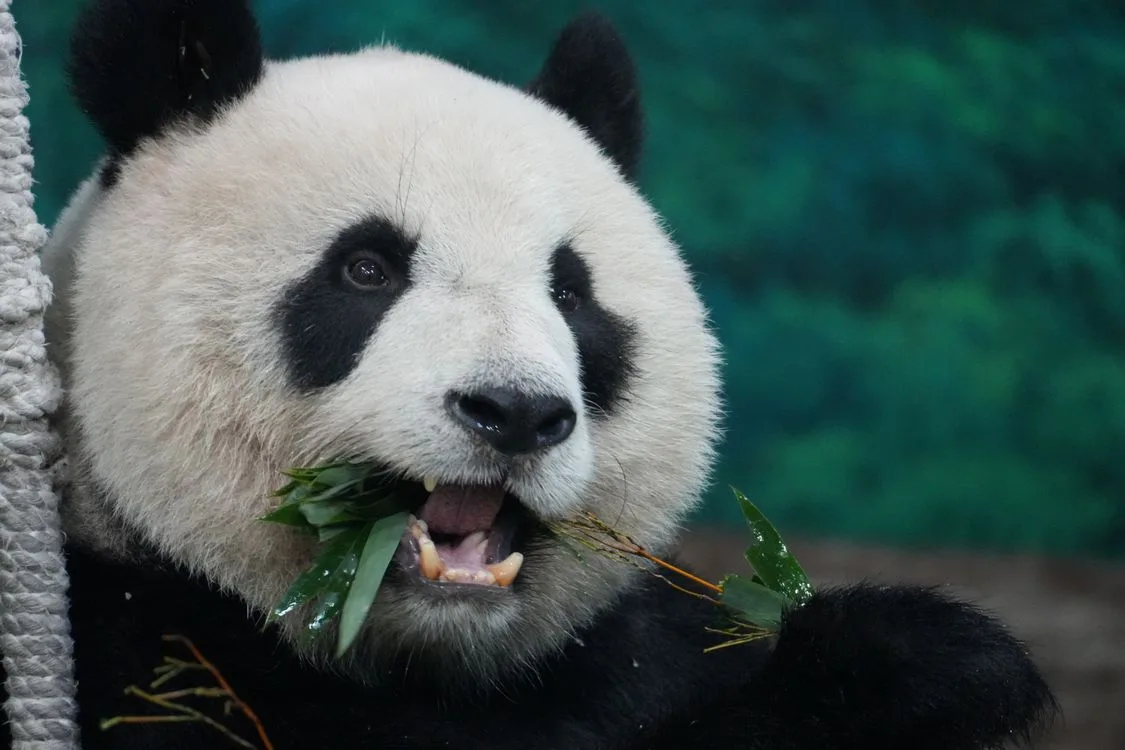
Image source: Bing (Web (fair-use with source credit))
The Big "P" Cats: Panthers, Pumas, and Everything In Between
Let's tackle the most confusing category first. When people talk about "P" cats, they usually mean panthers and pumas. Here's where things get tricky.
A panther isn't actually a species. The term "black panther" just describes a melanistic (dark-pigmented) leopard or jaguar. A puma, on the other hand, is its own distinct species with many regional names.
Panther vs. Puma: The Real Difference
| Feature | Panther (Melanistic Leopard/Jaguar) | Puma (Cougar/Mountain Lion) |
|---|---|---|
| Species status | Not a distinct species | Distinct species (Puma concolor) |
| Coat color | Black or dark brown (melanism) | Tan, tawny, or grayish-brown |
| Size | 60-250 lbs depending on species | 80-200 lbs |
| Range | Africa, Asia, Central/South America | North and South America |
| Roar | Yes (leopards and jaguars roar) | Cannot roar; purrs and screams |
The puma, also called cougar, mountain lion, or catamount, holds the Guinness World Record for the animal with the most common names. Over 40 English names exist for this single species. That's why confusion runs so deep.
The panther you picture, sleek and all black, is almost always a leopard with melanism. It's a genetic variation, not a separate animal. If you see a photo of a black cat in a jungle, it's almost certainly a dark-phase leopard.
If you see a tan cat with a long tail in North America, it's a puma.
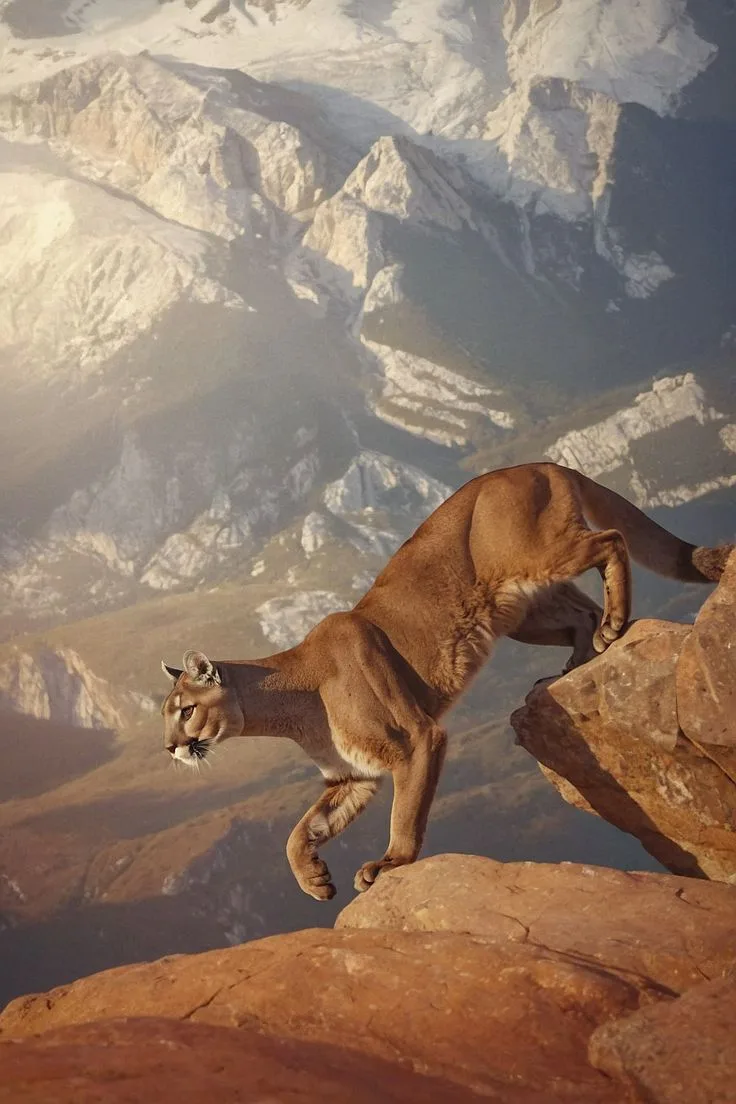
Image source: Web (Bing) / pinterest.com (Web image (fair-use with source credit))
Other "P" Cats Worth Knowing
- Pampas Cat. A small wildcat from South America with a stocky build and striped coat.
- Pantanal Jaguar. Technically not a "P" name, but often confused with panthers.
- Pallas's Cat. A fluffy, grumpy-faced wildcat from Central Asia. Instantly recognizable.
If you're a cat person, this group alone gives you plenty to explore. The visual differences between these species are dramatic, and once you know what to look for, you'll never confuse them again.
The Flamboyant Feathered "P" Birds: Peacocks, Puffins, and Pelicans
Birds starting with P might be the most visually spectacular group on this list. Peacocks alone bring the iridescent drama. Puffins bring the adorable factor.
Pelicans bring the sheer size. And that's before we even mention parrots.
Peacock Identification: More Than Just a Pretty Tail
The peacock (the male of the peafowl species) is famous for its train of colorful feathers. But there's more to notice than the display. The body itself is a rich blue-green, the crest on the head is distinctive, and the "eyes" on the train feathers are actually called ocelli.
Females, called peahens, are muted brown and gray. They lack the dramatic train and are often mistaken for a completely different bird.
Puffin vs. Penguin: How to Tell Them Apart at a Glance
This is one of the most common mix-ups in the bird world. Both are black and white. Both are excellent swimmers.
Both look like they're wearing tuxedos. Here's the breakdown:
| Feature | Atlantic Puffin | Emperor Penguin |
|---|---|---|
| Size | About 10 inches tall | About 45 inches tall |
| Beak | Colorful orange, yellow, and blue stripes | Long, thin, curved |
| Flight | Can fly (up to 55 mph) | Cannot fly |
| Habitat | North Atlantic coasts | Antarctica |
| Legs | Orange, short | Dark, shorter |
The easiest way to tell them apart? The beak. Puffins have that unmistakable, rainbow-colored triangular bill.
Penguins have a sleek, dark bill. And puffins can fly, which penguins absolutely cannot.
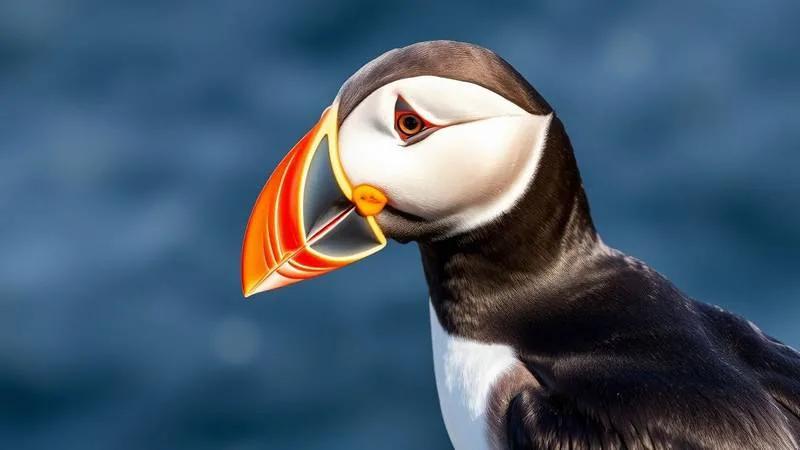
Image source: Web (Bing) / les-oiseaux.com (Web image (fair-use with source credit))
Pelicans: Nature's Fishing Nets
Pelicans have one of the most recognizable features in the bird world: the throat pouch. It can hold up to three gallons of water and fish. When they dive for prey (brown pelicans) or scoop from the surface (white pelicans), the pouch acts like a net.
Their wingspans are equally impressive, reaching up to 11 feet in some species.
Parrots and Parakeets: The Colorful Talkers
The parrot family includes macaws, cockatoos, lovebirds, and parakeets. They share a few key traits: curved bills, zygodactyl feet (two toes forward, two backward), and remarkable intelligence. Some species can learn hundreds of words.
The hyacinth macaw, the largest parrot species, reaches about 40 inches long and sports a vivid blue coat.
Pelicans and puffins nest in massive coastal colonies. If you're near the coast, you'll spot them in the wild fairly easily. Parrots, meanwhile, thrive in tropical regions and are popular pets worldwide.
The Playful and Unusual "P" Mammals
Mammals starting with P give us some of the strangest and most endearing creatures on Earth. The platypus alone breaks so many rules that early scientists thought it was a hoax. Then you've got porcupines, pangolins, and the tiny pygmy marmoset.
The Platypus: A Mammal That Lays Eggs
The platypus is one of only five mammal species that lay eggs. The others are echidnas. Beyond that, the platypus has a duck-like bill, webbed feet, a beaver-like tail, and the males carry venomous spurs on their hind legs.
Deep in electroreception, they can detect the electric fields of prey in the water. It's a bizarre survival kit, and it works.
Porcupine vs. Hedgehog: Quill Patterns and Defensive Postures
People mix up porcupines and hedgehogs constantly. Both have quills. Both roll into balls when threatened.
But the similarities end there:
| Feature | Porcupine | Hedgehog |
|---|---|---|
| Size | 15-35 lbs | 1-2 lbs |
| Quills | Long, sharp, barbed | Shorter, smoother |
| Quill release | Can detach and embed | Stay attached |
| Activity | Mostly nocturnal | Nocturnal |
| Diet | Herbivore (bark, leaves) | Insectivore (bugs, worms) |
Porcupines are rodents. Hedgehogs are not even close to being rodents. If you spot a large, slow-moving spiky animal in the trees, that's a porcupine.
If it's tiny and scurrying across a garden at night, it's a hedgehog.
The Pangolin: A Mammal With Scales
Pangolins are the only mammals covered entirely in scales made of keratin, the same protein as human fingernails. When threatened, they roll into an almost impenetrable ball. They have long, sticky tongues that extend deep into anthills and termite mounds.
All eight species are protected, and they're among the most trafficked animals in the world due to demand for their scales and meat. The IUCN lists several species as critically endangered.
Pika, Pronghorn, and Pygmy Marmoset
- Pika. A tiny, round-eared relative of rabbits. They live in cold mountain regions and collect hay piles for winter.
- Pronghorn. The fastest land mammal in North America, hitting 55 mph. They look like antelope but are a distinct species.
- Pygmy Marmoset. The world's smallest monkey. Adults weigh about as much as a stick of butter and can fit in the palm of your hand.
These unusual mammals show how diverse the "P" category really is. From egg-laying platypuses to tree-dwelling porcupines to fingernail-scaled pangolins, this group has something weird and wonderful around every corner. If you enjoy discovering more obscure creatures, checking out our list of animals that start with a will give you even more surprises to explore.