Fish That Start with E: Names, Facts & More
You're looking for fish that start with e, and the good news is you have plenty of options. In fact, there are so many that the real problem is figuring out which one you actually need. Are you setting up an aquarium?
Planning a seafood dinner? Chasing something on a fishing line? The right answer changes completely depending on your situation.
As of 2026, common English names for E-fish span a huge range, from the 1.5-inch Endler's livebearer to the 8-foot electric eel, which isn't a true eel at all. So before you pick a species, it helps to understand what you're really looking for. Let's walk through it step by step.
Why “Fish That Start with E” Is a Trickier Search Than You’d Think
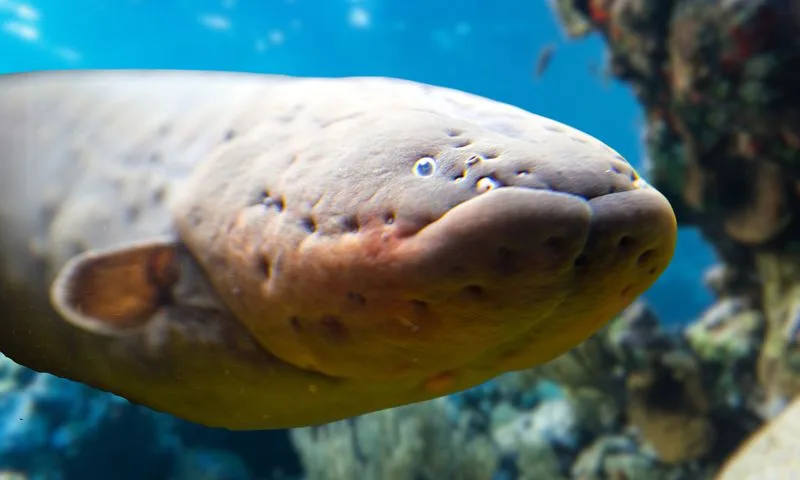
Common names are messy. That's the real reason this search gets confusing. "Electric eel" sounds like a true eel, but it's actually a knifefish from South America.
Meanwhile, the European eel is a genuine eel, and it's critically endangered. Add regional differences, and one name can mean several different fish depending on where you live.
Scientists avoid this chaos by using Latin names. For example, Esox covers pikes, Epinephelus covers groupers, and many dwarf gobies fall under Eviota. But most people search by common name.
That means you need to know which E-fish matches your goal, not just which one starts with the right letter.
Quick Answer: The E-Fish People Actually Mean (and What They’re For)
Fish that start with e appear in aquariums, kitchens, and rivers worldwide. Common picks include emperor angelfish, Endler's livebearer, European seabass, and elephantnose fish. Choose based on your setup and goal.
Freshwater tanks favor livebearers and cichlids. Saltwater tanks favor angelfish, while edible options favor seabass and sole.
Ask the Right Question: What’s Your Situation?
Before you memorize a list, answer one simple question: what are you actually trying to do? The best E-fish for you depends on your answer.
- Setting up a freshwater aquarium? You want hardy, community-safe species that stay small enough for your tank.
- Building a saltwater or reef tank? You need species that tolerate stable water chemistry and a larger enclosure.
- Cooking dinner? Focus on flavor, fat content, and sustainability.
- Heading out with a rod? Check your local seasons, size limits, and licensing rules first.
- Researching for a school project? You want interesting facts, conservation context, and species with a good story.
Each path leads to a different fish. If you enjoy this kind of name-based exploration, alphabet-inspired species guides can give you even more ideas for other letters.
The Decision Tree: Match the Fish to the Situation
Think of this as a branch, not a list. You start with your situation, then narrow down to a handful of E-fish that genuinely fit.
| If you are… | Best E-fish to focus on | Why |
|---|---|---|
| A freshwater beginner | Endler's livebearer, emperor tetra, emerald corydoras | Small, peaceful, and forgiving of minor water quality issues |
| An oddball fish keeper | Electric eel, elephantnose fish | Fascinating behavior, but they need specialist care and big tanks |
| A saltwater or reef keeper | Emperor angelfish, engineer goby | Beautiful centerpiece options, though not all are reef-safe |
| A seafood cook | European seabass, English sole | Mild flavor, versatile cooking methods, and broad availability |
| A recreational angler | European perch, European seabass, emperor snapper | Good fights and solid table quality, depending on your region |
| A student or curious reader | Electric eel, European eel, eulachon | Loaded with odd biology and conservation stories |
The rest of this guide follows those branches. Pick your situation, then jump to the section that matches.
Freshwater Aquarium E-Fish: Which One Fits Your Tank?
Freshwater E-fish range from easy community members to serious hobbyist challenges. Aggregate aquarium hobbyist feedback indicates that the best starting point is almost always a small, peaceful species that breeds readily and accepts standard aquarium foods.
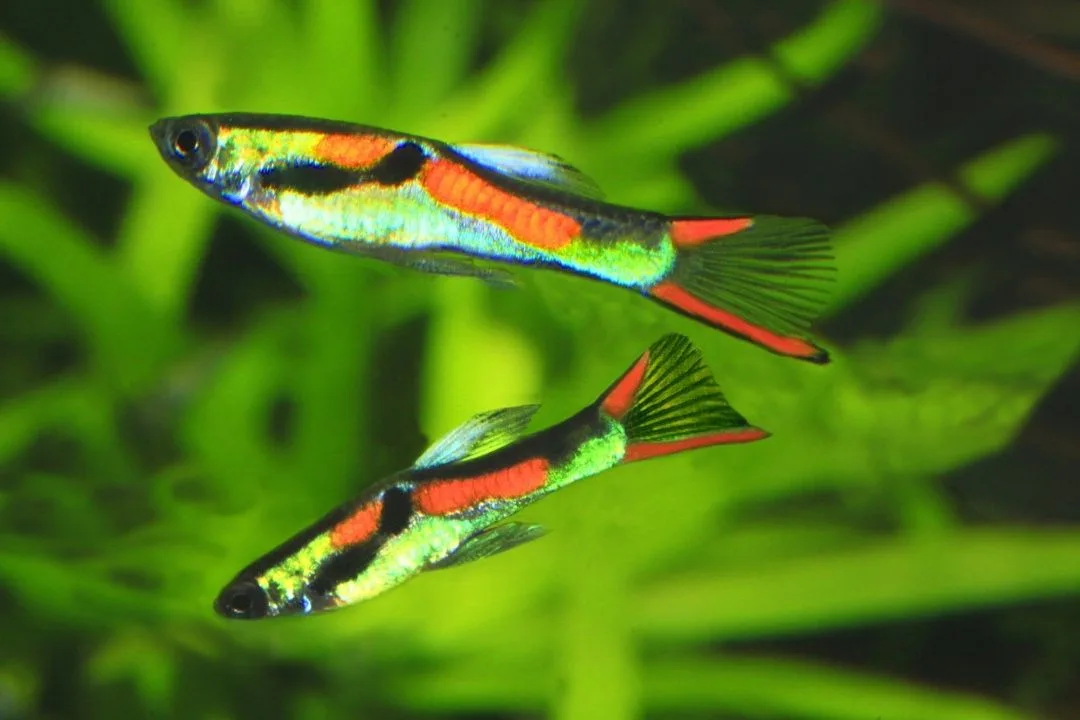
Endler's livebearers are the top choice for beginners. They max out around 1.5 inches, thrive in planted tanks, and produce live young without much encouragement. Emperor tetras are slightly bigger at about 2 inches, and they add a distinctive dark stripe with blue eyes.
Emerald corydoras, sometimes called emerald catfish, stay around 2.5 inches and do best in small groups.
| Species | Adult size | Temperament | Difficulty |
|---|---|---|---|
| Endler's livebearer | 1.5 in | Peaceful | Easy |
| Emperor tetra | 2 in | Peaceful | Easy |
| Emerald corydoras | 2.5 in | Peaceful | Easy |
| Eartheater cichlid | 6–8 in | Semi-aggressive | Moderate |
| Elephantnose fish | 9 in | Shy, sensitive | Advanced |
| Electric eel | 8 ft | Predatory | Expert-only |
If you want something more unusual, the eartheater cichlid sifts through sand with its mouth, which is fascinating to watch. Just plan for a 75-gallon tank or larger. Elephantnose fish use weak bioelectric fields to navigate murky water, but they stress easily and need pristine, well-oxygenated conditions.
The electric eel is the extreme end. It can reach 8 feet and discharge roughly 600 volts. That's not an aquarium fish.
It's a public aquarium exhibit. Unless you have a facility-scale setup and proper safety protocols, this is one E-fish to admire from a distance. If you're collecting species lists for fun, name-based animal lists follow the same kind of curiosity.
Saltwater and Reef E-Fish: The Beautiful but Demanding Choices
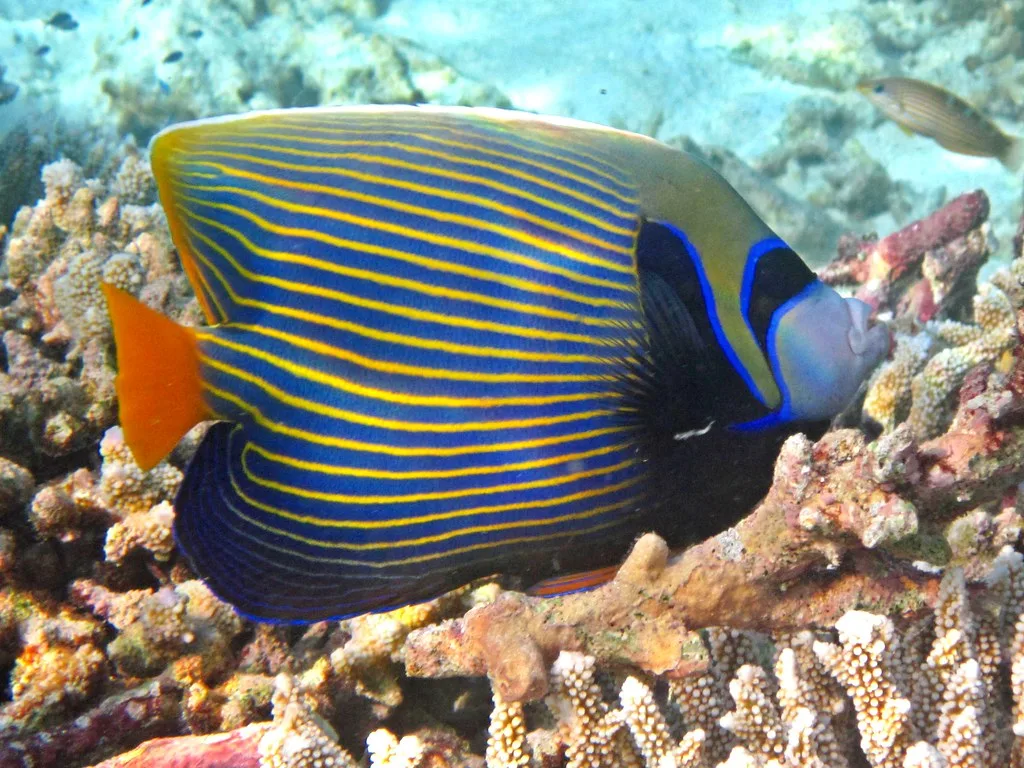
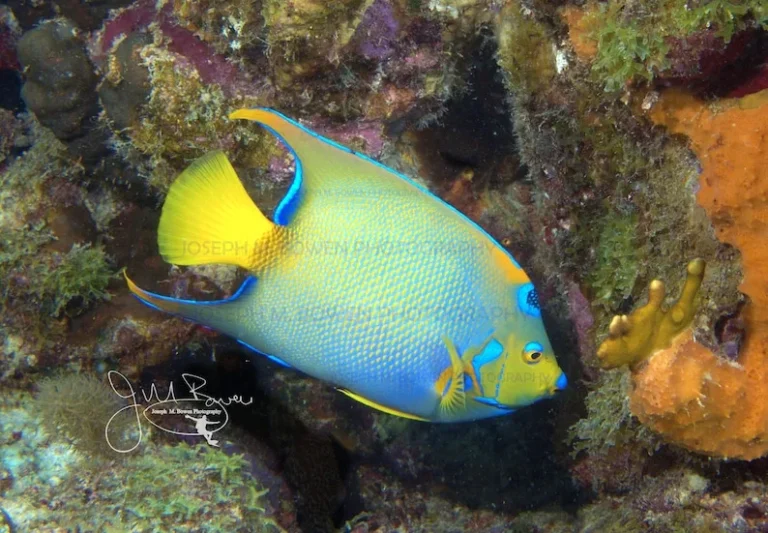
The emperor angelfish is probably the most famous saltwater fish that starts with e. Its electric blue and yellow stripes make it a showstopper in any display tank. But there's a catch.
Adults can reach 15 inches in the wild and need a tank of at least 125 gallons. They also grow aggressive toward other angelfish as they mature.
That doesn't mean saltwater E-fish are off-limits. The engineer goby is a smaller, reef-safe alternative that digs tunnels and builds fascinating rock structures. It's not as flashy as the emperor angelfish, but it's hardy and entertaining.
Many aquarists also encounter eel species in marine systems, though true saltwater eels need secure lids and meaty diets.
The biggest issue with saltwater E-fish is sourcing. Most emperor angelfish are wild-caught, and they can struggle to adapt in home aquariums. Quarantine is non-negotiable.
You should also test for stray voltage if you keep electric fish, though that's rare in reef systems. For a calmer entry point, start with a harem of freshwater E-fish before jumping into marine species.
On the Plate: Edible E-Fish for Home Cooking

If you're shopping for dinner, the European seabass is the E-fish most people actually mean. It has firm white flesh, a mild flavor, and holds up well to pan-searing, roasting, or grilling. It's widely farmed and available in most seafood markets.
English sole is another strong option. It's a flatfish with delicate fillets that cook quickly, so it's perfect for simple preparations with lemon and butter.
Eulachon is a traditional Pacific Northwest smelt, sometimes called candlefish because people once dried them and used them as torches. They're oily and full of flavor, but their availability depends on seasonal runs. If you see them fresh, they're worth trying.
Escolar is the fish that needs a warning label. It tastes rich and buttery, but it contains a waxy compound called gempylotoxin. For some people, eating more than a small portion causes oily, urgent bowel movements.
The FDA has issued consumer advisories about this, so treat escolar as a "try a little" fish, not a main course.
Sustainability matters too. The European eel is critically endangered, so it should not be on your plate. If you want a broader seafood guide, species lists for other letters won't help you cook, but they might spark your next research rabbit hole.
For Anglers: E-Fish Worth Chasing
Anglers have some excellent targets among fish that start with e. European perch is a scrappy freshwater fish found across Europe and parts of Asia. It bites hard, fights well for its size, and tastes great.
European seabass is the coastal equivalent. It's a strong, fast predator that takes lures and live bait, and it's a prized catch in the northeast Atlantic and Mediterranean.
If you fish tropical waters, emperor snapper is a stunning, powerful reef fish. It's a table favorite, but large individuals can carry ciguatera toxins in some regions. Always check local advice before keeping one.
English sole keeps things simpler. It's a flatfish caught along the Pacific coast, and it's a reliable target for bottom fishing.
Regulations change by area, so don't rely on memory. Seasons, minimum sizes, and bag limits vary. NOAA Fisheries publishes up-to-date federal and regional rules, and your local fish and wildlife agency handles state waters.
Check both before you cast.
School Projects and Curious Minds: E-Fish for Learning
If you're researching for a project, fish that start with e are packed with material. The electric eel is a biology goldmine. It uses three specialized organs to generate electric fields for navigation and hunting.
It's not actually an eel, which makes it a great example of convergent evolution. The elephantnose fish uses weak electric fields too, but for a completely different purpose: sensing its surroundings in murky water.
The European eel has one of the most amazing life cycles in the animal kingdom. It spawns in the Sargasso Sea, then larvae drift across the Atlantic to Europe. Adults migrate back years later to spawn and die.
The IUCN Red List classifies it as critically endangered due to overfishing, habitat loss, and barriers like dams.
Eulachon also tells a cultural story. Indigenous communities in the Pacific Northwest have harvested this smelt for generations, and its spring runs once signaled the arrival of other migratory fish. It's a small fish with a big historical footprint.
Mistakes to Avoid When Choosing an E-Fish
The biggest mistakes happen when people skip the research phase. Here are the ones to avoid:
- Assuming "eel" means true eel. Electric eels are knifefish. Moray eels aren't eels either. Always check the scientific name.
- Underestimating adult size. Endlers stay tiny. Emperor angelfish don't. A 125-gallon tank is not optional for a full-grown emperor.
- Ignoring aggression. Electric yellow cichlids look cheerful but can terrorize tankmates. Exodons nip fins without warning.
- Forgetting water parameters. Elephantnose fish need soft, warm, acidic water. Eartheaters need sandy substrate. Get the setup right first.
- Eating the wrong fish. Escolar can cause digestive distress. European eel is endangered. Check before you cook.
Research is the difference between a thriving tank and a costly failure.
FAQs: Straight Answers to Common E-Fish Questions
Are electric eels actually eels?
No. They're a type of knifefish native to South America. True eels belong to the order Anguilliformes, which includes European eels and moray eels.
Electric eels just look similar because they have long, snake-like bodies.
What's the easiest E-fish for a small tank?
Endler's livebearer is the best answer. It stays under 2 inches, tolerates a range of water conditions, and breeds easily. A 10-gallon planted tank with a few Endlers is a great starter setup.
Is escolar safe to eat?
In small amounts, yes. But escolar contains gempylotoxin, a waxy compound that causes oily diarrhea in some people. The FDA recommends limiting portions.
Many restaurants label it as butterfish, so ask before you order.
Do emperor angelfish get along with other reef fish?
It depends. They're generally peaceful toward non-angelfish species, but they can bully other large angelfish. They also need a big tank, plenty of hiding spots, and stable water.
They're not a good choice for small reef systems.
What does an elephantnose fish eat?
In the wild, they eat small insects, larvae, and worms. In aquariums, they accept bloodworms, blackworms, and brine shrimp. They can be picky, so you may need to offer live or frozen foods at first.
Final Decision Guide: Your Best E-Fish Match in 30 Seconds
Still unsure? Use this quick table.
| Your situation | Your best E-fish | Key requirement |
|---|---|---|
| Small freshwater tank | Endler's livebearer | 10-gallon tank or larger |
| Peaceful community tank | Emperor tetra or emerald corydoras | 20-gallon tank with groups |
| Big aquarium with personality | Eartheater cichlid | 75-gallon tank with sandy substrate |
| Saltwater centerpiece | Emperor angelfish | 125-gallon tank and stable water |
| Seafood dinner | European seabass | Sustainable sourcing |
| Fishing trip | European perch or seabass | Local license and seasonal rules |
| School report | Electric eel or European eel | Good sources and conservation angle |
You don't need to learn every fish that starts with e. You just need the right one for your world. Pick the branch that fits your situation, check the specs, and go from there.