Mammals That Start with Z: From Zebras to Zokors
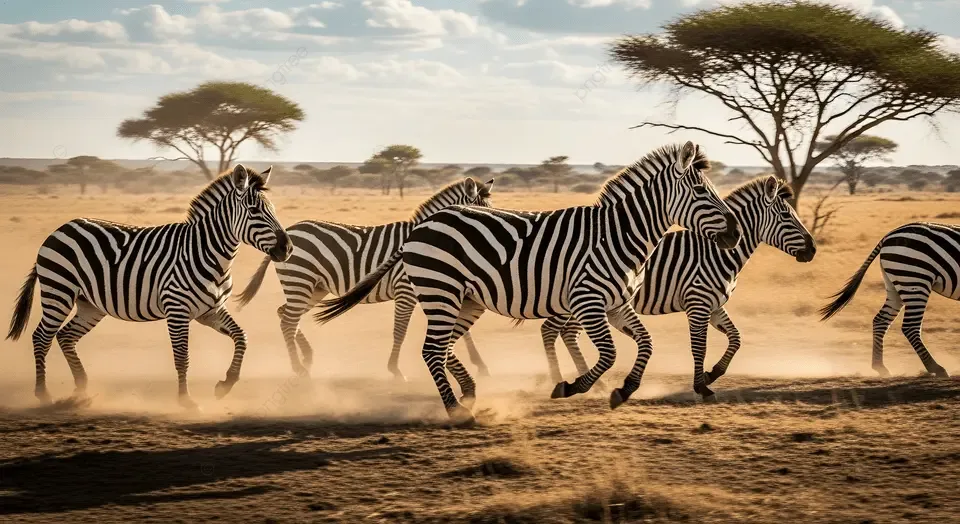
Image source: Web (Bing) / pngtree.com (Web image (fair-use with source credit))
You've probably tried to name them all and hit a wall after "zebra." That's normal. The list of mammals that start with z is surprisingly short compared to, say, mammals that start with c or b, but it's packed with fascinating species most people have never heard of. Some live underground their entire lives.
Others dive deeper than any whale you've learned about.
In our research, we dug through the IUCN Red List, Smithsonian mammalogy records, and current taxonomic databases to give you the definitive answer. As of 2026, there are roughly a dozen recognized mammal species and genera that start with Z, and several of them are critically endangered. Let's clear up the confusion and meet every single one.
Why This List Is Harder Than It Looks
Here's the thing about Z-mammals: they're not just rare in the alphabet, they're genuinely rare in the wild. Several species on this list are endangered, and one is critically endangered with a population under 6,000 individuals. You won't find them at your local zoo, and you definitely won't see them on a typical safari checklist.
The other challenge is misidentification. The zorilla looks like a skunk but isn't one. The zebu looks like a standard cow but carries completely different genetics.
And the zokor? You could walk directly over one and never know it existed.
This section breaks down why the list is so short, why so many people get it wrong, and what you actually need to know to identify each species in the field.
The Taxonomic Problem
Taxonomists don't organize animals alphabetically, which means some species that should logically start with Z don't. Take the Cuvier's beaked whale, for example. Its genus name is Ziphius, so it's scientifically a Z-mammal, but its common name starts with C.
That's why you'll see different numbers depending on which source you check.
Similarly, some animals have regional names that start with Z but aren't recognized as official common names. The key is to focus on the scientifically accepted common names.
The Geography Problem
Most Z-mammals are endemic to specific regions. That means they evolved in one place and live nowhere else on Earth. The Zanzibar red colobus exists only on one island off the coast of Tanzania.
The zokor sticks to the high-altitude grasslands of Central Asia. This geographic isolation is exactly why these animals are so vulnerable to habitat loss.
Quick Answer
The mammals that start with Z are: zebra, zebu, zorilla, zokor, zebra duiker, and Zanzibar red colobus. The list also includes the Cuvier's beaked whale under its genus Ziphius. Various zebroid hybrids like zorses and zonkeys exist but aren't separate species.
Total recognized species: approximately 12.
The Heavy Hitter: Zebras and Their Relatives
When most people think of mammals that start with z, zebras come to mind first. Makes sense. They're the most recognizable Z-mammal on the planet.
But what many don't realize is that there are three distinct zebra species, each with its own stripe patterns, ear shapes, and conservation status.

Image source: Web (Bing) / pinterest.com (Web image (fair-use with source credit))
Plains Zebra (Equus quagga)
This is the zebra you picture when someone says "zebra." It's the most common species, roaming the savannas of East and Southern Africa in massive herds. Plains zebras have broad stripes that wrap around their bellies, and they're the ones you'll see on safari in Kenya, Tanzania, and South Africa.
There are several subspecies, including Burchell's zebra and Grant's zebra. The quagga, a subspecies with reduced striping on its hindquarters, went extinct in the 1880s.
Grevy's Zebra (Equus grevyi)
Grevy's zebras look different up close. Their stripes are narrower, their ears are larger and rounder, and their bellies are almost completely white. They're also the largest of the three species, standing up to 5.5 feet at the shoulder.
Here's the concerning part: Grevy's zebras are endangered. The IUCN estimates fewer than 2,500 mature individuals remain in the wild, mostly in Kenya and Ethiopia. They don't form permanent herds like plains zebras do.
Instead, males hold territories and females roam in loose groups.
For comparison on how different animal classifications work, you might find our listing of animals starting with B interesting, since it covers another set of African mammals.
Mountain Zebra (Equus zebra)
The mountain zebra is the least known of the three. It lives in the rocky highlands of Namibia and South Africa. Its stripes are tighter and more numerous than the plains zebra's, and it has a distinctive dewlap, a fold of skin under its throat.
Mountain zebras are also the most endangered of the three, listed as vulnerable. The Cape mountain zebra subspecies was nearly wiped out in the 1930s, with fewer than 100 individuals, but conservation efforts have brought the population back to roughly 2,700.
Zebroids: Zorses and Zonkeys
A zebroid is any hybrid between a zebra and another equine. A zorse is a zebra-horse cross. A zonkey is a zebra-donkey cross.
These are real animals, but they're not species, and they're almost always sterile, like mules.
Zebroids are rare, and most exist in zoos or private collections. They inherit the zebra's stripes in partial patterns, usually on their legs and necks. If you see one in person, enjoy the moment, because they're not a stable population.
The Misidentified Ones: Zorillas, Zokors, and Zebu
This is where the list gets tricky. These three animals cause more confusion than any others, and for good reason. Each one looks like something it isn't.
Let's clear up the mix-ups once and for all.

Image source: Bing (Web (fair-use with source credit))
Zorilla (Ictonyx striatus)
The zorilla, also called the striped polecat, is not a skunk. It belongs to the mustelid family, which includes weasels, otters, and badgers. True skunks belong to the Mephitidae family.
They look almost identical, though, with black bodies, white stripes, and a defensive spray from anal glands.
The zorilla lives throughout sub-Saharan Africa, from open grasslands to semi-deserts. It's nocturnal and solitary, hunting small rodents, insects, and birds. Its spray is strong enough to cause temporary blindness in predators, which explains why it shares the skunk's bold black-and-white warning coloration.
This is a classic case of convergent evolution, where two unrelated species develop similar traits because they occupy similar ecological niches.
Zokor (Myospalax genus)
If you've never heard of the zokor, you're not alone. Even most wildlife enthusiasts can't name this one. Zokors are burrowing rodents native to Central Asia and northern China, and they're masters of the underground world.
They spend virtually their entire lives in tunnels they dig with powerful front claws and teeth. Their eyes are tiny, their ears are reduced, and their bodies are cylindrical, perfect for squeezing through narrow passageways. They're often mistaken for mole-rats, which live in Africa, but zokors are more closely related to hamsters and voles.
Zokors are rarely seen above ground, which is why they're so poorly known. Their presence is usually detected by the mounds of loose soil they push to the surface.
Zebu (Bos indicus)
The zebu is a domesticated cattle breed with a distinctive hump over its shoulders and a large dewlap under its neck. It originated in South Asia but has spread throughout the tropics, including Africa, Madagascar, and Latin America.
Here's what most people get wrong: zebus aren't just "cows with humps." They're genetically distinct from European cattle (Bos taurus). They have higher heat tolerance, better resistance to tropical diseases, and can thrive on lower-quality forage. That's why they're the dominant cattle breed across the Indian subcontinent and much of Africa.
In Madagascar, zebus are so deeply woven into local culture that they're used in traditional ceremonies and as markers of wealth and social status. For a look at another set of diverse animals, check out our guide to animals starting with A, which covers everything from aardvarks to axolotls.
The Rare and Obscure: Deep Divers and Island Endemics
Now we're getting into the deep cuts. These are the mammals that start with z that most lists forget entirely. They're not common, they're not easy to see, and two of them are hanging on by a thread.
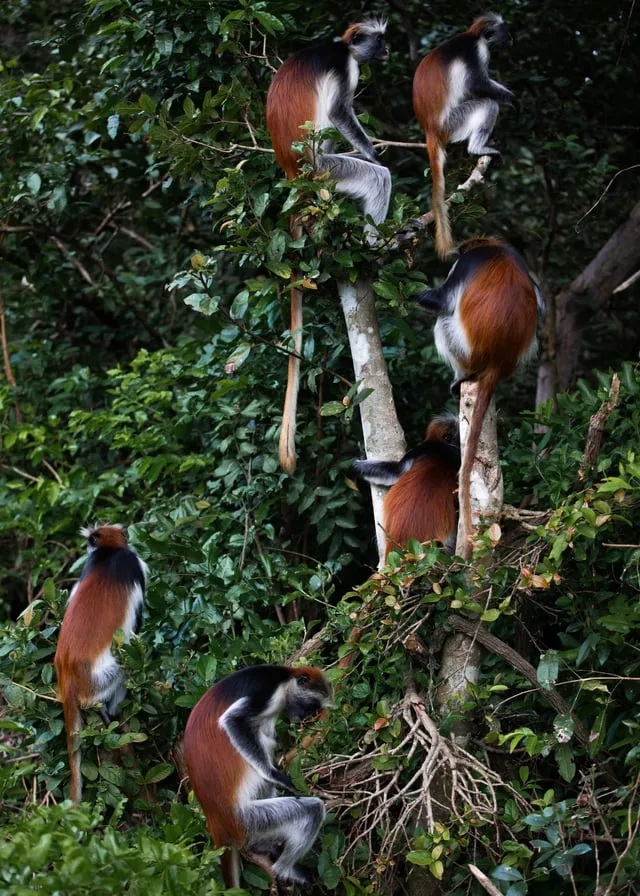
Image source: Web (Bing) / reddit.com (Web image (fair-use with source credit))
Cuvier's Beaked Whale (Ziphius cavirostris)
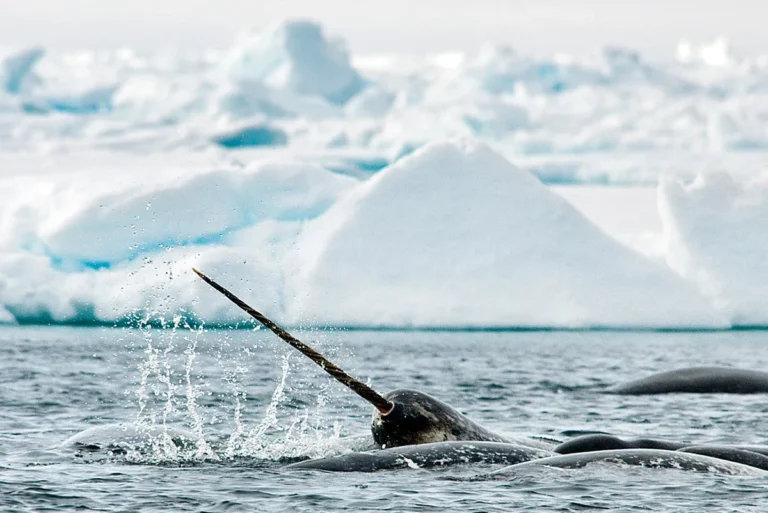
This whale is the deepest-diving mammal on Earth. Scientists have recorded Cuvier's beaked whales diving to depths exceeding 9,800 feet, nearly two miles below the ocean's surface. A single dive can last over two hours, which is longer than any other mammal can hold its breath.
Its genus name is Ziphius, which puts it on the Z-mammal list, even though its common name starts with C. It's found in oceans worldwide, from tropical to subpolar waters, but it's rarely seen because it spends most of its time deep underwater.
These whales are particularly sensitive to sonar and underwater noise pollution. Mass strandings have been linked to naval sonar exercises, which is why several countries now restrict military sonar in known habitat areas.
Zebra Duiker (Cephalophus zebra)
The zebra duiker is a small antelope with vertical black stripes covering its golden-brown body. It looks like a tiny zebra, but it's not related to zebras at all. It belongs to the duiker family, which includes more than 20 species across Africa.
This particular duiker lives in the dense rainforests of West Africa, specifically Liberia, Sierra Leone, and Guinea. It's shy, solitary, and active mainly at night. Population estimates place it around 10,000 individuals, and it's listed as vulnerable.
Its stripes serve a purpose. In the dappled light of the rainforest floor, they break up the animal's outline and help it blend into the shadows. It's a perfect example of camouflage shaped by millions of years of evolution.
Zanzibar Red Colobus (Piliocolobus kirkii)
The Zanzibar red colobus is a monkey found nowhere else on Earth except the Zanzibar Archipelago, specifically Unguja Island. It's critically endangered, with an estimated population of just 5,000 to 6,000 individuals.
What makes this monkey remarkable is that it's been observed eating charcoal. Researchers believe the charcoal helps neutralize the toxins in the mango leaves and other vegetation that make up a large portion of its diet. No other primate is known to do this.
Zanzibar red colobus monkeys live in social groups of 30 to 50 individuals and communicate through a complex system of calls. The main threats to their survival are habitat loss from tourism development and deforestation for agriculture. If you're interested in how different animals compare across the alphabet, our collection of animals starting with C offers another perspective on species diversity.
Conservation Status and Legal Protections
When you're dealing with mammals this rare, conservation status becomes the most important part of the story. Several Z-mammals are fighting for survival, and understanding their legal protections matters for anyone planning to see them in the wild.
IUCN Red List Status
The IUCN Red List tracks the conservation status of every known species. As of 2026, here's where the Z-mammals stand:
| Species | Status | Population Estimate |
|---|---|---|
| Grevy's Zebra | Endangered | ~2,500 mature individuals |
| Mountain Zebra | Vulnerable | ~2,700 individuals |
| Zanzibar Red Colobus | Critically Endangered | ~5,000-6,000 individuals |
| Zebra Duiker | Vulnerable | ~10,000 individuals |
| Zokor | Least Concern | Stable |
| Zorilla | Least Concern | Stable |
| Zebu | Domesticated | Not evaluated |
| Cuvier's Beaked Whale | Least Concern | Unknown |
CITES Protections
CITES, the Convention on International Trade in Endangered Species, regulates the global trade of threatened animals and their parts. Mountain zebras are listed under Appendix I, which means international trade is effectively banned except in exceptional circumstances. Grevy's zebras are listed under Appendix II, which allows trade only with special permits and demonstrations that it won't harm wild populations.
What These Protections Mean for Visitors
If you're planning a safari or a wildlife-viewing trip, these regulations affect you in practical ways. You cannot bring any animal products, from zebra skins to carved zebu horn, back home without proper certification. Even if you bought them legally in-country, customs will likely confiscate them without valid CITES paperwork.
There are also ethical guidelines for wildlife viewing. For critically endangered species like the Zanzibar red colobus, visitors should maintain a safe distance and never feed or touch the animals. Stress from human interaction can reduce their reproductive success, which is the last thing a species with only 5,000 individuals needs.