Animals That Start with C: From Cheetahs to Crabs
If you've ever needed a list of animals that start with C, you know the real challenge isn't finding them. It's telling them apart. A quick mental search might bring up cat, cow, and crocodile.
But the full list runs much deeper.
Our research shows that over 200 species of animals have English common names beginning with the letter C. As of 2026, this includes everything from the cheetah to the cuttlefish. That's why a visual approach is the best way to learn them.
Let's start with the essential list.
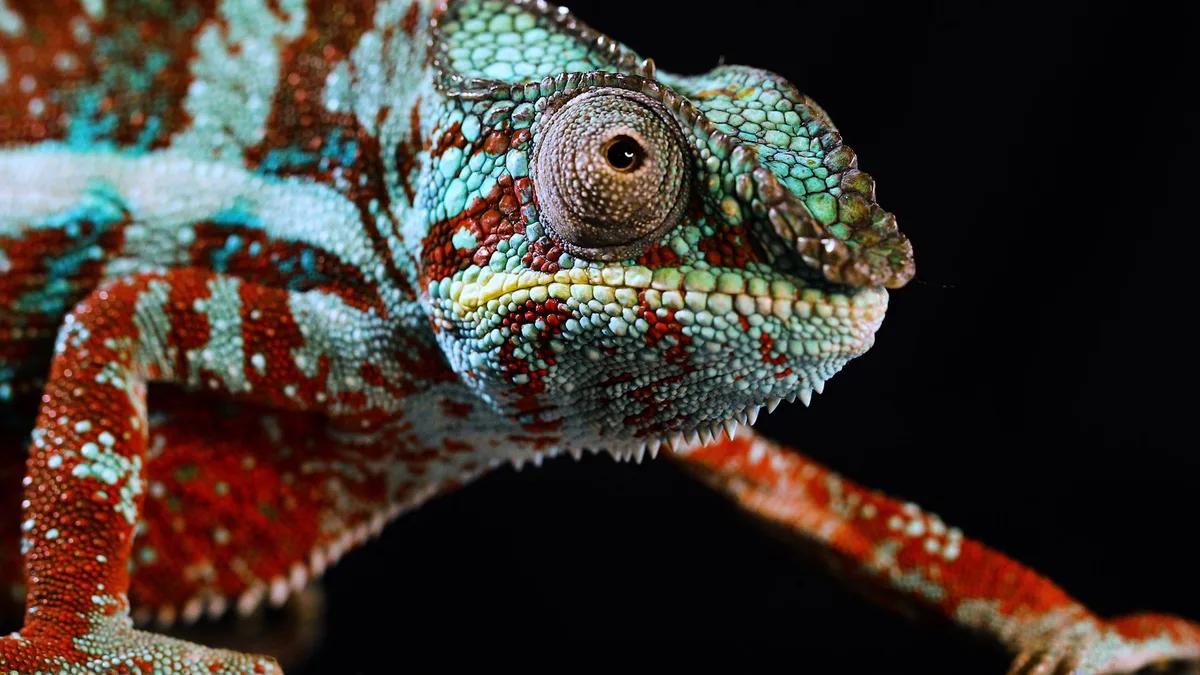
Image source: Web (Bing) / storage.googleapis.com (Web image (fair-use with source credit))
Quick Answer
The most common animals that start with C include cat, cow, cheetah, crocodile, camel, and cardinal. These span mammals, birds, reptiles, and fish. A full list runs over 200 species.
Here are 25 of the most recognizable ones.
| Animal | Category | Key Feature |
|---|---|---|
| Cat | Mammal | Whiskers, retractable claws |
| Cow | Mammal | Four stomachs, spots |
| Cheetah | Mammal | Black tear marks, speed |
| Crocodile | Reptile | V-shaped snout, powerful bite |
| Camel | Mammal | Humps, desert adaptation |
| Cardinal | Bird | Bright red, crest |
| Canary | Bird | Yellow, singer |
| Cassowary | Bird | Casque, dangerous claws |
| Chimpanzee | Mammal | Social, tool use |
| Chinchilla | Mammal | Dense fur, soft |
| Chipmunk | Mammal | Stripes, cheek pouches |
| Clownfish | Fish | Orange and white stripes |
| Cobra | Reptile | Hood, venomous |
| Cockatoo | Bird | Crest, vocal |
| Copperhead | Snake | Copper-colored head |
| Cormorant | Bird | Hooked bill, diver |
| Cougar | Mammal | Large cat, solid color |
| Coyote | Mammal | Bushy tail, howl |
| Crab | Invertebrate | Shell, claws |
| Crane | Bird | Long legs, migratory |
| Cuttlefish | Invertebrate | Color change, ink |
| Caribou | Mammal | Antlers, cold climate |
| Caiman | Reptile | Broad snout, armored |
| Cottontail | Mammal | Rabbit, white tail |
| Capybara | Mammal | Large rodent, webbed feet |
Why Seeing These Animals Matters More Than a Name
A name alone doesn't tell you much about an animal. But a picture sticks. When you see a chameleon's color shift or a cheetah's tear marks, you remember.
Visual memory is powerful. Studies show people recall images better than words. That's especially true for kids learning the alphabet.
A photo of a cardinal in flight is easier to remember than the word "cardinal."
This list is designed to help you match names to faces. You'll learn to spot the difference between a crocodile and a caiman at a glance. That's the goal here.
The IUCN Red List also emphasizes that visual identification is a key part of conservation education. Knowing what you're looking at helps you protect it.
Visual Cues: Big Cats & Wild Mammals Starting with C
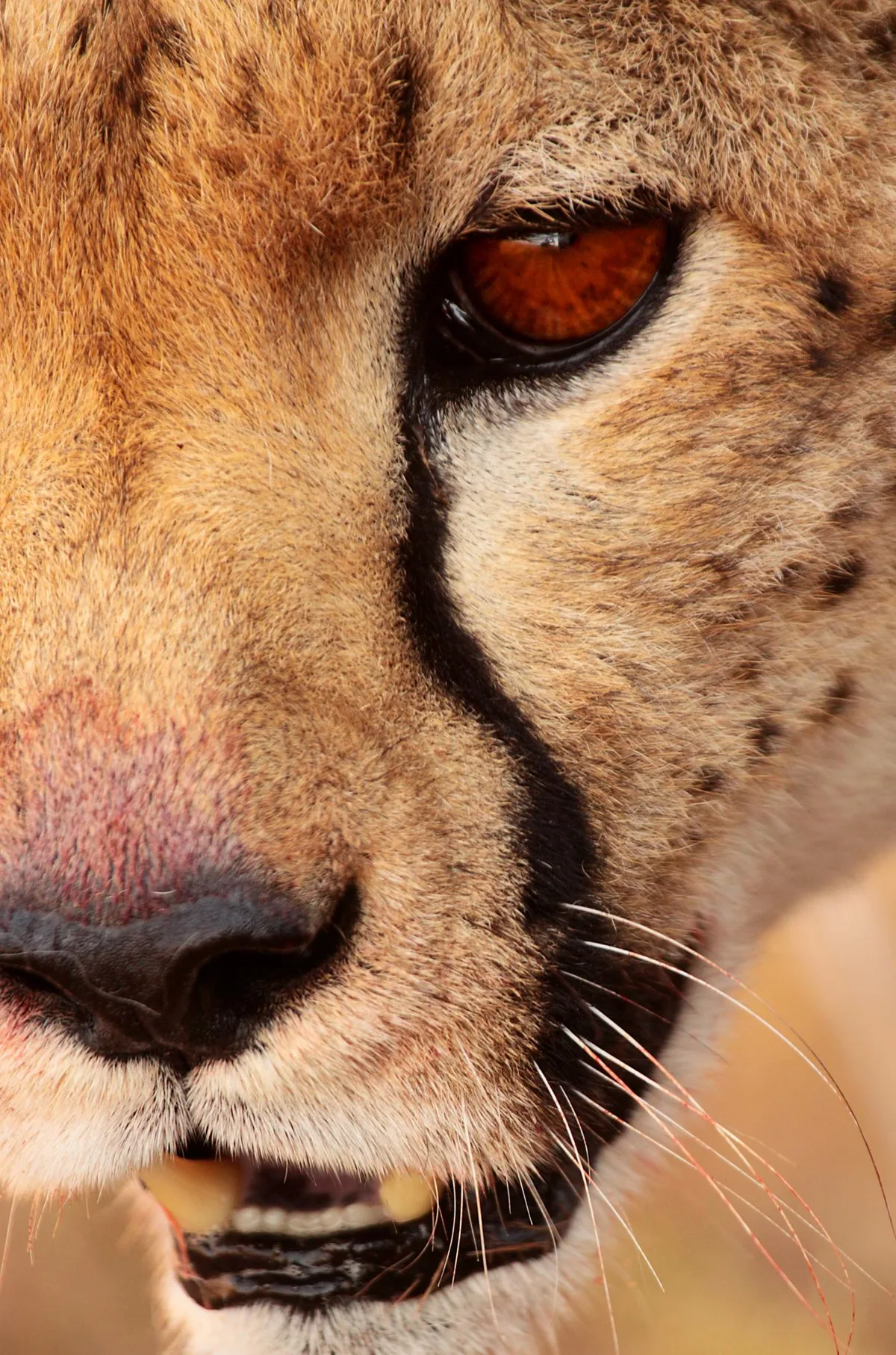
Image source: Web (Bing) / jedimt.com (Web image (fair-use with source credit))
Big cats and wild mammals in the C group are some of the most recognizable. The cheetah stands out with its black tear marks and slender build. It's built for speed, not strength.
The cougar, also called a mountain lion or puma, has a solid tan coat. No spots as an adult. It's larger than a coyote but smaller than a lion.
The coyote looks like a small wolf. It has a bushy tail and pointed ears. You'll find them across North America.
The caracal is a medium-sized cat with long tufted ears. It lives in Africa and parts of Asia. The caribou, known as reindeer in Europe, has large antlers and lives in cold northern regions.
The capybara is the largest rodent in the world. It has a blunt face and webbed feet. It's a social animal that lives near water.
Visual Cues: Birds That Start with C
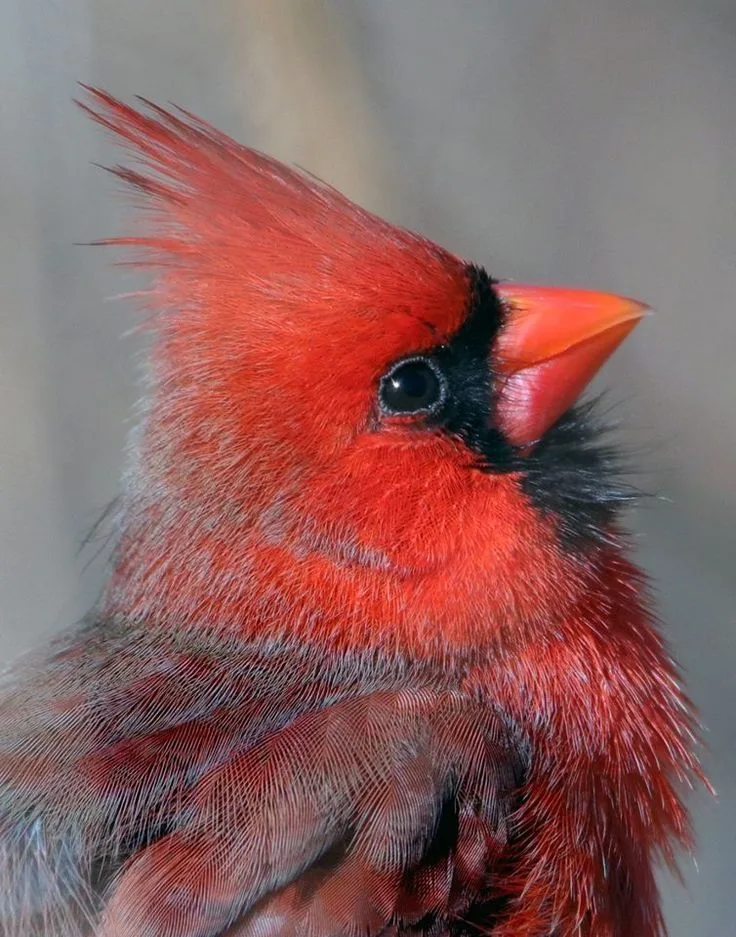
Image source: Bing (Web (fair-use with source credit))
Birds starting with C offer some of the brightest colors in the animal kingdom. The northern cardinal is a favorite. Males are brilliant red with a crest.
Females are brown with a red beak. The Cornell Lab of Ornithology documents this species extensively.
The canary is a small yellow bird known for its singing. The cassowary is the opposite. It's a large, flightless bird with a helmet-like casque on its head.
It's found in Australia and New Guinea.
The cockatoo is a crested parrot. It's white or pink and very social. The cormorant is a water bird with a hooked bill.
It dries its wings by spreading them out.
The crane is a tall, long-legged bird that migrates long distances. It's known for its elegant dancing. The coot is a dark water bird with a white beak.
Visual Cues: Reptiles & Amphibians Starting with C
Reptiles and amphibians in the C group include some of the most distinctive animals. The crocodile has a V-shaped snout and a powerful bite. The caiman has a broader, U-shaped snout.
The chameleon is famous for color change. It uses this for camouflage and communication. Its tongue can be twice its body length.
The cobra is a venomous snake with a hood. It lives in Africa and Asia. The copperhead is a pit viper found in North America.
It has a copper-colored head and hourglass markings.
The caiman lizard is a large, green reptile with a red head. It lives in South America. The common frog and common toad also start with C, but they are less distinctive.
The caecilian is a limbless amphibian that looks like a worm.
The caecilian is a limbless amphibian that looks like a worm with a backbone. It lives buried in moist soil and has tiny, almost non-functional eyes. Because it's rarely seen, most people forget it belongs on any animal list.
The key takeaway for reptiles and amphibians is simple: look at the snout, skin texture, and posture before you name it.
Visual Cues: Ocean & Freshwater Animals Starting with C
The clownfish is one of the most recognizable C animals. Bright orange with white bands and black edging, it lives among sea anemones. The anemone's stinging cells don't harm the fish due to a special mucus coating.
The cuttlefish is a master of disguise. It can change color and skin texture in under a second to blend into any surface. Its body is flattened with fins running along both sides.
The common crab and crayfish are easy to spot by their claws and hard shells. The catfish has long barbels that look like cat whiskers.
If you're identifying a fish from the C group, start with color patterns and fin shapes. Clownfish have vertical bands. Catfish have smooth skin and barbels.
Crayfish look like small lobsters but live in freshwater. For a full guide on marine species, the National Ocean Service maintains accurate records.
The Confusion Zone: Look-Alike C Animals
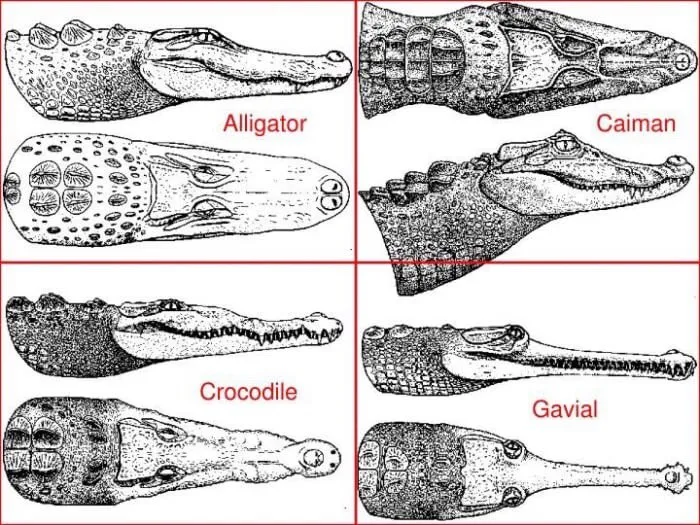
Image source: Web (Bing) / animalia-life.club (Web image (fair-use with source credit))
This is where most people get tripped up. Crocodile, alligator, and caiman look related because they are. But you can tell them apart quickly.
Crocodiles have a narrow, V-shaped snout. Their lower teeth are visible when the mouth is closed. Alligators have a wide, U-shaped snout.
Their upper jaw hides the lower teeth. Caimans resemble alligators but are smaller, with a broader, more flattened head.
The cheetah and leopard confuse people too. Cheetahs have solid black spots, tear marks running from the eyes, and a slender build. Leopards have rosettes, which are spots with a darker outer ring, and a stockier body.
Cougars have no spots at all after infancy.
The cuttlefish, squid, and octopus form another confusing trio. Cuttlefish have a fin running along their entire body. Squids have fins only at the top.
Octopuses have no fins and a round, bulbous head. Look for the fin shape, and you'll never mix them up again.
Common Visual Mistakes People Make
Calling every large wild cat a panther is a common error. Panthers aren't a single species. The term refers to melanistic leopards and jaguars.
A cougar is never called a panther in scientific circles.
Thinking chameleons only change color for camouflage is another mistake. They also shift color to regulate temperature and communicate mood. A calm chameleon may stay green.
An angry one turns bright yellow or red.
Confusing the cassowary with an ostrich happens often. Both are large, flightless birds, but the cassowary has a casque, a helmet-like growth on its head. Ostriches have longer necks and only two toes.
Cassowaries have three.
Assuming all C birds are songbirds is a final trap. The cormorant is silent and water-based. The cassowary makes low booming calls.
The cardinal sings a clear whistle. Each C bird has a different vocal style and habitat.
The Flashcard Method: Turning This List into a Visual Learning Tool
You can turn this article into a study aid in about ten minutes. Print out a page with each animal's photo, name, and one key fact. Then cut them into cards.
Start with ten cards. Show the photo side and ask for the name. Then flip and ask for the fact.
This builds a visual anchor.
The process is straightforward. First, gather your images from free sources like the ones already used here. Second, write the animal name on the back.
Third, add a single distinguishing feature, like "cheetah: tear marks." Fourth, shuffle and practice in short bursts. Five minutes a day beats an hour on Sunday.
This activity works for preschool classrooms, homeschool setups, or a family trivia night. You can also adapt it for older kids by adding conservation status or habitat details. The goal is to create a repeatable, visual memory loop.
C Animals Around the World: Where You'll Actually See Them
Africa is home to the cheetah, camel, crocodile, and caracal. The cheetah roams savannas. The camel handles desert heat.
The crocodile waits in rivers and lakes.
South America has the capybara, coati, and caiman. The capybara lives near water in groups. The coati is a raccoon-like animal that forages in trees.
The caiman patrols slow-moving rivers.
North America offers the coyote, cougar, caribou, and cottontail rabbit. The coyote adapts to almost any terrain. The cougar prefers mountains and forests.
The caribou migrates across tundra. The cottontail thrives in backyards and fields.
Australia stands out with the cassowary and cockatoo. The cassowary lives in dense rainforest. The cockatoo is a loud, social parrot found in many habitats.
Knowing where each animal lives helps you narrow down what you're seeing. Location is often the fastest identification clue.
Fun Facts That Make Each C Animal Stick
The cheetah's black tear marks aren't just decorative. They absorb sunlight and cut glare, much like the black strips players wear under their eyes in football. That tiny detail makes the animal instantly memorable.
A camel's hump stores fat, not water. The fat breaks down to provide energy and metabolic water when food is scarce. A well-fed camel can survive weeks without eating.
The cassowary is often called the most dangerous bird on Earth. It has a dagger-like claw on each foot. It can jump high enough to kick with both feet at once.
The clownfish has a mucus layer that protects it from anemone stings. This is why it can live safely among venomous tentacles. The cardinal gets its bright red color from carotenoids in its diet.
The cuttlefish has three hearts and blue-green blood. It also has the fastest camouflage response of any animal, changing in under a second. The capybara is semi-aquatic and can stay submerged for up to five minutes.
Frequently Asked Questions
How many animals start with C?
There are over 200 species with English common names starting with C. This includes mammals, birds, reptiles, fish, and invertebrates. The exact count varies depending on whether you include subspecies and regional names.
For a practical list, knowing 25 to 30 common ones covers most everyday situations.
What's the most popular C animal for kids?
The cat is the most recognizable C animal for children. It appears in alphabet books, cartoons, and classroom activities more than any other. The cow and the crocodile follow closely behind.
For pure visual appeal, the clownfish is also a favorite.
Which C animals make good pets?
Cats, canaries, and chinchillas are common household pets. Each needs different care. Cats are independent.
Canaries require a large cage and fresh water. Chinchillas need dust baths and cool temperatures.
What's the most dangerous C animal in the wild?
The saltwater crocodile is the most dangerous C animal. It has a bite force around 3,700 psi and can take down large prey. The cassowary and the cobra are also high-risk species.
Each deserves serious respect and distance.
Your Visual Reference Recap
Here's a fast way to recall what you've learned.
Categories and standouts:
- Mammals: cheetah, cougar, camel, capybara
- Birds: cardinal, canary, cassowary, cockatoo
- Reptiles: crocodile, chameleon, cobra, caiman
- Ocean and freshwater: clownfish, cuttlefish, crab, catfish
For identification, start with the most obvious feature. The cheetah has tear marks. The cardinal is red.
The crocodile has a V-shaped snout. The clownfish has vertical bands.
If you're building a lesson or game, start small. Pick ten animals, learn their key features, then add more. That's the smartest path to remembering animals that start with C and telling them apart.