
Dog Breeds That Start with D: Complete List
You've decided you want a dog, and you've got your heart set on a breed that starts with D. Smart money says you're picturing a Dalmatian, a Dobermann, or maybe a tiny Dachshund. But the truth is, the dog breeds that start with d cover an enormous range of sizes, temperaments, and exercise demands.
Picking one without understanding those differences is how people end up with a 150-pound guard dog in a one-bedroom apartment.
In our research, the American Kennel Club recognizes 14 distinct breeds beginning with this letter, spanning from the 8-pound Dachshund to the 150-pound Dogue de Bordeaux. That's a jaw-dropping range. Lifespans vary just as wildly, from 5 to 8 years for the giant breeds up to 15 years for smaller ones.
The choice you make here isn't about a name. It's about matching a living creature to your home, your routine, and your experience level.
Finding the Right D-Breed Isn't Just About the Alphabet
Here's the thing about alphabetical breed lists. They group dogs together by spelling, not by anything that actually matters. A Dalmatian and a Dobermann share almost nothing besides their first letter.
One is a high-energy coach dog bred to run alongside horses. The other is a protective working breed with a strong guarding instinct.
If you're looking through a list of dog breeds that start with d, you're probably already narrowing things down. But the right way to filter isn't by letter. It's by lifestyle.
Before you fall in love with a photo of a Dogue de Bordeaux puppy, ask yourself a few hard questions. How many hours are you away from home each day? Do you have a fenced yard or a fifth-floor walk-up?
Are there kids, cats, or other dogs in the house? Have you ever trained a working or guardian breed before?
The answers to those questions will eliminate most of the D-breeds automatically. That's actually good news. It means your decision gets simpler, not harder.
As of 2026, breed popularity trends show the Dachshund remains the most common D-breed by a significant margin. But popularity isn't the same thing as suitability. The right breed for your neighbor might be a disaster for you.
Quick Answer
The dog breeds that start with d are Dachshund, Dalmatian, Dobermann, Dogo Argentino, Dogue de Bordeaux, Dutch Shepherd, Danish-Swedish Farmdog, Drever, Deutsche Bracke, Dandie Dinmont Terrier, and Drentsche Patrijshond. The best one for you depends on your living space, activity level, and experience. First-time owners should stick with the Dachshund or Danish-Swedish Farmdog.
Experienced handlers can handle the Dutch Shepherd or Dobermann.
The Devoted Companions: Small to Medium D-Breeds
If you live in an apartment or have a modest home, the smaller D-breeds make the most sense. These dogs were bred for companionship, vermin hunting, or general farm work rather than protection. They're more adaptable to indoor living and generally easier for first-time owners to handle.
Dachshund: The Big Personality in a Small Package
The Dachshund is the most recognizable D-breed and remains one of America's most popular dogs. They come in two sizes, standard (16 to 32 pounds) and miniature (8 to 11 pounds), plus three coat types: smooth, longhaired, and wirehaired. Their short legs and elongated spine make them uniquely shaped, but that body comes with a serious health caveat.
Intervertebral disc disease, or IVDD, is a major concern for the breed. This condition involves the discs in the spine slipping or rupturing, which can cause pain, nerve damage, and even paralysis. Research from veterinary teaching hospitals shows that as many as 25 percent of Dachshunds will experience some form of disc disease in their lifetime.
Prevention is everything. Dachshunds should never jump off furniture or go down stairs repeatedly. Ramp training and weight management dramatically reduce the risk.
These dogs are also famously stubborn, so early obedience training matters more than you'd expect for a small breed.
They're affectionate, playful, and deeply loyal to their families. They also bark a lot and can be wary of strangers, which makes them decent watchdogs. For apartment living, a miniature Dachshund fits well as long as you're committed to daily walks and mental stimulation.
Just remember, their personality doesn't know they're small.
Dandie Dinmont Terrier: The Rare Charmer
The Dandie Dinmont Terrier is one of the rarest D-breeds you'll encounter. With their distinctive "pepper" or "mustard" coloring and a soft, fluffy topknot of hair, they stand out in any crowd. They were bred in the border country between England and Scotland for hunting otters and badgers, which means they've got a surprising amount of grit packed into a 18 to 24 pound frame.
You might spot them in a lineup of terrier breeds at a dog show, but they're a rare find in rescue or with breeders. The AKC lists them as a vulnerable native breed, which means their numbers are low enough to be a concern. If you're drawn to something truly unique, this is your dog.
They're more laid-back than many other terriers. They'll happily curl up on the couch for hours, then switch into high-energy play mode when the mood strikes. They're good with children and adapt well to apartment life, though they do need regular brushing to keep that distinctive coat in shape.
Danish-Swedish Farmdog: The Up-and-Coming Family Pick
If you haven't heard of the Danish-Swedish Farmdog, you're not alone. This breed was only fully recognized by the AKC in 2011. But it's gaining a dedicated following among families who want a small, athletic, happy companion without the health baggage of some other small breeds.
Weighing in at 15 to 25 pounds, these dogs are compact but surprisingly sturdy. They were bred to be general-purpose farm dogs, which means they're versatile, intelligent, and eager to please. They excel at dog sports like agility, and they're consistently friendly with kids and strangers.
Their lifespan is impressive too, typically 12 to 15 years. They have a short, smooth coat that requires minimal grooming. For first-time owners who want a small dog with a big personality, the Danish-Swedish Farmdog is an excellent choice that most people simply don't know about yet.
The Working Guardians: Large D-Breeds
Now we're talking about dogs that demand respect, space, and experience. The large D-breeds were bred for protection, guarding, and serious physical work. They're not couch potatoes, and they're not appropriate for everyone.
If you're considering one of these, you need to be honest about your capabilities.
Dobermann: The Velcro Protector
The Dobermann Pinscher, often just called the Dobermann, is an elegant but powerful breed that typically weighs 60 to 100 pounds. They were developed in Germany in the late 19th century by a tax collector who wanted a personal protection dog. That lineage shows.
They're alert, fearless, and fiercely loyal to their families.
Aggregate reviews from owners consistently describe Dobermanns as "velcro dogs." They want to be near you constantly, and they can develop severe separation anxiety if left alone for long periods. This is a breed that needs a job, whether that's formal training, daily exercise, or simply being your constant shadow around the house.
They're highly intelligent and trainable, but they need an owner who's just as smart and consistent as they are. This isn't a first-dog breed. You need prior experience with large, protective dogs and the time to invest in proper socialization from puppyhood.
Health-wise, Dobermanns carry a genetic predisposition for dilated cardiomyopathy, a serious heart condition. The American Kennel Club's Canine Health Foundation recommends cardiac screening for breeding stock. They're also prone to a neurological condition called Wobbler syndrome, which affects the spine in the neck region.
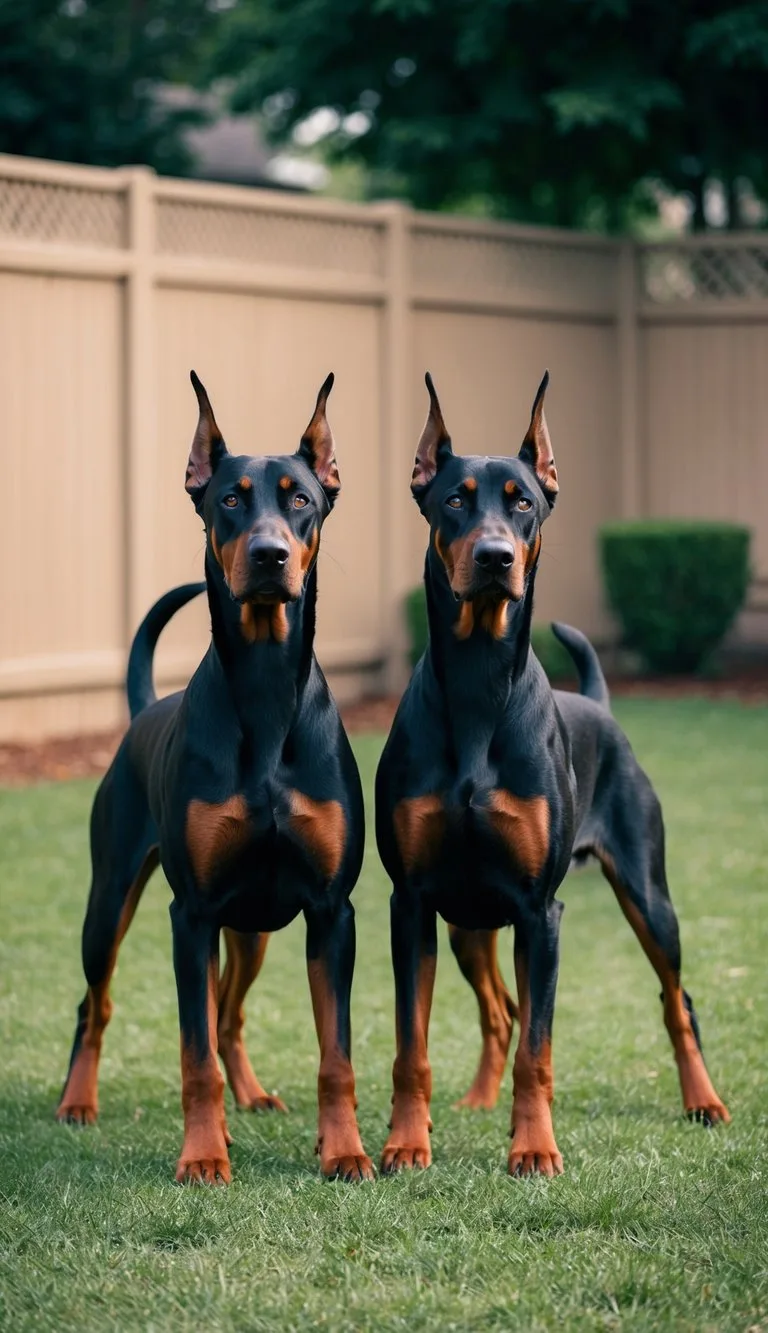
Image source: Bing (Web (fair-use with source credit))
Dogo Argentino: The Powerful Hunter-Turned-Guardian
The Dogo Argentino is a large, muscular breed weighing 80 to 100 pounds, originally developed in Argentina for big-game hunting. Think wild boar and puma. That requires immense strength, courage, and a high prey drive.
These are working dogs that need an experienced handler and a secure, fenced property.
They have a striking, all-white coat and a powerful build that commands attention. But here's what you need to know: Dogo Argentinos can be aggressive toward other dogs, particularly dogs of the same sex. Their hunting heritage means they may chase and potentially harm smaller animals.
Early, intensive socialization is essential, and even then, supervision is mandatory.
Breed-specific legislation is a real concern with this breed. Many municipalities and even some countries have restrictions or outright bans on Dogo Argentinos. You need to research local laws, check your homeowners insurance policy, and talk to your landlord before bringing one home.
Getting denied coverage or forced to rehome your dog is a heartbreaking situation that preparation could have avoided.
This breed is absolutely not recommended for first-time owners or anyone with a busy social calendar that involves lots of visitors. They're devoted to their families, but they see the world through a protective lens.
Dogue de Bordeaux: The Gentle Giant
The Dogue de Bordeaux, sometimes called the French Mastiff, is the heaviest of the D-breeds, tipping the scales at 100 to 150 pounds. Despite their intimidating size, they're known for being remarkably gentle and affectionate with their families, including children. They're often described as "gentle giants."
But that size comes with real practical challenges. They drool. A lot.
You'll want to keep a towel handy and probably invest in a washable couch cover. They're also prone to heat exhaustion because their flat faces make it hard to regulate body temperature efficiently.
Their lifespan is heartbreakingly short, typically just 5 to 8 years. They also have a high incidence of hip dysplasia, bloat, and certain heart conditions. These health issues mean you should expect significant veterinary expenses over the dog's life.
Dogue de Bordeaux need a home with space, a secure yard, and an owner who can handle a dog that outweighs most adults. They're not high-energy, but they do need daily walks to maintain joint health and prevent obesity. If you have the space and the budget for their care, they're incredibly rewarding companions.
The High-Drive Specialists: D-Breeds for Experienced Owners
This category is for people who want a dog that can run a marathon, track a scent for hours, or help with real work. These breeds don't fit easily into typical pet homes. They need jobs, extensive exercise, and a handler who can channel their intensity productively.
Dutch Shepherd: The Athlete's Dog
The Dutch Shepherd looks similar to a Belgian Malinois but is generally considered slightly more trainable and less prone to extreme drive. Still, this is an athletic, intelligent herd dog with a significant exercise requirement. They typically weigh 42 to 75 pounds and have a distinctive brindle coat.
These dogs excel at dog sports such as bite work, agility, dock diving, and obedience. They're often used as police and military dogs because of their intense work ethic. If you're looking for a running partner and training companion, the Dutch Shepherd can't be beaten.
If you want a dog to nap next to while you watch TV, choose something else.
They need at least one to two hours of hard exercise daily, and that's just the baseline. Mental stimulation is equally important. Without it, they tend to develop destructive behaviors like chewing, digging, and excessive barking.
The Dutch Shepherd is also prone to a genetic condition called degenerative myelopathy, which affects the spinal cord. The Orthopedic Foundation for Animals maintains a database for screening breeding stock. Responsible breeders test for this and other hereditary conditions.
Deutsche Bracke and Drever: The Scent Hounds
I'm grouping these two because they're similar in purpose and are mainly found in specific regions. The Deutsche Bracke, or German Hound, is used by German hunters for tracking wounded game. The Drever is the Swedish version, a shorter-legged hound that works similarly in harsh terrain.
Both breeds are vocal, tenacious, and driven entirely by their noses. They weigh around 30 to 35 pounds, making them medium-sized dogs. They're friendly and good-natured with people, but they aren't typical companions.
Their instinct to follow a scent trail can override anything else you've trained them to do.
These aren't breeds you'll easily find at your local shelter or with a nearby breeder. They're primarily owned by hunters in their native countries. If you're looking for a family pet, these aren't practical options.
If you're a hunter interested in a specialized tracking dog, they might be exactly what you need.
Drentsche Patrijshond: The Versatile Hunter
The Drentsche Patrijshond, also known as the Dutch Partridge Dog, is a versatile hunting breed from the Netherlands. They're known for being excellent pointers and retrievers, and they have a calm, steady temperament that makes them pleasant family companions between hunting seasons.
They weigh 44 to 66 pounds and have a medium-length coat that needs brushing a few times a week. They're intelligent and trainable, though they do best with gentle, consistent methods rather than harsh correction.
Like the foundation breeds we discussed earlier, they have strong instincts for bird hunting. But they're more adaptable to family life than some other working breeds, provided they get adequate exercise and mental enrichment. They're a rare breed outside Europe, so finding one may require patience and a willingness to travel.
Side-by-Side Comparison: D-Breeds at a Glance
Let's cut through the descriptions and get down to numbers. This comparison table shows the essentials at a glance. Use it as your first filter.
| Breed | Weight | Lifespan | Energy Level | Best For |
|---|---|---|---|---|
| Dachshund | 8–32 lbs | 12–16 years | Moderate | Apartments, seniors |
| Dalmatian | 45–70 lbs | 11–13 years | High | Active runners |
| Dobermann | 60–100 lbs | 10–12 years | High | Experienced owners |
| Dogo Argentino | 80–100 lbs | 9–15 years | High | Protection work |
| Dogue de Bordeaux | 100–150 lbs | 5–8 years | Low | Large homes, families |
| Dutch Shepherd | 42–75 lbs | 11–15 years | Very High | Dog sports, police work |
| Danish-Swedish Farmdog | 15–25 lbs | 12–15 years | Moderate | Families, agility |
| Drever | 30–35 lbs | 12–14 years | High | Hunters |
| Dandie Dinmont Terrier | 18–24 lbs | 11–15 years | Moderate | Families, apartments |
| Drentsche Patrijshond | 44–66 lbs | 12–14 years | Moderate | Hunters, active families |
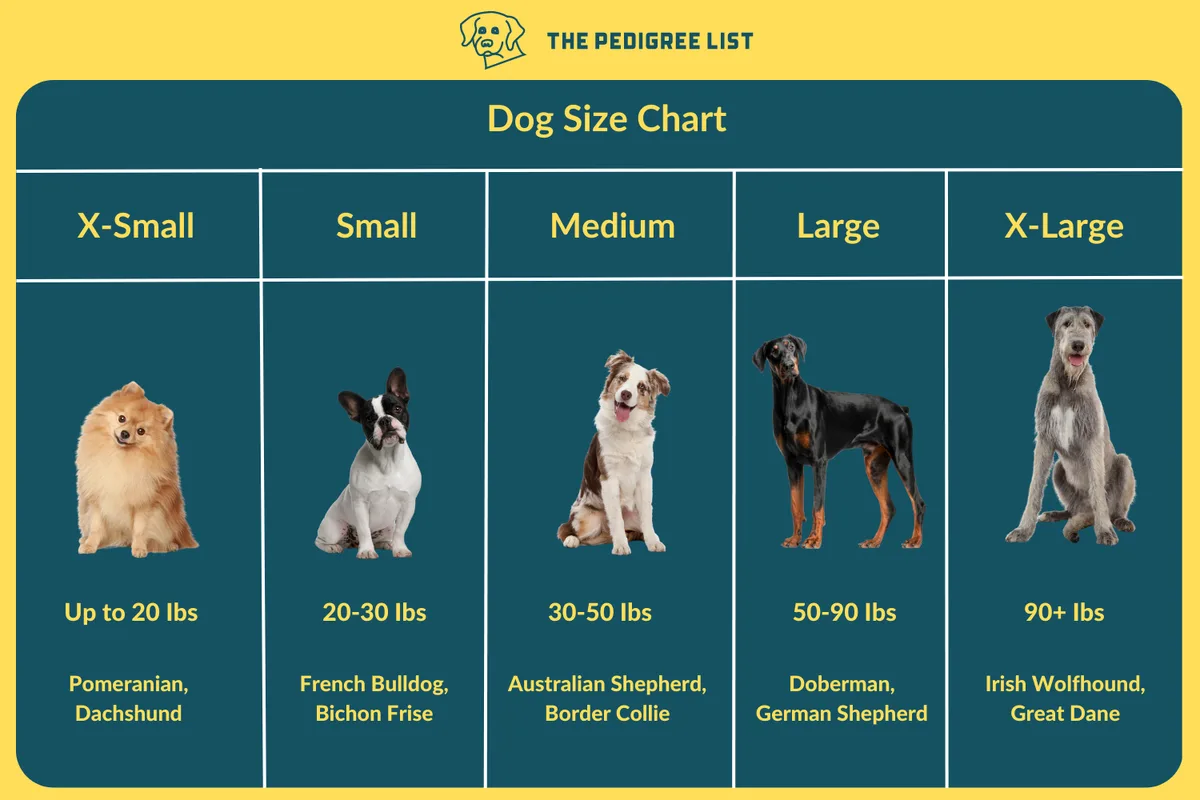
Image source: Web (Bing) / storage.googleapis.com (Web image (fair-use with source credit))
| Breed | Trainability | Prey Drive | Grooming |
|---|---|---|---|
| Dachshund | Stubborn | High | Low–Moderate |
| Dalmatian | Moderate | High | Low |
| Dobermann | Excellent | High | Low |
| Dogo Argentino | Moderate | Very High | Low |
| Dogue de Bordeaux | Moderate | Medium | Low |
| Dutch Shepherd | Excellent | Very High | Moderate |
| Danish-Swedish Farmdog | Excellent | Medium | Low |
| Drever | Moderate | Very High | Low |
| Dandie Dinmont Terrier | Moderate | High | High |
| Drentsche Patrijshond | Good | High | Moderate |
What D-Breed Matches Your Lifestyle?
If you're new to dogs, start with the Dachshund or the Danish-Swedish Farmdog. Both are forgiving, adaptable, and don't require heavy experience to train well.
Families with kids should look at the Dogue de Bordeaux or the Danish-Swedish Farmdog. Both are patient and gentle with children, though the Dogue needs supervision around toddlers purely because of its size.
Apartment dwellers have two realistic options: the Dachshund and the Dandie Dinmont Terrier. Both adapt to smaller spaces, but they still need daily walks and mental stimulation.
Running partners and hikers should consider the Dalmatian or the Dutch Shepherd. These dogs have serious stamina and thrive on vigorous exercise. If you run five miles a day, they'll be your best friend.
Home protection is the Dobermann's territory or the Dogo Argentino's, but only for experienced handlers. If you need a deterrent, these dogs provide it, but they demand leadership, structure, and socialization from day one.
Health Risks and Longevity: What You Need to Know Before Committing
Health issues are where breed selection gets serious. Every D-breed has at least one condition you need to budget for, both financially and emotionally.
Dachshunds face IVDD, or intervertebral disc disease. This condition affects the discs between the vertebrae in the spine. A rupture can cause pain, nerve damage, or even paralysis.
The best prevention is keeping them lean and stopping them from jumping off furniture.
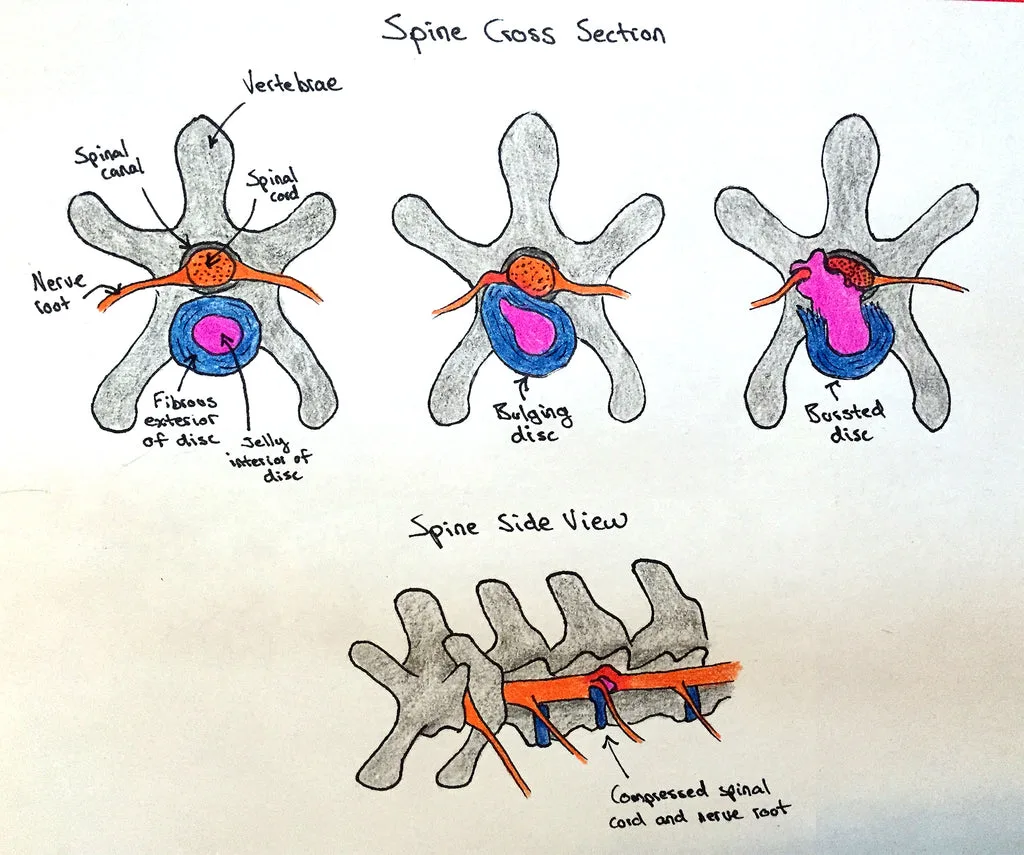
Image source: Web (Bing) / celebritydachshund.com (Web image (fair-use with source credit))
Dalmatians have a unique metabolic quirk. They're prone to forming urate stones in their bladder because they don't process purines normally. A low-purine diet is essential, and some dogs need lifelong medication.
Dobermanns carry a genetic risk for dilated cardiomyopathy, a heart condition that can be fatal. The Orthopedic Foundation for Animals tracks screening results for responsible breeders. Ask for cardiac testing records before committing to a puppy.
Dogue de Bordeaux owners deal with bloat, hip dysplasia, and a short lifespan. Bloat, or gastric dilatation volvulus, is a medical emergency where the stomach twists. Preventive gastropexy surgery is often recommended.
Budget accordingly.
The Real Cost of Owning a D-Breed
Initial purchase price is just the down payment. Here's the breakdown of what you'll actually spend.
| Expense | Small D-Breeds | Large D-Breeds |
|---|---|---|
| Purchase price | $1,500–$3,000 | $2,000–$4,000 |
| Annual food | $300–$500 | $700–$1,200 |
| Annual vet care | $300–$600 | $500–$1,000 |
| Grooming supplies | $100–$200 | $100–$200 |
| Emergency fund | $1,000+ | $2,000+ |
Those numbers assume healthy dogs. Breed-specific conditions like IVDD surgery costs $3,000 to $8,000. Bloat surgery runs similar.
Heart medications for a Dobermann can eat $100 per month. You don't need to be rich to own a dog, but you do need a plan.
Mistakes to Avoid When Choosing a D-Breed
The biggest mistake is picking based on looks. A Dalmatian looks stunning, but that spotted coat comes with 90 minutes of daily exercise and potential deafness. We've covered the health concerns already.
Now let's talk about the behavioral pitfalls.
Underestimating guardian breeds is another common error. Dobermanns, Dogos, and Dogue de Bordeaux all have protective instincts. Without proper socialization, those instincts turn into reactivity toward strangers and other dogs.
Skipping health screenings is a costly shortcut. Breeders who don't test for IVDD, cardiac issues, or hip dysplasia are offloading risk onto you. Rescue organizations may not have complete histories, so budget for a full veterinary exam and possibly a specialist consult.
Finally, ignoring breed-specific legislation can break your heart. Dobermanns and Dogo Argentinos face restrictions in many municipalities. Check local laws and your insurance policy before bringing one home.
A dog you can't legally keep is a dog you'll have to rehome. That's not a situation anyone wants.
Breed-Specific Legislation and Insurance Concerns
Before you fall in love with a specific dog, check your local laws. Dobermanns and Dogo Argentinos face restrictions in many municipalities. Some areas require special permits, mandatory muzzling in public, or higher liability insurance.
Other cities ban these breeds outright.
Homeowners insurance is another hurdle. Many major carriers exclude certain breeds, including Dobermanns and Dogue de Bordeaux. If your policy doesn't cover your dog, a single incident could leave you financially exposed.
Call your insurer before you commit.
Real-Life Perspective: What Owners Wish They Knew
Aggregate owner feedback across forums and breed communities reveals a few consistent regrets. Dachshund owners wish they'd installed ramps before the IVDD diagnosis, not after. Dobermann owners wish they'd understood the intensity of their dog's need for constant companionship.
Dogue de Bordeaux owners share one universal warning: the drool. It's on walls, ceilings, and visitors. It's manageable, but it's constant.
And the short lifespan means saying goodbye far sooner than you're ready for.
FAQs About D-Breeds
Are there any hypoallergenic dog breeds starting with D?
No D-breed is truly hypoallergenic. The Dandie Dinmont Terrier is the closest option, since it has a wiry coat that sheds less. But any dog with skin produces dander.
If allergies are a concern, spend time with the breed before committing.
What's the rarest D-breed?
The Dandie Dinmont Terrier and the Drentsche Patrijshond are both critically rare. The Dandie is listed as a vulnerable native breed. Finding either one requires patience and often a spot on a breeder's waiting list.
Which D-breed lives the longest?
The Dachshund leads the pack with a typical lifespan of 12 to 16 years. Miniature Dachshunds often reach the higher end of that range. The Danish-Swedish Farmdog follows closely at 12 to 15 years.
Are Dobermanns good family dogs?
Yes, with proper training and socialization. They're loyal and affectionate with their families, including children. But their size and protective instincts mean they need an experienced handler.
They're not the right choice for a first-time owner.
Can Dalmatians live in apartments?
Only with serious commitment. Dalmatians need 90 minutes of daily exercise. A bored Dalmatian in an apartment will chew, bark, and destroy furniture.
If you skip the exercise, apartment living becomes miserable for everyone.
Final Verdict: How to Choose Your D-Breed in 5 Steps
Step 1: Assess your experience level honestly. If you're a first-time owner, skip working breeds like the Dobermann and Dogo Argentino. Start with a Dachshund or Danish-Swedish Farmdog.
Step 2: Match energy levels to your real routine. Be honest about how much time you actually have. A Dalmatian won't adapt to a sedentary lifestyle.
Step 3: Calculate the full lifetime cost. Use the tables above. Budget for food, vet care, grooming, and an emergency fund for breed-specific conditions.
Step 4: Meet the breed in person. Visit a breeder or rescue and spend time with adults, not just puppies. Adult temperament reveals what that adorable puppy will become.
Step 5: Check local laws and insurance terms. Confirmed restrictions before you commit. It's heartbreaking to rehome a dog because you didn't check.
Next Steps: Where to Find Your D-Breed
Your first option is a rescue organization. Dachshund and Dobermann rescues exist nationally, and Dalmatian rescues are common too. Adoption fees range from $200 to $500.
Many rescues provide valuable information about the dog's temperament and history.
If you're set on a puppy, find a breeder who performs health screenings. For Dachshunds, ask about IVDD screening in the lineage. For Dobermanns, request cardiac and thyroid clearances.
For Dalmatians, ask about BAER hearing testing.
For rare breeds like the Dandie Dinmont Terrier or Drentsche Patrijshond, you'll likely need to join national breed clubs and join waitlists. Patience is part of the process. Choose carefully, prepare thoroughly, and you'll have a loyal companion for years to come.