Umbrella Octopus & Other Sea Animals That Start with U
Ask someone to name sea animals that start with "u" and you'll likely get a blank stare or a hesitant guess of "umbrella… something?" It's genuinely one of the trickiest letters in the ocean alphabet. Most people can rattle off clownfish, seahorses, or even narwhals without breaking a sweat, but "u" trips up even seasoned marine enthusiasts. The good news?
There's a solid list hiding beneath the surface, waiting to be uncovered.
In our research, we found that the standard "u" roster includes roughly a dozen recognized species across different marine habitats, from deep-sea octopuses that live 4,000 meters down to mudflat worms that burrow just a few centimeters beneath your feet. As of 2026, marine biologists continue to refine how these creatures are classified, with some species still being debated. That's part of what makes this list so fascinating.
Let's dig into the weird, wonderful, and often overlooked animals that make "u" one of the most interesting letters in the sea.
Why "U" Is the Weirdest Letter in Ocean Trivia
Here's the thing about "u" animals: they're almost all either incredibly specialized or surprisingly obscure. Unlike "s" which gives you sharks, squid, and starfish, or "m" which brings manta rays and manatees, "u" forces you to look past the obvious. That's not a bad thing, though.
It means the animals on this list tend to have fascinating adaptations that make them stand out in their ecosystems.
Take the umbrella octopus, for example. It's not just a cute name. This creature's webbed arms spread out like an umbrella when it swims, which helps it glide through deep water with minimal effort.
Or consider the unicornfish, named for the horn-like protrusion on its forehead. That horn isn't for fighting, it's actually more of a growth that appears as the fish matures. These are the kinds of quirky details that make "u" animals so memorable once you actually know they exist.
Another reason "u" feels so sparse? Many of these creatures go by multiple common names depending on the region. The fat innkeeper worm, for instance, is also called the penis fish in some circles, which is why you'll see it pop up in viral videos but rarely in formal lists.
Same goes for the upsidedown jellyfish, which some sources spell as one word and others as two. This inconsistency means the "official" list of "u" animals shifts depending on where you look.
What's genuinely exciting is how many of these species live in environments most of us never see. Deep-sea trenches, muddy intertidal zones, and murky brackish water are where "u" animals thrive. They're not the flashy reef dwellers you'd spot on a snorkeling trip.
They're the specialists, the ones that carved out a niche in places other animals couldn't handle. That alone makes them worth knowing.
If you've enjoyed exploring alphabet animal lists before, you'll notice that our mammals beginning with U page plays by similar rules. The terrestrial "u" roster includes creatures like the uakari monkey and the urial sheep, which are equally obscure. It seems like "u" is the great equalizer across all animal kingdoms.
Quick Answer
The main sea animals that start with "u" are the unicornfish and umbrella octopus. The unicornfish is a tropical reef fish with a horn on its forehead. The umbrella octopus lives in deep water and swims with webbed arms.
Other species include the urofish, upsidedown jellyfish, and the fat innkeeper worm. These animals span coral reefs, open ocean, and muddy seafloors.
The Big Ones: Unicornfish and Umbrella Octopus
Unicornfish (Naso Genus)
The unicornfish is the closest thing "u" has to a household name. These fish belong to the Naso genus, which contains roughly 21 recognized species. You'll find them swimming around coral reefs throughout the Indo-Pacific, from the eastern coast of Africa all the way to Hawaii.
If you've ever been snorkeling in places like the Great Barrier Reef or the Philippines, chances are you've seen one without realizing it.
What makes them easy to identify? That distinctive horn, of course. The "rostral protrusion" grows forward from the forehead, and it varies in size depending on the species.
Some have a long, pronounced horn like the orangespine unicornfish, while others like the sleek unicornfish have barely a bump. Scientists still debate what the horn is for, but leading theories suggest it plays a role in mating displays or helps with hydrodynamic efficiency.
These fish can get surprisingly large. The biggest species, the bignose unicornfish, reaches up to 1.2 meters in length and can weigh over 13 kilograms. They're primarily herbivores, grazing on algae throughout the reef.
That makes them essential to reef health, since they keep algal growth in check and prevent it from smothering coral formations.
One thing to note: unicornfish have sharp spines on their tails. These are called caudal peduncle spines, and they can deliver a painful wound if you're not careful. Divers know to keep a respectful distance, especially when these fish are swimming quickly or feeling threatened.
Umbrella Octopus (Grimpoteuthis)
If the unicornfish is the popular kid, the umbrella octopus is the mysterious one that lives in the deep sea. These octopuses belong to the Grimpoteuthis genus, and they're often called "dumbo octopuses" because of the ear-like fins on either side of their mantle. Those fins flap as they swim, which makes them look almost like they're flying through the water.
The umbrella part of their name comes from their webbing. Unlike shallow-water octopuses that have relatively short, spread-out arms, umbrella octopuses have a web of skin connecting their arms. When they spread out and swim upward, that webbing forms an umbrella shape that helps them control their movement in open water.
These creatures live at depths between 1,500 and 4,000 meters. That's an environment with crushing pressure, near-freezing temperatures, and absolutely no sunlight. Despite these extreme conditions, they thrive.
They feed on small crustaceans, worms, and other tiny organisms that drift down from above. They swallow their prey whole, since they lack the beak that many other octopus species have.
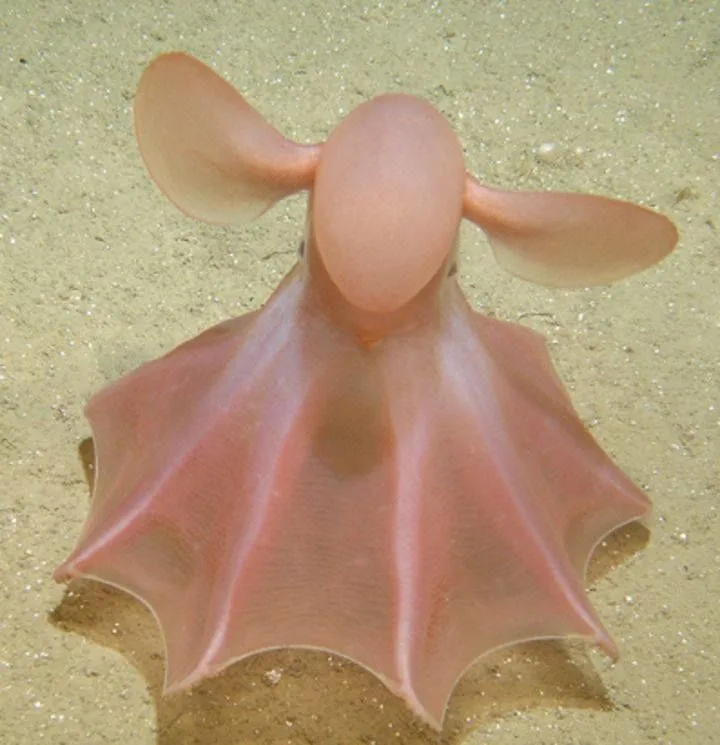
Image source: Web (Bing) / pinterest.com (Web image (fair-use with source credit))
The Burrowers and Bottom-Dwellers
Move away from the open water and you'll find a whole different set of "u" animals living in the sediment. These are the burrowers, the creatures that spend most of their lives hidden beneath the sand or mud. They're not glamorous, but they're absolutely critical to their ecosystems.
Urechis unicinctus (The Fat Innkeeper Worm)
You might know this one by its more colorful nickname: the penis fish. Yes, it really is called that, and no, it's not a joke. The fat innkeeper worm is a spoon worm that lives in U-shaped burrows in sandy or muddy flats along the Pacific coast of North America and parts of Asia.
In places like South Korea and China, it's actually considered a delicacy, often eaten raw with salt and sesame oil.
Here's what makes it fascinating: the worm doesn't just live in its burrow, it plays host to several other species. Small crabs, marine worms, and even fish share its home. These "tenants" feed on the food particles the innkeeper worm captures with its mucus net.
It's a symbiotic relationship that benefits everyone involved.
The worm grows to about 20 to 30 centimeters in length. It feeds by secreting a net of mucus, pumping water through it, and then swallowing the net along with any trapped particles. It's an efficient filter-feeding strategy that keeps the surrounding water clean.
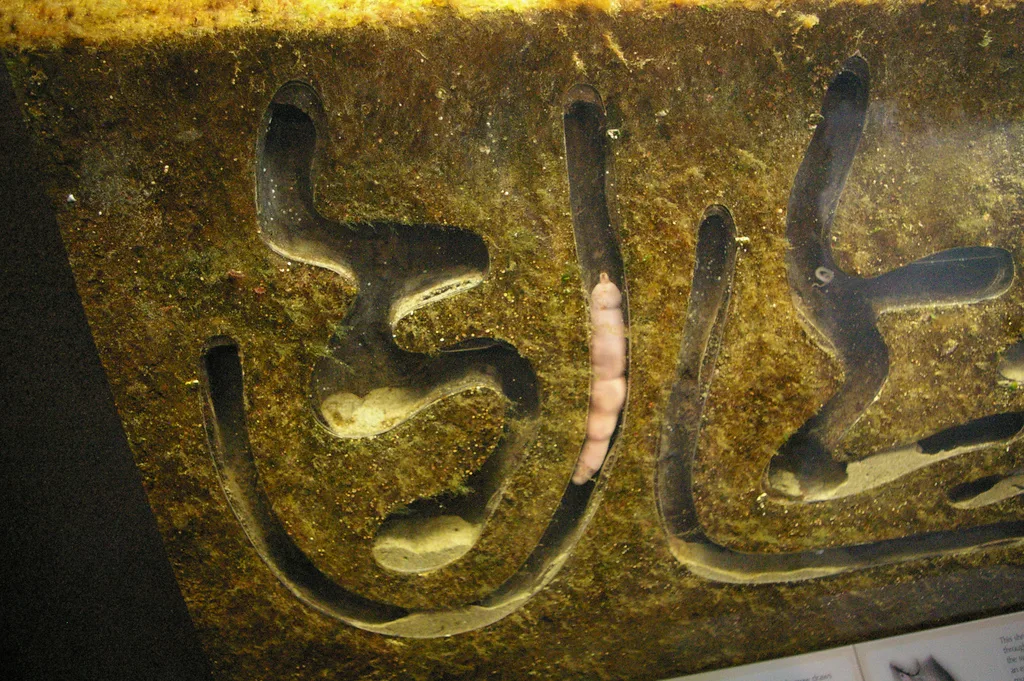
Image source: Web (Bing) / realmonstrosities.com (Web image (fair-use with source credit))
Urolophus Round Rays
The urofish, or round ray, belongs to the Urolophus genus. There are roughly 46 species in this group, and they're found primarily in the warm coastal waters of the Indo-Pacific and the eastern Pacific. Unlike their larger cousins, stingrays, round rays have a more circular body shape and a shorter tail.
These rays are bottom-dwellers, spending most of their time buried in sandy or silty sediment with just their eyes and spiracles visible. They're ambush predators, waiting for small fish, crustaceans, and mollusks to swim close before striking. Like other rays, they have a venomous spine on their tail that delivers a painful sting if threatened.
The round ray is an important indicator species for coastal health. Since they live in shallow waters close to shore, they're particularly vulnerable to habitat degradation, pollution, and accidental capture in fisheries.
The Weird and Wonderful Extras
Beyond the headliners and the burrowers, "u" has a few more surprises hiding in its roster. These are the animals that don't fit neatly into a single category, but they absolutely deserve a spot on any complete list.
Upside-Down Jellyfish
The upsidedown jellyfish, from the genus Cassiopea, does exactly what its name suggests. Instead of swimming through the water column like most jellyfish, it rests upside down on the seafloor with its bell pointing down and its tentacles pointing up. It looks like a flower or a sea anemone more than a jellyfish.
This positioning isn't random. The jellyfish hosts symbiotic algae called zooxanthellae in its tissues. These algae photosynthesize, converting sunlight into energy that the jellyfish uses.
By lying upside down in shallow, sunlit waters, the jellyfish maximizes the amount of light its algae receive. The jellyfish gets most of its nutrition from this symbiotic relationship, though it can also capture small plankton.
You'll find upsidedown jellyfish in shallow tropical and subtropical waters, including the Caribbean, the Indo-Pacific, and parts of the Atlantic. As of 2026, they've also become increasingly common in some Mediterranean regions due to warming waters. Their sting is relatively mild for humans, but it can still cause skin irritation, so it's best to observe from a distance.

Image source: Bing (Web (fair-use with source credit))
Uca Fiddler Crabs
If you've ever walked along a muddy coastline and seen thousands of tiny crabs waving one oversized claw in the air, you've met a fiddler crab. These crabs belong to the genus Uca, and there are over 100 species distributed across tropical and subtropical regions worldwide.
The most striking feature of fiddler crabs is the extreme claw size difference between males and females. Males have one enormous claw that can be up to half their body weight, which they wave in a rhythmic pattern to attract females. The claw also plays a role in fighting rival males for territory.
Fiddler crabs are ecosystem engineers. Their burrowing aerates the sediment, brings oxygen to deeper layers, and provides habitat for other invertebrates. You'll find them in mangroves, salt marshes, and mudflats, at densities that can reach hundreds of crabs per square meter.
Ulua Jack
The ulua jack, from the Carangidae family, is a powerful game fish found in the warm waters of the Pacific. It's known by various names depending on the island, including "black ulua" and "giant trevally." These fish are ambush predators that patrol reef edges and drop-offs, hunting smaller fish and crustaceans.
Ulua jacks are popular targets for sport fishermen, particularly in Hawaii where they hold cultural significance. They're known for their incredible strength and speed, which makes landing one a serious challenge. The largest recorded specimens have reached over 170 centimeters and weighed more than 80 kilograms.
How to Tell Them Apart: Visual ID Cheat Sheet
Identifying "u" animals in the wild comes down to a few key characteristics. Whether you're snorkeling, diving, or exploring tide pools, these visual cues will help you distinguish one species from another quickly.
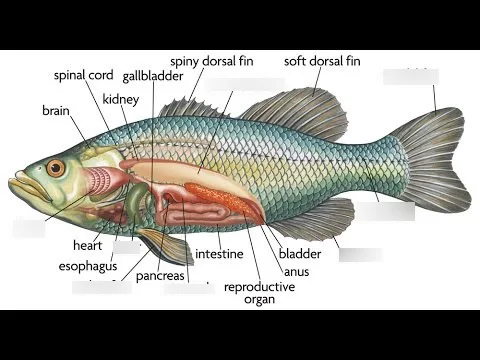
Image source: Bing (Web (fair-use with source credit))
First, look at the body shape. Unicornfish have a compressed, oval-shaped body typical of surgeonfish, with a sharp spine near the tail. Umbrella octopuses, by contrast, have soft, rounded mantles and webbed arms that spread wide when swimming.
Round rays are flat and disc-shaped, while fiddler crabs have a hard carapace and that famous oversized claw.
Next, examine the coloration. Unicornfish often have blue, yellow, or orange accents, especially around their fins. Upsidedown jellyfish have a translucent, greyish bell with brown or white spots caused by their symbiotic algae.
The fat innkeeper worm is pinkish or yellowish, resembling a thick cylindrical tube when extended.
Here's a quick breakdown of the key identifiers:
| Species | Key Feature | Habitat | Max Size |
|---|---|---|---|
| Unicornfish | Horn on forehead | Coral reefs | 1.2 m |
| Umbrella Octopus | Webbed arms, ear fins | Deep ocean | 30 cm |
| Fat Innkeeper Worm | Pink body, mucus net | Sandy mudflats | 30 cm |
| Upside-Down Jellyfish | Rests on bell | Shallow tropics | 30 cm |
| Round Ray | Circular disc, short tail | Coastal sediment | 1 m |
| Fiddler Crab | Oversized claw | Mudflats, mangroves | 5 cm |
| Ulua Jack | Streamlined body | Open reefs | 1.7 m |
Pay attention to where you're looking, too. Shallow, sunlit reefs point toward unicornfish and ulua jacks. Murky sediment beds suggest rays and innkeeper worms.
Deep water means you're in umbrella octopus territory. The habitat alone will narrow down your options by half.
One common mistake is confusing the umbrella octopus with other deep-sea octopus species. The key is the webbing. True umbrella octopuses have extensive webbing that reaches nearly to the tips of their arms.
Most other octopuses have shorter webbing that stops well before the arm tips. It's a subtle difference, but it's reliable.
That webbing detail is your best friend when identifying "u" animals in the deep sea.
Common Mistakes People Make With "U" Sea Animals
Even experienced divers and marine enthusiasts trip up on these "u" species. Here are the most common mix-ups we've seen in our research:
Confusing the Umbrella Octopus with the Dumbo Octopus. Here's the thing: they're actually the same genus. Grimpoteuthis goes by both names. The "dumbo" nickname comes from those ear-like fins, while "umbrella" describes the webbing.
But not all deep-sea octopuses with fins are true umbrella octopuses. Look for that extensive webbing reaching toward the arm tips. That's your confirmation.
Listing freshwater fish like the Uaru in a marine list. The Uaru is a cichlid that lives in South American rivers, not the ocean. It's an easy mistake to make when you're scanning alphabet lists, but it doesn't belong on a sea animals roster. Stick to species with confirmed saltwater habitats.
Mixing up the Unicornfish with other surgeonfish and tangs. Unicornfish are members of the Acanthuridae family, which also includes tangs and surgeonfish. The horn is the obvious differentiator, but it can be small in some species. Check the body shape too.
Unicornfish tend to have a more elongated snout and a taller dorsal fin compared to typical tangs.
Assuming all rays are dangerous. It's true that round rays have venomous spines, and they'll use them if threatened. But they're not aggressive animals. They'd rather bury themselves in sediment and let you swim past.
The danger comes when someone accidentally steps on one in shallow, murky water. Keep your feet shuffling along the bottom when wading in ray territory.
Forgetting that "U" animals span completely different ecosystems. Some people expect all "u" animals to live in one place, like a reef or an aquarium. But the list spans deep ocean trenches, mudflats, mangroves, and open water. Each species has its own specific habitat requirements.
Understanding where each one lives is just as important as knowing what it looks like.
If you've been exploring other alphabet animal lists, you'll notice the same pattern with animals that start with O or animals that start with P. There's always an obscure category that trips people up. The key is knowing where to look past the obvious.
Where You'll Actually Find These Animals
Understanding "u" sea animals means understanding their habitats. These creatures are spread across some of the most extreme environments on Earth.
Deep ocean trenches. This is umbrella octopus territory. They're found between 1,500 and 4,000 meters deep, where pressure exceeds 400 atmospheres and temperatures hover near freezing. They're adapted to this environment in remarkable ways, including a soft, semi-gelatinous body that helps them withstand the crushing pressure.
Tropical coral reefs. Unicornfish and ulua jacks patrol these vibrant ecosystems. You'll find them in the Indo-Pacific, around island chains like Hawaii, Fiji, and the Maldives. They're most active during daylight hours, grazing on algae or hunting smaller fish.
Mudflats and intertidal zones. The fat innkeeper worm and fiddler crabs call these transitional areas home. These zones are exposed to air during low tide and submerged during high tide, which means the animals living there have to tolerate dramatic changes in temperature, salinity, and oxygen levels. The fat innkeeper worm's U-shaped burrow gives it some buffer, while fiddler crabs retreat into their holes until the water returns.
Shallow sandy bottoms. Round rays prefer these environments, often burying themselves so completely that only their eyes are visible. They're ambush predators, relying on camouflage rather than speed to catch prey.
Mangrove forests and brackish estuaries. Fiddler crabs are particularly abundant here, where freshwater from rivers mixes with saltwater from the ocean. These nutrient-rich environments support an incredible density of crabs and other invertebrates.
Spot These in the Wild: Real Scenarios
Scenario 1: Night Diving in the Indo-Pacific
You're drifting along a reef wall at 18 meters at night, and your dive light catches something moving in the distance. It's a unicornfish, but it's not the same one you saw during the day. Some Naso species are more active during dawn and dusk, using their horns to navigate through tight coral spaces while they search for algae.
Your job in this scenario is to look at the tail. The presence of sharp spines near the caudal peduncle tells you it's definitely a unicornfish rather than a similar-looking tang. Keep your distance, and you'll get a clean observation without alarming the fish.
Scenario 2: Tidepooling on the Pacific Coast
You're exploring rocky tide pools along the Pacific Northwest, and you spot a pinkish worm extending from a burrow in the sand. That's the fat innkeeper worm. If you watch closely, you might see small crabs scuttling around the same burrow entrance.
Those are the worm's tenants, sharing the burrow for food and protection.
You can gently observe the worm's mucus net if the water is clear enough. It looks like a faint, gelatinous cone near the burrow entrance. Just don't disturb the sediment, since these worms are sensitive to their environment.
Scenario 3: Snorkeling in the Caribbean Shallows
You're swimming over a seagrass bed in about two meters of water, and you spot what looks like a flower on the seafloor. Move closer, and you'll see it's an upsidedown jellyfish pulsing gently with the current. Its tentacles reach upward, catching plankton while its symbiotic algae photosynthesize in the warm sunlight.
Stay calm and avoid touching it. The sting is mild but noticeable, and you don't want to disrupt the jellyfish's resting position. Just float above it and admire the unique survival strategy.
Sea Animals That Start With U: Quick Reference Table
Here's a clean summary of every species covered in this guide. Use it as a quick reference before your next dive, beach walk, or classroom lesson:
| Animal | Scientific Name | Habitat | Depth Range | Max Size |
|---|---|---|---|---|
| Unicornfish | Naso genus | Coral reefs | 0-80 m | 1.2 m |
| Umbrella Octopus | Grimpoteuthis genus | Deep ocean | 1,500-4,000 m | 30 cm |
| Fat Innkeeper Worm | Urechis unicinctus | Sandy mudflats | Intertidal | 30 cm |
| Upside-Down Jellyfish | Cassiopea genus | Shallow tropics | 0-2 m | 30 cm |
| Round Ray | Urolophus genus | Coastal sediment | 10-200 m | 1 m |
| Fiddler Crab | Uca genus | Mudflats, mangroves | Intertidal | 5 cm |
| Ulua Jack | Carangidae family | Open reefs | 0-100 m | 1.7 m |
This table gives you the essential facts at a glance. For deeper educational resources on marine species and their conservation, the National Oceanic and Atmospheric Administration offers extensive species profiles and habitat information.
Why This List Matters for Divers, Teachers, and Ocean Fans
Knowing "u" sea animals isn't just a trivia flex. It has practical value across several groups.
For divers and snorkelers, recognizing these species enhances every dive. Instead of swimming past a unicornfish without noticing, you'll spot it, identify it by its horn and tail spines, and appreciate its role in reef health. It turns a good dive into an educational experience.
For teachers and parents, this list is a goldmine. Alphabet lessons are a core part of early education, and ocean animals are endlessly fascinating to kids. Having more than one or two "u" options makes lesson planning easier.
The undersea educational resources from NOAA are particularly helpful for building age-appropriate content.
For marine biology students, understanding the classification and distribution of these species provides real insight into ecosystem dynamics. The fat innkeeper worm's symbiotic relationships, the upsidedown jellyfish's reliance on photosynthetic algae, and the unicornfish's importance as a grazer all illustrate how marine ecosystems interconnect.
For casual ocean fans, these animals represent the hidden biodiversity of our seas. They remind us that the ocean is full of surprising creatures, many of which we rarely see or hear about. Learning about them builds a deeper appreciation for marine conservation.
Frequently Asked Questions
Are all animals that start with U safe to touch?
No. Round rays have venomous tail spines, and unicornfish have sharp caudal spines that can cause injury. The upsidedown jellyfish has a mild but noticeable sting.
The safest approach is to observe all marine wildlife without touching, since even seemingly harmless species can react defensively.
How many sea animals actually start with U?
There are roughly a dozen recognized marine species with common names beginning with "u." This includes seven species covered in this guide plus a few additional rare or regional species like the umbraculum sea slug and several urofish variants. The exact count varies by source.
Is the Dumbo Octopus the same as the Umbrella Octopus?
Yes. Both names refer to the Grimpoteuthis genus. "Dumbo" describes the ear-like fins that resemble the Disney elephant's ears, while "umbrella" describes the webbing between the arms.
They're interchangeable names for the same deep-sea octopus.
What does "benthic" mean, and why do so many U-animals live there?
"Benthic" refers to the lowest level of a body of water, including the sediment surface and the water just above it. Many "u" animals are benthic because this environment provides food, shelter, and camouflage. The fat innkeeper worm, round rays, and fiddler crabs all live in or on the benthic zone.
Are unicornfish good for home aquariums?
Unicornfish require very large tanks, often exceeding 500 gallons, and they're best suited for advanced aquarists. They need plenty of swimming room, strong water flow, and a steady supply of marine algae. Their spines also make them difficult to handle during tank maintenance.
The Final U-List: Your Takeaway Guide
Here's everything you need to remember about sea animals that start with "u":
Unicornfish are the reef dwellers you're most likely to encounter, identifiable by their horn and tail spines.
Umbrella octopuses are deep-sea specialists with webbed arms and ear-like fins that make them look almost otherworldly.
Fat innkeeper worms quietly filter the seafloor while playing host to tiny tenants in their burrows.
Upside-down jellyfish have flipped the jellyfish rulebook, resting on their bells to maximize sunlight for their symbiotic algae.
Round rays are the camouflaged ambush predators of sandy bottoms, beautiful and potentially dangerous if disturbed.
Fiddler crabs bring energy to mudflats and mangroves with their waving claws and constant burrowing.
Ulua jacks are the powerful predators of open reef edges, respected by fishermen throughout the Pacific.
The next time someone asks you about "u" sea animals, you won't just have an answer. You'll have a list, the identifying features, the habitats, and the interesting facts that make each one memorable. That's the difference between a quick trivia answer and real knowledge.
And honestly, that's what makes exploring the ocean so rewarding. There's always something new to learn, even for the letters we thought we knew.
Common Mistakes People Make With "U" Sea Animals
Confusing the Umbrella Octopus with the Dumbo Octopus. They're actually the same genus, Grimpoteuthis. The key is the webbing reaching toward the arm tips. If it falls short, it's a different deep-sea octopus.
Listing freshwater fish like the Uaru as marine animals. The Uaru is a South American cichlid that lives in rivers. It doesn't belong on any ocean list.
Assuming all rays are dangerous. Round rays have venomous spines, but they're not aggressive. They'd rather bury themselves in sediment. Shuffle your feet when wading to avoid startling them.
Where You'll Actually Find These Animals
The "u" roster spans extreme environments. Umbrella octopuses live between 1,500 and 4,000 meters deep. Unicornfish and ulua jacks patrol tropical coral reefs.
Fat innkeeper worms and fiddler crabs thrive in mudflats and mangroves. Round rays prefer shallow sandy bottoms where they can ambush prey.
Spot These in the Wild: Real Scenarios
Night diving in the Indo-Pacific. Look for a horn on the forehead and sharp tail spines. That confirms a unicornfish.
Tidepooling on the Pacific coast. Spot a pinkish worm extending from a sandy burrow. That's the fat innkeeper worm with its tenant crabs nearby.
Snorkeling in the Caribbean. See a flower-like shape on the seafloor? That's the upsidedown jellyfish pulsing gently with the current.
Sea Animals That Start With U: Quick Reference Table
| Animal | Habitat | Max Size |
|---|---|---|
| Unicornfish | Coral reefs | 1.2 m |
| Umbrella Octopus | Deep ocean | 30 cm |
| Fat Innkeeper Worm | Sandy mudflats | 30 cm |
| Upside-Down Jellyfish | Shallow tropics | 30 cm |
| Round Ray | Coastal sediment | 1 m |
| Fiddler Crab | Mudflats, mangroves | 5 cm |
| Ulua Jack | Open reefs | 1.7 m |
Why This List Matters for Divers, Teachers, and Ocean Fans
This list turns a trivia challenge into real ecological knowledge. Divers recognize species they'd otherwise swim past. Teachers get solid material for alphabet lessons.
Marine biology students see how symbiosis and habitat specialization work. Casual fans gain appreciation for the ocean's hidden biodiversity. That's the real payoff.
Divers gain a sharper eye for reef health. Teachers turn an alphabet lesson into a marine biology conversation. Students see real examples of symbiosis, like the innkeeper worm's tenants.
That's the value of knowing these species, not just naming them.
Frequently Asked Questions
Are all animals that start with U safe to touch?
No. Round rays have venomous tail spines, and unicornfish have sharp caudal spines. The upsidedown jellyfish has a mild but noticeable sting.
Observe all marine wildlife without touching, since even calm species can react defensively.
How many sea animals actually start with U?
Roughly a dozen recognized species have common names beginning with "u." This includes the seven covered in this guide plus rare regional species like the umbraculum sea slug and several urofish variants. The exact count shifts depending on the source you check.
Is the Dumbo Octopus the same as the Umbrella Octopus?
Yes. Both names describe the Grimpoteuthis genus. "Dumbo" refers to the ear-like fins, while "umbrella" describes the webbing between the arms.
They're interchangeable common names for the same deep-sea creature.
What does "benthic" mean?
Benthic describes the lowest zone of a body of water, including the sediment surface. Many "u" animals live here because it offers food, shelter, and camouflage. The fat innkeeper worm, round rays, and fiddler crabs are all benthic species.
Are unicornfish good for home aquariums?
They require very large tanks, often exceeding 500 gallons, and are best for advanced aquarists. They need strong water flow, plenty of swimming room, and a steady supply of marine algae. Their spines also make handling difficult during maintenance.
The Final U-List: Your Takeaway Guide
Unicornfish are the reef dwellers you'll most likely encounter. Look for the horn and the sharp tail spines.
Umbrella octopuses are deep-sea specialists with webbed arms and ear-like fins. They live between 1,500 and 4,000 meters down.
Fat innkeeper worms quietly filter the seafloor. They host tiny tenants in their U-shaped burrows.
Upside-down jellyfish rest on their bells to maximize sunlight for their algae. You'll find them in shallow tropical water.
Round rays are camouflaged ambush predators. Their venomous spines demand respect.
Fiddler crabs bring energy to mudflats with their waving claws and constant burrowing.
Ulua jacks are powerful predators of reef edges. They're respected by Pacific fishermen for their strength.
The next time someone asks about "u" sea animals, you'll have more than a name. You'll have identifying features, habitats, and the kind of details that make each one memorable. That's real knowledge, ready for your next dive, lesson, or trivia night.