Sea Animals That Start with S: Spectacular Species
If you've ever tried to name ocean animals off the top of your head, you know the struggle. You start strong with shark and seal, then suddenly you're stuck. The truth is, the ocean is packed with incredible creatures whose names begin with S, and most people only know a handful of them.
In our research, we found over 60 distinct sea animals that start with s, spanning everything from tiny seahorses to massive whale sharks. As of 2026, marine biologists recognize more than 500 shark species alone, and that's just one family. Let's dive into the full list, organized by type, so you can finally impress your friends with your ocean knowledge.
Start With the Big Picture
Here's the thing about sea animals that start with S. They're not just a random collection of species. They represent nearly every major group of marine life, from fish and mammals to invertebrates and reptiles.
That's what makes this particular letter so fascinating.
You've got apex predators like the great white shark, gentle giants like the whale shark, and tiny but deadly creatures like the stonefish. You've got mammals that breathe air, like seals and sea otters, and fish that never leave the water, like swordfish and salmon. Some live in coral reefs, others roam the open ocean, and a few spend their entire lives in the deep sea.
What's interesting is how many of these animals are culturally significant. Think about how often seahorses appear in art and mythology, or how salmon feature in indigenous traditions across the Pacific Northwest. These aren't just random creatures.
They're deeply woven into human history.
So whether you're a student working on an alphabet project, a teacher planning a marine biology lesson, or just someone who loves the ocean, this guide has you covered. We'll break down the most important species, explain the ones people always confuse, and give you the tools to identify them in the wild.
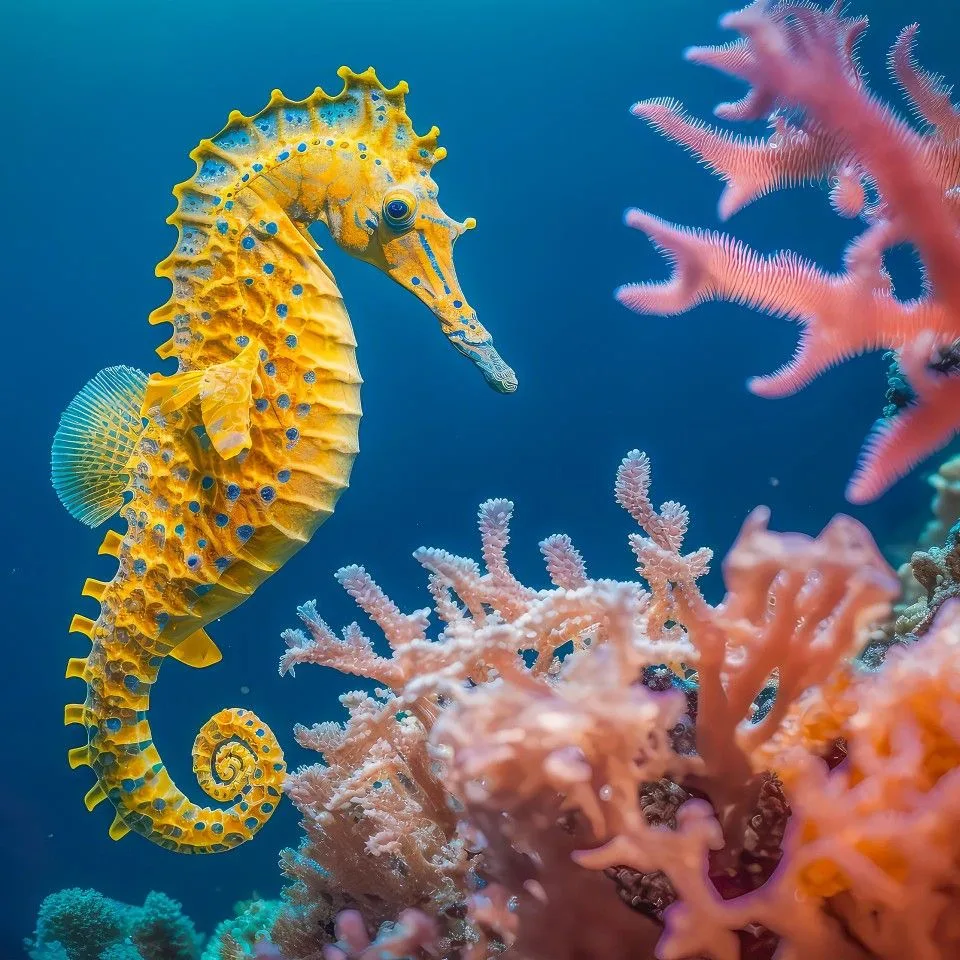
Image source: Web (Bing) / pinterest.com (Web image (fair-use with source credit))
Quick Answer
Sea animals that start with s include sharks, seahorses, stingrays, starfish, squid, seals, sea lions, sea otters, swordfish, salmon, sardines, and sea turtles. The list also features stonefish, sunfish, sawfish, sailfish, snapper, and shrimp. Over 60 notable species begin with this letter.
They span fish, mammals, invertebrates, and reptiles.
The Full A-Z Breakdown: Sea Animals Starting With S, Grouped by Type
The easiest way to wrap your head around this list is to organize it by animal type. That way, you can quickly find what you're looking for, whether it's a fish, a mammal, or something with no backbone at all.
Fish That Start With S
Fish make up the largest category here. Some are famous, some are obscure, but all of them call the ocean home.
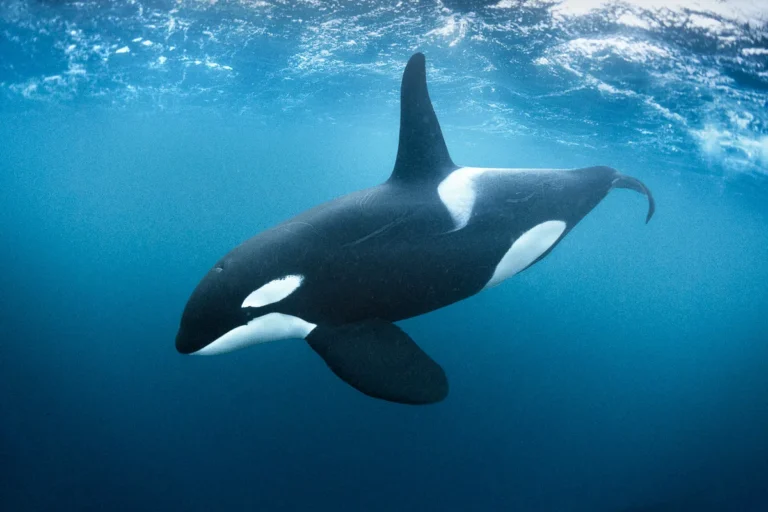
Sharks are the heavyweights of this group. There are over 500 species, ranging from the massive whale shark, which can reach 60 feet long, to the dwarf lanternshark that fits in your hand. Other notable sharks include the great white, hammerhead, and tiger shark.
Swordfish and sailfish are the speedsters. Sailfish are often cited as the fastest fish in the ocean, reaching speeds of up to 68 miles per hour. Swordfish are close behind, and both use their distinctive bills to slash through schools of prey.
Stingrays and sawfish are related to sharks, sharing the same cartilaginous skeleton. Stingrays glide along the ocean floor, while sawfish use their long, saw-like snouts to detect and stun prey. Both are fascinating to watch in the wild.
Other fish in this group include:
- Salmon: Famous for their incredible upstream migrations
- Sardines: Small, schooling fish that form massive bait balls
- Snapper: Popular both commercially and recreationally
- Sunfish: The heavy-bodied Mola mola, which can weigh over 5,000 pounds
- Scorpionfish: Masters of camouflage with venomous spines
- Stonefish: The most venomous fish on the planet
- Starfish: Actually echinoderms, not true fish
Marine Mammals That Start With S
This group includes warm-blooded animals that breathe air but spend most of their lives in the water. They're often the crowd favorites.
Seals and sea lions are the most recognizable. They're both pinnipeds, but they have key differences. Seals have ear holes and use their bellies to move on land.
Sea lions have visible ear flaps and can walk on their flippers. We'll get into more detail in the identification section, but that's the quick version.
Sea otters are the smallest marine mammals in North America. They're famous for floating on their backs, using rocks to crack open shellfish, and holding hands while sleeping to avoid drifting apart. They also have the densest fur of any animal, with up to one million hairs per square inch.
Seals come in many varieties. Harbor seals, gray seals, and elephant seals are just a few examples. Elephant seals are particularly impressive, with males reaching over 13 feet long and weighing up to 4,500 pounds.
Invertebrates That Start With S
Invertebrates have no backbone, and surprisingly, some of the most popular sea animals that start with s fall into this category.
Starfish, also called sea stars, are echinoderms. There are about 2,000 species, and they can regenerate lost arms. Some species even push their stomachs outside their bodies to digest prey externally.
That's a wild fact.
Squid are cephalopods, related to octopuses and cuttlefish. They're incredibly fast swimmers, using jet propulsion to escape predators. Some species, like the colossal squid, can grow up to 46 feet long.
Sea urchins and sand dollars are close relatives of starfish. They're both covered in spines, though sea urchins are much more prickly. Sea cucumbers are also echinoderms, and they play a vital role in recycling nutrients on the ocean floor.
Other notable invertebrates include:
- Shrimp: There are thousands of species worldwide
- Spiny lobster: The warm-water cousin of the Maine lobster
- Sea anemone: A predatory animal that looks like a flower
- Sea slug: Also called nudibranchs, known for their bright colors
- Spider crab: Some species have legs spanning 12 feet
- Scallop: A bivalve that can swim by clapping its shell
Reptiles That Start With S
Sea turtles are the main reptiles here. There are seven species, and six of them are found in the Pacific and Atlantic Oceans. They've been around for over 100 million years, outliving the dinosaurs.
The most well-known species include the green sea turtle, loggerhead, and leatherback. Leatherbacks are the largest, reaching up to 7 feet long and weighing 2,000 pounds. They also make some of the longest migrations of any animal on Earth.
Why Some Animals Have Multiple "S" Names (and Why It Confuses Everyone)
If you've ever wondered why starfish are also called sea stars, you're not alone. It's one of the most common sources of confusion in marine biology.
The short answer is that common names are messy. Scientists use Latin binomial names to avoid confusion, but everyday names developed independently across different regions and languages. That's why the same animal can have multiple names depending on where you are.
Starfish is a perfect example. They're called starfish because they look like stars and live in the sea. But they're not fish.
They're echinoderms, more closely related to sea urchins and sand dollars. That's why many scientists and educators now prefer the name sea star. It's more accurate.
Seals and sea lions have a similar naming situation. Both are pinnipeds, but "seal" is often used as an umbrella term. In reality, there are true seals (Phocidae), eared seals (Otariidae), and walruses (Odobenidae).
Sea lions belong to the eared seal family, along with fur seals.
The takeaway is straightforward. When you're learning about sea animals that start with s, you'll often hear multiple names for the same creature. That's not a mistake.
It's just how common names work. The important thing is to know which animal is which, not which name is "correct."
Visual Identification Guide: Spotting the Difference Between Look-Alikes
Some of the most common confusion comes from animals that look similar at first glance. This section will help you tell them apart, whether you're at an aquarium, on a dive, or just watching a nature documentary.
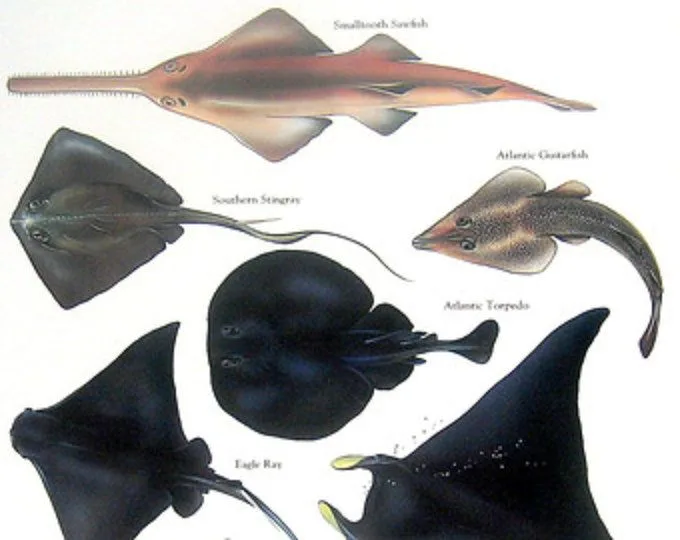
Image source: Web (Bing) / pinterest.com (Web image (fair-use with source credit))
Seal vs. Sea Lion vs. Sea Otter
These three are often mistaken for one another, but they have distinct features once you know what to look for.
Seals are the chunky, torpedo-shaped ones. They have no visible ear flaps, just small ear holes. On land, they move by undulating their bellies, which looks like a caterpillar crawl.
Their front flippers are short and covered with fur.
Sea lions are more athletic. They have visible ear flaps and long, hairless front flippers. They can rotate their hind flippers forward, which lets them walk on land.
That's why you see sea lions balancing balls at marine parks. Their agility on land is a dead giveaway.
Sea otters are the smallest of the three. They float on their backs, use tools, and have incredibly dense fur. Their tails are muscular and flat, unlike seals and sea lions which have short tails.
If you see an animal cracking a clam with a rock, it's definitely a sea otter.
Stingray vs. Skate vs. Sawfish
These three look similar because they're all flat-bodied cartilaginous fish. But they're actually quite different.
Stingrays have a diamond or kite-shaped body. Their tails are long and whip-like, and some species carry a venomous barb. They're active swimmers, often seen gliding gracefully over sandy bottoms.
Skates are rounder and have a more triangular snout. Unlike stingrays, they don't have venomous barbs. Instead, they have thorny spines along their backs and tails.
Skates also lay eggs in distinctive leathery cases called mermaid's purses.
Sawfish are the easiest to identify. They have a long, flattened snout lined with teeth on both sides, like a chainsaw. They use this saw to slash through schools of fish and dig through mud.
Sawfish are actually a type of ray, not a shark, despite their intimidating appearance.
Seahorse vs. Pipefish
Seahorses are instantly recognizable with their horse-like heads and curled tails. But their close relatives, pipefish, look quite different at first glance.
Pipefish are long and slender, like tiny sea serpents. They lack the curled tail and pronounced snout of seahorses. Instead, they have a straight body with a small mouth at the end.
Both belong to the family Syngnathidae, which also includes seadragons.
Here's a fun fact. In seahorses and pipefish, the males carry the eggs. The female deposits eggs into the male's brood pouch, where he fertilizes and carries them until they hatch.
It's one of the few examples of male pregnancy in the animal kingdom.
Squid vs. Cuttlefish
Squid and cuttlefish look similar, but there are key differences. Squid have elongated, torpedo-shaped bodies with fins along the sides. Their tentacles are longer and they have suckers only on the clubs at the tips.
Cuttlefish are shorter and rounder. They have a wide fin running along the entire length of their bodies, which undulates as they swim. They also have a unique internal shell called a cuttlebone, which you often see in bird cages.
Both are masters of camouflage. They can change color and texture instantly to blend into their surroundings. Cuttlefish are particularly impressive, with some species displaying complex patterns and movements to communicate with each other.
The "S" Animals You're Most Likely to Confuse — And How to Keep Them Straight
Even experienced divers mix up these species. The good news is that once you know a few key features, they're easy to tell apart.
Stingray vs. Skate: Stingrays have whip-like tails with a venomous barb. Skates have shorter, thicker tails with no barb.
If the tail is longer than the body, it's a stingray.
Squid vs. Octopus: Squid have eight arms plus two longer tentacles, all with suckers. Octopuses have eight arms and no tentacles.
Squid are streamlined and fast; octopuses are rounder and spend most of their time on the seafloor.
Shrimp vs. Prawn: In the US, these names are used interchangeably, but technically prawns have longer legs and a different gill structure. For most purposes, they're treated as the same culinary category.
Where in the World You'll Find These Animals
Habitat is often the best clue for identification. Different species stick to specific zones.
Coral reefs are home to seahorses, sea anemones, stonefish, and spiny lobsters. These are warm, shallow waters packed with life. Open ocean is where you'll find swordfish, sailfish, sunfish, and most shark species.
These animals cover huge distances and live far from shore.
Coastal waters support seals, sea lions, stingrays, and salmon. They thrive where land meets sea. Cold northern regions are prime habitat for snow crab, sockeye salmon, and sea otters.
Tropical waters are where you'll see lionfish, scorpionfish, and sergeant majors.
The deep sea is a different world entirely. Some squid species live at depths below 3,000 feet, where sunlight never reaches. They rely on bioluminescence to communicate and hunt in the dark.
The Most Fascinating Facts About S-Starting Sea Animals
These creatures break records and defy expectations. Here are some of the most surprising facts our research uncovered.
The sailfish is often cited as the fastest fish in the ocean, reaching speeds up to 68 miles per hour. The ocean sunfish produces up to 300 million eggs at once, more than any other vertebrate. The stonefish holds the title of most venomous fish in the world, with toxins that can be fatal to humans.
Seahorses are the only fish that swim upright. They're also terrible swimmers and often anchor themselves to corals or seagrass with their tails. The sea otter has the densest fur of any animal, with up to one million hairs per square inch.
Squid have three hearts and blue blood. Their blood uses copper-based hemocyanin instead of iron-based hemoglobin, which gives it that unusual color.
How to Teach or Learn These Animals (for Parents, Teachers, and Students)
Whether you're homeschooling or planning a classroom unit, the visual approach works best. Start with pictures before names. Connect the animal to its environment, then add the name as a label.
Flashcards are a proven method. Put a clear photo on one side and the species name on the back. Group by habitat or type to make patterns easier to remember.
For aquarium visits, turn it into a scavenger hunt. Create a checklist of animals you might see, including sharks, seahorses, seals, and starfish. When you spot one, write down a detail about its behavior or appearance.
For younger children, focus on just a few iconic species first. Master seahorse, shark, and starfish before moving into stingrays, squid, and salmon. This prevents overwhelm and builds confidence.
The Ones to Watch Out For: Venomous and Dangerous "S" Animals
Not every sea animal that starts with S is friendly. Some carry venom, spines, or teeth that can cause serious harm. Respect them from a distance.
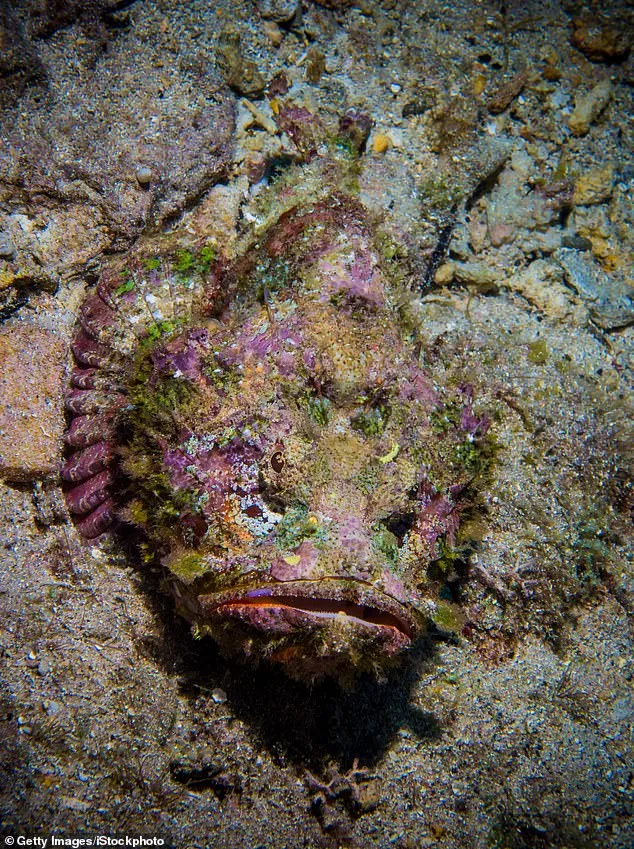
Image source: Web (Bing) / ar.inspiredpencil.com (Web image (fair-use with source credit))
Stonefish: The most venomous fish on Earth. It has 13 dorsal spines that inject neurotoxins. Its camouflage is so good that swimmers often step on it without seeing it.
Wearing water shoes in rocky shallows is the best prevention.
Stingrays: Their tail barb can deliver a painful sting. The wound is rarely fatal, but it can cause severe pain and infection. The "stingray shuffle" works: shuffle your feet in sandy shallows so stingrays swim away before you step on them.
Scorpionfish and lionfish: Both have venomous spines. Lionfish are invasive in the Atlantic. If stung, expect intense pain, swelling, and possible nausea.
Seek medical attention immediately.
Blue-ringed octopus: About the size of a golf ball, its bite carries tetrodotoxin. There's no antivenom. Paralysis can set in within minutes.
If bitten, call emergency services and start CPR if breathing stops.
The golden rule is simple. Observe these animals without touching them. Most injuries happen when people try to handle or step on creatures that just want to be left alone.
Conservation Status: Which "S" Animals Need Our Help
Several prominent species are in trouble. The sawfish is critically endangered, with populations declining sharply due to habitat loss and accidental catch. Many shark species, including the great white and hammerhead, face threats from overfishing and finning.
Sea turtles are another concern. Six of seven species are listed as vulnerable or endangered. The leatherback has declined dramatically across the Pacific.
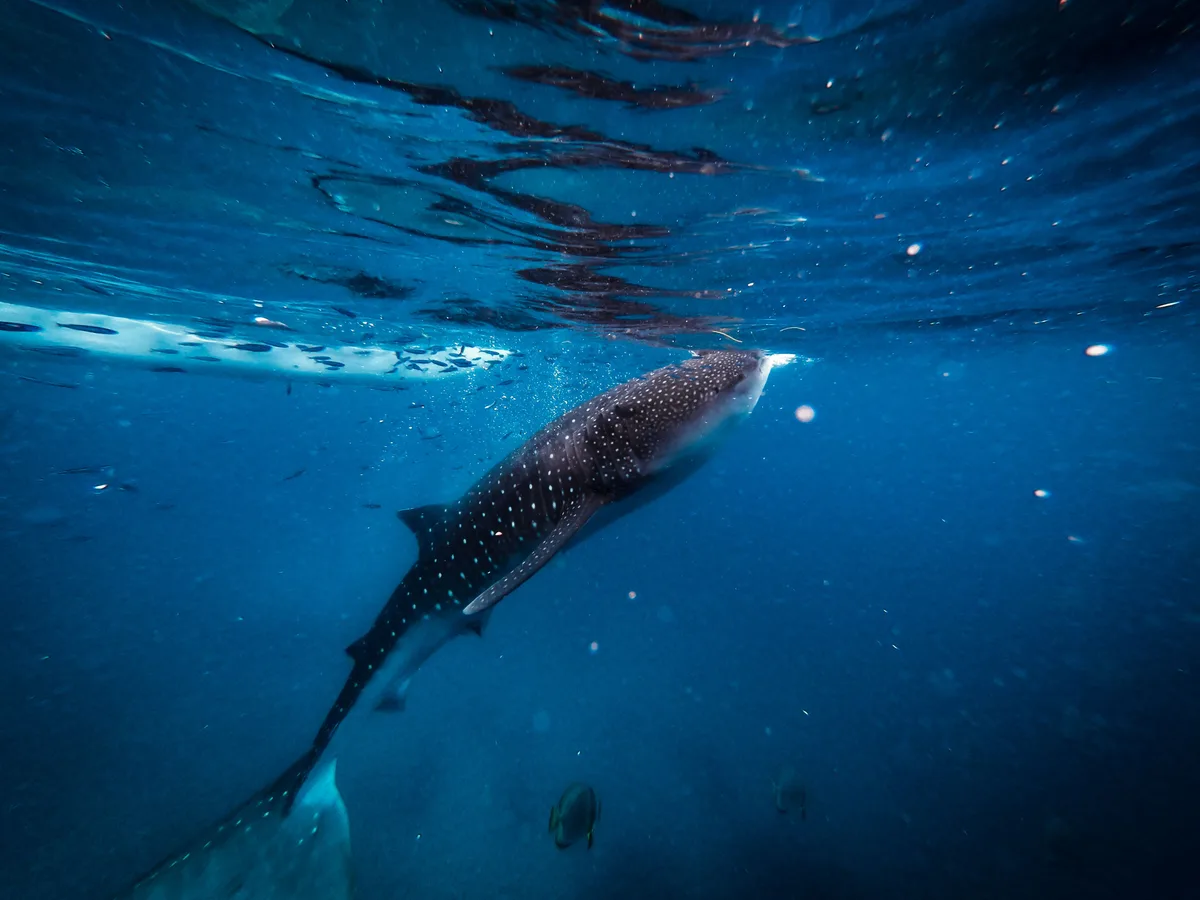
Image source: Bing (Web (fair-use with source credit))
The whale shark is classified as endangered by the IUCN Red List. Its slow growth and late maturity make population recovery difficult. Supporting sustainable seafood choices and marine protected areas helps these animals recover.
Quick Reference Table: The Complete List at a Glance
| Animal | Type | Max Size | Key Trait |
|---|---|---|---|
| Seahorse | Fish | 14 in | Male pregnancy |
| Shark | Fish | 60 ft (whale shark) | Cartilaginous skeleton |
| Stingray | Fish | 14 ft wingspan | Venomous tail barb |
| Starfish | Invertebrate | 3 ft | Regenerates arms |
| Swordfish | Fish | 14 ft | Long bill |
| Salmon | Fish | 5 ft | Migrates upstream |
| Seal | Mammal | 13 ft | No ear flaps |
| Sea lion | Mammal | 11 ft | Visible ear flaps |
| Sea otter | Mammal | 4 ft | Densest fur |
| Squid | Invertebrate | 46 ft | Jet propulsion |
| Stonefish | Fish | 20 in | Most venomous fish |
| Sea turtle | Reptile | 7 ft | Lives 100+ years |
Frequently Asked Questions
What is the largest sea animal that starts with S?
The whale shark is the largest. It can reach 60 feet long and weigh over 40,000 pounds.
Are starfish actually fish?
No. They're echinoderms, related to sea urchins and sand dollars. Many scientists now prefer the name sea star.
What's the difference between a seal and a sea lion?
Seals have no visible ear flaps and move on land by undulating. Sea lions have ear flaps and can walk on their flippers.
Which sea animals that start with S are dangerous?
Stonefish, scorpionfish, and some stingrays carry venom. The blue-ringed octopus has a potentially fatal bite. Avoid touching any of them.
Do seahorses really have male pregnancy?
Yes. The female deposits eggs into the male's brood pouch. He fertilizes and carries them until they hatch.
Your Next Step: Putting This List to Use
You now have a solid foundation for identifying sea animals that start with S. Use this guide when you visit an aquarium, plan a beach trip, or help a kid with homework.
For more animal lists, check out our guides to animals starting with M or animals starting with P. You can also explore mammals starting with S for a deeper dive into the furry side of this letter.
The ocean is full of wonders. Every species on this list plays a vital role in its ecosystem. Knowing their names is the first step to appreciating and protecting them.