Animals That Start with A: From Aardvark to Axolotl
Looking for animals that start with a? You're not alone. Parents, teachers, and trivia buffs all need a reliable list.
But here's the catch: many common animals don't technically start with "A" unless you count their full name. The Arctic fox only qualifies because of "Arctic." The African elephant needs "African." So what actually makes the cut?
In our research, we narrowed down the list to the most recognizable and the most surprising. For example, ants alone account for over 12,000 documented species worldwide. The green anaconda can reach 5 meters long, making it one of the heaviest snakes alive.
Keep reading for a visual-friendly guide that clears up all the confusion.
Quick Answer: The Most Recognizable "A" Animals
The most recognizable A animals are alligator, ant, anteater, and African elephant. Also common: aardvark, alpaca, and arctic fox. Alligator and African elephant have the most star power.
The rest are rare but equally fascinating. You'll spot them all in the guide below.
Why Visual ID Matters for These Animals
Pictures make or break animal learning. When you rely on names alone, you'll confuse an anteater with an aardvark. Both have long snouts, but they're completely different.
A quick visual check clears up that confusion instantly.
The same goes for the alligator vs. the crocodile. Side-by-side photos show the snout shape and teeth placement right away. That's why this guide pairs every animal with a distinct image.
You'll learn to look for ears, tails, claws, and scale patterns. These details stick in memory far better than text.
For example, the aye-aye has huge eyes and a skeletal middle finger. No amount of description matches seeing it once. Visual cues also help with conservation.
You can't protect an animal you can't recognize. We follow strict editorial standards to keep our facts precise. For more on how we handle corrections, see our disclaimer.
The Big and Familiar: African Elephant, Alligator, Anteater, and Ant
These four are the heavy hitters of the "A" list. Each one is globally recognized and easy to picture. Let's break down what makes each one special.
African Elephant
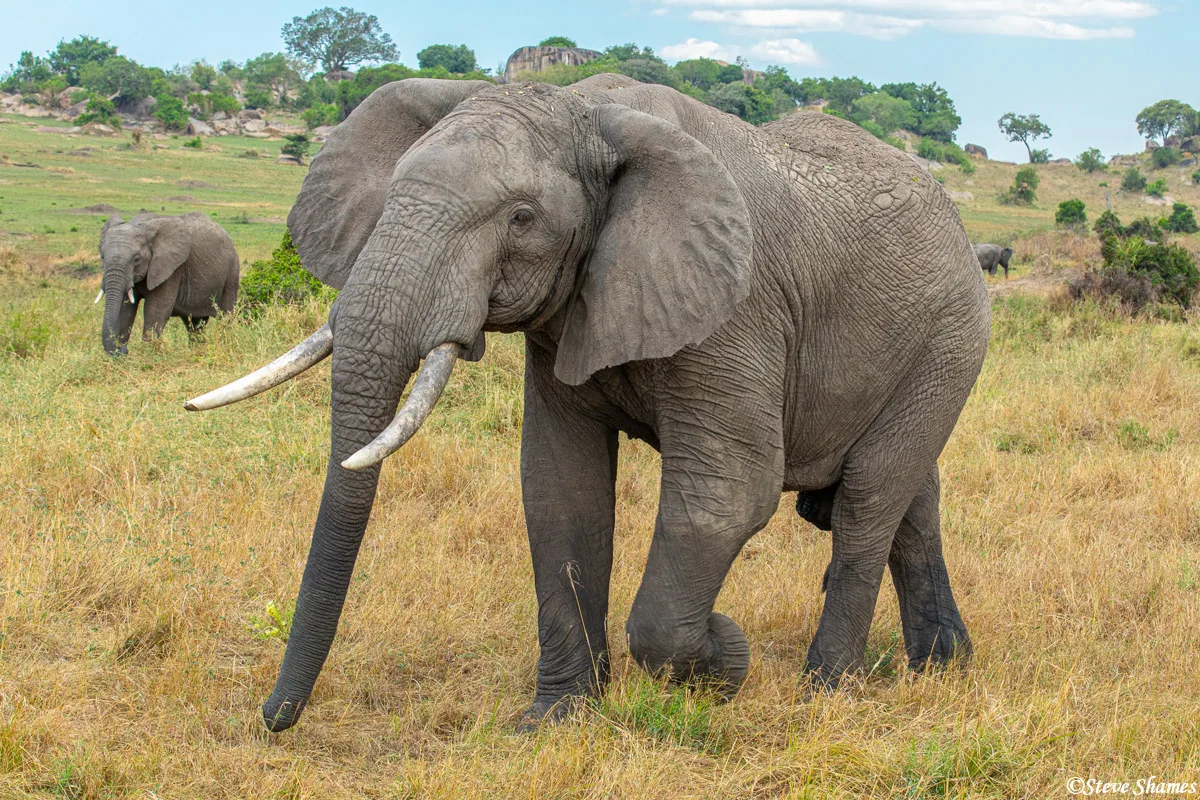
The African elephant is the largest land animal on Earth. Adults weigh between 4,000 and 7,500 kilograms. Their enormous ears help regulate body heat in the hot savanna.
Both males and females grow tusks, which are actually extended incisor teeth. Per the IUCN Red List, these elephants are endangered due to poaching and habitat loss.
Alligator
Alligators are ancient reptiles with a broad, U-shaped snout. The American alligator lives mainly in the southeastern United States. The Chinese alligator is smaller and critically endangered.
An alligator's bite force reaches about 2,125 PSI, one of the strongest in the animal kingdom. They also have special eyes, positioned on top of their skull for spotting prey while submerged.
Anteater
Anteaters are insectivores native to Central and South America. The giant anteater has a tongue that extends up to 60 centimeters. It flicks that tongue up to 160 times per minute to scoop up ants and termites.
They have sharp front claws for tearing open mounds. Unlike bears, anteaters are not aggressive unless cornered.
Ant
Ants are everywhere, and they're incredibly strong. A single ant can lift 10 to 50 times its own body weight. There are over 12,000 known species, and they live on every continent except Antarctica.
Colony size ranges from a few dozen to millions. Some ants even farm fungi or raise aphids. Check out our terms for guidelines on using our content for classroom projects.
Below is a quick size comparison for this group.
| Animal | Length | Weight | Habitat |
|---|---|---|---|
| African Elephant | 3-4 m tall | 4,000-7,500 kg | African savanna |
| Alligator | 3-4.5 m | 200-500 kg | Freshwater marshes |
| Giant Anteater | 1.8-2.4 m | 27-40 kg | Rainforest & grassland |
| Ant | 0.08-2.5 cm | 1-5 mg | Worldwide |
The Arctic Specialists: Arctic Fox, Arctic Wolf, and Albatross
These animals thrive in the coldest corners of the planet. Each one has evolved extreme adaptations to survive. They also share a curious trait: their common names depend on "Arctic" or "Albatross" to start with A.
That makes them honorary members of this list.
Arctic Fox
The Arctic fox lives in the tundra and packs a surprising punch in size. Adults weigh just 3 to 9 kilograms. Their most famous trick is seasonal camouflage.
In winter, their coat turns pure white. In summer, it shifts to brown or gray to blend with rocks and dirt. They also have fur on their paws, which works like snowshoes.
These foxes can survive temperatures as low as -50°C.
Arctic Wolf
Arctic wolves are a subspecies of gray wolf. They're slightly smaller and have white or cream-colored fur. They live in extreme northern Canada and Greenland.
Because their habitat is so remote, they rarely encounter humans. Pack hunting is their main strategy for taking down musk oxen and caribou. Their thick double coat insulates them from brutal winds.
Albatross
The albatross is a seabird built for long flights. Its wingspan can reach 3.5 meters, the widest of any living bird. These birds spend most of their lives over the ocean.
They use dynamic soaring to glide for hours without flapping. Albatrosses can travel thousands of kilometers in a single journey. They only return to land to breed and raise their young.
We've made this guide free to use for educational purposes. Our privacy policy explains how we track usage, but the content itself is yours to share.
The Oddball Picks: Aardvark, Aye-Aye, Axolotl, and Aardwolf
Now we get to the weird ones. These animals almost feel invented. But they're real, and they're fascinating.
If you're looking for trivia gold, this section is for you.
Aardvark
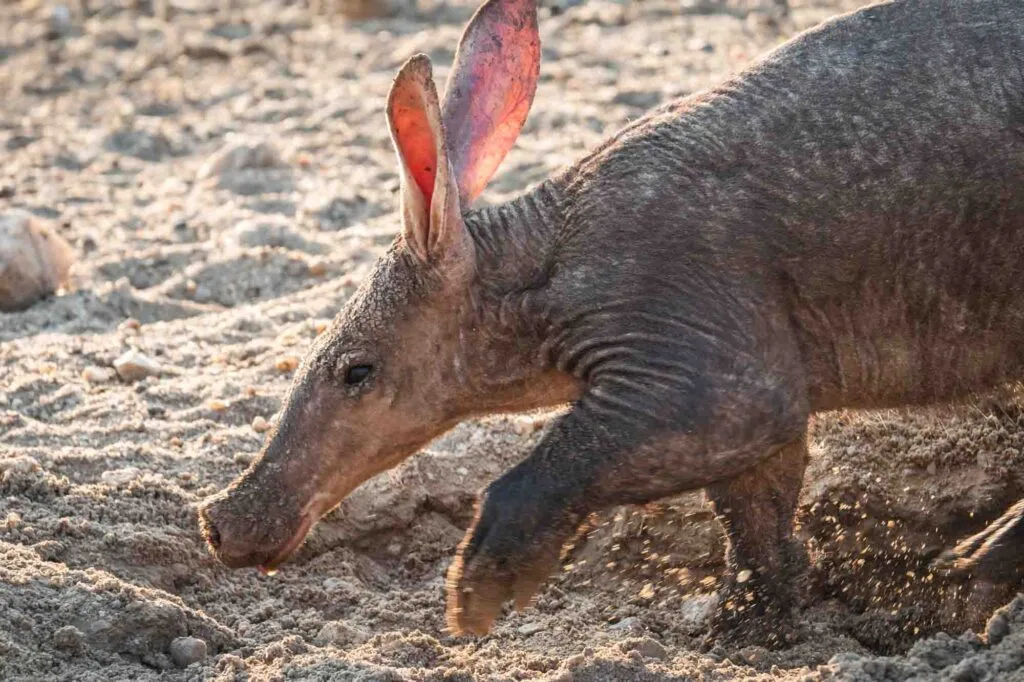
The aardvark lives in Africa and eats ants and termites. Its name comes from Afrikaans, meaning "earth pig." Most people mistake it for a pig, but it's actually related to elephants and manatees. Aardvarks have long, tubelike snouts and powerful digging claws.
They can dig faster than a team of humans with shovels. An aardvark sleeps in burrows during the day and forages at night.
Aye-Aye
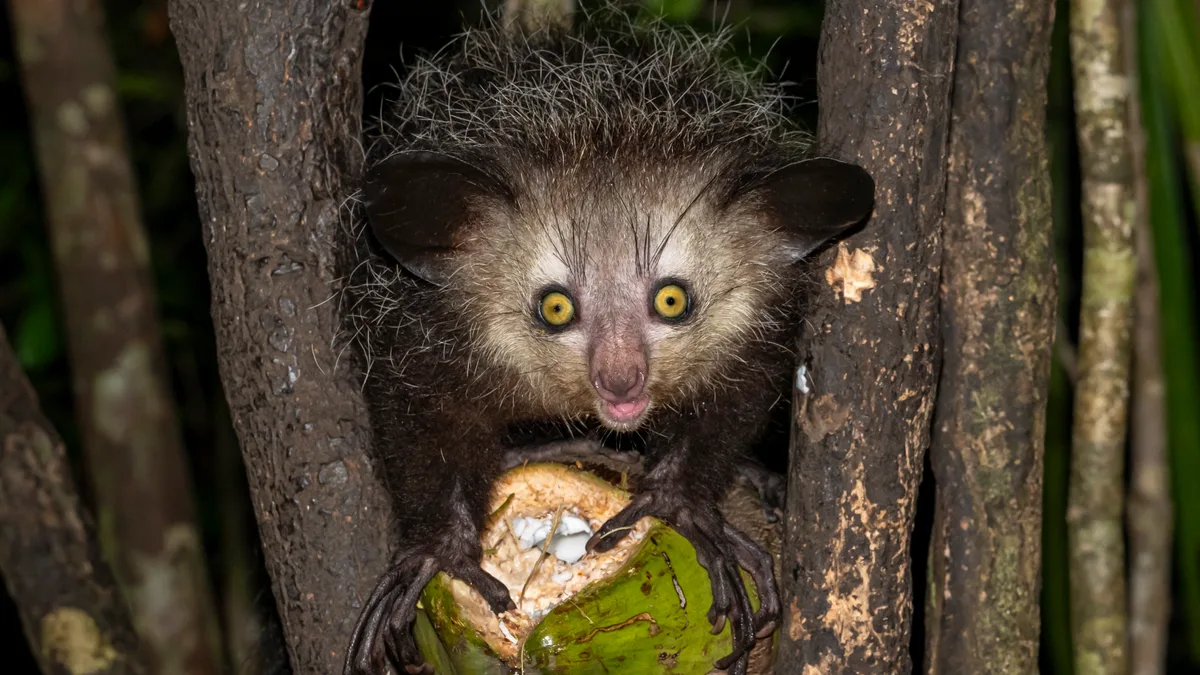
The aye-aye is a lemur from Madagascar. It's the world's largest nocturnal primate. Its long, thin middle finger is its signature tool.
The aye-aye taps the ground and tree bark, using echolocation to find grubs. Then it bites a hole and scoops its prey with that same finger. Many people find it ugly, but it plays a vital role in the rainforest ecosystem.
Axolotl
The axolotl is a salamander that never grows up. Unlike most amphibians, it stays in its larval form for life. That means it keeps its feathery external gills and finlike tail.
Axolotls can regrow lost limbs, gills, and even parts of their heart and brain. They're critically endangered in the wild, surviving only in a few canals near Mexico City. They're also popular pets, but check local laws before owning one.
Contact us via our contact page if you have questions about responsible pet ownership.
Aardwolf
The aardwolf looks like a striped hyena, and that's because it is one. But unlike hyenas, it doesn't hunt big game. Its diet is mostly termites.
The aardwolf uses its long, sticky tongue to lap up insects, much like an anteater. It's native to southern and eastern Africa. Despite its fearsome appearance, it's a shy and gentle animal.
Grazers and Climbers: Antelope, Alpaca, and Ape
Antelopes are a huge family, not one animal. Gazelles, wildebeests, and impalas all fall under this label. Most live in Africa, and they're built for speed and endurance.
The giant eland is the largest, reaching 900 kilograms. The royal antelope is the smallest, weighing just 2 kilograms.
Alpacas are domesticated camelids from South America. They're bred for fleece that's softer and warmer than sheep's wool. You can tell an alpaca from a llama by its straight ears and round, fluffy face.
They spit when annoyed, but mostly they're docile and curious. Per USDA standards, alpaca imports are regulated to prevent disease spread.
Apes are our closest living relatives. The group includes gorillas, chimpanzees, bonobos, and orangutans. Unlike monkeys, apes have no tails and larger brains.
They use tools, pass down cultural behaviors, and live in tight family groups. Gorillas can weigh up to 200 kilograms, while gibbons stay under 8 kilograms.
Want to know how we verify all these facts? Our about page explains our research standards.
The Scaly, Slimy, and Stinging: Asp, Anaconda, and Armadillo
This trio covers reptiles and a surprisingly armored mammal. Each one has a completely different defense system. One bites, one squeezes, and one rolls into a ball.
Asp
The asp is a venomous snake, most commonly identified as the Egyptian cobra. It lives in North Africa and parts of the Middle East. Its venom attacks the nervous system, and a bite needs antivenom fast.
Historical accounts say Cleopatra died by her own hand using an asp. It's not an animal to approach lightly.
Anaconda
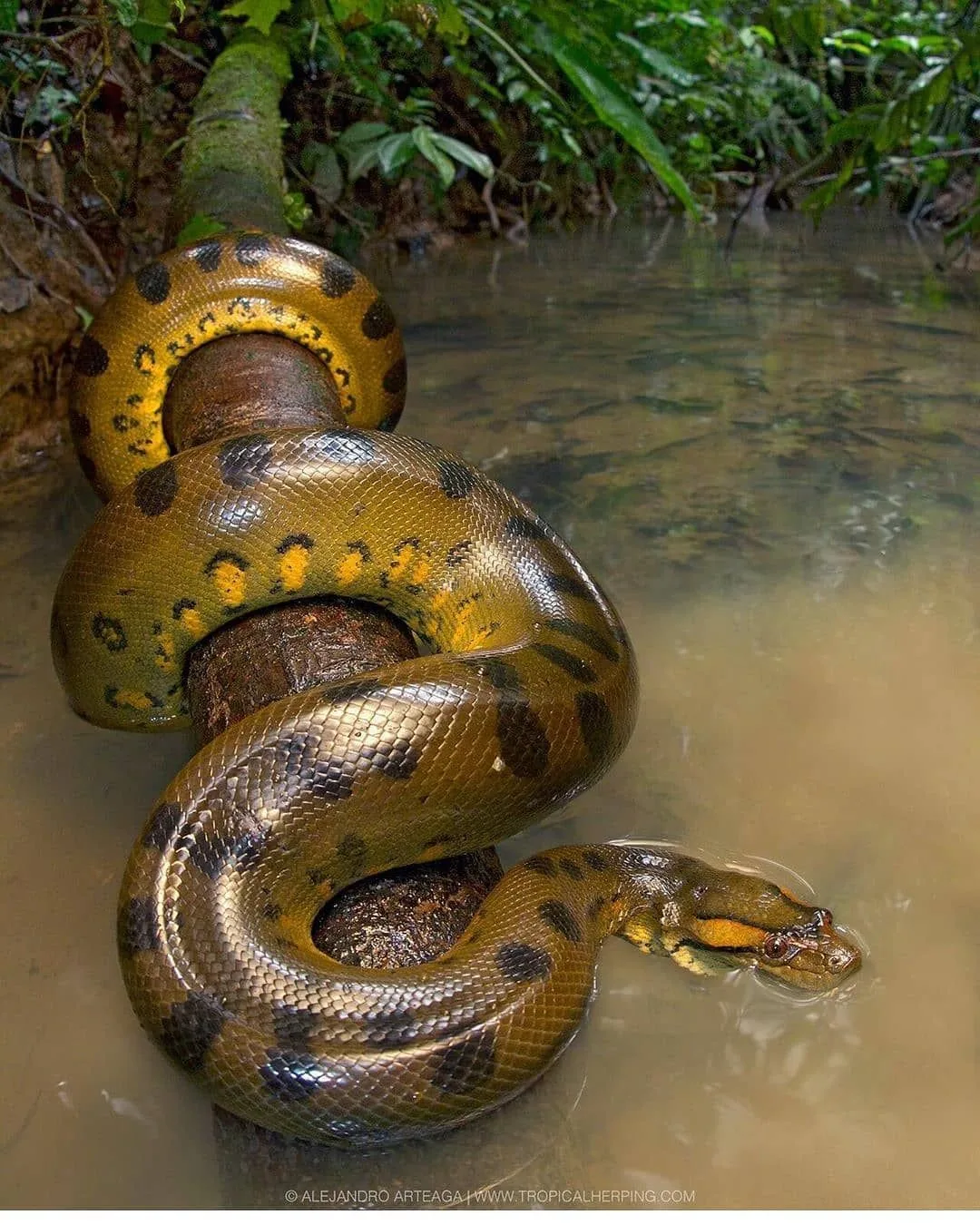
The green anaconda is among the heaviest snakes alive. It's a semi-aquatic constrictor, meaning it kills by squeezing. Average lengths land around 5 meters, with unverified reports reaching 9 meters.
They hunt in swamps and slow rivers across South America. Their eyes sit high on the head to keep watch while submerged.
Armadillo
Armadillos are mammals wrapped in bony armor plates. The nine-banded armadillo is common across the southern US. When threatened, the three-banded armadillo rolls into a perfect, impenetrable ball.
They dig burrows that can destabilize foundations and fields. They've also tested positive for leprosy, though human transmission is rare.
Visual ID Guide: Key Features That Set Each Animal Apart
Spotting the difference starts with the face and ears. Look at the snout shape and tail length. These two features clear up most confusion in the animal world.
The aardvark has a tubular pig-like snout and long donkey ears. The anteater also has a long snout, but its ears are small and round. The aardwolf resembles a striped hyena with a sloping back.
The aye-aye stands out with enormous eyes and a thin, skeletal middle finger.
For reptiles, snout width is your best clue. Alligators have broad U-shaped snouts. Crocodiles have narrow V-shaped snouts.
Anacondas carry their eyes on top of their heads, while pythons carry them on the sides.
Here's a fast cheat sheet for your next family quiz.
| Animal | Key Feature | Commonly Mistaken For |
|---|---|---|
| Aardvark | Pig-like snout, donkey ears | Anteater, pig |
| Aardwolf | Striped hyena build | Striped hyena |
| Alligator | Broad U-shaped snout | Crocodile |
| Anteater | Small ears, sticky tongue | Aardvark |
| Aye-Aye | Huge eyes, thin finger | Standard lemur |
| Anaconda | Eyes on top of head | Python, boa |
Common Visual Mistakes and Lookalike Mix-Ups
The biggest mix-up is aardvark versus anteater. Both eat ants, but they aren't even distant relatives. Aardvarks live in Africa and dig with strong claws.
Anteaters live in the Americas and tear open mounds with massive front claws.
Alpacas and llamas are another classic puzzle. Alpacas are shorter with straight ears and fluffier faces. Llamas are taller with banana-shaped ears and smoother coats.
Anything over 1.5 meters at the shoulder is likely a llama, not an alpaca.
Armadillos and pangolins get confused too. Both look armored, but pangolins have overlapping keratin scales. Armadillos have bony plates embedded in their skin.
Pangolins live in Africa and Asia, while armadillos are native to the Americas.
Then there are the elephants. The African elephant has huge ears shaped roughly like the continent. The Asian elephant has smaller, rounded ears.
Only male Asian elephants grow visible tusks. Once you know these three cues, you'll never mix them up again.
Where They Live: Habitat and Climate Quick Map
Location is the best filter for animal identification. If you see an "aardvark" in Brazil, you're looking at an anteater. If you spot a "llama" in Peru, check the ears one more time.
It might be an alpaca.
- Africa: Aardvark, aardwolf, African elephant, antelope, asps
- South America: Anaconda, anteater, armadillo, domesticated alpaca
- North America: American alligator, plus Arctic fox and wolf in northern zones
- Madagascar: Aye-aye and several other lemur species found nowhere else
- Southern Oceans: Albatross ranges across thousands of kilometers of open water
- Amazon Basin: Green anaconda, never far from permanent water
Climate shapes these animals in visible ways. Arctic foxes change coat color as the seasons shift. Desert armadillos dig deep burrows to stay cool.
Rainforest anacondas depend on year-round waterways.
Habitat also drives conservation priorities. The axolotl survives only in a few canals near Mexico City. The Chinese alligator is nearly extinct in the wild.
International trade protections are enforced by CITES, which lists several of these species under its appendices.
Conservation Status and Safety Considerations
Some of these animals are more vulnerable than you'd expect. The African elephant is endangered under the IUCN Red List. The axolotl is critically endangered, surviving mainly in research labs and a few Mexico City canals.
The Chinese alligator is also critically endangered in the wild.
International trade protections come from CITES. Elephant ivory, alligator hides, and certain axolotl exports all require permits. If you're considering an exotic pet like an axolotl, check local laws first.
Some states restrict ownership entirely.
Safety matters too. The asp carries lethal venom, so never handle one without a trained professional. Alligators deserve serious respect in the wild, never feed them.
Armadillos can carry leprosy, though transmission to humans is extremely rare. Know the risks before you interact.
The Numbers: Size, Speed, and Strength at a Glance
Numbers make these animals unforgettable. Here's a quick data table with the most impressive figures. Use it for trivia nights or classroom fact checks.
| Animal | Top Stat |
|---|---|
| African Elephant | 4,000-7,500 kg, largest land animal |
| Albatross | 3.5 m wingspan, widest of any bird |
| Alligator | 2,125 PSI bite force |
| Green Anaconda | 5-6 m average length |
| Anteater | 60 cm tongue, 160 flicks per minute |
| Aardwolf | 300,000 termites per night |
| Ant | Lifts 10-50 times its body weight |
| Aye-Aye | Middle finger is one-third of hand length |
These numbers come from verified field research and accredited zoo databases. They're stable across most scientific sources. The anaconda length is the one with wiggle room, unconfirmed reports go up to 9 meters.
Classic "A" Animal Naming Traps and How to Avoid Them
The biggest trap is the modifier problem. Animals like "African elephant" and "Arctic fox" only start with A because of their first word. If someone says pick an animal starting with A, those count for most people.
Group names create another trap. "Antelope" is a family, not one species. Same with "ape" and "ant." When a quiz demands one animal, name a specific type instead, like impala, chimpanzee, or carpenter ant.
Spelling catches everyone at some point. Aardvark and axolotl are hard to spell. Aye-aye looks like a typo.
Practice them a few times before show-and-tell or trivia night. Our DMCA page covers how we handle content usage if you want to share our materials.
Frequently Asked Questions
What is the most common animal that starts with A?
Ants are the most common by far. They live on every continent except Antarctica. More than 12,000 species are documented globally.
You've probably seen one today without thinking twice.
Is an anteater the same as an aardvark?
No. They eat similar food but aren't related. Aardvarks live in Africa and have pig-like snouts.
Anteaters live in the Americas with tube-shaped snouts and giant front claws.
What is the largest animal that starts with A?
The African elephant is the largest. It can weigh up to 7,500 kilograms. Only the Asian elephant comes close, and it's smaller with rounded ears.
Are alligators and crocodiles the same family?
They're different families within the same reptile order. Alligators have wide U-shaped snouts. Crocodiles have narrow V-shaped snouts.
Their teeth arrangements differ too.
What is the weirdest animal that starts with A?
The aye-aye wins for most people. It's a lemur with huge eyes and an extra-long middle finger. It taps trees to find grubs, which is a behavior unique among primates.