Definitive Guide to Cat Breeds That Start with N
If you're searching for cat breeds that start with n, you've probably noticed something interesting: there aren't many. Unlike the alphabet's crowded corners, the letter N offers just a handful of recognized breeds, and most of them are genuinely special.
The three you'll meet most often are the Norwegian Forest Cat, the Nebelung, and the Napoleon (also known as the Minuet). Each one brings a completely different energy. One is a rugged, weatherproof giant from Scandinavia; another is a quiet, silver-haired shadow from Idaho; and the third is a short-legged, doll-faced companion bred for pure affection.
In our research, we've found that most people gravitate toward one of these three once they understand their differences. That's exactly what we're going to help you sort out.
Why These Three Breeds Get Compared in the First Place
The "N" category is small but fascinating. The Norwegian Forest Cat and the Nebelung are world's apart in temperament and appearance, yet they're often confused because both are longhaired breeds with striking coats. The Napoleon adds a third possibility: a relatively new designer breed that carries the name "N" but shares very little with the other two.
So why do they end up in the same conversation?
Because they're the only answers. When someone asks about cat breeds that start with n, those three names surface repeatedly. There are a few others, like the Norwegian Mau and the Nyanza, but they're either experimental, unofficial, or extinct. For all practical purposes, Norwegian Forest Cat, Nebelung, and Napoleon are the letters N brings to the family table.
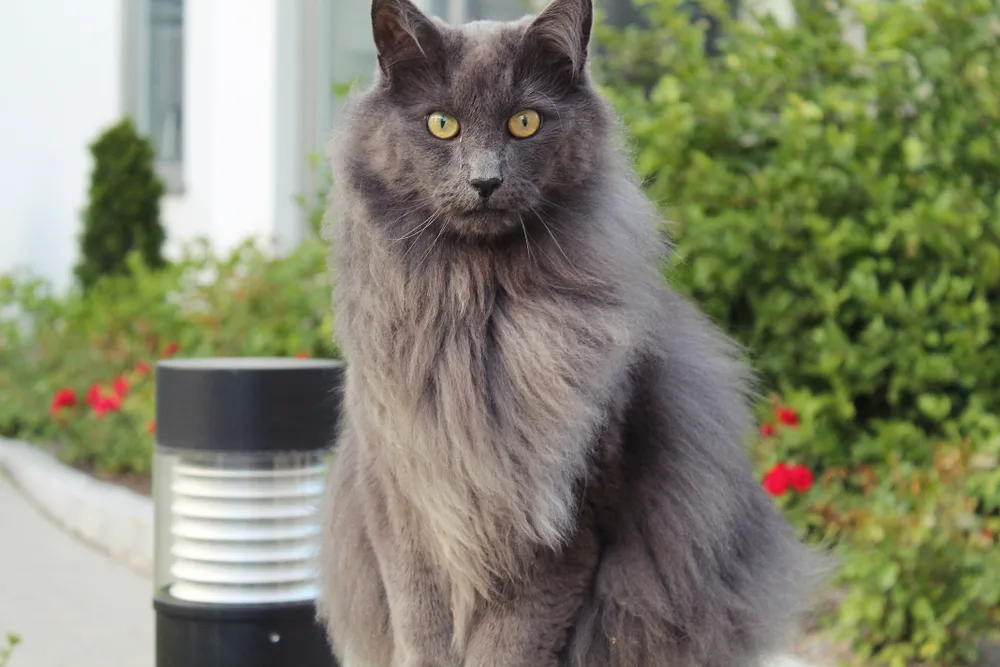
Image source: Bing (Web (fair-use with source credit))
The real question isn't "which exists?" It's "which one fits your life?" That's the comparison worth making. So let's break down each breed before we stack them side by side.
Norwegian Forest Cat: The Weatherproof Warm-Hearted Giant
The Norwegian Forest Cat, or Wegie as fans call it, is a natural breed. It evolved in Norway's forests centuries ago, developing a dense double coat and a sturdy frame designed for sub-zero winters. This is a big cat.
Males typically land between 12 and 20 pounds, females between 9 and 16 pounds. They're slow to mature, often growing until they're four or five years old.
What makes the Wegie special:
- A water-repellent, glossy topcoat over a dense, wooly undercoat
- Tufted ears, toe tufts, and a magnificent plumed tail
- A triangular head with a straight nose profile
- Eyes that can be amber, green, or gold, often with a gentle expression
Temperament is where the Wegie wins hearts. They're social, playful, and famously good with children and other pets. They behave more like dogs, following you from room to room and involving themselves in whatever you're doing.
They're not lap cats exactly, but they'll happily cuddle beside you and demand attention.
That said, they have real needs. That coat doesn't groom itself. You're looking at weekly brushing as a baseline, and daily brushing during spring and fall shedding seasons.
The undercoat comes out in clumps when the weather shifts.
Health-wise, the Wegie carries two genetic concerns: hypertrophic cardiomyopathy (HCM), a common heart condition, and hip dysplasia. Responsible breeders screen for both, and as of 2026, the Cat Fanciers' Association requires ongoing health testing for registered breeding lines. If you're considering a purebred from a breeder, those results matter.
For families, first-time owners, and households with other pets, the Norwegian Forest Cat is a reliable pick. If you want a larger cat with a gentle giant vibe, this is your N. And if you're curious about where this breed sits among other N-named animals, our broader list of N-named mammals gives you the full picture.
Nebelung: The Rare, Velvet-Voiced Companion
The Nebelung is the quiet counterpoint to the Wegie. Originating in Idaho in the 1980s, this breed began with a single shorthaired cat named Elsa, whose long-haired offspring were developed into a new breed. The name comes from Nibelung, the creature of German mythology, and it fits.
These cats look like they stepped out of a mist.
Nebelung breed profile:
- Medium size: 7 to 15 pounds, males slightly larger than females
- A single-coated, dense, silky blue-gray coat with silver tipping
- Bright green eyes that stand out against the gray
- A lithe, graceful build with a long, flowing tail
The Nebelung is often described as a Russian Blue with long hair, and that's a fair way to picture it. They share the reserved, devoted temperament of their Russian ancestors. The bond they form is intense, but it's typically directed at one or two people.
Strangers will prompt a swift retreat under the bed.
That shyness is the single most important trait to understand. A Nebelung needs early socialization and a patient home. Loud households, constant visitors, or chaotic routines will stress this cat out.
Once they trust you, they're fiercely loyal, following you around and chatting in soft, barely-there meows.
Grooming is lighter than you'd expect. Because they have a single coat with no undercoat, they don't matt as easily, and weekly brushing keeps the silver sheen intact. Shedding exists, but it's modest compared to the Wegie.
Nebelungs share the HCM risk that affects many purebred lines, and ethical breeders screen for it. Lifespan is solid, typically 15 to 20 years with good care. If you're a quieter household, a solo adult, or someone who loves a deep one-on-one bond, the Nebelung is the N for you.
It's also worth checking our list of captivating N-named animals if you're exploring more of that letter.
Napoleon (Minuet): The Short-Legged Cuddle Breed
The Napoleon, renamed the Minuet by TICA in 2016, crosses the Persian with the Munchkin. That's where the short legs come from. It's a deliberately designed breed, created in the 1990s, and it trades the wild history of the Wegie and the Nordic mystery of the Nebelung for something much more domestic.
Napoleon (Minuet) essentials:
- Small to medium: 5 to 9 pounds, occasionally up to 12 pounds
- Either short or long coat, single-coated
- Round head, large eyes, and a sweet, doll-like expression
- A low-set body with legs that range from standard to "rug-hugger" short
Personality is the selling point here. Minuets are bred for affectionate, even-tempered companionship. They get along with children, dogs, and strangers alike.
They're not as high-energy as a Wegie or as reserved as a Nebelung. Instead, they're happy to sit nearby and accept attention whenever you offer it.
The short legs are a conversation point. They don't cause mobility problems in most cases, but they mean the cat can't jump as high, which many owners actually appreciate for keeping curious cats off counters.
Grooming depends on coat type. The long-haired version needs brushing two to three times a week; the short-haired version needs once. Health-wise, the breed inherits the Persian's risk for polycystic kidney disease (PKD), so genetic screening is essential.
As with other Munchkin crosses, there's also some debate about skeletal health, which makes choosing a responsible breeder critical.
If you want a mellow, people-pleasing lap cat that happens to start with N, the Minuet is your answer. Their charming nature makes them an easy fit for first-timers. And for readers exploring more alphabetical listings, our collection of land mammals starting with P includes some equally charming cousins.
Head-to-Head: Grooming, Shedding, and Coat Care
Once you've met all three breeds, the practical differences start to matter. Coat care is the biggest daily commitment, and it varies dramatically.

Image source: Bing (Web (fair-use with source credit))
| Breed | Coat Type | Shedding Level | Grooming Frequency | Matting Risk |
|---|---|---|---|---|
| Norwegian Forest Cat | Double coat, water-repellent | High, especially seasonally | 2-4 times per week; daily during sheds | High if neglected |
| Nebelung | Single coat, dense, silky | Moderate | Weekly | Low to moderate |
| Napoleon (Minuet) | Single coat, short or long | Low to moderate | Long-hair: 2-3 times weekly; short-hair: weekly | Low |
The Wegie's double coat is the most demanding. That undercoat traps heat and needs regular removal, and a matted Wegie is an unhappy Wegie. Invest in a good undercoat rake and a slicker brush, and expect to set aside a few minutes daily during seasonal changes.
The Nebelung is the easiest of the three. Its single coat lacks the dense undercoat, so brushing once a week keeps it glossy. They also tend to self-groom meticulously, though that can occasionally lead to hairballs if you slack off.
The Minuet sits in between. Long-haired Minuets need consistent attention around the chest and ruff, where mats love to form. Short-haired versions are simple to maintain.
One note for allergy sufferers: neither the Wegie nor the Nebelung is truly hypoallergenic. The Fel d 1 protein appears in their saliva and skin, so any shedding spreads allergens. Some owners report milder reactions with Nebelungs due to lower grooming behavior, but there's no guarantee.
The only way to know is to spend time with the breed first.
When you're weighing these breeds, grooming effort should be a deciding factor. The Wegie asks for the most work. The Nebelung asks for the least.
The Minuet sits comfortably in the middle.
Health Testing and Genetic Risks: HCM and Hip Dysplasia
Every purebred cat carries some genetic baggage. The three N breeds are no exception. Understanding the risks before you commit saves heartache later.
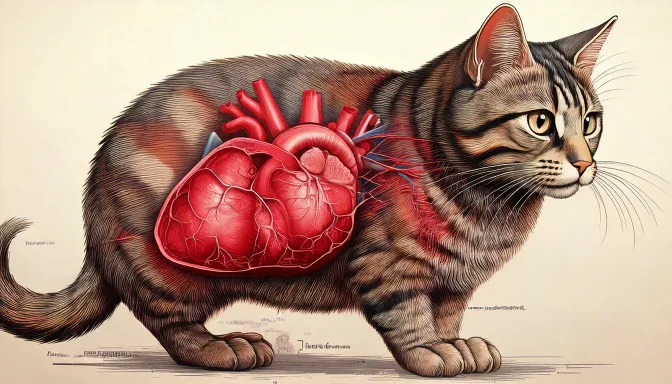
Image source: Bing (Web (fair-use with source credit))
Hypertrophic cardiomyopathy (HCM) is the big one. It's a progressive heart disease where the heart's muscular wall thickens, making it harder to pump blood. All three breeds carry the risk, though the Wegie's is particularly well-documented.
Responsible breeders screen breeding cats with echocardiograms or DNA tests. Ask to see results before you put down a deposit. A breeder who refuses or deflects is a red flag.
Hip dysplasia also affects Norwegian Forest Cats more often than we'd like. It's a malformation of the hip joint that can cause arthritis and pain. Reputable breeders screen for it and avoid pairing affected cats.
The Minuet carries an added concern: polycystic kidney disease (PKD) from its Persian lineage. Genetic testing identifies carriers. Again, a breeder who tests openly is the only breeder worth your money.
Space and Lifestyle Check: Which Cat Matches Your Home?
Your home's size matters less than your lifestyle. Each breed has different energy levels and social needs.
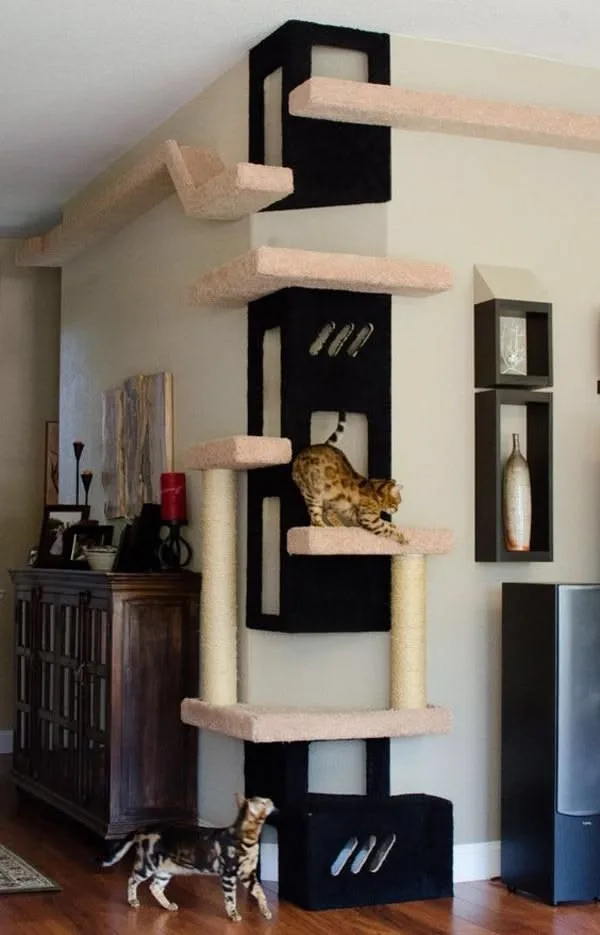
Image source: Bing (Web (fair-use with source credit))
The Norwegian Forest Cat needs space to roam and climb. A cat tree, shelves, and window perches are non-negotiables. They're active without being hyper, and they'll happily explore every corner of a two-bedroom apartment.
They just need vertical territory.
The Nebelung thrives in quiet spaces. Apartments are fine. A studio is fine.
What matters is calm. Loud parties, constant visitors, or busy chaotic routines stress these cats out. They bond deeply with one or two people and prefer predictability.
The Minuet adapts almost anywhere. Their short legs mean lower jumping ability, which makes them excellent apartment cats. They're content with a cozy lap and a modest amount of play.
If you live in a small home, they'll never complain.
Energy levels differ too. The Wegie enjoys active play sessions. The Nebelung prefers gentle, quiet games like feather wands.
The Minuet is happy with short bursts followed by a nap.
The Real Cost: Kitten Prices, Waitlists, and Long-Term Vet Care
These breeds aren't cheap. And the price tag is only the beginning.
| Breed | Kitten Price Range | Typical Waitlist | Annual Vet & Care Estimate |
|---|---|---|---|
| Norwegian Forest Cat | $1,200 – $3,000 | 6-12 months | $800 – $1,500 |
| Nebelung | $1,000 – $2,500 | 3-12 months | $700 – $1,300 |
| Napoleon (Minuet) | $1,000 – $2,500 | 3-9 months | $700 – $1,200 |
Waitlists are common across all three breeds. The Wegie's popularity in Europe and North America keeps demand high. Nebelung litters are small, and ethical breeders don't rush them.
Minuets are rarer still, especially in certain coat types.
Beyond the purchase price, budget for:
- Spaying or neutering: $200, $500
- Microchipping: $50, $100
- Initial vaccinations: $100, $200
- Pet insurance: $20, $40 per month
Pet insurance is worth it. HCM screening and treatment can run into thousands of dollars. A solid policy covers diagnostics and medication. Our research consistently shows that insured cats receive earlier and better veterinary care.
Where to Find Them: Reputable Breeders vs. Rescue Routes
Finding an N breed takes patience. The good news is there are multiple paths.
Reputable breeders are your primary route for a purebred kitten. Look for:
- CFA or TICA registration
- Health testing documentation for both parents
- Written contracts with health guarantees
- A breeder who asks you questions, not just takes your money
- Visits to the cattery before committing
Avoid breeders who refuse to show you the parents or the facility. Avoid anyone selling "rare" colors at inflated prices. Avoid anyone who ships kittens without a video call first.
Rescue routes exist, too. Norwegian Forest Cat rescues operate across the United States and Europe. Breed-specific rescue groups pull strays and rehome surrendered cats. The Nebelung and Minuet are rarer in rescues, but not impossible to find.
Adopting an adult cat has real advantages. You skip the kitten chaos. You get a cat with a known personality.
And you're giving a home to an animal that genuinely needs one. Breed-specific rescues will interview you to ensure a good match.
Whatever route you choose, ask questions. A healthy start in life comes from a breeder or rescue that cares about genetics, socialization, and long-term wellbeing.
Common Mistakes to Avoid When Choosing an "N" Breed
Choosing a cat by name alone is risky. The letter N tells you nothing about temperament or care needs.
Mistake: Picking a Norwegian Forest Cat without grooming commitment. That glorious coat needs maintenance. Skipping brushings for a week leads to mats, which lead to painful shaving sessions.
Mistake: Expecting a Nebelung to be outgoing. They're not. They're devoted to their chosen humans but reserved with everyone else. If you want a social butterfly, this isn't it.
Mistake: Choosing a Minuet without checking the breeder's PKD testing. Some less reputable breeders cut corners. Ask for documentation or walk away.
Mistake: Assuming any of these are hypoallergenic. The Fel d 1 protein triggers allergies, and all three breeds produce it. There's no truly hypoallergenic cat. Spend time with the breed before committing.
Mistake: Skipping pet insurance. HCM and hip dysplasia don't wait. The cat who needs a cardiologist at age three is the cat whose owner wishes they'd signed up earlier.
If you're exploring more animal names alphabetically, our roundup of fascinating animals starting with F covers similar territory, and the D-named animals page has some similarly charming species.
Frequently Asked Questions
Are Norwegian Forest Cats good with dogs?
Yes, most Wegies get along well with dogs, especially if they're raised together. Their social, confident temperament makes them adaptable to multi-pet households. Slow introductions still matter, but these cats rarely shy away from canine companionship.
Do Nebelungs like to be held?
Nebelungs bond intensely with their people, but they prefer to initiate physical contact. Many love lap time once they trust you fully. Early socialization helps.
Expect affection on their terms, not yours.
Are Minuet cats healthy overall?
The Minuet benefits from hybrid vigor, but it inherits Persian-related health risks, particularly polycystic kidney disease. Responsible breeders screen for PKD and HCM. With proper care and genetic testing, Minuets typically live 13 to 16 healthy years.
Which N breed is best for families with children?
The Norwegian Forest Cat is the clear winner for active families. They're patient, playful, and sociable with kids of all ages. Nebelungs are too reserved for chaotic households.
Minuets work but prefer quieter, gentler children.
Do Norwegian Forest Cats shed a lot?
Yes. They shed moderately year-round and heavily during seasonal changes, particularly spring and fall. Daily brushing helps control loose fur.
If you hate lint rollers, this might not be the breed for you.
Final Verdict: Which "N" Breed Is Right for You?
The letter N offers three genuinely distinct options. There's no universal winner. There's only the right match for your specific life.
Pick the Norwegian Forest Cat if you want a large, social, dog-like companion with a stunning coat and enough energy for family adventures. Be ready to groom regularly and invest in cat trees.
Pick the Nebelung if you live quietly, want a devoted one-person cat, and prefer moderate grooming demands. Patience and calm are non-negotiable.
Pick the Minuet if you want a mellow, affectionate lap cat that adapts to small spaces and gentle households. Look for breeders who run full PKD and HCM testing.
Whichever you choose, prioritize health testing and ethical sourcing. A cat is a 15-year commitment, and the right match rewards you for a lifetime.