Dog Breeds That Start With Q: Rare & Unique Picks
If you've ever tried to name every dog breed from A to Z, you already know the pain point: you get to Q and your brain goes completely blank. There's no Qatman Shepherd or Quail Hound rolling off the tongue. So when someone asks about dog breeds that start with q, they usually expect a single answer, a quick list, and maybe a photo or two.
Here's the reality. As of 2026, no major kennel club, including the American Kennel Club (AKC) or the Fédération Cynologique Internationale (FCI), officially recognizes a single purebred dog breed that starts with the letter Q. That's right, zero.
But that hasn't stopped a handful of rare, regional, and historically significant breeds from carrying the Q banner, even if they exist outside formal registries.
Quick Answer
There are no AKC or FCI recognized dog breeds that start with Q. The letter is essentially empty in official breed registries. However, several rare and informally recognized breeds carry Q names.
These include the Qinling Panda Dog, Quechuan, Quisteblood Dog, and Queen Elizabeth Pocket Beagle. None are officially standardized. Availability is extremely limited.
Most require international import. Others are considered extinct or experimental. If you're looking for a Q-breed, expect research, patience, and significant cost.
Why Visuals Matter More Than Names for Q-Breeds
Here's the thing about Q-breeds. You can't just read a name and picture the dog. Names like Quechuan or Quilmes Dog won't trigger any mental image, because you've never seen one.
That's where the visual side of this topic becomes essential.
The Q-breed landscape is dominated by obscure, regionally isolated dogs with little online documentation. A photo tells you more in five seconds than a paragraph of text can. You need to see the Qinling Panda Dog's striking black and white patches to understand why it's called a panda dog.
You need to see the Quisteblood Dog's rough, weatherproof coat to grasp why Scandinavian farmers valued it.
Without images, you're navigating blind. Names alone won't help you distinguish a real Q-breed from a mislabeled mixed breed, which is a genuine problem in this niche. Scammers know these names are obscure.
They slap "rare Q-breed" on a puppy and inflate the price. Visuals give you a baseline for comparison.
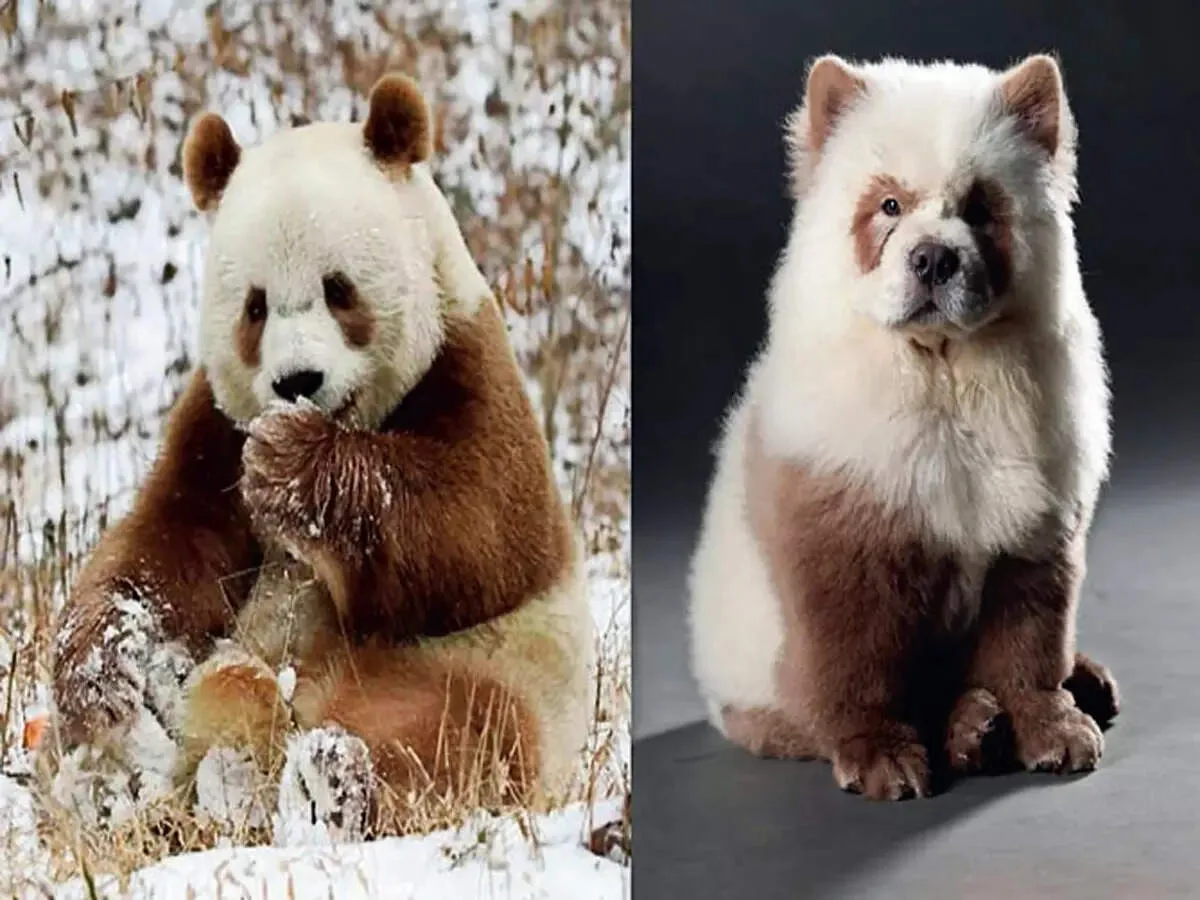
Image source: Web (Bing) / ar.inspiredpencil.com (Web image (fair-use with source credit))
Before you spend a dime on a "rare Q-breed," learn what the genuine article actually looks like. The rest of this guide gives you exactly those reference points, breed by breed.
The Core List: Every Q-Breed Worth Knowing
Let's get into the actual breeds. These are the names you'll encounter when researching dog breeds that start with q. Some are documented enough to discuss seriously.
Others are barely whispers in online forums. I've organized them by how real and verifiable they are.
Qinling Panda Dog
The Qinling Panda Dog comes from the Qinling Mountains in Shaanxi Province, China. It's a medium-sized farm and hunting dog, typically weighing 50 to 70 pounds. Its most distinctive feature is the black and white coat pattern that strikingly resembles a giant panda.
Local breeders in China have been selectively breeding these dogs for that panda-like appearance. The result is a working dog that also happens to look like a celebrity. They're not officially recognized by any major kennel club.
But they've gained international attention through photos and social media.
Temperament-wise, they're described as loyal, protective, and territorial. They were bred to guard livestock and property. That means they're not the ideal first-time owner dog.
They need firm handling, early socialization, and plenty of exercise.
Quechuan
The Quechuan is a sighthound-type breed with roots in Peru and the Andean highlands. The name comes from the Quechua people, an indigenous community with a deep history in the region. These dogs are lean, long-legged, and built for speed.
Documentation on the Quechuan is thin. No kennel club recognizes it. What we know comes from regional descriptions and a handful of breed enthusiasts.
They're said to be independent, quiet, and highly skilled at hunting small game.
The challenge here is verification. Searching for "Quechuan dog" often pulls up images of the Peruvian Inca Orchid, a completely different breed. Visual misidentification is rampant.
If you're researching the Quechuan, cross-check every source carefully.
Quisteblood Dog
The Quisteblood Dog, also called the Quistel Blood Dog, comes from Scandinavia. It's a spitz-type dog with a thick, rough coat designed for harsh Nordic winters. The breed name suggests a lineage tied to blood tracking and hunting.
This is one of the most obscure breeds on this list. Details on its exact origin, breed standard, and population numbers are scarce. What exists comes from scattered Scandinavian breed archives and enthusiast forums.
If you ever see a photo, note the dense, weatherproof coat and the curled tail typical of spitz breeds. They were working dogs first and companions second. Expect high energy, strong prey drive, and a need for space.
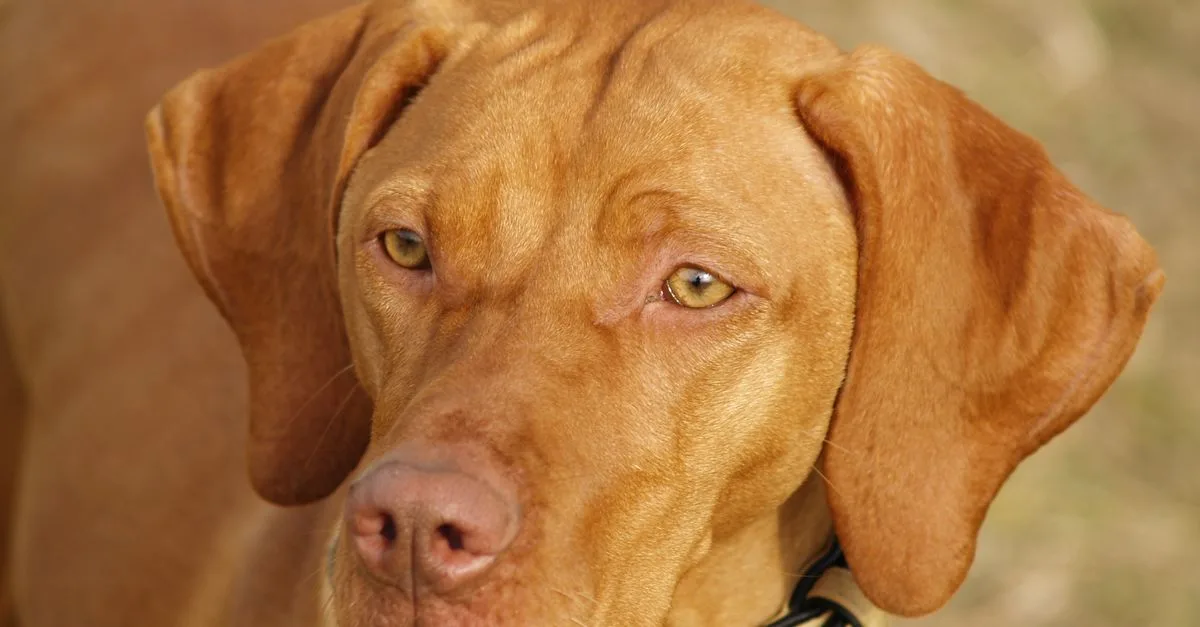
Image source: Web (Bing) / pexels.com (Web image (fair-use with source credit))
Queen Elizabeth Pocket Beagle
Here's where history gets interesting. The Queen Elizabeth Pocket Beagle was a tiny beagle bred during the reign of Queen Elizabeth I in 16th-century England. These miniature hounds were small enough to fit in a saddlebag, perfect for accompanying hunters on horseback.
The original breed went extinct. But modern breeders have spent decades trying to recreate it. By selectively breeding the smallest standard beagles, they've produced a dog that resembles the historical pocket beagle, typically standing under 10 inches tall.
The American Kennel Club does not recognize the Pocket Beagle as a separate breed. It remains a size variant of the standard Beagle. If you're considering one, understand that you're buying a small Beagle, not a distinct registered breed.
Health and temperament follow standard Beagle expectations.
Quadro Terrier
The Quadro Terrier is a mixed breed, not a purebred. The name usually refers to a cross involving four terrier breeds, hence "quadro." Common combinations include Jack Russell, Patterdale, Border, and Rat Terrier.
Because it's a mix, there's no breed standard. Appearance varies wildly depending on the litter. What you typically get is a small, energetic, tenacious dog built for digging and chasing.
They excel at vermin control on farms.
Be wary of anyone selling "Quadro Terriers" as rare purebreds. They're not. The name is descriptive, not official.
Pricing should reflect a standard mixed-breed puppy, not a premium rarity.
Quilmes Dog
The Quilmes Dog is a rare Argentine breed with roots in the indigenous Quilmes people of the Tucumán region. These are large, muscular dogs historically used for guarding and hunting.
Like several other Q-breeds, formal recognition is absent. Population numbers are believed to be very low, even within Argentina. The breed is rarely seen outside its home country.
If you find a Quilmes Dog, you're looking for a serious working guardian. They're not apartment dogs. They need a job, space, and an experienced handler.
Qena Hound
The Qena Hound is a name that appears in some breed lists, but documentation is nearly nonexistent. The name suggests Egyptian origins, possibly tied to the city of Qena in Upper Egypt.
I cannot find verifiable breed standards, population data, or historical records for this dog. It may be a regional variant of the Egyptian Baladi street dog or an informal label used by local breeders. Treat any claim of a "purebred Qena Hound" with extreme skepticism.
Quarter Dog
The Quarter Dog isn't a breed. In American farming communities, particularly in the South, "quarter dog" refers to a type of cur dog used for hunting and treeing game. The name comes from the dog's role in working a quarter of the property or a quarter-mile radius.
These are almost always mixed-breed working dogs. They have no registry, no standard, and no consistent appearance. If someone offers a "purebred Quarter Dog," they're misrepresenting common farm stock.
Quaker Dog
The Quaker Dog is an alternate name you'll occasionally encounter for the Boston Terrier. The nickname has unclear origins, possibly tied to the breed's dignified, "Quaker-like" demeanor or a historical breeding program.
This causes endless confusion. Someone searching for a "Quaker Dog" might expect a distinct Q-breed. They'll actually find a Boston Terrier, a fully recognized breed that starts with B.
If your goal is a complete A-to-Z list, list Boston Terriers under B and note the Quaker nickname as a historical footnote.
How to Spot a Real Q-Breed at a Glance
You've read the list. Now let's talk about identification. When you're dealing with obscure breeds, visual confirmation matters more than documentation.
Here's what to look for in each case.
Coat and Build
The Qinling Panda Dog has a double coat with distinct black patches over the eyes, ears, and body, set against a white or cream base. The build is sturdy and athletic, similar to a Border Collie but heavier.
The Quisteblood Dog stands out with its rough, dense outer coat and a soft undercoat. This is a spitz build, so expect a curled tail over the back, prick ears, and a wedge-shaped head.
The Quechuan resembles a slim sighthound. Long legs, deep chest, arched loins, and a whip-like tail. Short flat coat that comes in varying colors.
Size Differences
Sizes vary dramatically across Q-breeds, which helps narrow identification quickly.
| Breed | Height Range | Weight Range |
|---|---|---|
| Qinling Panda Dog | 20-24 inches | 50-70 pounds |
| Quechuan | 24-28 inches | 45-65 pounds |
| Quisteblood Dog | 18-22 inches | 35-55 pounds |
| Pocket Beagle | Under 10 inches | 15-20 pounds |
| Quadro Terrier | 10-15 inches | 12-25 pounds |
| Quilmes Dog | 24-28 inches | 70-90 pounds |
Behavioral Cues
Working breeds carry themselves differently. Qinling Panda Dogs move with a guarding confidence. Quechuans have that sighthound stillness, watching before they act.
Quisteblood Dogs are alert, vocal, and reactive to movement.
If a dog walks up to you wagging its tail and seeking strangers, it's probably not a rare Q-breed. Most of these dogs were bred for guarding or hunting, not public friendliness.
Q-Breeds vs. Lookalikes: Visual Comparison Guide
The biggest trap in Q-breed research is lookalike confusion. Several common breeds resemble their Q-counterparts. If you don't know the differences, you'll end up misidentifying dogs.
Qinling Panda Dog vs. Border Collie
The Qinling Panda Dog gets compared to the Border Collie constantly, mostly because of the black and white coloring. But the body structure differs. Panda Dogs are heavier, broader-chested, and have a thicker coat.
Border Collies are lighter, more agile, and have a flatter coat profile.
The clearest difference is the head. Panda Dogs have a broader skull and a more pronounced stop. Border Collies have a refined, longer muzzle and expressive, intense eyes.
Quisteblood Dog vs. Norwegian Elkhound
Both are Scandinavian spitz breeds with thick coats and curled tails. The Quisteblood Dog is generally heavier and has a rougher, more textured coat than the Elkhound's smooth gray outer layer.
The Elkhound is an officially recognized breed with a stable population. The Quisteblood Dog isn't. If a breeder points to an Elkhound and calls it a Quisteblood, walk away.
Queen Elizabeth Pocket Beagle vs. Standard Beagle
Size is the primary differentiator. Pocket Beagles stay under 10 inches at the shoulder. Standard Beagles range between 13 and 15 inches.
Temperament and health are nearly identical. They're both scent-driven, food-motivated hounds. The Pocket Beagle isn't a separate breed, just a smaller version of the standard.
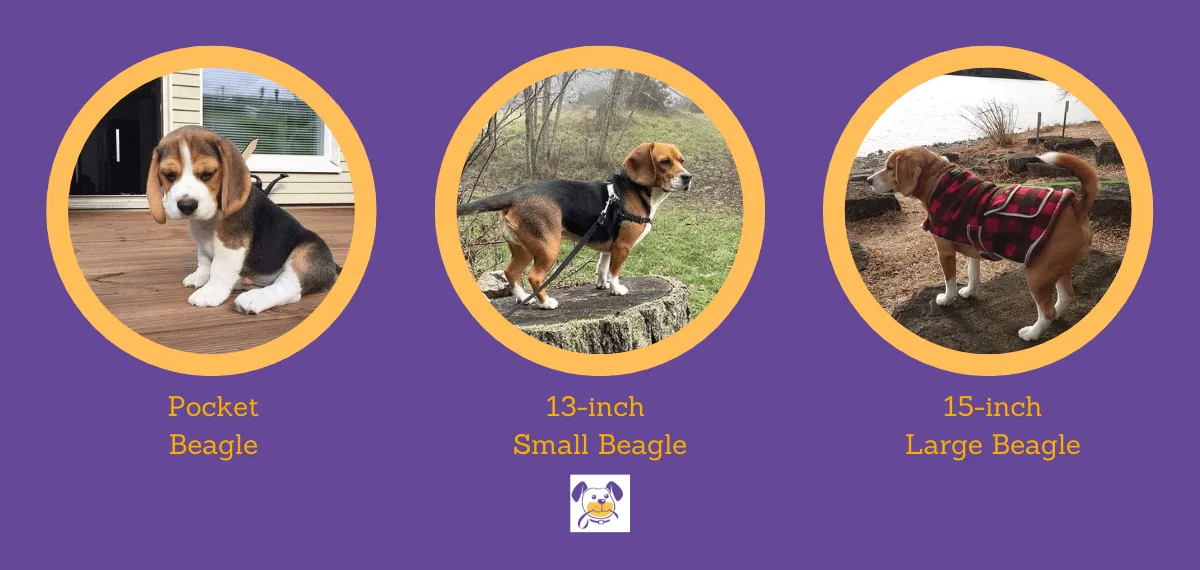
Image source: Bing (Web (fair-use with source credit))
Quechuan vs. Peruvian Inca Orchid
These two are regularly confused because they originate from the same region. The Peruvian Inca Orchid is the more famous and recognized breed, often hairless or coated in solid colors.
The Quechuan is typically coated, sighthound in build, and larger in size. If you see a hairless dog labeled as a Quechuan, it's mislabeled. Check the coat first.
The Practical Problem: Finding, Buying, and Importing a Q-Breed
Let's be blunt. Finding a genuine Q-breed is hard. Most of these dogs live in their country of origin.
The Quechuan stays in Peru. The Quilmes stays in Argentina. The Qinling Panda Dog stays in China.
Where to Start
Your first step is to verify the breed exists in a breeding program at all. Start with international breed databases and regional kennel clubs. The FCI's member organizations are a good starting point for research, though you won't find Q-breeds officially registered there.
Social media has become a hub for rare breed enthusiasts. Facebook groups dedicated to specific breeds, regional farming communities, and preservation societies are where actual breeders share photos and litter announcements.
Import Costs
Bringing a dog internationally is expensive and bureaucratic. USDA regulations require a health certificate, rabies vaccination documentation, and often a microchip. Depending on the country of origin, you may face additional screenings.
Expect to pay between $1,500 and $5,000 for the dog itself, with import costs adding another $1,000 to $3,000 on top. Airline cargo transit, quarantine fees, and vet clearances add up quickly.
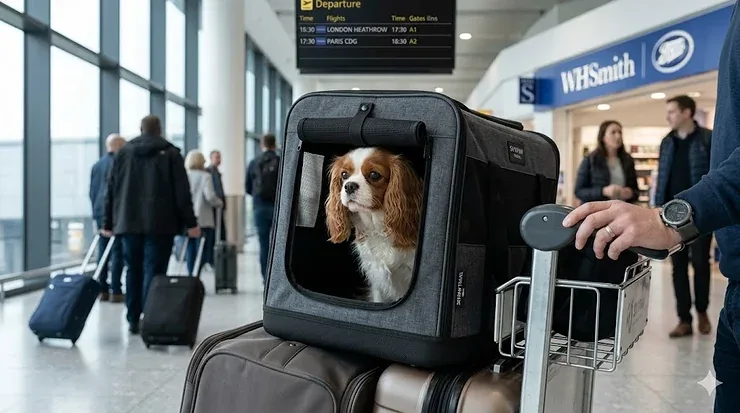
Image source: Bing (Web (fair-use with source credit))
The Scam Risk
Here's a painful truth. The obscurity of Q-breeds attracts scammers. They know you can't easily verify what a "purebred Qinling Panda Dog" looks like.
They'll show you photos of a mixed breed, slap a Q-name on it, and ask for thousands of dollars.
Always ask for parent photos, breed documentation, and a live video call. If a breeder hesitates on any of these, walk away. Legitimate breeders are proud to show their dogs.
Scammers are not.