Meet the V Dog Breeds: Vizsla, Volpino & More
Hunting for "dog breeds that start with V" usually means you've already cycled through every other letter. Labrador, Golden Retriever, Poodle, all the usual suspects. Then you hit V and draw a blank.
It's not your memory failing. There just aren't many.
In fact, as of 2026, the American Kennel Club recognizes only three breeds that start with V, and one of those is just a coat variation of another. But across international registries like the Fédération Cynologique Internationale (FCI), the list stretches further. You've got the athletic Vizsla, the cheerful Petit Basset Griffon Vendéen, and a few rare gems most people have never heard of.
Let's break down every breed that qualifies, what they're actually like to live with, and which one might fit your lifestyle. We'll also cover grooming, health, costs, and the common mistakes new owners make with these breeds.
Quick Answer
Six dog breeds start with V. They are the Vizsla, Wirehaired Vizsla, Petit Basset Griffon Vendéen, Grand Basset Griffon Vendéen, Briquet Griffon Vendéen, and Volpino Italiano. The Villano de Las Encartaciones sometimes appears on lists but is critically rare.
The most common V-breed by far is the Vizsla.
Vizsla: The Velcro Dog Everyone Wants
The Hungarian Vizsla is the breed that put the letter V on the map. Developed in Hungary over a thousand years ago, these dogs were bred as all-purpose hunting companions for Magyar noblemen. They point, they retrieve, and they track.
But what most owners will tell you is that they're also intensely attached to their humans.
The nickname "velcro dog" isn't hyperbole. Vizslas want to be wherever you are, doing whatever you're doing. Whether that's sitting on the couch or running a trail, this dog is your shadow.
That trait endears them to thousands of owners. It also makes them miserable when left alone for long stretches.

Image source: Bing (Web (fair-use with source credit))
What a Vizsla Looks Like
Vizslas are medium-sized, lean, and athletic. They typically stand 21 to 24 inches at the shoulder and weigh between 45 and 65 pounds. Their short coat is a distinctive rusty gold color that ranges from a pale sandy tone to a deep copper.
The breed standard calls it "golden rust." There's no other breed quite like it.
Temperament and Energy
Here's the honest truth. Vizslas are not beginner dogs. They're smart, sensitive, and full of energy that doesn't just disappear after a walk.
We're talking 60 to 90 minutes of vigorous exercise daily, minimum. And that's on an average day. If you're a runner or a hiker, you'll be the perfect partner.
If you prefer weekends on the couch, a Vizsla will find ways to entertain itself. That usually means chewing, barking, or both.
Training and Sensitivity
Vizslas respond beautifully to positive reinforcement. They're eager to please and pick up commands quickly. What they don't respond to is harsh correction.
These dogs are sensitive. Loud voices or rough handling can shut them down entirely. If you're patient and consistent, you'll rarely meet a more trainable breed.
Health and Lifespan
A healthy Vizsla lives 12 to 14 years. The breed faces some genetic challenges worth knowing about. Hip dysplasia is the most common structural issue.
Epilepsy affects a small percentage of the gene pool. Sebaceous adenitis, a skin condition that causes hair loss and scaling, appears in some lines. Responsible breeders screen for these conditions through OFA and CERF programs.
Always ask for documentation.
Who's the Vizsla Best For?
Active individuals and families with room to run. This breed thrives with owners who exercise daily and want a dog that can keep up. If you're a hunter, a trail runner, or a dog-sport enthusiast, the Vizsla will exceed your expectations.
If you work long hours and want a low-maintenance companion, look elsewhere. The Vizsla needs you around.
Wirehaired Vizsla: The Rugged Cousin You Might Prefer
The Wirehaired Vizsla is exactly what it sounds like. A Vizsla with a dense, wiry coat. The breed was developed in the 1930s by crossing smooth-coated Vizslas with German Wirehaired Pointers.
The goal was to create a version of the Vizsla that could handle harsh weather and rough terrain. It worked.
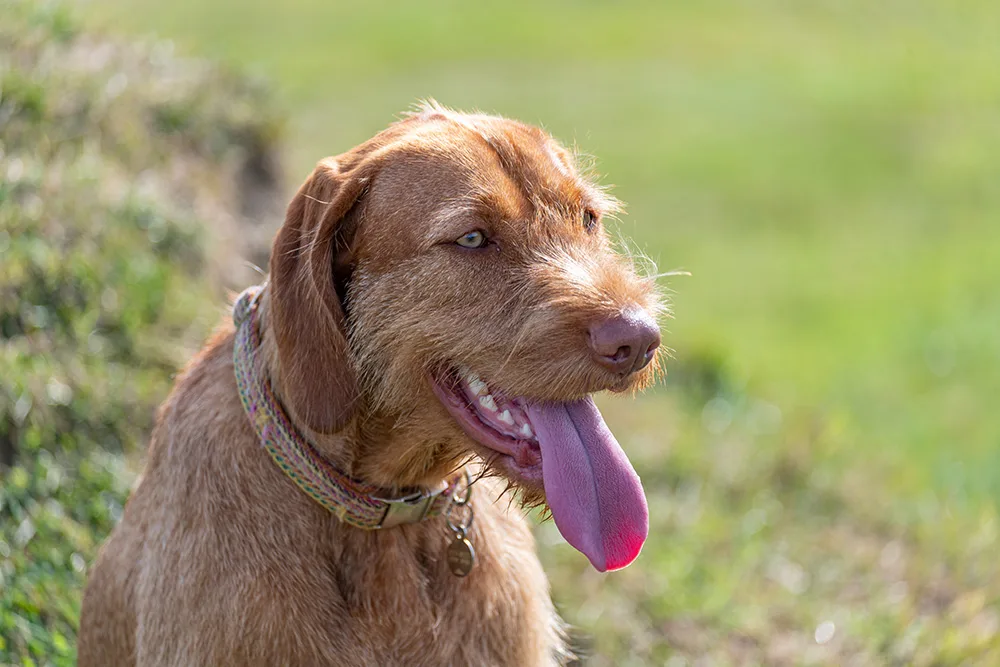
Image source: Bing (Web (fair-use with source credit))
The Big Difference Is the Coat
Instead of a sleek, short coat, the Wirehaired Vizsla sports a dense, rough coat that offers real protection from cold water, brambles, and winter weather. They also have distinctive eyebrows and a beard that gives them a wise, slightly scruffy expression. It's a good-looking dog in an entirely different way.
Grooming Demands
That coat comes with maintenance. Wirehaired Vizslas need regular grooming to prevent matting. The most authentic method is hand-stripping, where dead hairs are pulled out by hand or with a specialized knife.
It preserves the coat's texture and color. Clipping is easier but softens the coat and can dull its color over time. If you plan to show or hunt with your dog, hand-stripping is the preferred approach.
Same Heart, Same Energy
Temperament-wise, the Wirehaired Vizsla is nearly identical to its smooth-coated cousin. Same attachment, same energy, same enthusiasm for work and play. The main difference, besides the coat, is a slightly more independent streak.
It's subtle, but some owners notice it. They're still eager to please, just a touch more stubborn.
Who's the Wirehaired Vizsla Best For?
Hunters and outdoor enthusiasts who need a dog that shrugs off cold and wet conditions. If you're an upland bird hunter who spends long days in the field, the wirehaired variety is a tough, biddable partner. For families, they're just as affectionate as the smooth-coated Vizsla.
You're getting the same dog, just in a weatherproof package.
The Vendéen Hounds: Petit, Grand, and Briquet
The Vendéen hounds come from the Vendée region of western France. They're scent hounds, bred to hunt small game like rabbit and hare through dense brush. What makes them distinctive is their look.
Rough double coats, long ears, and a sturdy, low-slung build. They're built to cover rough ground for hours without tiring.
The group includes three sizes. The Grand Basset Griffon Vendéen is the largest. The Briquet Griffon Vendéen sits in the middle.
The Petit Basset Griffon Vendéen, or PBGV, is the smallest and most popular. All three share the same foundational temperament. Outgoing, determined, and endlessly cheerful.
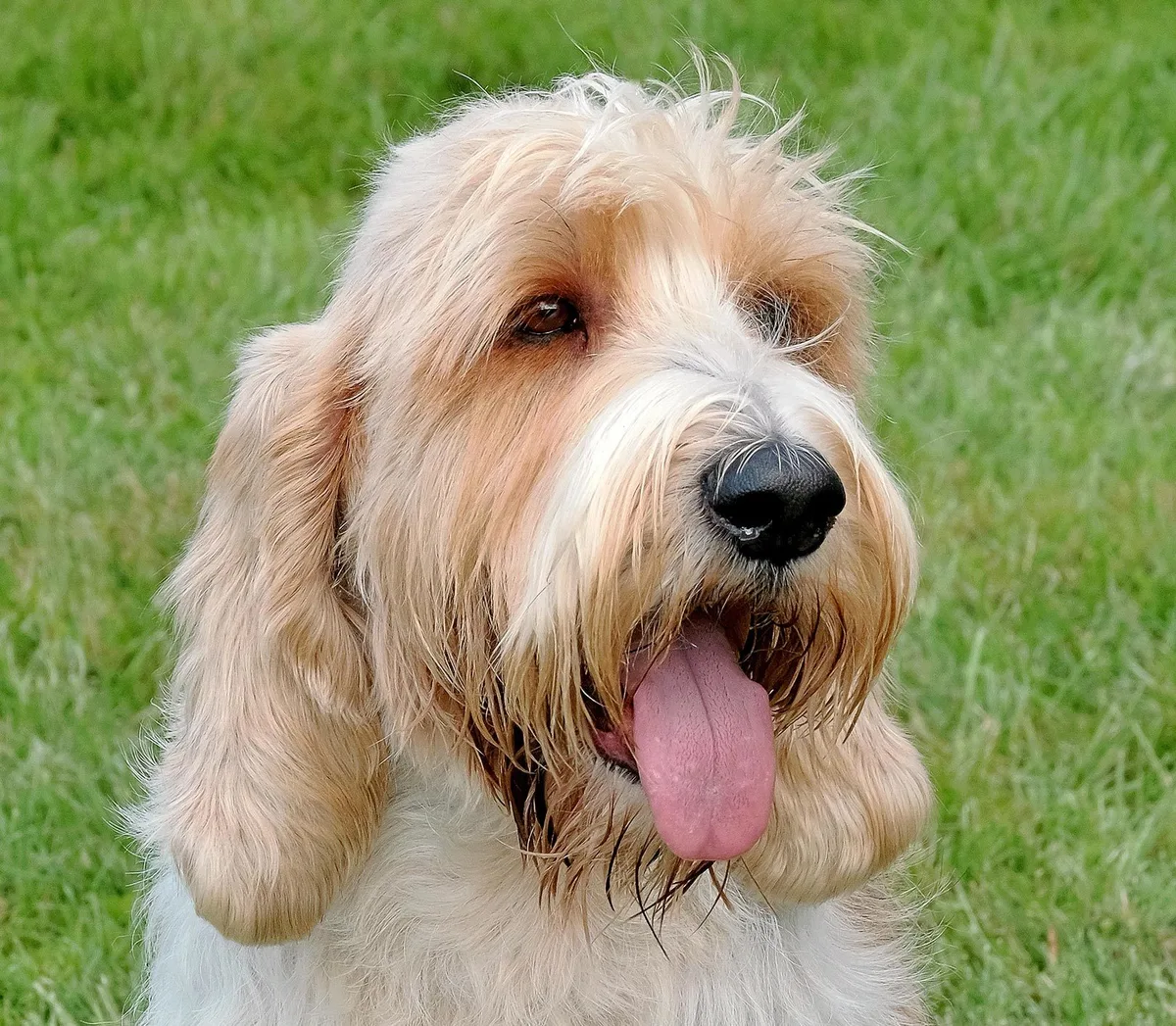
Image source: Bing (Web (fair-use with source credit))
Petit Basset Griffon Vendéen: The Cheerful Small Hound
The PBGV is the best-known of the trio in North America. It stands just 12 to 15 inches at the shoulder and weighs 25 to 40 pounds. That small size hides a big personality.
PBGVs are famously upbeat, affectionate, and always up for an adventure. They adapt well to apartment living, provided they get plenty of exercise and mental stimulation.
Grand Basset Griffon Vendéen: A Big Dog on Short Legs
The Grand Basset Griffon Vendéen is a sturdier, longer-bodied hound. They stand 15 to 17 inches and weigh 40 to 50 pounds. Despite the name, they're not truly "grand" in size.
They're more substantial than the PBGV, with a deeper chest and heavier bone. They need more space and more exercise. They're also more stubborn and harder to train than their smaller cousin.
Briquet Griffon Vendéen: The Middle Option
The Briquet Griffon Vendéen is the least known outside France. It stands 19 to 22 inches and weighs 35 to 45 pounds. The breed was nearly extinct after World War II and remains rare today.
It sits between the Petit and Grand in size and temperament. A more moderate hound, but no less driven when tracking a scent.
Scent Hound Traits You Should Know
All three breeds share the same hound behaviors. They follow their noses, which means they have an incredibly strong prey drive. Off-leash reliability is a serious challenge.
Once a scent is caught, the world disappears. Fenced yards are a must. They're also vocal.
The classic baying sound is music to a hunter's ears. Your neighbors might disagree.
Comparison Table
| Breed | Height | Weight | Energy | Good for Apartments | Trainability |
|---|---|---|---|---|---|
| PBGV | 12-15 in | 25-40 lbs | High | Yes (with exercise) | Moderate |
| GBGV | 15-17 in | 40-50 lbs | High | No | Challenging |
| Briquet | 19-22 in | 35-45 lbs | High | No | Challenging |
Who Are the Vendéen Hounds Best For?
Experienced dog owners who appreciate hound independence but can manage it. These dogs are not eager to please like Vizslas. They work for their own reasons.
That doesn't mean they're untrainable. It just means you need patience, consistency, and a strong sense of humor. They're also fantastic family dogs.
Their playful, outgoing personality is hard to resist.
Rare and Lesser-Known "V" Breeds
Beyond the mainstream options, a few obscure breeds start with V. They're hard to find. Some are nearly extinct.
But they're worth knowing about, especially if you're the kind of person who wants a truly unique companion.
Volpino Italiano
The Volpino Italiano is a small white spitz-type dog from Italy. It stands just 10 to 12 inches tall and weighs 9 to 14 pounds. The breed dates back to ancient times.
Its ancestors were companions to Italian nobility and watchdogs on farms. Today, it's rare even in its home country. Outside Italy, finding one is extremely difficult.
Import costs and waiting lists are significant. If you do find a breeder, expect to pay a premium and wait months or even years.
Villano de Las Encartaciones
The Villano de Las Encartaciones is a Spanish working breed from the Basque Country. It's a medium-to-large mastiff-type dog, historically used to guard cattle and property. The breed is critically endangered.
Only a handful of breeders exist, all in Spain. You won't find one in North America or the UK. This is a breed for preservationists and historians, not typical pet owners.
Västgötaspets and the Swedish Vallhund Naming Debate
The Swedish Vallhund is sometimes listed under V because its Swedish name, Västgötaspets, starts with that letter. The breed is also known as the Swedish Cattle Dog. It's a compact, spitz-type herding dog.
In English-speaking countries, it's almost universally listed under S or V for Vallhund. This one's more of a technicality than a true V-breed. Still, if you're counting every possible entry, it belongs on the list.
The Reality of Owning a Rare Breed
Rare breeds come with real challenges. Finding a reputable breeder is tough. Health issues may be less documented.
There may be no breed-specific rescue you can work with if things don't work out. Before importing a rare breed, research the country's import regulations and quarantine requirements. It's also wise to connect with the breed's official club for the region.
They can guide you through the process.
For more on unique animals that start with other letters, check out our guides on animals that start with J and surprising animals that start with O.
Exercise and Training Requirements for "V" Breeds
Every breed on this list was built to work. That means exercise isn't optional, it's a daily commitment. The exact amount varies by breed, but the baseline is higher than most people expect.
| Breed | Daily Exercise | Mental Stimulation | Training Difficulty |
|---|---|---|---|
| Vizsla | 60-90 min vigorous | High (puzzles, games) | Easy (very trainable) |
| Wirehaired Vizsla | 60-90 min vigorous | High | Easy to Moderate |
| PBGV | 45-60 min | High (scent games) | Moderate |
| GBGV | 60-90 min | Very High | Challenging |
| Briquet | 60-90 min | Very High | Challenging |
How Much Exercise Does Each Breed Need?
Vizslas need at least an hour of running or vigorous play daily. They're natural athletes. A brisk walk isn't enough.
We're talking fetch sessions, trail runs, or off-leash time in a secure area. The Wirehaired Vizsla has the same requirements.
The Vendéen hounds are more endurance-based. PBGVs need 45 to 60 minutes daily, but they prefer sniffing to sprinting. Long walks with plenty of nose time satisfy them more than a short run.
Grands and Briquets need more, closer to 90 minutes.
What Are the Training Challenges?
Vizslas are people-pleasers. They pick up commands quickly and love learning new things. Positive reinforcement works wonders.
Harsh methods shut them down.
Hounds are a different story. PBGVs, Grands, and Briquets were bred to think independently. They're not stubborn out of spite.
They just have their own agenda, and it usually involves following a scent trail. Training requires patience, high-value treats, and consistency. Start early and keep sessions short.
For more on animals with unique traits and behaviors, check out our guide on mammals that start with V.
Grooming, Care, and Maintenance
Grooming needs vary widely across the V-breeds. The Vizsla is famously low-maintenance. The Wirehaired Vizsla and the Vendéen hounds require real commitment.
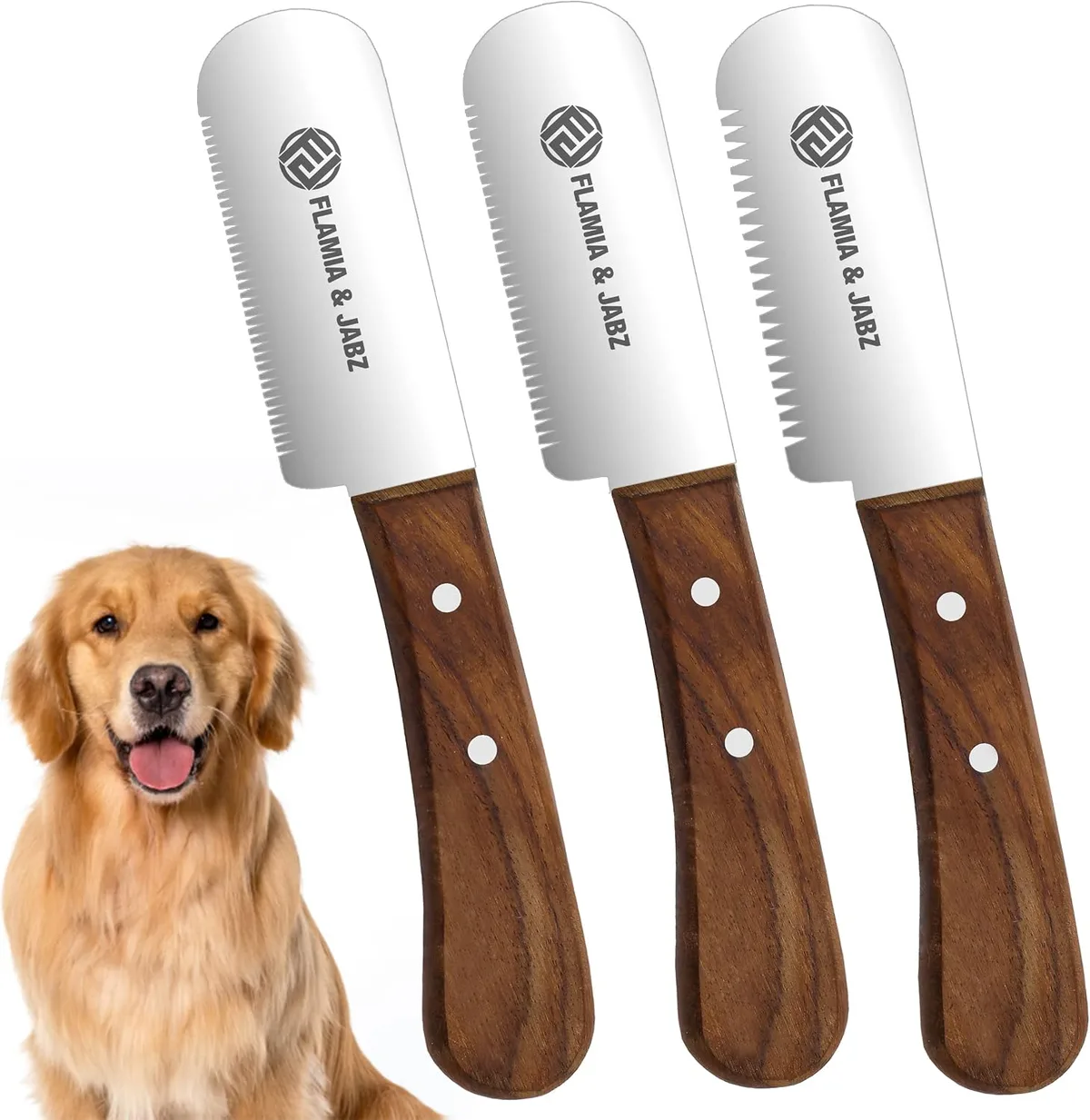
Image source: Web (Bing) / amazon.ca (Web image (fair-use with source credit))
Coat Types and How to Manage Them
Smooth-coated Vizslas shed year-round. A weekly rubdown with a grooming mitt keeps loose hair under control. Baths are needed every few months, not more often.
Nails grow fast in active dogs, so check them weekly.
Wirehaired Vizslas and Vendéen hounds have dense, rough double coats. They need brushing two to three times per week to prevent matting. The Wirehaired Vizsla benefits most from hand-stripping.
This technique preserves the coat's texture and color. It can be learned from a professional groomer or done at home with the right tool.
Ear Care Is Non-Negotiable
All V-breeds have floppy ears. That means poor air circulation and a higher risk of ear infections. Check ears weekly and clean them with a vet-approved solution.
If you notice redness, odor, or your dog scratching, get to a vet quickly.
Seasonal Considerations
Vizslas have almost no cold tolerance. A winter jacket is essential in freezing temperatures. The wirehaired varieties and Vendéen hounds handle cold better, their coats were built for it.
In summer, all breeds need early morning or evening walks to avoid heat stress.
Health Concerns and Lifespan for Each "V" Breed
Each V-breed has its own set of genetic health risks. Knowing what to watch for means catching problems early. That's better for your dog and your wallet.
| Breed | Lifespan | Common Conditions |
|---|---|---|
| Vizsla | 12-14 years | Hip dysplasia, epilepsy, sebaceous adenitis |
| Wirehaired Vizsla | 12-14 years | Same as Vizsla plus lens luxation |
| PBGV | 12-14 years | Patellar luxation, hip dysplasia, IVDD |
| GBGV | 13-15 years | Hip dysplasia, ear infections |
| Briquet | 12-13 years | Hip dysplasia, patellar luxation |
| Volpino Italiano | 14-16 years | Patellar luxation, eye issues |
What Health Testing Should You Ask About?
The Orthopedic Foundation for Animals (OFA) evaluates hips and elbows. The Canine Eye Registration Foundation (CERF) screens for inherited eye disease. Both are trademarks of responsible breeders.
Ask any breeder for documentation. If they can't provide it, that's a red flag. Per OFA standards, hip evaluations shouldn't happen before 24 months of age.
Bloat Risks in Deep-Chested Breeds
Vizslas have deep chests, putting them at risk for gastric dilatation-volvulus, commonly called bloat. It's a life-threatening condition where the stomach twists. Symptoms include a distended abdomen, retching without producing vomit, and restlessness.
Bloat requires immediate emergency care. Prevention includes feeding smaller meals and avoiding vigorous exercise right after eating.
Costs of Owning a "V" Breed
The sticker price for a puppy is only the beginning. Owning a V-breed carries real financial commitment. Here's what to expect.
| Cost Category | Vizsla | PBGV | Rare Breeds |
|---|---|---|---|
| Puppy Price | $800-$2,500 | $1,000-$2,500 | $2,000-$4,500 |
| Annual Food | $500-$700 | $400-$600 | $400-$700 |
| Annual Vet Care | $300-$600 | $300-$600 | $300-$600 |
| Grooming (per session) | $50-$60 | $60-$90 | $60-$100 |
Why Are Rare Breeds So Expensive?
The Volpino Italiano and Villano de Las Encartaciones require imports from Europe. Add flight costs, quarantine fees, and import permits. Those expenses easily double the purchase price.
You're also competing with a tiny pool of available puppies. Waitlists stretch for years.
Hidden Costs to Plan For
Training classes for hounds are almost mandatory. Budget $150 to $300 for group sessions. Pet insurance for a breed prone to hip dysplasia can run $50 to $80 monthly.
And plan for emergencies. Bloat surgery costs thousands. Many owners wish they'd saved more.
Finding a Reputable Breeder vs. Rescue Adoption
Finding a healthy, well-adjusted V-breed starts with choosing your source carefully. Both breeders and rescues have advantages. Neither is inherently better.
It depends on what you want.
What Does a Reputable Breeder Look Like?
Good breeders show you health test results without being asked. They let you meet both parent dogs. They ask you questions, lots of them.
They want to know about your home, your experience, and your plans for the dog. If a breeder has puppies available immediately and asks no questions, walk away.
Red flags include multiple litters at once, no health testing, or prices that seem too good to be true. Ask for references from previous puppy buyers. Visit the facility in person.
Trust your gut.
Why Consider Rescue?
Breed-specific rescues exist for Vizslas and PBGVs. Adopting saves money, typically $200 to $500 in fees. You also give an adult dog a second chance.
Many are already house-trained and know basic commands.
The downside is that rescue dogs have unknown histories. Behavioral challenges may surface after adoption. Work with a rescue that fosters dogs in homes.
They'll have more insight into each dog's personality.
Questions to Ask Before Committing
Whether you adopt or buy, ask these questions. What's the dog's exercise history? How does it react to other dogs, cats, and children?
Has it shown any signs of separation anxiety? What's its current diet and health status? Responsible breeders and rescues will answer openly.
If they're vague, that's a sign to look elsewhere.
For more on animal companions with distinctive traits, explore our article on reptiles that start with A.
Matching the Right "V" Breed to Your Lifestyle
The best V-breed for you depends on your experience, living situation, and activity level. There's no universal answer. But there are clear matches.
First-time owners should start with a Vizsla or PBGV. Both are trainable and adaptable. Experienced handlers can handle the independent Grand or Briquet.
Apartment dwellers should pick a PBGV or Volpino. Families with older children do well with Vizslas and Vendéen hounds. Homes with small pets need caution.
The prey drive in hounds is strong.
If you're a hunter, the Vizsla and Wirehaired Vizsla are top choices. They're natural pointers and retrievers. For scent work, any Vendéen hound shines.
Common Mistakes New Owners Make With "V" Breeds
The biggest mistake is underestimating exercise needs. Vizslas and hounds left alone get destructive. Chewed furniture and barking complaints follow quickly.
Skipping early socialization is another error. Hounds especially need exposure to new people and animals. Without it, they become reactive.
Off-leash reliability is a third common failure. Prey drive means a squirrel wins every time. Use a secure leash or fenced area.
Owners also forget grooming commitments. Wirehaired breeds look messy without regular care. Budget time for brushing or hand-stripping weekly.
Frequently Asked Questions
Are Vizslas good apartment dogs?
Not really. Vizslas need space to run and burn energy. A small apartment can work if you commit to long daily exercise.
Most renters are better off with a PBGV.
Do PBGVs bark a lot?
Yes. They're hounds, and baying is their language. Training can reduce excessive noise.
Neighbors may still hear them.
What's the difference between a Vizsla and a Weimaraner?
Vizslas are rust-colored and more sensitive. Weimaraners are gray and slightly more aloof. Both are athletic and need similar exercise.
Are any "V" breeds hypoallergenic?
None are truly hypoallergenic. Wiry coats shed less but still produce dander. Allergies vary per person.
Which "V" breed is best for hunting?
The Vizsla and Wirehaired Vizsla excel at pointing and retrieving. Vendéen hounds are better for small game tracking.
Final Verdict: Which "V" Breed Should You Choose?
Start with your lifestyle, not the looks. Active singles and families should pick the Vizsla for its loyalty and trainability. Hunters in rough weather prefer the Wirehaired Vizsla.
Apartment dwellers with moderate energy should choose a PBGV. Experienced hound owners wanting a challenge might enjoy a Grand or Briquet.
If you want a rare conversation starter, the Volpino Italiano is worth the hunt. For everyone else, the Vizsla remains the most dependable V-breed on the market.