The Complete List of Dog Breeds Starting With Y
You've probably searched for dog breeds that start with y and come up short. Most lists online toss out the same few names, and half of them don't even check out. So let's clear the air.
As of 2026, the American Kennel Club officially recognizes only two dog breeds that start with y: the Yorkshire Terrier and the Biewer Terrier. That's a much shorter list than most articles will tell you.
The truth gets murkier once you dig into international registries and historical records. The Fédération Cynologique Internationale (FCI) recognizes additional breeds like the Yakutian Laika, while older references still mention Yugoslavian Hounds that no longer appear in modern registries. Understanding which breeds genuinely exist, which are extinct, and which ones fit your lifestyle is where the real value sits.
Let's break it all down.
Quick Answer
Only two dog breeds that start with y are widely recognized today. The Yorkshire Terrier tops the list as the most popular. The Biewer Terrier gained official recognition in 2021.
A third breed, the Yakutian Laika, exists but remains rare outside Russia. Several historical breeds, like the Yugoslavian Hound, are considered extinct. If you're choosing a companion, the Yorkie or Biewer are your realistic options.
The Yorkshire Terrier: The Tiny Titan
The Yorkshire Terrier, or Yorkie for short, is the breed everyone thinks of first. Developed in 19th-century England, these little dogs were originally bred to catch rats in textile mills. Today they're pampered lap dogs, but that working-class grit still runs through their veins.
Size and Appearance
Yorkies typically weigh between 4 and 7 pounds and stand about 7 to 8 inches tall at the shoulder. They're classified in the AKC Toy Group, which tells you everything about their intended role. Their most distinctive feature is their coat, which grows like human hair rather than fur.
It's fine, silky, and typically steel blue on the body with tan on the head and chest.
Personality and Temperament
Don't let the size fool you. Yorkies have outsized personalities packed into tiny frames. They're confident, feisty, and often completely unaware of how small they actually are.
- Alert and curious, Yorkies notice everything happening around them
- Affectionate with their people, they bond deeply and want to be wherever you are
- Terrier stubbornness, they're smart but independent thinkers
- Vocal watchdogs, your Yorkie will announce every visitor, delivery driver, or squirrel
This combination makes them excellent companions for singles, couples, and seniors. They're less ideal for households with very young children, simply because their small bones are fragile. A toddler's enthusiastic grab can cause serious injury.
Grooming and Coat Care
Here's where Yorkies demand real commitment. That gorgeous silky coat requires daily brushing to prevent painful mats from forming. Many owners keep their Yorkies in a shorter "puppy cut" to simplify maintenance.
You'll also need regular trims every 4 to 6 weeks, plus routine ear cleaning and dental care.

Image source: Bing (Web (fair-use with source credit))
The upside? Because Yorkies have hair rather than fur, they shed very little. Many people with mild pet allergies tolerate them well.
Just don't fall for the "completely hypoallergenic" marketing. No dog is truly allergen-free.
Health Concerns
Yorkshire Terriers are generally healthy, but the breed carries some hereditary risks. The most common issues include:
- Patellar luxation, kneecaps that slip out of position
- Tracheal collapse, a weakened windpipe that causes coughing
- Dental disease, tiny mouths mean crowded teeth and plaque buildup
- Portosystemic shunt, a liver condition that can be serious
Aggregate veterinary data suggests Yorkies have moderate health costs compared to other toy breeds. A well-bred Yorkie from a breeder who performs OFA and CERF testing has a better shot at a long, healthy life. Their typical lifespan runs 11 to 15 years, and many exceed that with good care.
The Biewer Terrier: The Yorkie Offshoot You Need to Know
The Biewer Terrier (pronounced BEE-ver) looks like a Yorkie at first glance. Look closer, though, and you'll spot the difference. Biewers carry a striking tricolor coat pattern of black, white, and tan rather than the Yorkie's blue and tan.
A Recent Split From the Yorkie
The breed's story starts in Germany in the 1980s. A Yorkshire Terrier breeder named Werner Biewer noticed puppies born with a recessive piebald gene that produced white patches on their coats. He and his wife Gertrud began selectively breeding for that trait, and the Biewer Terrier emerged as a distinct type.
For years, the Biewer was treated as a Yorkshire Terrier variation. That changed in 2021 when the AKC granted full recognition as its own breed, placing it in the Toy Group alongside its Yorkie cousin.
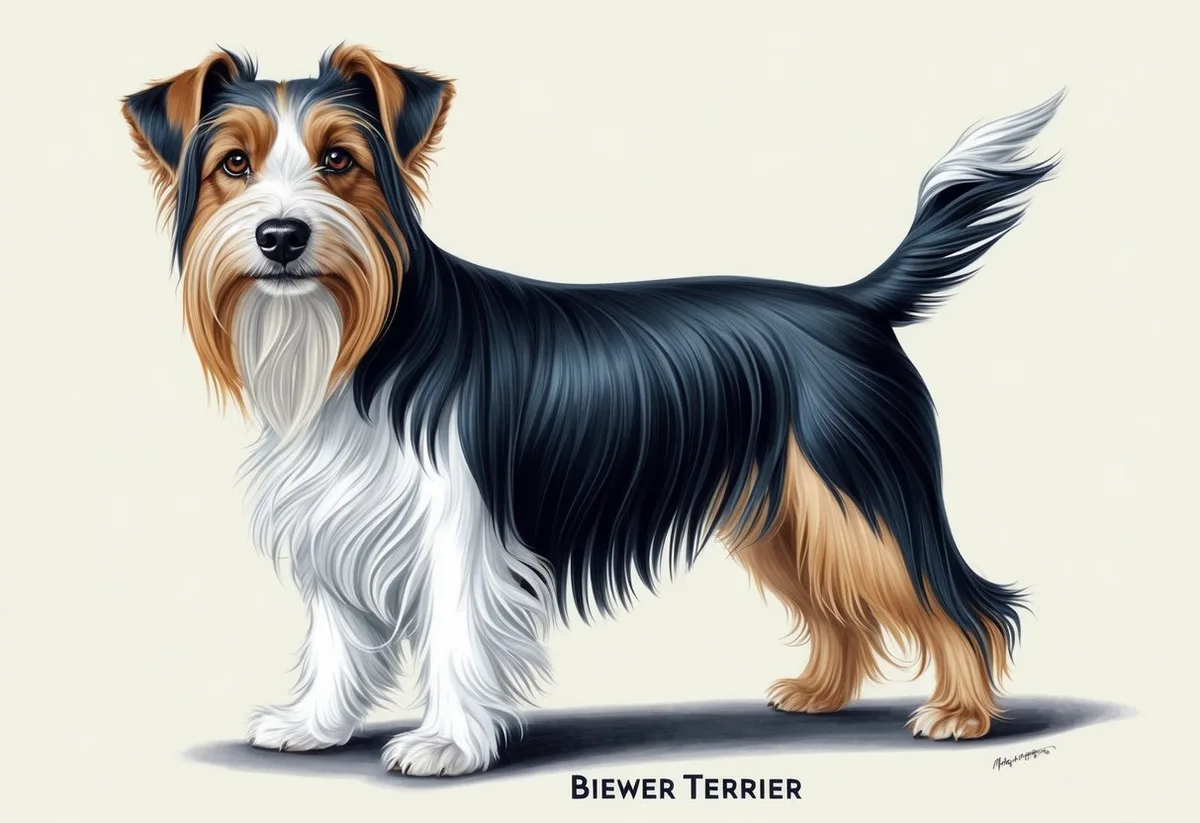
Image source: Bing (Web (fair-use with source credit))
Biewer vs. Yorkie: Key Differences
| Feature | Yorkshire Terrier | Biewer Terrier |
|---|---|---|
| Coat color | Steel blue and tan | Black, white, and tan |
| Weight | 4–7 lbs | 4–8 lbs |
| Height | 7–8 inches | 7–11 inches |
| Temperament | Feisty, bold | Softer, more relaxed |
| AKC recognition | Original breed | Recognized 2021 |
Temperament differences are subtle but real. Biewer owners often describe their dogs as calmer and more even-tempered than classic Yorkies. They're still terriers with all the spunk that implies, just with a slightly gentler edge.
Who Should Consider a Biewer?
The Biewer suits anyone who loves Yorkie traits but wants something a bit more mellow. They're equally good in apartments, bond closely with their people, and carry the same low-shedding coat. Because the breed is newer and rarer, expect to pay a premium and join a waiting list.
Like Yorkies, Biewers need daily brushing and regular professional grooming. Their health profile closely mirrors the Yorkie's, including risks for patellar luxation and dental disease. If you're curious about how they compare to other small canine companions, you'll find plenty of overlap in care requirements.
The Yakutian Laika: A Rare Working Breed from Siberia
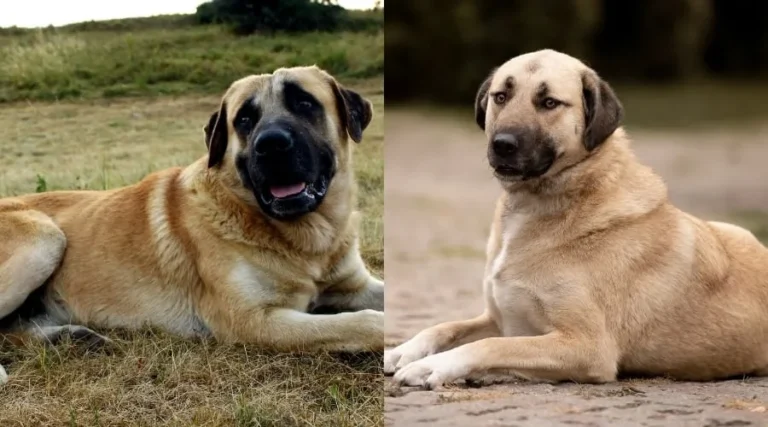
From the toy group, we jump to something completely different. The Yakutian Laika is a medium-sized spitz breed from the Sakha Republic in northeastern Russia. These dogs have pulled sleds, hunted game, and herded reindeer for centuries in one of the harshest climates on Earth.
What Makes the Yakutian Laika Different?
Everything about this breed screams working dog. They stand 20 to 23 inches tall and weigh between 35 and 55 pounds. Their thick double coat protects them from temperatures that regularly drop below minus 40 degrees Fahrenheit.
They're built for endurance, not speed.

Image source: Bing (Web (fair-use with source credit))
The Yakutian Laika is recognized by the FCI but remains rare in North America. Most dogs live in Russia, and reputable breeders outside that region are extremely scarce. If you find a "Yakutian Laika puppy" for sale in the United States, do your homework.
There's a real risk of misrepresentation.
Temperament and Training
This is not a beginner's dog. Yakutian Laikas are intelligent, independent, and full of energy. They were bred to make decisions on their own in the field, which means they don't automatically look to humans for direction.
- High exercise requirements, expect 60 to 90 minutes of vigorous activity daily
- Strong prey drive, small animals trigger chase instincts
- Independent streak, training requires patience and consistency
- Pack mentality, they do best with an experienced owner who provides clear leadership
For the right person, the Yakutian Laika is a loyal, hardworking partner. For someone expecting a laid-back family pet, it would be a disaster. This breed needs space, a job, and an owner who understands working dog psychology.
Living With a Yakutian Laika Outside Russia
Even before you get to daily care, there's the question of housing. This breed thrives in cold climates with room to run. Apartment living is a poor fit.
A fenced yard, ideally with some acreage, is nearly essential.
Grooming needs are the opposite of a Yorkie. The Yakutian Laika sheds heavily, especially during seasonal coat blows. You'll be brushing several times a week and finding fur on everything you own.
The tradeoff is that their coats are naturally dirt-resistant and need bathing only occasionally.
Health-wise, the breed is generally robust. The gene pool is small outside Russia, so responsible breeders prioritize genetic diversity. Hip dysplasia and eye conditions are the main concerns.
In our research, the average lifespan sits around 10 to 12 years, typical for a breed of this size. If you're interested in similar working dogs, you might also enjoy exploring sled-pulling breeds from other regions.
The Yugoslavian Hounds: Extinct or Historical Breeds
Scroll through older dog encyclopedias and you'll encounter the Yugoslavian Hound and Yugoslavian Mountain Hound. These Balkan scent hounds existed in significant numbers during the 20th century. They were skilled tracking dogs used for hunting wild boar and deer in rugged terrain.
What Happened to Them?
The short answer is that they were absorbed into other breeds or simply bred out of existence. When Yugoslavia dissolved in the 1990s, the breeding programs that maintained these hounds fragmented. The FCI still lists them in some historical records, but they're no longer actively registered or shown in meaningful numbers.
Modern kennel clubs like the AKC have never recognized them. If you see a "Yugoslavian Hound" listed for sale or adoption today, be extremely cautious. The breed is effectively extinct in its original form, and what you're likely looking at is a mixed-breed dog with an imaginative label.
Should You Include Them in Your Search?
No, and here's why. When you're researching dog breeds that start with y, you want breeds you can actually find, meet, and potentially bring home. Historical breeds don't fit that criteria.
They're interesting for dog history buffs, but they're not a realistic option for someone looking to add a new family member.
That said, understanding their existence helps explain why some lists online look longer than the actual current reality. A list that includes multiple Yugoslavian variants is counting breeds that no longer actively exist. A list that shows only Yorkie, Biewer, and Yakutian Laika is far closer to what you'll actually encounter.
Side-by-Side Comparison: Size, Lifespan, Care, and Cost
Let's put everything in one place so you can see the real differences at a glance. This table covers the three active breeds plus notes on what you'd be dealing with for each.
| Attribute | Yorkshire Terrier | Biewer Terrier | Yakutian Laika |
|---|---|---|---|
| Size | 4–7 lbs, 7–8 in | 4–8 lbs, 7–11 in | 35–55 lbs, 20–23 in |
| Lifespan | 11–15 years | 12–15 years | 10–12 years |
| Coat type | Silky hair, minimal shed | Silky hair, minimal shed | Dense double coat, heavy shed |
| Grooming | Daily brushing, monthly trims | Daily brushing, monthly trims | Weekly brushing, seasonal blowout |
| Exercise needs | 30 min daily | 30 min daily | 60–90 min daily |
| Temperament | Bold, feisty, affectionate | Calmer, gentle, loyal | Independent, energetic, hardworking |
| Apartment friendly | Yes | Yes | No |
| Good with kids | Older children only | Older children only | Not recommended |
| Price range | $800–$3,000 | $1,500–$4,000 | $1,000–$2,500 (if available) |
| Recognition | AKC, FCI, UKC | AKC, FCI | FCI |
| Availability | Widespread | Growing, but limited | Very rare outside Russia |

Image source: Web (Bing) / hvc.winebizradio.com (Web image (fair-use with source credit))
A few things stand out from this comparison. The Yorkie and Biewer are nearly identical in care requirements, differing mainly in coat color and temperament. The Yakutian Laika is a completely different proposition.
It's larger, more demanding, and significantly harder to find.
If you're comparing small breeds, you'll find the Yorkie's care profile similar to other toy breeds like the Maltese or toy poodle mixes. But the Biewer offers that same package with a unique coat pattern and slightly softer personality.
Cost is another differentiator. The Biewer's rarity pushes prices higher, especially for puppies from champion lines. The Yakutian Laika's price is misleading because actually finding one outside Russia is the real challenge.
A low price on a rare breed should immediately raise suspicions about the seller's legitimacy. If something seems too good to be true, it almost always is, and that's especially true with rare and semi-extinct breeds like the Yugoslavian hounds we discussed.