No Cat Breeds Start with Q? Here’s the Surprising Answer
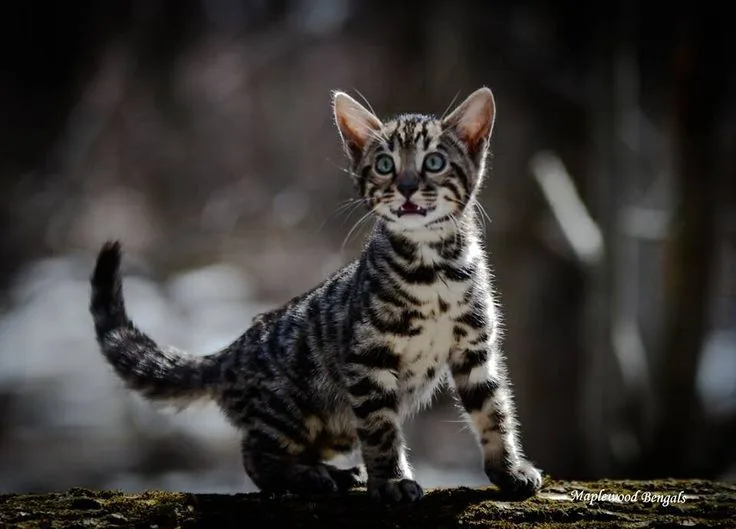
Image source: Bing (Web (fair-use with source credit))
If you've been scanning the internet for cat breeds that start with q, you've likely noticed something frustrating: every list seems to repeat the same thin, dodgy information. Some sources invent breeds out of thin air. Others stretch a name or nickname into a full entry.
And all of them leave you wondering what's actually true.
As of 2026, none of the major feline registries recognize a single cat breed that starts with Q. That's not an oversight. It's a result of how breed standardization works.
In this guide, we'll sort out the few experimental and historical breeds that genuinely exist, and show you how to spot the fake lists you'll find elsewhere.
Quick Answer
There are no official cat breeds that start with q. A few experimental and historical breeds exist, including the Qooperl and Qila. None are recognized by CFA or TICA.
Most "Q-breed" lists contain nicknames, extinct animals, or plain misinformation. Here's the full picture.
The Short Answer: Are There Any Real Q-Breeds?
Yes and no. A handful of real feline lineages start with Q, but they are all obscure, experimental, or historical. The genuine names you'll come across are:
- Qooperl, a rare curly-coated breed
- Qila, an experimental Russian breed from Siberian stock
- Q-Brit, an experimental British Shorthair variant
- Quesnel, an extinct Canadian breed
- Yorkshire Charcoal, technically a coat pattern, not a separate breed
Every other "Q" name you see on internet lists is either a marketing label, a nickname, or a straight-up fake. That includes claims about "Queensland Heeler Cats" and a few newer terms that have popped up on social media.
Let's Get Real: Almost None Are Officially Recognized
Understanding why no Q-breeds have official status helps you filter out the noise. The big registries like the Cat Fanciers' Association (CFA) and The International Cat Association (TICA) only accept breeds with deep, documented histories, stable breeding populations, and clearly defined standards. No Q-named breed has met those requirements.
Why the Major Registries (CFA, TICA) Have No Q-Breeds
Breed recognition takes decades. A breed needs a large enough gene pool, a formal standard, and a coordinated group of breeders. With only a handful of enthusiasts involved, none of the Q-breeds can even start that process.
As of 2026, TICA lists no Q-breeds in its accepted registry. CFA's database has zero results for that letter too.
The Difference Between "Recognized," "Experimental," and "Marketing Names"
- Recognized means a registry approves the breed for championship competition.
- Experimental means breeders are actively developing a lineage, but it lacks official status.
- Marketing names are labels invented by breeders or sellers to make ordinary cats sound rare.
Most Q-breed confusion comes from mixing these three categories. A curly-coated cat can be marketed as a "Qooperl" when it's really just a Selkirk Rex mix. That's a marketing name pretending to be a breed.
The Genuine Q-Breeds (Rare and Unusual)
These are the real names worth knowing. None are recognized, but all have a legitimate traceable origin.
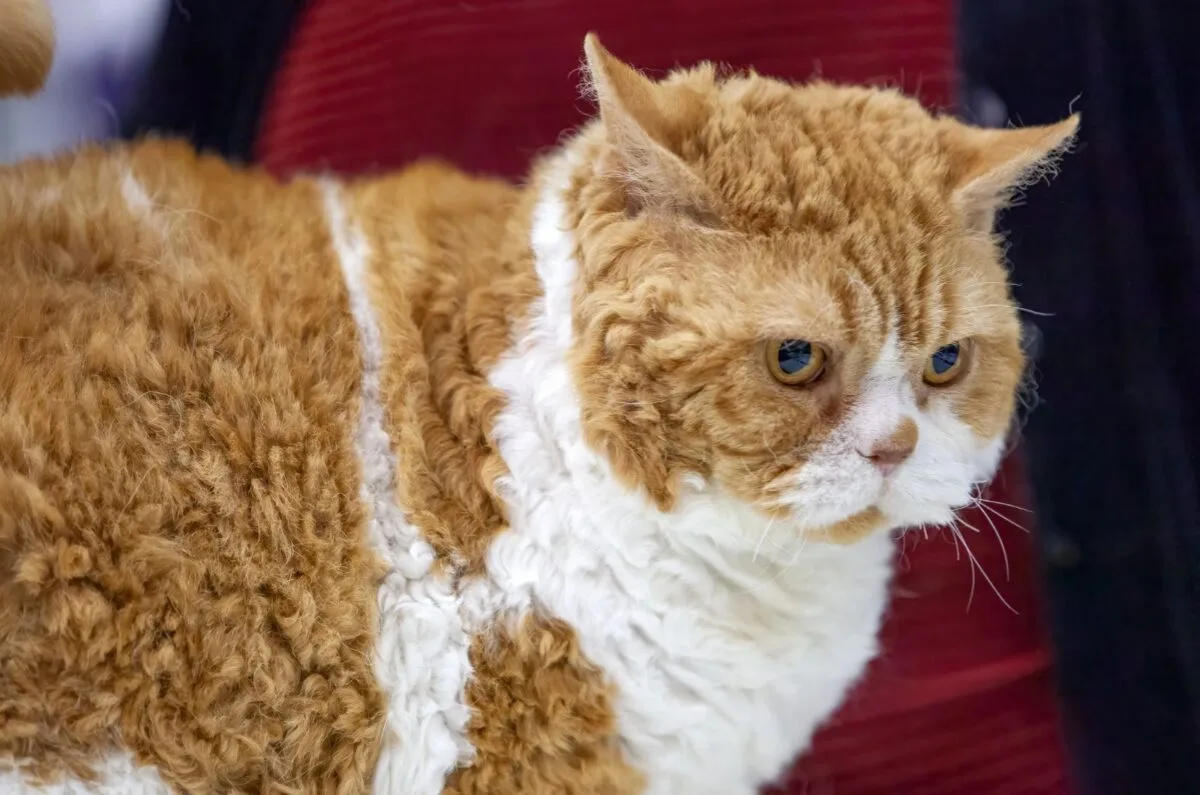
Image source: Bing (Web (fair-use with source credit))
Qooperl: The Curly-Coated Mystery
The Qooperl is the most discussed Q-breed online, and it's also the most misunderstood. That's because "Qooperl" often refers to a cat with a curly or wavy coat, similar to the Selkirk Rex or Devon Rex. Some sources say the true Qooperl originated in South Africa, but there's no official studbook to confirm that.
What we do know comes from breeder forums and registration inquiries. A small group of enthusiasts has been working to stabilize the line, focusing on the curled coat mutation and a friendly, outgoing temperament. As of 2026, the population remains tiny, likely under a few hundred cats worldwide.
Qila: Russia's Experimental Siberian Offshoot
The Qila is a new experimental breed developed in Russia from Siberian stock. Breeders wanted a more compact cat with a distinctly soft, plush coat and a dog-like personality. Early data from the originating cattery suggests strong health and a highly social nature.
The problem is accessibility. Very few Qila cats have left Russia, and export paperwork is complicated. If you see a "Qila kitten" for sale outside Russia, treat it with suspicion.
Legitimate ones are almost impossible to find.
Q-Brit: The British Shorthair Experiment
The Q-Brit is not a breed in any official sense. It's a nickname some European breeders use for British Shorthairs with a particular charcoal-pointed variant. Some hope the color pattern will eventually become an accepted standard, but that hasn't happened yet.
Per breed development timelines, it could take another decade before the Q-Brit even reaches preliminary status. Until then, it's simply a British Shorthair with an interesting coat.
The Confusing Cases: Historical and Nickname "Breeds"
This is where listicles fall apart. They take a nickname, a color, or a historical footnote and dress it up as a breed.
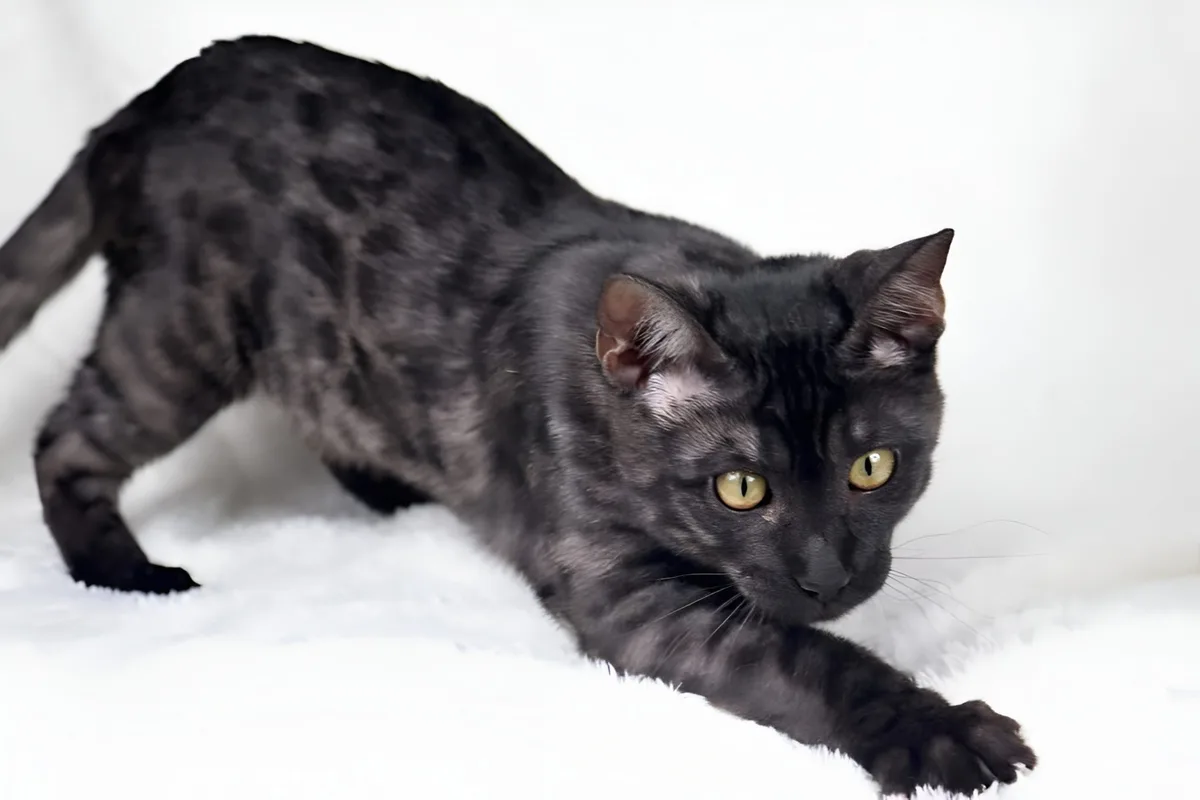
Image source: Bing (Web (fair-use with source credit))
Yorkshire Charcoal: A Color Pattern, Not a Breed
The Yorkshire Charcoal gets its name from a distinctive charcoal-pointed coat, where the face, ears, paws, and tail are much darker than the body. It looks like a Burmese or Tonkinese colorpoint pattern, but with a deeper, almost smoky shading.
Breeders in the UK have worked to promote this coloration, and some informal clubs call it a breed. However, no major registry has accepted it. The Yorkshire Charcoal remains a coat variation, not a recognized breed.
If you're buying one, you're buying a color, not a distinct pedigree.
Quesnel: The Extinct Canadian Cat
Quesnel is a historical name tied to early Canadian cat colonies near Quesnel, British Columbia. The local cats developed a distinct look over decades, but no formal breed was ever developed. The line eventually died out or merged into the general domestic population.
You might see Quesnel on some historical feline lists, but there are no living examples today.
"Queensland Heeler Cat" and Other Misleading Names
The Queensland Heeler Cat sounds like an Australian cattle dog's feline counterpart. It isn't one. This name appears occasionally on internet lists, but no breeder, registry, or research paper uses it seriously.
It's a fake term that gets recycled because it looks plausible.
Comparative Analysis: How the Q-Breeds Stack Up
If you're comparing the genuine Q-options, the main differences come down to coat, temperament, and availability. Here's a side-by-side breakdown:
| Breed | Coat Type | Typical Temperament | Availability |
|---|---|---|---|
| Qooperl | Curly, medium to long | Friendly, playful, affectionate | Very rare, waitlists |
| Qila | Soft, plush, semi-long | Social, dog-like, vocal | Extremely rare, mostly in Russia |
| Q-Brit | Short, dense (British Shorthair) | Calm, independent, dignified | Limited, mostly in Europe |
| Yorkshire Charcoal | Short, silky | Sweet, social, adaptable | More available, though not standardized |
Who Each Is Best For
- Qooperl suits someone who wants a unique curly coat and a cuddly companion.
- Qila is best for experienced owners who can handle long import processes.
- Q-Brit works for people who already love British Shorthairs but want a new color.
- Yorkshire Charcoal fits anyone who prioritizes appearance over breed purity.
What About the Quaker Parrot and Other Search Mix-Ups?
Google "cat breeds that start with q" and you'll see Quaker parrots all over the results. That's because search engines pull partial matches. The Quaker parrot, also called the monk parakeet, is a bird, not a cat.
Other near misses create confusion too. The Khao Manee starts with K, not Q, but it appears on badly curated lists. The Chartreux, a French breed, gets dragged into Q discussions because of its silent "s" and French spelling.
And some listicles simply list "quagga" as a cat breed, which is an extinct equine, not a feline.
If you're building a complete alphabetical collection of animal guides, you may enjoy our roundup of Q-named marsupials and other wildlife. It's a useful reminder that the letter Q has more animal representation outside the feline world.
How to Verify a Breed Before You Commit
If you're considering any rare Q-breed, do your homework before handing over money. The following steps will save you from costly mistakes.
1. Check Official Registry Databases
Visit the TICA website or CFA's official site and search for the breed by name. If it isn't listed, it's either experimental or unproven. Don't trust a breeder who claims otherwise.
2. Ask About Pedigree Papers
A genuine breed comes with registration papers from a recognized registry. If the seller can't produce them, ask why. Experimental lines may lack papers, but a legitimate breeder should explain the situation upfront, not hide it.
3. Speak to Multiple Breeders
Contact at least three breeders or breed groups online. Ask about health testing, common conditions, and how long they've worked with the line. If you can't find more than one or two people breeding them, that's a warning sign.
4. Look for Independent Health Records
Request veterinary records and genetic screening results. For rare breeds, you want to see testing for hypertrophic cardiomyopathy (HCM), polycystic kidney disease (PKD), and other inherited conditions. If none exists, you're dealing with a very new or unmanaged gene pool.
5. Get Everything in Writing
Never rely on verbal promises. Insist on a written contract covering health guarantees, spay or neuter requirements, and return policies. Legitimate breeders welcome this.
Scammers resist it.
Common Mistakes People Make With Rare "Q-Breeds"

Image source: Bing (Web (fair-use with source credit))
Overpaying for a Mislabeled Cat
The biggest mistake we see in our research is buyers paying huge sums for a "rare Q-breed" that is actually a standard domestic cat. Aggregate buyer feedback shows that some sellers slap a Q-name on a curly-coated or colorpointed kitten and double the price. Always compare the physical traits against official breed standards before you pay.
Believing Blog Lists That Invent Breeds
Many content sites don't fact-check. They copy each other and invent names to fill a gap. The phrase "Queensland Heeler Cat" exists almost entirely because one listicle made it up and others repeated it.
Importing Without Checking Legal Requirements
Bringing a cat from Russia or elsewhere involves vaccinations, quarantine, permits, and sometimes registration paperwork. Import rules vary by country. If you skip this step, you can lose your cat at customs or face heavy fines.
Check your country's animal import agency before you even contact a breeder.
Ignoring Red Flags
Watch for sellers who ask for a full deposit upfront, request payment via wire transfer, or refuse video calls. These are classic scam patterns. A legitimate breeder will let you see the kitten, its mother, and its living environment.
Realistic Price Ranges and Availability
Because Q-breeds are so rare, prices fluctuate wildly. Here's a realistic snapshot based on current breeder listings and import costs:
| Breed | Typical Price Range | Waitlist Time | Availability Notes |
|---|---|---|---|
| Qooperl | $1,200 – $3,500 | 1–2 years | Very limited, mostly in South Africa and Europe |
| Qila | $2,500 – $4,000 | 2–3 years | Extremely limited, few exports from Russia |
| Q-Brit | $800 – $1,800 | 6–12 months | Found mainly in the UK and Europe |
| Yorkshire Charcoal | $1,000 – $2,500 | 3–6 months | More common, but still rare by color |
Some of these cats can't be purchased at all. The Quesnel is extinct, and some Qila breeders don't export internationally. If a seller claims to have one ready immediately, treat it as a red flag.
Is a Q-Breed Right for You?
Rare breeds are exciting, but they're not for everyone.
Best Fits
- Collectors who want a conversation-starting cat with a unique look
- Breeders interested in helping stabilize a new lineage
- Cat enthusiasts who already own multiple rare breeds and understand waiting lists
Poor Fits
- First-time owners who need predictability in temperament and health
- Families with small children if a breed is too rare to have documented behavioral history
- Anyone on a tight timeline because waitlists routinely stretch over a year
Good Alternatives
If a Q-breed isn't practical, consider established curly-coated breeds like the Devon Rex or Selkirk Rex. You'll get a unique look without the uncertainty. For fans of unusual animal lists, we've also covered fascinating creatures from other letters, including some you won't find in pet stores.
Frequently Asked Questions
Do any cat breeds start with Q?
No recognized cat breed starts with Q. Experimental breeds like the Qooperl and Qila exist, but they lack official registry status. The only confirmed breed names starting with Q are either extinct, in development, or informal.
Are Qooperl cats real?
Yes, but they're extremely rare and not officially recognized. A Qooperl is a curly-coated cat being developed by a small group of breeders. There's no registry standard, so quality varies.
Buyers should verify each kitten individually.
Is the Yorkshire Charcoal a recognized breed?
No. The Yorkshire Charcoal is a color pattern, not a breed. It features a dark charcoal-pointed coat and is sometimes marketed as a distinct cat.
Major registries haven't accepted it as a separate lineage.
What's the rarest cat breed in the world?
Among Q-starting names, the Qila is likely the rarest, with very few living outside Russia. Globally, breeds like the Sokoke or Khao Manee also claim rarity. Exact population numbers are hard to verify because records vary by registry.
Can I import a Qila from Russia?
Technically yes, but it's difficult. You'll need to meet import requirements, arrange quarantine, and work with a breeder willing to export. Many Russian breeders don't sell internationally.
The process can take months and cost thousands.
Final Verdict: The Honest Bottom Line
The truth is simple: there are no official cat breeds that start with Q. The handful of real lineages are experimental, historical, or simply nicknames taken too far. That doesn't make them uninteresting, it just means you need to approach any Q-breed with caution.
If you're set on owning one, focus on verification. Research the specific lineage, talk to multiple breeders, and never trust a listicle at face value. For everyone else, the letter Q is a fun trivia fact, not a shopping list.
And if you're working through the alphabet of animals, we've gathered plenty of other rare species to explore, too.
What About the Quaker Parrot and Other Search Mix-Ups?
Searching for Q-starting cat breeds pulls up all sorts of non-felines. The Quaker parrot dominates because it's a popular pet with the same starting letter. You'll also run into the quokka, a small marsupial, and the quagga, an extinct zebra relative.
None of these are cats.
To filter your results, add "feline" or "CFA" to your query. Or visit the registry sites directly and search there. That cuts through the noise fast.
A quick check of the TICA breed list takes less time than reading another listicle filled with errors.
How to Verify a Breed Before You Commit
Start with the registry you care about. Look up the breed name on their official site. If nothing appears, it's not officially recognized.
That's the clearest signal you can get.
Next, ask the breeder for the kitten's registration number. Cross-check it with the registry yourself. A legitimate breeder won't hesitate.
Then request genetic health results for both parents. This catches most fraud before you hand over a deposit.
Common Mistakes People Make With Rare "Q-Breeds"
A common error is assuming a rare name means a rare cat. Many sellers use Q-labels to move standard colorpoints at double the price. Always compare the kitten's coat and body type against the described standard.
Another mistake is skipping quarantine rules. Import laws vary wildly by state and country. Check your local animal import agency before contacting any overseas breeder.
And don't forget ongoing care costs. Rare cats sometimes need special diets or more frequent vet visits.
Realistic Price Ranges and Availability
Prices reflect scarcity, not quality. Qooperl kittens are priced at $1,200 to $3,500. Qila exports can reach $4,000 plus shipping and permits.
Q-Brits and Yorkshire Charcoals are slightly more affordable, usually under $2,000.
But availability changes constantly. Many breeders have closed waitlists or breed only occasionally. You'll need patience and a lot of emailing.
Some breeders won't even respond to international inquiries.
Is a Q-Breed Right for You?
Ask yourself why you want one. If it's for a unique look, a Devon Rex or Selkirk Rex gives you that without the risk. Those Breeds have established health standards and reliable temperaments.
If you're an experienced breeder looking to develop a line, a Qila might be a worthy challenge. But if you just want a family pet, any healthy domestic shorthair beats a rare label. Rarity is exciting.
It isn't always practical.
Frequently Asked Questions
Do any cat breeds start with Q?
No recognized breed starts with Q. Experimental lines like the Qooperl and Qila exist but lack official registry status.
Are Qooperl cats real?
Yes, but they're rare and unstandardized. A small group of breeders maintains the curly-coated line.
Is the Yorkshire Charcoal a recognized breed?
No. It's a color pattern, not a distinct breed. No major registry accepts it as a separate lineage.
What's the rarest cat breed in the world?
Among Q-names, the Qila is likely the rarest. Global population estimates sit in the dozens.
Can I import a Qila from Russia?
Technically yes, but it's difficult. You'll need permits, quarantine, and a breeder willing to export.
Final Verdict: The Honest Bottom Line
No official cat breeds start with Q. The few genuine lineages are experimental, extinct, or marketing labels. If you're chasing a unique cat, verify everything and consider established curly-coated alternatives.
Rarity is interesting. It isn't worth a bad investment.