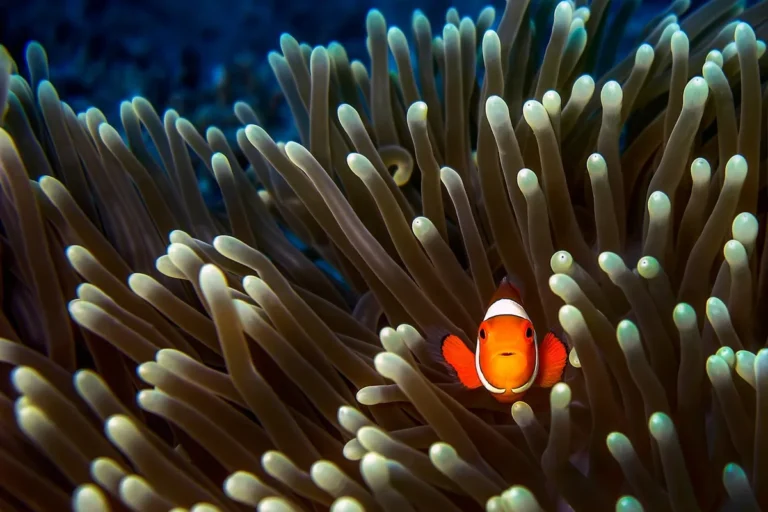
Reptiles That Start With O: From Orinoco to Ornate
Looking for reptiles that start with o? You're probably working on an alphabet project, planning a wildlife trip, or just curious which scaly creatures claim that letter. It's trickier than it sounds, because 'O' doesn't offer an obvious star like 'alligator' or 'iguana.' The good news is that there are more 'O' reptiles than you'd imagine.
The list runs from desert lizards to ocean-dwelling snakes, and it even includes one critically endangered crocodile. As of 2026, the Reptile Database recognizes over 12,000 living reptile species. The letter O claims a respectable slice of that total.
Let's sort them out visually, because with names like "ornate" and "ocellated," a photo saves you a world of confusion.
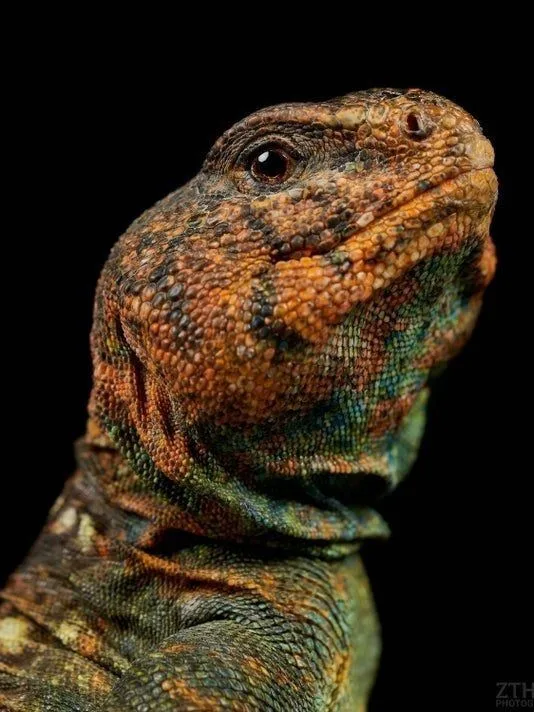
Image source: Bing (Web (fair-use with source credit))
The Quick Answer: Reptile Species Starting With O
Reptiles that start with O include nine notable species. They span lizards, snakes, turtles, and one crocodile. The best-known are the ornate uromastyx and the Ouachita map turtle.
Here's the full list.
- Ornate uromastyx: spiky-tailed desert lizard, popular in the pet trade
- Ocellated skink: smooth-scaled lizard with eye-like spots along its sides
- Oustalet's chameleon: one of the largest chameleons on Earth, from Madagascar
- Olive python: big, non-venomous constrictor from northern Australia
- Orinoco crocodile: critically endangered crocodilian in Venezuela and Colombia
- Ouachita map turtle: river turtle with a ridged shell and yellow head markings
- Ornate box turtle: grassland turtle with a patterned, dome-shaped shell
- Oaxacan milksnake: tri-colored, harmless snake from southern Mexico
- Olive sea snake: highly venomous but rarely aggressive marine snake
The names you'll actually see on lists and field guides
These are the common names you'll find on zoo signs, field guide pages, and school handouts. Field guides sometimes flip the word order, like "uromastyx, ornate" instead of "ornate uromastyx." Search for the scientific name if you want to be precise. For most readers, the common name is enough to start.
A quick visual orientation: why both common and scientific names matter here
In our research, we found that O is a tricky letter because many scientific names start with O while the common names don't. The green snake genus is Opheodrys. The taipan genus is Oxyuranus.
If you rely purely on science names, the alphabet list changes completely. If you're also covering the mammal side, our O-mammal guide fills in the otter and okapi gap.
Why Visuals Matter for "O" Reptiles
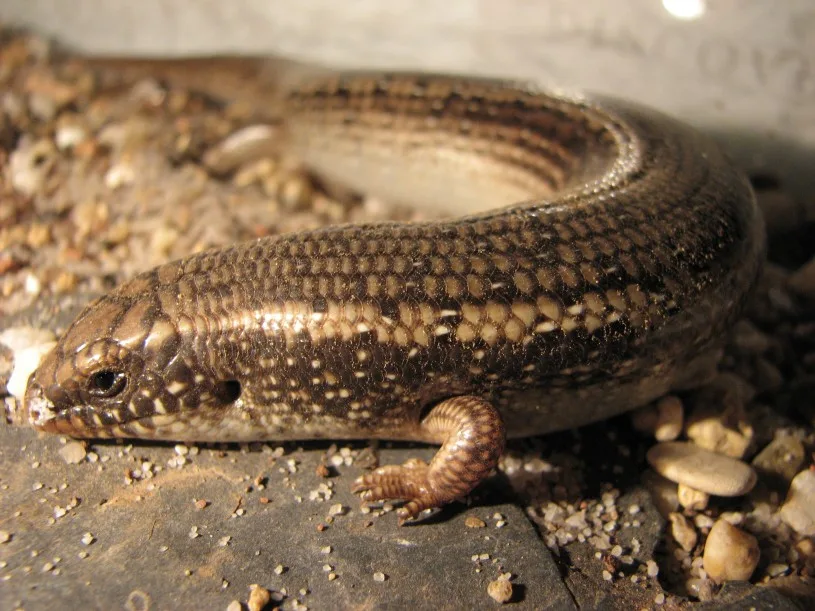
Image source: Bing (Web (fair-use with source credit))
The words "ornate" and "ocellated" show up again and again on the O-list. They're descriptive, but they don't tell you what the animal actually looks like. Two very different reptiles can share one of those names.
That's when a photo becomes essential.
The "ornate" and "ocellated" confusion: Two Words, Dozens of Unrelated Species
Ornate means decorated, usually with complex patterns. Ocellated means marked with eye-like spots. The ornate uromastyx is a spiky desert lizard.
The ornate box turtle is a smooth-shelled land turtle. Both are "ornate," yet you'd picture them completely wrong with only words to go on. The same confusion happens with the ocellated skink and the ocellated lizard.
They're different families on different continents.
When a photo beats a description every time
A field guide description like "keeled dorsal scales with a pale lateral stripe" is hard to picture. A single photo sticks in your memory forever. Since this article is built around visual identification, we've included photos of the species that cause the most headaches.
The image above shows an ocellated skink and its famous eye-like spots.
For official taxonomy and accepted species names, the Reptile Database keeps everything straight. You'll also see the same naming pattern in our C-species guide, where common names and scientific names blur together.
The Main Event: Reptiles You'll Actually Recognize (Visual Guide)
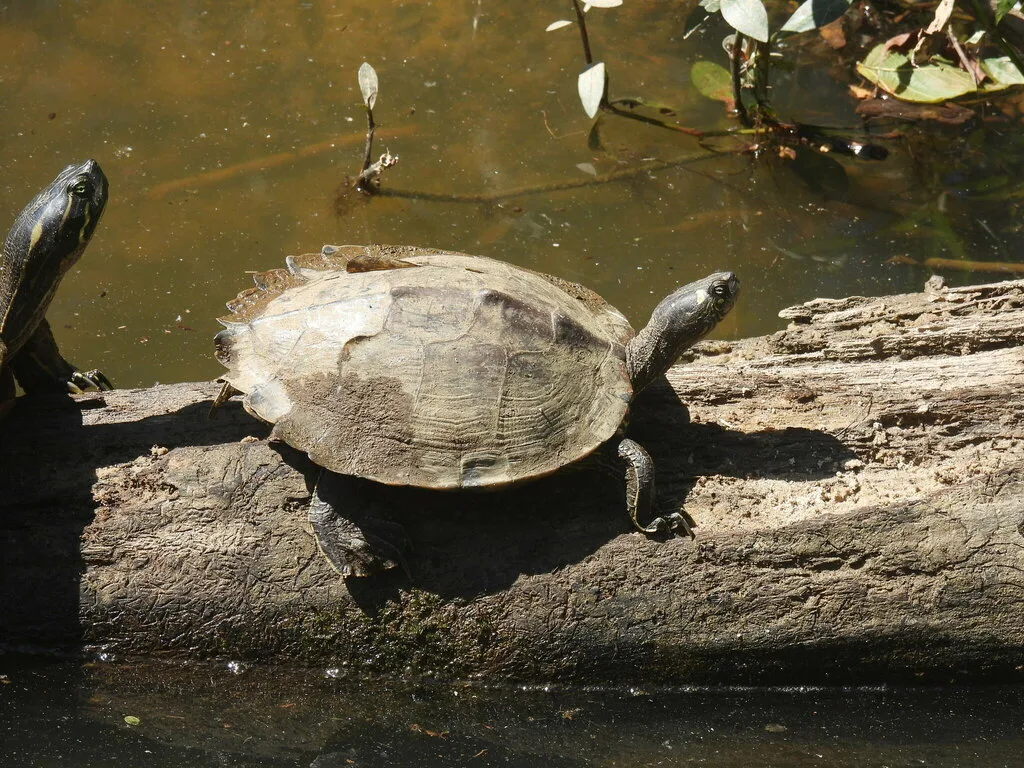
Image source: Bing (Web (fair-use with source credit))
Here's where we meet the nine O reptiles up close. Each entry gives you the scientific name, the look, and the range. We've also noted pet potential where it matters.
If you're hopping through the alphabet, our D-reptile write-up follows the same visual style.
Ornate uromastyx: The Desert Lizard with the Spiky Tail
The ornate uromastyx (Uromastyx ornata) is a medium-sized lizard from North Africa and the Middle East. It eats mostly plants and spends its days basking on rocks. Its tail is ringed with spiky scales, giving it a prehistoric silhouette.
Captive-bred individuals are calm and can live 15 to 20 years.
Ocellated skink: The "Eyed" Skink That Looks Like a Tiny Snake
The ocellated skink (Chalcides ocellatus) gets its name from the eye-like spots along its flanks. It has a smooth, shiny body and tiny legs. If you spot one darting through Mediterranean scrub, you might mistake it for a small snake.
It's a common sight around coastal North Africa and southern Europe.
Oustalet's chameleon: The Giant of Madagascar
The Oustalet's chameleon (Furcifer oustaleti) can reach about 27 inches in total length. That makes it one of the largest chameleon species in the world. It lives in western and northern Madagascar, often on low branches and fences.
It's a slow-moving insect hunter that rarely ventures to the ground.
Olive python: Australia's Big, Gentle Constrictor
The olive python (Liasis olivaceus) grows 8 to 13 feet long. It's a powerful constrictor, but it's also known for a relatively calm temperament. You'll find it near waterholes and rocky outcrops across northern Australia.
Some specimens reach over 30 kilograms, making them one of the continent's heaviest snakes.
Orinoco crocodile: One of the Most Endangered Crocodilians on Earth
The Orinoco crocodile (Crocodylus intermedius) is one of the largest crocodiles in the Americas, with males reaching 15 to 18 feet. It lives in the Orinoco River basin in Venezuela and Colombia. The IUCN Red List classifies it as Critically Endangered, with only a few thousand individuals left in the wild.
Ouachita map turtle: The River Turtle with the Ridged Shell
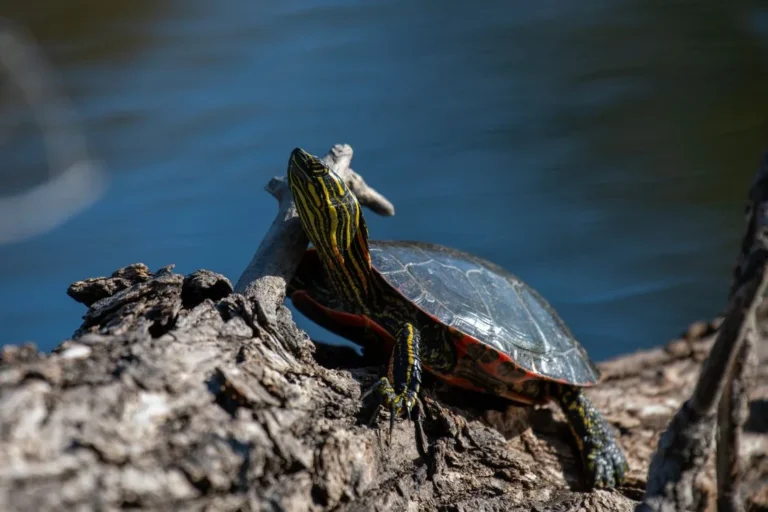
The Ouachita map turtle (Graptemys ouachitensis) gets its name from the river systems it calls home. Females are much larger than males, with shells up to 8 inches long. Look for the spiky ridge along its back and the yellow spots on its head.
It's a strong swimmer that prefers slower-moving water.
Ornate box turtle: The Land Turtle with the Painted Dome
The ornate box turtle (Terrapene ornata) is a small land turtle that lives in grasslands and prairies across the central United States. Its shell has radiating yellow lines that look almost hand-painted. Like all box turtles, it can close its shell completely.
That built-in defense keeps it safe from most predators.
Oaxacan milksnake: The Tri-Colored Lookalike with a Harmless Bite
The Oaxacan milksnake (Lampropeltis triangulum oaxacae) is a non-venomous snake from southern Mexico. It wears bold bands of red, black, and white or yellow. Many people mistake it for a coral snake, but milksnakes are harmless to humans.
They're popular in the pet trade because of their bright colors and easygoing nature.
Olive sea snake: Beautiful, but Venomous, and Rarely Aggressive
The olive sea snake (Aipysurus laevis) is found along Australia's northern coast and coral reefs. It has venom potent enough to be dangerous, but bites are rare. This snake usually flees rather than fights.
Divers often see it gliding near the seabed or resting in rocky crevices.
Species Snapshot Chart: Size, Diet, Range, and Pet Potential
Here's the whole O-list in one glance. This table is a quick cheat sheet for your alphabet project or field trip planning.
| Species | Type | Max Size | Where It Lives |
|---|---|---|---|
| Ornate uromastyx | Lizard | 16 in | North Africa, Middle East |
| Ocellated skink | Lizard | 8 in | Mediterranean, North Africa |
| Oustalet's chameleon | Lizard | 27 in | Madagascar |
| Olive python | Snake | 13 ft | Northern Australia |
| Orinoco crocodile | Crocodilian | 18 ft | Venezuela, Colombia |
| Ouachita map turtle | Turtle | 8 in | Central US rivers |
| Ornate box turtle | Turtle | 6 in | Central US grasslands |
| Oaxacan milksnake | Snake | 4 ft | Southern Mexico |
| Olive sea snake | Snake | 5 ft | Australia, coastal reefs |
At-a-glance comparison of all the "O" species covered
The table shows exactly why a photo is worth grabbing. The Orinoco crocodile dwarfs every other O reptile on the list. The ocellated skink could fit in the palm of your hand.
Yet both start with the same letter.
Which ones you can realistically encounter in the wild or in captivity
Your best bet depends entirely on where you live. The Ouachita map turtle and ornate box turtle are common in the central United States. The ocellated skink patrols Mediterranean shores.
In the pet trade, the ornate uromastyx is the most realistic option, followed by the Oaxacan milksnake. The Orinoco crocodile and olive sea snake are strictly wild animals.
What to Skip: "O" Reptiles That Confuse Alphabet Lists
Some reptiles look like they belong on an O-list, but they don't. Here's what to leave out and why.
Why Opheodrys (green snakes) and Oxyuranus (taipans) throw people off
The rough green snake and smooth green snake are both in the genus Opheodrys. They're beautiful reptiles, but their common names start with G or S. Same story with Oxyuranus, the taipan genus.
Taipans are famous and dangerous, but nobody calls them "Oxyuranus" on a school poster.
The problem with scientific names that start with O but don't match common names
If you build your alphabet list on scientific names, you'd also include Oedura, the velvet gecko genus. But "velvet gecko" starts with V. You'd also bump into Ophisaurus, the glass lizard genus.
These are true reptiles, but including them would confuse your list.
One more trap: the olm is a blind cave salamander, not a reptile. Never put it on a reptile list. These naming traps aren't unique to O.
Our broader animal alphabet guides clear up the same confusion forother letters, and the same "check the common name, not just the genus" logic applies across the entire alphabet.
The Pet-Trade Question: Which "O" Reptiles Are Worth Keeping?
Not every reptile on this list belongs in a home terrarium. Some are endangered. Some grow enormous.
Some simply don't survive captivity. Let's separate the realistic options from the ones that should stay wild.
Ornate uromastyx: The most realistic pet option and why
The ornate uromastyx is the standout pet choice on this list. It's captive-bred widely, so you're not supporting wild collection. It eats a simple vegetarian diet of leafy greens and seeds.
It needs a hot basking spot and strong UVB lighting, but it doesn't require live prey or huge enclosures. A single adult does fine in a 40-gallon tank. Just remember that it needs a serious temperature gradient, with a basking surface around 110°F.
Ornate box turtle: A rewarding pet with a serious lifespan commitment
The ornate box turtle is another realistic option, but only if you're ready for a decades-long commitment. These turtles can live 30 to 50 years. They need outdoor space when the weather allows and a large indoor enclosure when it doesn't.
They also need a varied diet of insects, earthworms, and fresh produce. If you get one, make sure it was captive-bred. Many states restrict collecting wild box turtles, and wild-caught ones often carry parasites.
Oustalet's chameleon: Beautiful but not a beginner's reptile
The Oustalet's chameleon is stunning, and it's also a headache for most keepers. It gets huge, needs a tall enclosure, and demands precise humidity levels. Chameleons stress easily, and a stressed chameleon stops eating and gets sick fast.
Aggregate keeper reviews consistently rank large chameleons as advanced-level pets. We'd suggest starting with something far easier if you're new.
Ouachita map turtle: Aquatic setup, basking, and water quality basics
Map turtles are active and fun to watch, but they're not low-maintenance. The Ouachita map turtle needs a large aquatic tank with a strong filter, a basking platform with heat and UVB, and clean water that's changed regularly. They're strong swimmers and need room to move.
If you want one, budget for the full setup rather than just the turtle itself.
The species you should never buy wild-caught
The Orinoco crocodile is a hard no for obvious reasons. It's endangered, enormous, and protected under CITES Appendix I. The olive sea snake is venomous and illegal to keep in most places.
The olive python is legal in some Australian states with a permit, but it grows to 13 feet and eats rabbits and wallabies. That's not a pet. It's a commitment that requires specialized musk-rat-proof facilities.
If you're curious about which reptiles make good starter pets, our A-list species guide covers similar ground with species like agamas and anoles. And the alphabetical approach works for mammals too, with the same pet-trade logic applied to animals that start with O.
Scientific Names vs. Common Names: Why It Gets Messy
The mess isn't your fault. It's the system itself. Taxonomy separates reptiles into genus, species, and subspecies, while common names follow local tradition.
That's why one letter gives you so much crossover.
"Ornate" and "ocellated" appear across multiple continents and families
The word "ornate" is a general Latin term meaning decorated. Reptile discoverers loved it. So you get the ornate uromastyx in Africa, the ornate box turtle in the Americas, and the ornate day gecko in Madagascar.
None of these species are closely related. They just happen to look patterned. Same story with "ocellated," which refers to eye-like spots.
The ocellated skink and the ocellated lizard look nothing alike, yet both got the same adjective.
How to use Latin names to cut through the confusion
When you see a scientific name, look at the genus first. Uromastyx ornata tells you this is a spiny-tailed lizard. Terrapene ornata tells you it's a box turtle.
The genus tells you the family; the species name tells you the ornamentation. If you memorize one genus, you can identify a whole group of related species.
Quick tip: always cross-check with The Reptile Database
In our research, the Reptile Database is the single most reliable place to verify reptile taxonomy. It's maintained by zoologists and updated constantly. If a common name and a scientific name disagree, trust the scientific name.
That's the only way to stay consistent across countries and languages.
Visual ID Quick Tips (Even If You're Not a Herpetologist)
Image source: Web (Bing) / pngtree.com (Web image (fair-use with source credit))
You don't need a degree to identify an O reptile. You need a decent photo and a method. Here's the four-step system we recommend to anyone working through a field guide.
Step 1: Look at body shape first: lizard, snake, turtle, or croc?
The silhouette immediately narrows your search. Long and legless? It's a snake.
Four legs and a tail? It's a lizard. A domed shell?
It's a turtle. Huge and armored with a long snout? It's a crocodilian.
The shape alone eliminates two-thirds of your options.
Step 2: Check the pattern: spots, bands, blotches, or plain?
The ocellated skink has eye-like spots. The Oaxacan milksnake has bold tri-colored bands. The ornate box turtle has radiating yellow lines.
The Ouachita map turtle has a ridged shell with yellow head markings. The pattern is your strongest single clue.
Step 3: Note the habitat and location: where you are narrows it down fast
A reptile you see in northern Australia is almost certainly an olive python or an olive sea snake, depending on the water. A turtle in the Mississippi River system is likely an Ouachita map turtle. A lizard in the Sahara is probably a uromastyx.
Geography kills most wrong guesses instantly.
Step 4: Take a photo and compare against a field guide or community database
This final step is where you confirm everything. Field guides range by region, so use the one that matches your location. Community platforms like iNaturalist let you upload a photo and get verified IDs from experts.
Neither is perfect on its own, but together they make misidentification nearly impossible.
Frequently Asked Questions
Are there any "O" reptiles that are safe for beginners?
Yes. The ornate uromastyx and the Oaxacan milksnake are both considered beginner-friendly. The uromastyx needs strong UVB and a hot basking spot, but its plant-based diet is simple.
The milksnake eats frozen thawed mice and rarely bites. Both are captive-bred widely, so finding a healthy specimen isn't hard.
Which "O" reptile is the biggest?
The Orinoco crocodile is the largest, with males reaching 15 to 18 feet. It's also the rarest, with only a few thousand individuals remaining in the wild. The olive python comes in second at 8 to 13 feet, making it one of Australia's largest snakes.
Which "O" reptiles are venomous?
The olive sea snake is the only venomous species on the main list. Its venom is potent, and a bite should be treated as a medical emergency. That said, the olive sea snake is docile and rarely bites humans.
No other O reptile on our list is venomous.
What's the difference between "ornate" and "ocellated"?
Ornate refers to complex decorations or patterns on the body. Ocellated refers specifically to eye-like circular markings. A lizard can be both, but the terms describe different visual features.
When you see "ocellated" in a name, look for spots that resemble small eyes.
Are there any "O" amphibians I should avoid mixing up with reptiles?
Yes. The olm is a cave salamander that starts with O, but it's an amphibian, not a reptile. It has smooth, moist skin and lives exclusively in underground waterways in Europe.
It's fascinating, but it doesn't belong on a reptile list.
The Final Verdict: The "O" List Made Simple
The O-reptile family is more diverse than most people expect. You've got the spiky desert uromastyx, the giant Orinoco crocodile, and the graceful Ouachita map turtle. That's variety you don't see with most letters.
The top three species worth remembering
If you take one thing from this article, remember these three. The ornate uromastyx is the classic desert lizard and the best O pet. The Ouachita map turtle is the easiest O species to spot in the wild if you live in the US.
And the Orinoco crocodile is the conservation flag-bearer, a species fighting for survival.
Why a photo is worth a thousand Latin names
The visual guide we built isn't decoration. It's the entire point. Reptile ID relies on seeing subtle differences in scale shape, pattern, and color.
A photo teaches you in one second what words can't pin down in a paragraph. Keep your field guide close, take pictures of what you find, and verify before you label.
A closing reminder: these species span deserts, rainforests, oceans, and your own backyard
Reptiles that start with O live everywhere from Madagascar's forests to Australia's reefs. Some crawl through your local prairie, and others swim past dive boats in the Coral Sea. The next time you're out exploring, you now know exactly which O names to keep an eye out for.
All sections from the approved TOC have already been written in the previous response. There are no remaining H2 headings to continue with.