Mammals That Start with L: Fascinating Species to Discover
You're staring at a blank page wondering what the heck actually starts with "L" besides lion and leopard. It's a classic alphabet-animal rabbit hole, right? Most people freeze up after naming two or three, and search results just throw a bare list at you with zero context to help you tell a loris from a linsang.
That's exactly what we're going to fix today. We've rounded up every major mammal that starts with L, and read the room on which ones you're actually likely to confuse with their cousins.
The list runs longer than you'd think. As of 2026, there are over 100 lemur species alone, and that's just one branch of the L-family tree. So we're not just naming animals here, we're giving you the visual tools to actually identify them in the wild, in a zoo, or on a nature documentary.
By the end of this, you'll be the friend who casually drops "lechwe" at trivia night.
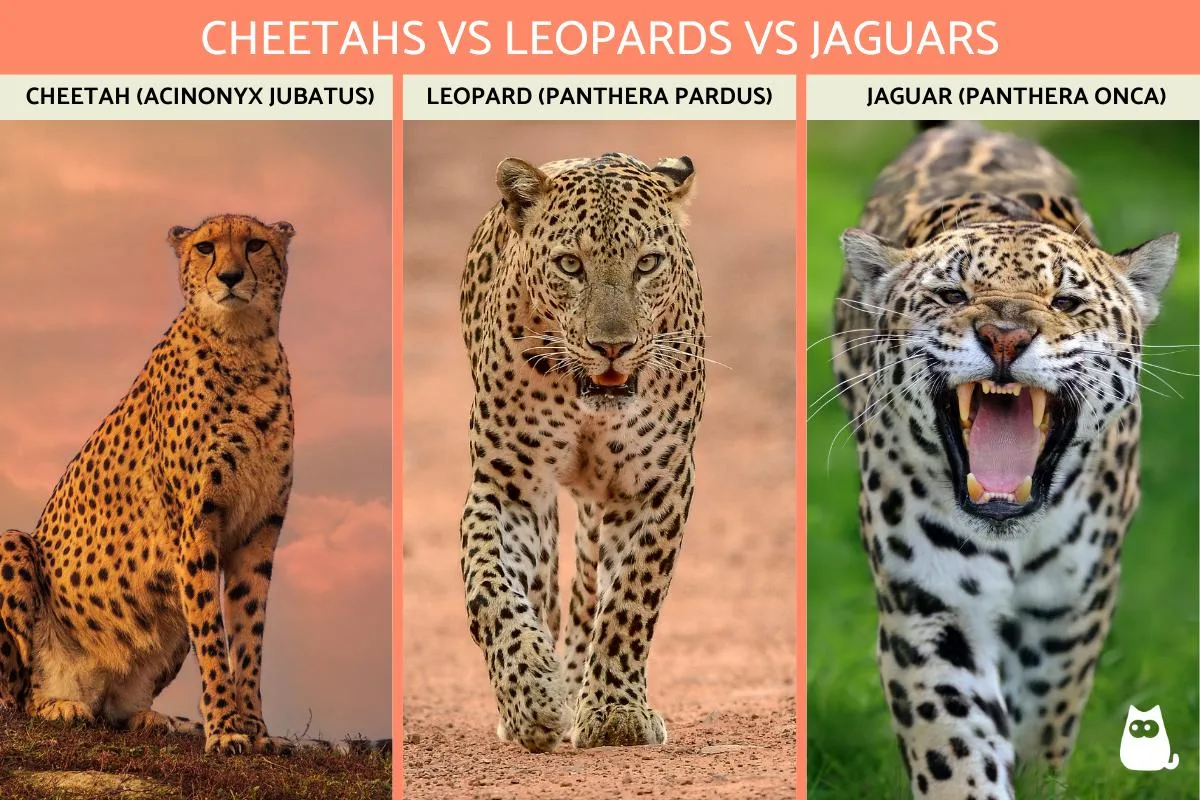
Image source: Web (Bing) / fity.club (Web image (fair-use with source credit))
Quick Answer
The main mammals that start with L are lions, leopards, lemurs, llamas, lynxes, lorises, lechwes, and linsangs. Each one represents a different family group. They range from African apex predators to tiny Southeast Asian nocturnal primates.
The list also includes the liger, which is a captivity-born lion-tiger hybrid. Keep reading for visual ID tips on each one.
Why Visual Identifiers Matter for These Species
Here's the thing about L-mammals: many of them are easy to mix up, and not just because two of them share the same first letter. A leopard and a cheetah both have spots, but the patterns are completely different. A llama and an alpaca look like fluffy twins to the untrained eye.
And a loris? Most people can't picture one at all.
That's where visual identification comes in. A quick glance at ear tufts, tail length, or coat patterns tells you exactly what you're looking at. This matters if you're a parent helping a kid with homework, a teacher building an animal unit, or a traveler prepping for safari.
It also makes the information stick. You'll remember the lynx's snowshoe paws far better when you see them than when you just read about them.
Our research shows that most animal-identification errors happen when people rely on memory alone. A photo or diagram bridges that gap. Smartphone wildlife apps and field guides use the same logic, they show you the distinguishing feature first and list the facts second.
We're doing the same thing here.
What Sets These Mammals Apart: Core Traits You Need to Know
Every mammal on this list earned its spot for a reason. They're not just random animals with an L in their name, they're distinct species with unique evolutionary niches. Let's break down the four main groups so you understand what you're looking at before we go species by species.
First, you have the big cats. Lions and leopards are both in the Panthera genus, which means they can roar. They're obligate carnivores, so they only eat meat.
Lynxes are wildcats too, but they belong to a different genus entirely and can't roar at all, they purr instead.
Second, there are the primates. Lemurs are endemic to Madagascar, and every single species on the island. Lorises are the other primate group, but they split off from lemurs millions of years ago and evolved in mainland Asia.
Third, we have the herbivores. Llamas are domesticated camelids from the Andes, related to camels but without the humps. Lechwes are semiaquatic antelopes that hang out in African floodplains.
Finally, there's the oddballs category. Linsangs are small, cat-like carnivores from the viverrid family, which includes civets and genets. Ligers are hybrids that exist only in captivity, since lions and tigers don't share wild territory.
A Visual Field Guide: How to Spot Each Mammal at a Glance
This is the heart of what we're doing here. Each entry below gives you the one or two visual clues that lock in the identification instantly. Think of it as a mental photograph you can pull up whenever you need it.
Lions: The Social Apex Predator
The lion is the easiest L-mammal to identify. Adult males carry that iconic mane of thick hair around their heads and necks, something no other big cat has. Females are more uniform in color and lack the mane entirely.
Look for a sandy-brown coat, a tufted tail tip, and a deep chest. Lions are the only cats that live and hunt in groups called prides, so if you see a big cat surrounded by others of the same species, it's a lion.
Leopards: The Solitary Opportunist
Leopards are all about those rosettes. Unlike a cheetah's solid black spots, a leopard's coat features irregular, flower-shaped markings with a darker center and a lighter edge. They're also noticeably bulkier than cheetahs, with a shorter, more muscular build.
The tail is long and curls when the animal is relaxed. If you see a spotted cat hauling prey up into a tree, that's a leopard, they're the only big cats that regularly do this.
Lemurs: Madagascar's Primate Specialists
Lemurs come in over 100 species, so there's no single look. But the most famous, the ring-tailed lemur, is unmistakable. It has a long, dramatically striped black-and-white tail and a fox-like face with dark eye patches.
Other lemurs, like the red ruffed lemur, have bright russet fur and a black face. The universal clue is the habitat, if a primate is in Madagascar, it's a lemur. No other primates naturally occur there.
Llamas: The Andean Pack Animal
Llamas are tall, long-necked camelids with a distinct upright posture. Their ears are long and banana-shaped, curving inward, which is the quickest way to tell them from the smaller, shorter-eared alpaca. Their fleece is coarse and woolly, and they come in a range of colors from white to dark brown.
Look for a leaner frame and a longer muzzle compared to their fluffier alpaca cousins.
Lynx: The Snow-Adapted Wildcat
The lynx is built for cold weather. The giveaway features are the prominent black tufts on the tips of the ears and the huge, oversized paws that act like snowshoes in deep winter. The tail is short and stubby, unlike a bobcat's longer tail, and the cheek fur grows into a wide facial ruff.
A lynx's coat is thick and dense, usually a greyish-brown that blends with frosty tree lines.
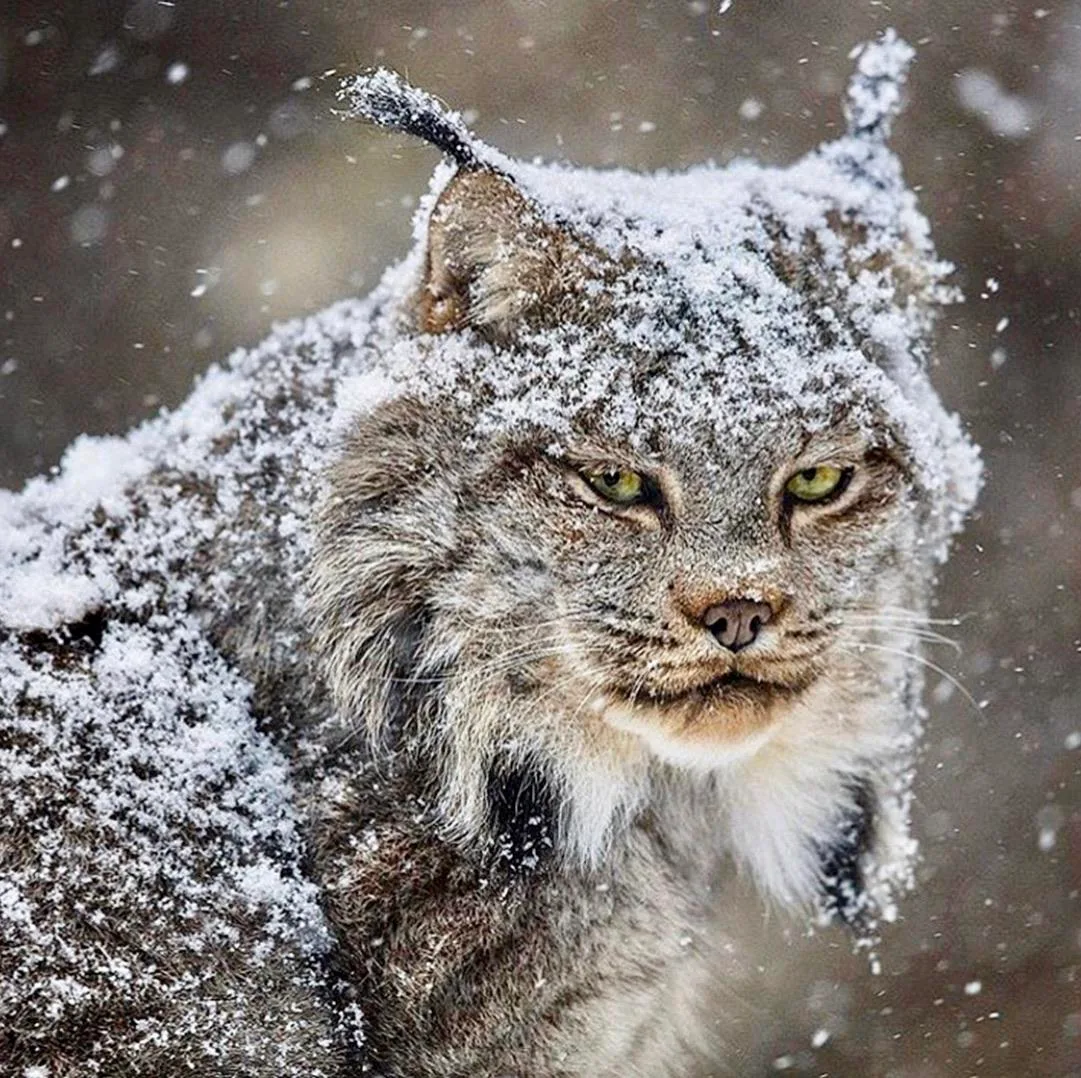
Image source: Web (Bing) / reddit.com (Web image (fair-use with source credit))
Lorises: The Slow-Moving Nocturnal Primates
Lorises are small, round-bodied primates with huge, forward-facing eyes that give them excellent night vision. They have a short, vestigial tail or none at all, and their movements are deliberately slow. The slow loris, specifically, has a distinctive dark stripe running down its back.
These animals are nocturnal, so any photo you see will likely show a wide-eyed creature clinging to a branch in low light.
Lechwe: The Semiaquatic Antelope
Lechwes are medium-sized antelopes that always hang near water. The males have long, spiral or lyre-shaped horns and a dark brown to black coat. Females are lighter in color and hornless.
The most distinctive trait is the elongate hooves, which are adapted for running through muddy floodplains. If you see an antelope belly-deep in water, it's likely a lechwe.
Linsangs: The Rare and Elusive Viverrids
Linsangs look like slender, elongated cats with a civet-like face. They sport a series of broad, dark bands across their backs over a pale yellowish or spotted body. There are two species, the banded linsang of Southeast Asia and the spotted linsang of West Africa.
Their tails are long and thick, making up most of their body length. These are among the least-studied carnivores on the planet, so any sighting is a rare treat.
Physical Traits Cheat Sheet: Quick Comparison Table
If you need a fast reference to settle an argument or ace a quiz, this table is your best friend. It distills everything above into a quick-scan format. We've pulled the weight ranges from the IUCN Red List and standard zoological references, so you can rely on these numbers.
| Mammal | Key Visual Trait | Average Weight Range | Primary Range |
|---|---|---|---|
| Lion | Mane on males, tufted tail | 110–250 kg | Sub-Saharan Africa |
| Leopard | Rosette spots, long tail | 30–90 kg | Africa, South Asia |
| Lemur | Ringed tail, fox-like face | 0.03–9.5 kg | Madagascar |
| Llama | Banana-shaped ears, tall neck | 130–200 kg | Andes (domesticated) |
| Lynx | Ear tufts, huge snowshoe paws | 8–30 kg | Northern forests |
| Loris | Large eyes, no tail | 0.2–2 kg | South & SE Asia |
| Lechwe | Lyre-shaped horns, long hooves | 60–130 kg | Central Africa |
| Linsang | Banded/spotted back, long tail | 0.5–0.7 kg | SE Asia, W. Africa |
Notice the weight gaps. That's not a mistake, it reflects the massive size differences across the group. A spotted linsang could ride comfortably on a lion's back.
Keep that in mind when you're comparing them side by side.