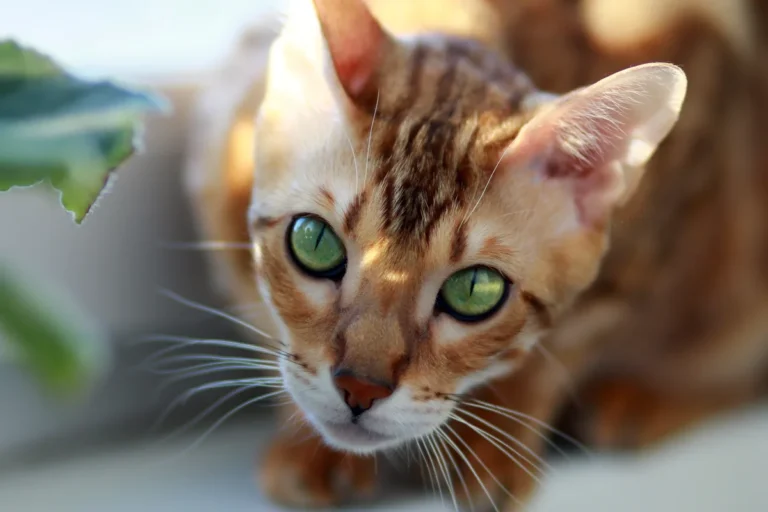
Fascinating Animals That Start with H
Did you know there's an animal that starts with H capable of lifting 850 times its own body weight? Or that another one secretes enough slime to fill a bucket in seconds? The animals that start with H span from tiny backyard visitors to massive ocean giants, and they're some of the most fascinating creatures on the planet.
Whether you're helping your kid with a school project, planning a safari, or considering a new pet, we've done the digging. Our research covers everything from pet care costs to wildlife spotting tips, all wrapped up in one practical guide. As of 2026, the data on these species is clear, current, and ready for you.
Quick Answer
The animals that start with H include hamsters, horses, hippos, hyenas, hummingbirds, hedgehogs, hermit crabs, and hammerhead sharks. Also on the list: hagfish, honey badgers, hoatzins, Hercules beetles, and humpback whales. The full list spans pets, wildlife, and deep-sea oddities.
Each one offers something unique. Pick your path below to find the right H animal for your interest.
How to Use This Guide: Pick Your "H" Animal Path
This isn't just a dictionary list. It's a decision guide. The best H animal for you depends entirely on your situation.
If you're looking for a pet, your options narrow quickly. Hamsters and hermit crabs suit beginners. Hedgehogs need more experience.
Horses demand serious commitment. If you're planning wildlife viewing, you'll care about geography and seasons. That's a completely different path.
Here's how to navigate this guide:
- Pet hunters: Head straight to the pets section. Pay attention to costs, care difficulty, and time commitment.
- Wildlife spotters: Jump to the wild animals section. Focus on locations and best viewing seasons.
- Trivia seekers: Skip around. The weird and wonderful section will give you the best party facts.
The decision tree works like this: What's your goal? A companion animal? A safari sighting?
A fun fact? Answer that first question, and the rest of this guide points you in the right direction.
If you're curious about other letter categories, we've got solid roundups for animals starting with C and animals starting with B too. They follow the same structure, so you can cross-reference easily.
The "H" Pets: From Low-Maintenance to Full Lifestyle
If you want an H animal living in your home, you have real options. They range from practically self-sufficient to genuinely life-consuming. Here's the honest breakdown.
Hamsters: The Beginner's Best Friend
Hamsters are the classic starter pet for good reason. They're small, affordable, and entertaining to watch. The Syrian hamster is the most common choice, and for good reason.
They're solitary, which actually makes care simpler. You only need one.
Dwarf varieties like Campbell's and Roborovski hamsters can live in pairs, but they need careful introductions. Aggregate reviews from pet owners report that Syrians are calmer and easier to handle than dwarfs.
Here's the honest catch: hamsters are nocturnal. They sleep all day and hit the wheel at night. That wheel can be loud.
If you're a light sleeper, keep the cage out of your bedroom.
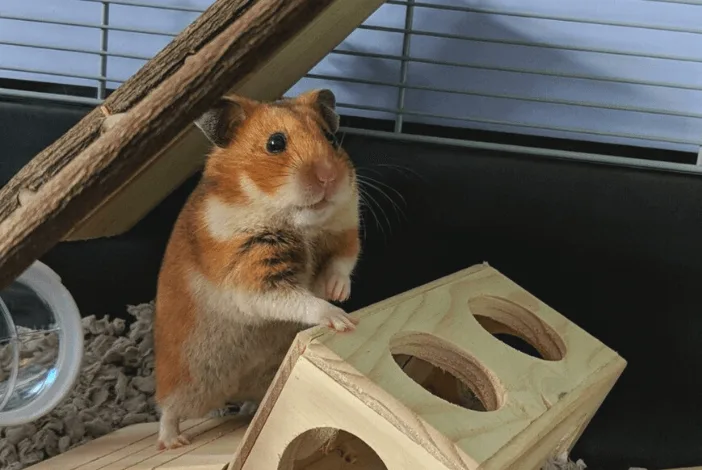
Image source: Web (Bing) / surroundedbyanimals.co.uk
Hamster care essentials:
- Cage: Minimum 450 square inches of floor space
- Bedding: Paper-based, at least 6 inches deep for burrowing
- Diet: Commercial hamster mix plus fresh vegetables
- Lifespan: 2 to 3 years
- Cost: $20 to $40 for the animal, $100 to $150 for setup
Hedgehogs: The Quirky Middle Ground
African pygmy hedgehogs have exploded in popularity, and they're genuinely fascinating pets. They're quiet, slow-moving, and have distinct personalities. But they're not for everyone.
Hedgehogs are solitary and often shy. They need daily handling to stay socialized. If you skip that, they curl into a ball of spikes every time you approach.
They're also insectivores, which means they need a protein-heavy diet. High-quality cat food works as a base, supplemented with mealworms.
The legal stuff matters here. Hedgehogs are illegal in Pennsylvania, Georgia, Hawaii, and New York City. Several other states and municipalities restrict them too.
Check your local laws before you fall in love with one.
Horses: The Full Commitment
Horses aren't pets. They're a lifestyle. A horse costs anywhere from $1,000 to $10,000 or more upfront.
The real expense is annual upkeep, which runs $3,000 to $5,000 per year. That covers boarding, feed, farrier visits every 6 to 8 weeks, and routine veterinary care.
Horses live 25 to 30 years. That's a three-decade commitment. They need daily exercise, regular grooming, and constant attention to their health.
If you have the space, time, and budget, the bond is unmatched. If you don't, admire them from a distance.
Huskies: High Energy, High Reward
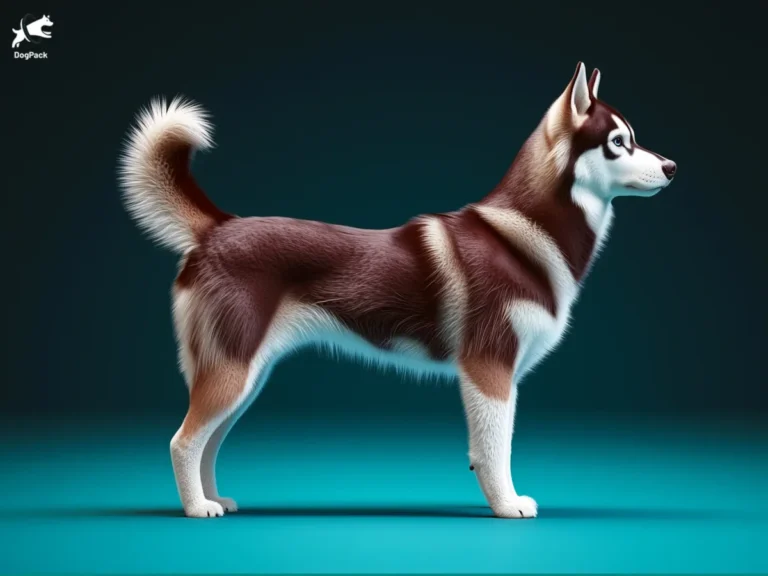
Siberian Huskies are beautiful, intelligent, and absolutely relentless. They were bred to pull sleds across frozen terrain. That means they need serious daily exercise.
A tired Husky is a happy Husky. An under-exercised Husky will redecorate your living room.
They also shed. A lot. Twice a year, they "blow" their coat, and you'll be brushing out handfuls of fur daily.
They're escape artists too. A secure yard is non-negotiable. For the right owner, Huskies are loyal and incredibly fun.
They're just not a couch potato's dog.
If you want to explore more pet options alphabetically, our list for animals starting with A covers everything from Aardvarks to Axolotls.
The "H" Wild Animals You Can Actually See
You don't need to own an H animal to appreciate one. Some of the best wildlife viewing on Earth involves these species. Here's where and when to find them.
African Safaris: Hippos, Hyenas, and Hornbills
Africa is the undisputed H animal capital. Hippos, hyenas, and hornbills all call the continent home.
Hippos are best seen in Zambia, Tanzania, and Botswana. They spend their days submerged in rivers and lakes, emerging at dusk to graze. Boat safaris along the Chobe River offer incredible close-up views.
Just remember, hippos are the most dangerous large animal in Africa. They kill roughly 500 people every year. Always stay in the boat or vehicle.
Hyenas are more active at dawn and dusk. Spotted hyenas are the largest and most social, living in packs of up to 80 individuals. Contrary to popular belief, they're skilled hunters.
Research from the University of Cambridge shows hyenas hunt about 70% of their own food. The scavenger reputation is unfair.
Hornbills are the forest characters. The Southern Ground Hornbill is the largest, while the Great Hornbill in Asia is the most iconic. Look for them in tree canopies.
Their distinctive casque, the helmet-like structure on their beak, makes them easy to identify.
Backyard Birding: Hummingbirds
You can see hummingbirds without leaving your yard. That's the beauty of these tiny birds. In North America, the Ruby-throated Hummingbird is the most common eastern species.
Anna's Hummingbird dominates the West Coast, and the Bee Hummingbird in Cuba is the smallest bird on Earth.
Set up a feeder with a 4:1 water-to-sugar ratio. White sugar only, never honey or red dye. Both can harm or kill the birds.
Clean the feeder every 3 to 4 days to prevent mold. Once they find your feeder, they'll return all season.
Hummingbirds are fiercely territorial. You might see one chasing all others away from "its" feeder. That's normal.
To help more birds, set up multiple feeders out of sight of each other.
Coastal Viewing: Humpback Whales and Harbor Seals
Humpback whales put on one of nature's greatest shows. They breach, throwing their massive bodies clear of the water. They slap their tails.
They sing songs that last for hours.
Best viewing runs June through October in the Northern Hemisphere. Alaska and Hawaii are the top US spots. NOAA research confirms that humpback populations have recovered significantly since the whaling era.
Responsible whale-watching operators maintain safe distances, usually around 100 yards.
Harbor seals are easier to spot. They lounge on docks, beaches, and ice floes along both US coasts. They're the ones with the adorable "V" shaped nostrils.
Season is less critical for them, and they're visible year-round in most areas.
The "H" Weird & Wonderful: Nature's Oddballs
This is where the list gets genuinely bizarre. These H animals make people say, "Wait, that's real?" Yes, they are. And they're absolutely fascinating.
Hagfish: The Slime Machine
The hagfish is an ancient, jawless fish that looks like an eel and acts like nothing else. When threatened, it secretes gallons of thick slime from glands along its body. This slime clogs the gills of any predator trying to eat it.
The hagfish then ties itself in a knot to wipe the slime off and swim away.
Researchers are studying hagfish slime for sustainable fabric alternatives. The proteins in the slime are remarkably similar to spider silk. One day, hagfish slime might be in your jacket.
Honey Badger: The Fearless Fighter
The honey badger has a well-earned reputation for being absolutely fearless. This weasel family member will take on lions, cobras, and anything else that moves. It has thick, loose skin that lets it twist and bite back even when grabbed.
Its skin is so tough that porcupine quills and bee stings barely register.
Honey badgers are also smart. They use tools, like rolling logs to reach food. There's even video of honey badgers opening gates to escape enclosures.
They're the undisputed tough guys of the animal kingdom.
Hercules Beetle: The Strongest Insect
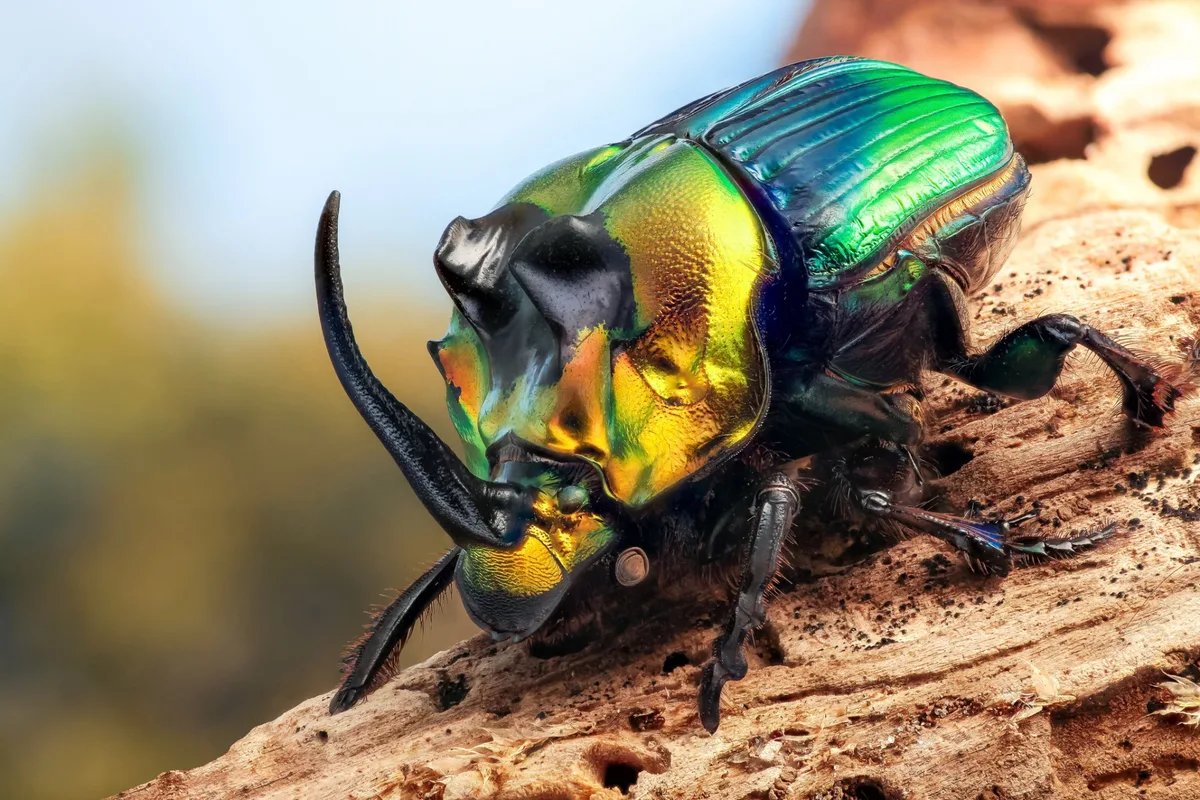
Image source: Web (Bing) / wall.alphacoders.com
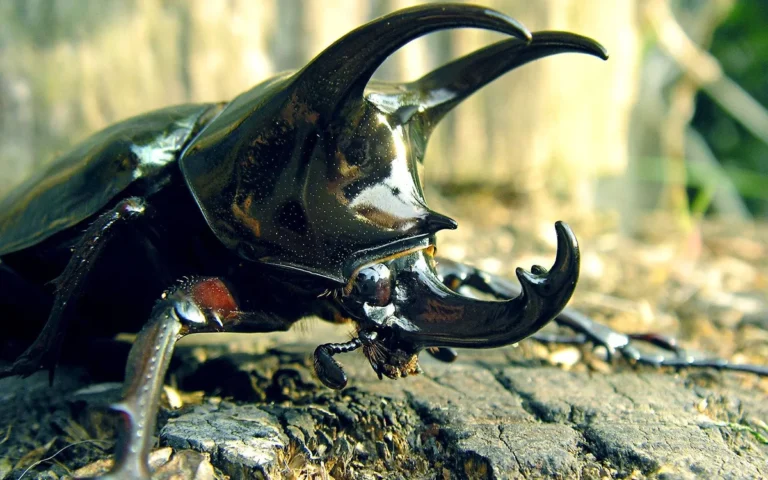
The Hercules beetle is the longest beetle in the world. Males can reach 6.7 inches, most of that taken up by their massive horns. Those horns are used in combat with rival males over mating rights.
The strength is the real headline. They can lift 850 times their own body weight. If a human could do that, you'd deadlift a semi-truck.
Researchers study their exoskeleton for inspiration in robotics and materials engineering.
Hoatzin: The Stinkbird
The hoatzin is a bird with a digestive system more like a cow's than a bird's. It ferments leaves in its crop, similar to how a rumen works. That fermentation produces a strong, manure-like odor, hence the nickname "stinkbird."
Hoatzin chicks also have claws on their wings. They use these claws to climb trees until they're old enough to fly. It's a throwback to a prehistoric ancestor, and it makes the hoatzin a living fossil.