
Meet All Dog Breeds That Start With F
So you're looking for dog breeds that start with "f". Maybe you're prepping for a trivia night, working through an alphabetical list, or genuinely trying to find your next furry family member. Whatever the reason, you've landed on the right page.
The "F" list isn't the longest in the canine world, but it's packed with personality, quirks, and a few surprises that might change how you think about certain breeds.
Here's what you need to know: there are nine recognized breeds that start with this letter, ranging from the wildly popular French Bulldog to the rare and challenging Fila Brasileiro. As of 2026, the American Kennel Club recognizes five of these breeds as distinct, with the others falling under foundation or miscellaneous status. Each one has a completely different visual identity, energy level, and care requirement.
Let's break them all down so you can spot the differences at a glance and figure out which one actually fits your life.

Image source: Wikimedia Commons / Unknown author
Why Visuals Matter Here
Here's the thing about dog breeds: you can read a hundred descriptions, but the moment you see two breeds side by side, everything clicks. The "F" breeds are a perfect example. A French Bulldog and a Finnish Lapphund share the same starting letter, but they look like they come from different planets.
One is a compact, smooth-coated bat-eared companion bred for laps. The other is a fluffy, curled-tailed reindeer herder built for Arctic winters.
Pictures do the heavy lifting that words simply can't. When you see a Fox Terrier's sharp, alert expression and wire coat, you immediately understand why it was bred to chase foxes out of dens. When you look at a Flat-Coated Retriever's sleek, glossy silhouette mid-stride, you get why it's called the "Peter Pan" of the sporting group.
Visual identification is also the fastest way to avoid mistakes. Many people confuse Field Spaniels with Springer Spaniels or mix up Foxhounds with Beagles. A quick look at the ears, coat, and body proportions settles those questions instantly.
Photographs also reveal the health signals that breeders talk about. You can spot the brachycephalic face of a French Bulldog, which explains its breathing difficulties. You can see the thick double coat of a Lapphund, which tells you exactly why it sheds so heavily.
Visual recognition is the first step to understanding what owning each breed really means.
The Complete F-Breed Lineup
Let's get the full list out first so you know what we're working with. These are the breeds that genuinely start with "F" and appear in major registries:
| Breed | Registry Status | Size Category | Energy Level | Best Suited For |
|---|---|---|---|---|
| French Bulldog | AKC recognized | Small | Low | Apartment dwellers |
| Fox Terrier (Smooth) | AKC recognized | Medium | High | Active singles |
| Fox Terrier (Wire) | AKC recognized | Medium | High | Active families |
| Finnish Lapphund | AKC recognized | Medium | Medium-High | Families, cold climates |
| Flat-Coated Retriever | AKC recognized | Large | Very High | Hunters, runners |
| Field Spaniel | AKC recognized | Medium | Medium | Calm households |
| American Foxhound | AKC recognized | Large | Very High | Rural pack homes |
| English Foxhound | AKC recognized | Large | Very High | Rural pack homes |
| Fila Brasileiro | FCI recognized | Giant | Medium | Security work only |
| Faroe Dog | Rare/unregistered | Medium | Medium | Faroe Islands residents |
That's ten breeds if you count the two Fox Terrier coat varieties separately. The Faroe Dog is so rare that you basically have to live in the Faroe Islands to find one, so we'll cover it briefly. The Fila Brasileiro is a serious guard dog that we'll talk about with clear warnings.
The rest are all very real, very findable pets.
One thing worth noting right away. The French Bulldog currently holds the crown as the most popular dog breed in the United States, according to AKC registration statistics. The Finnish Lapphund is far less common but steadily gaining fans who want a mid-sized, family-friendly Spitz.
The Flat-Coated Retriever enjoys a devoted following among hunting enthusiasts but has a higher-than-average cancer rate that responsible owners need to plan for.
The Visual Guide: Spotting the Difference
Now let's get into the fun part. How do you tell these breeds apart just by looking? It comes down to four visual cues: coat texture, ear shape, body proportions, and tail carriage.
Master these and you'll never confuse a Flat-Coat with a Field Spaniel again.
Coat texture is your first clue. The Wire Fox Terrier has a dense, wiry coat that stands slightly off the body, giving it a scruffy, rugged look. The Smooth Fox Terrier has a flat, hard coat that lies close to the skin.
The Finnish Lapphund rocks a thick, plush double coat that makes it look like it's wearing a winter parka year-round. The Flat-Coated Retriever has a sleek, glossy coat that shines in sunlight and lies flat against an athletic frame. The Field Spaniel carries a moderate-length coat with feathering on the chest, belly, and legs.
The French Bulldog has a short, smooth coat that's easy to spot and even easier to groom.
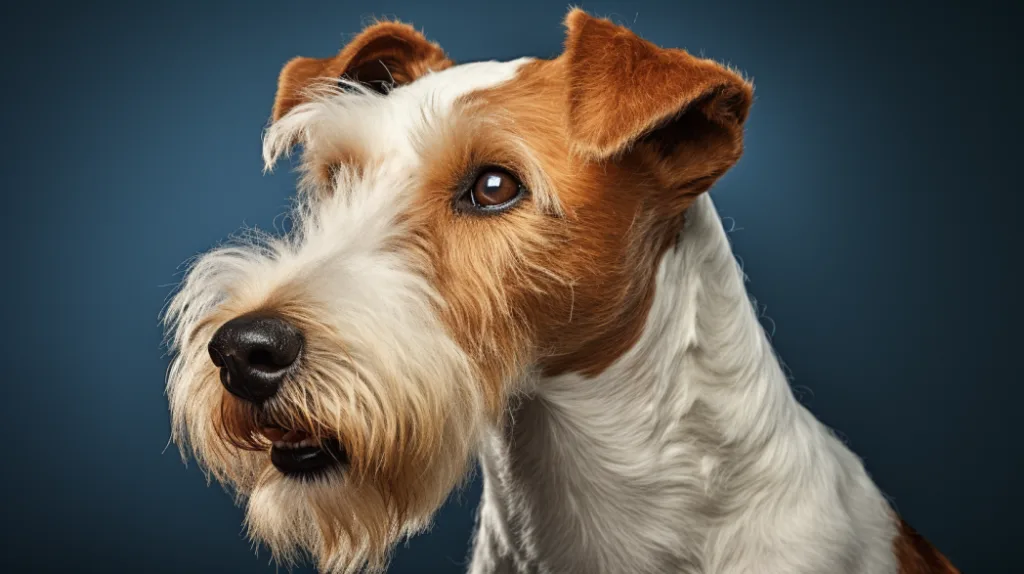
Image source: Bing (Web (fair-use with source credit))
Ear shape separates breeds faster than almost anything. The French Bulldog has those unmistakable "bat ears" that stand straight up and are wide at the base with rounded tips. The Fox Terrier has small, V-shaped ears that fold forward, called button ears.
The Finnish Lapphund has medium-sized, triangular ears that are set wide apart and tilt slightly forward. The Flat-Coated Retriever has small, pendant ears that hang close to the head, similar to a Golden Retriever's. The Field Spaniel has long, wide, feathered ears that droop down the sides of its face.
Body proportions tell you about function. French Bulldogs are heavy, low-slung, and muscular with a surprisingly large head for their size. Finnish Lapphunds are rectangular and sturdy without being bulky.
Flat-Coated Retrievers are balanced and athletic, built for endurance. Field Spaniels are a bit longer than they are tall, with a deep chest and level topline. Fox Terriers are compact and square-ish, designed to be agile enough to follow a fox underground.
Tail carriage reveals mood and breed type. The Finnish Lapphund carries its tail curled over its back, a classic Spitz trait. The French Bulldog has a naturally short tail that can be straight or screwed.
Fox Terriers carry their tails upright and often wag them constantly. Flat-Coats keep theirs level with the back, moving it in a steady, enthusiastic sweep. Field Spaniels dock their tails in some countries, but where docking is banned, you'll see a low-set tail that moves with a steady, deliberate wag.
The Quick Comparison Table
If you're short on time, this table sums up the essential facts at a glance. Use it to narrow your list before you dive deeper into temperament and care requirements.
| Breed | Height | Weight | Lifespan | Shedding | Grooming | Exercise per Day |
|---|---|---|---|---|---|---|
| French Bulldog | 11-13 in | 16-28 lbs | 10-12 yrs | Medium | Minimal | 30 min |
| Fox Terrier | 14-16 in | 15-18 lbs | 12-15 yrs | Low | Weekly brush | 60+ min |
| Finnish Lapphund | 16-21 in | 33-53 lbs | 12-15 yrs | Heavy | 3x weekly brush | 60 min |
| Flat-Coated Retriever | 22-24 in | 55-70 lbs | 8-10 yrs | High | Weekly brush | 90+ min |
| Field Spaniel | 16-18 in | 35-50 lbs | 10-12 yrs | Medium | Weekly brush | 45-60 min |
| American Foxhound | 21-25 in | 40-65 lbs | 11-13 yrs | Medium | Weekly brush | 120+ min |
| English Foxhound | 21-25 in | 50-70 lbs | 10-13 yrs | Medium | Weekly brush | 120+ min |
| Fila Brasileiro | 24-30 in | 90-110 lbs | 9-11 yrs | Low | Minimal | 60 min |
A few things jump out from these numbers. The French Bulldog is the clear winner for apartment living, needing only about 30 minutes of exercise daily. The Flat-Coated Retriever and the Foxhounds demand significantly more activity and space.
The Finnish Lapphund's grooming needs are the heaviest of the group, with that double coat requiring consistent attention.
Health expectations also vary pretty dramatically. The French Bulldog's lifespan of 10 to 12 years is typical, but you'll likely face vet bills related to breathing and joint issues. The Flat-Coated Retriever's 8 to 10 year lifespan reflects its higher cancer rate.
The Finnish Lapphund tends to be a hardy breed that lives 12 to 15 years with fewer major health problems, though hip dysplasia is a known concern.
French Bulldog vs. Finnish Lapphund: The Urban vs. Arctic Choice
These two breeds represent opposite ends of the "F" spectrum, and choosing between them really comes down to your environment and lifestyle.
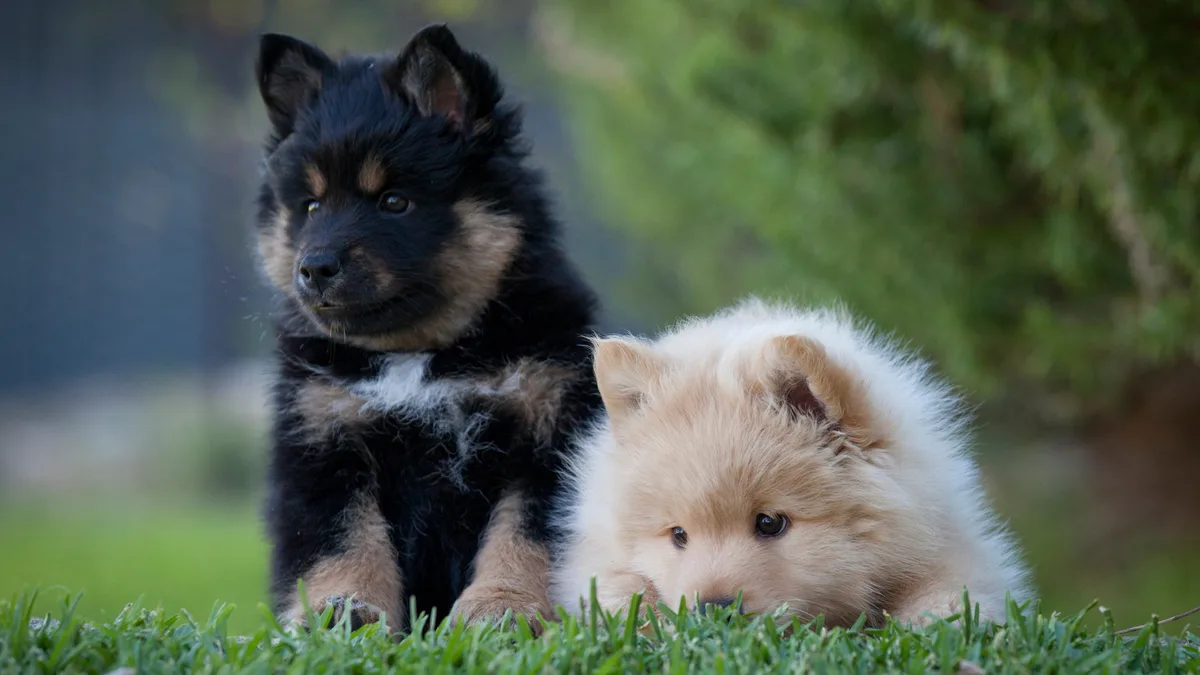
Image source: Bing (Web (fair-use with source credit))
The French Bulldog is the ultimate city dog. It's small enough for apartment living, quiet enough for shared walls, and content with a short walk plus indoor playtime. Frenchies don't need a yard.
They don't need to run for miles. They need your attention, a soft couch, and air conditioning during the summer months. Their brachycephalic faces make them prone to heatstroke, so vigorous exercise in warm weather is a genuine risk.
This is not a dog for long hikes or beach runs. In our research, aggregate owner reviews consistently praise the Frenchie for its affectionate, clownish personality and strong bond with its humans.
But that personality comes with significant health caveats. French Bulldogs commonly suffer from brachycephalic airway syndrome, hip dysplasia, and a range of skin allergies. Veterinary bills can add up quickly.
Responsible owners budget for pet insurance and regular checkups. The breed also has a reputation for being stubborn, which means training takes patience and consistency.
The Finnish Lapphund is everything the Frenchie isn't. It's a working breed designed to herd reindeer across snowy landscapes. That means it has energy to burn, a thick double coat that sheds relentlessly, and a instinct to bark.
Lapphunds are vocal. They'll alert you to everything from a squirrel in the yard to a leaf blowing by the window. They're also incredibly friendly and gentle, making them wonderful family pets with children.
The Lapphund's coat is its defining feature, and it's also its biggest maintenance challenge. You'll need to brush at least three times a week to prevent matting. During shedding season, which happens twice a year, you'll be vacuuming daily.
The payoff is a cheerful, loyal dog that thrives in cold weather and adapts well to active families who enjoy outdoor time. The Lapphund is a much healthier breed overall, though hip and elbow dysplasia are concerns worth screening for.
So which one is right for you? Ask yourself a few direct questions. Do you live in a small apartment without outdoor space?
The Frenchie fits better. Do you want a dog that can join you on long winter walks and doesn't mind cold temperatures? The Lapphund is your match.
Can you handle shedding and barking? If not, steer clear of the Lapphund. Can you handle potentially expensive health issues?
If not, the Frenchie might strain your budget.