
Dog Breeds That Start with M: Complete List
If you're looking for dog breeds that start with m, you've probably noticed something strange. The list is a total mess of extremes. We're talking about the Maltese, a 5-pound lap dog that fits in a purse, sitting next to the English Mastiff, a 200-pound giant that eats more per month than some people spend on groceries.
It's like comparing a sports car to a freight train.
That's exactly why this list confuses people. Most breed guides just rattle off names with generic descriptions like "good with kids" or "high energy." That doesn't help you decide anything. As of 2026, the American Kennel Club recognizes roughly 200 breeds, and about a dozen of them start with M.
They range from ancient livestock guardians to modern companion dogs, and they have almost nothing else in common. That's why we broke this guide down by lifestyle, temperament, and practical reality rather than just alphabet order.
Why the "M" Group Is a Mixed Bag
Here's the thing about the M-breed group: it's not really a group. It's a collection of completely different dog categories that happen to share a letter. You've got toy breeds, terriers, herding dogs, livestock guardians, and giant working dogs all crammed into one alphabetical bucket.
That creates a massive decision problem. If you search for dog breeds that start with m, you'll see a list that makes no sense without context. The Maltese and the Mastiff are both on it.
So are the Miniature Schnauzer and the Maremma Sheepdog. These dogs have different sizes, different grooming needs, different energy levels, and different temperaments. They share virtually nothing except that first letter.
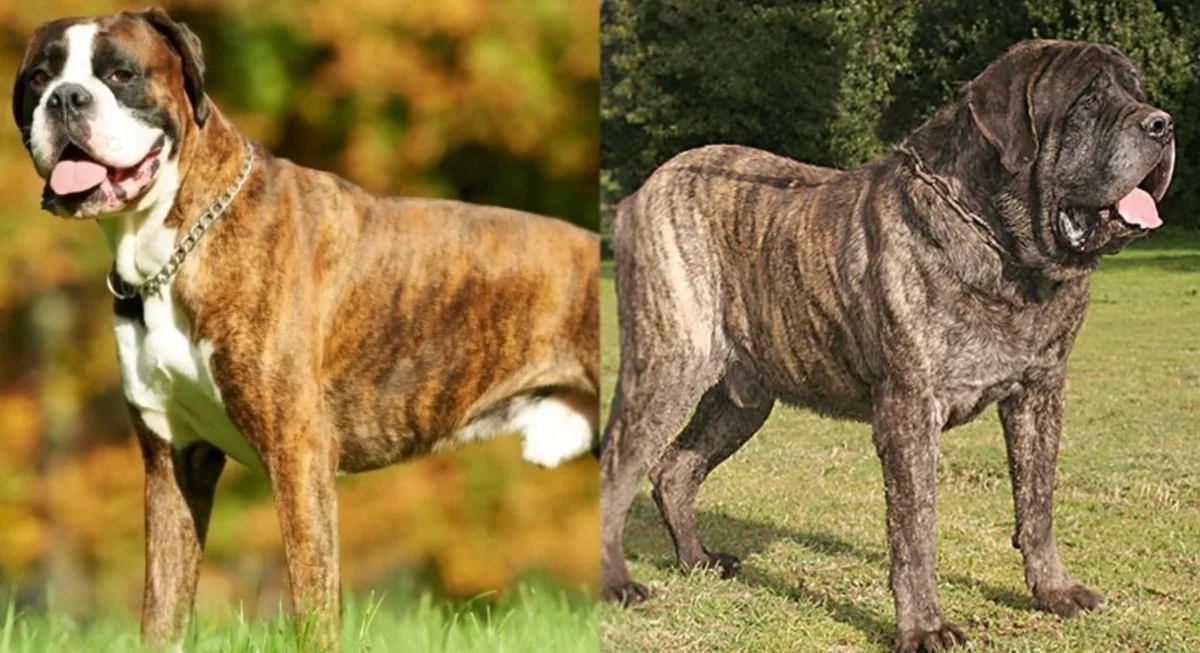
Image source: Bing (Web (fair-use with source credit))
So before you fall in love with a name, you need to understand what category you're actually shopping in. That's what this guide is really about. We're going to sort these breeds into meaningful groups, compare them honestly, and help you figure out which one fits your actual life.
Not which one has the cutest face.
The size spectrum is genuinely wild. On one end, you have the Miniature Pinscher at around 8 to 12 pounds. On the other, the English Mastiff can hit 230 pounds.
That's a 220-pound difference between two breeds on the same alphabetical list. The food costs alone are night and day. A Mastiff eats roughly 4 to 8 cups of food daily, while a Miniature Pinscher gets by on about half a cup.
The Size Problem: Comparing a 5-Pound Maltese to a 200-Pound Mastiff
Let's be honest about what "big" means before we go further. Most people underestimate the difference between a large dog and a giant dog. A 70-pound Labrador is large.
A 150-pound Mastiff is a completely different animal. The leap from 70 to 150 pounds translates into bigger food bills, stronger pulls on the leash, more drool on the walls, and a much shorter lifespan.
Small M-breeds live 12 to 16 years on average. Giant M-breeds live 6 to 10 years. That's a brutal tradeoff that new owners often don't realize until it's too late.
You're not just choosing a dog's size. You're choosing how long you'll have them.
This is also a cost question. Giant breeds need bigger crates, bigger beds, bigger vet bills, and significantly more food. According to aggregate owner reports, a large-format M-breed costs between $100 and $150 per month just for food.
A toy breed costs around $20 to $30. That's a difference of over $1,000 per year.
What You'll Actually Find in This Guide
Here's how we're going to handle this. First, we'll break the M-breeds into two useful categories: small companion breeds and large working breeds. Then we'll give you honest side-by-side comparisons on temperament, grooming, exercise needs, and health concerns.
After that, we'll match each breed to the lifestyle where it actually thrives.
You'll also get real numbers. Lifespans, grooming costs, exercise requirements, and health screening recommendations. No vague "moderate energy" labels.
No "great family dog" filler. Just the kind of practical details you'd get from sitting down with a breeder or a vet who knows these dogs well.
If you're comparing this to our other animal lists, the same approach applies. We've covered the creatures that start with M and the mammals that start with M with the same focus on real-world relevance. Dogs deserve that level of detail too.
The Toy & Small Breeds Starting With M
Let's start with the little guys. These are the dogs that fit in apartments, travel well, and cost less to feed. But don't mistake "small" for "easy." Some of these breeds pack serious attitude into a tiny frame.
Maltese: The Classic Companion
The Maltese is one of the oldest toy breeds in existence, with roots tracing back over 2,000 years to the Mediterranean. These dogs are pure companion animals. They want to be on your lap, following you from room to room, and curling up next to you at night.
The American Kennel Club categorizes them in the Toy Group, and they typically weigh 4 to 7 pounds.
Here's what people don't tell you: the Maltese has a long, silky, white coat that requires daily brushing. It's hypoallergenic in the sense that it sheds very little, but that coat mats easily if you skip grooming sessions. Professional grooming runs $40 to $80 per session every 4 to 6 weeks.
That's a recurring cost you need to budget for.
Temperament-wise, the Maltese is affectionate and playful but can be prone to separation anxiety. They bond intensely with their humans. If you work long hours outside the home, this isn't the ideal match.
They also need gentle training, because they respond poorly to harsh methods.
Miniature Schnauzer: The Alert All-Rounder
The Miniature Schnauzer is the most popular small M-breed for good reason. They weigh 11 to 20 pounds, live 12 to 15 years, and check almost every box. They're smart, trainable, alert, and great with kids.
They also have that distinctive wiry coat that sheds very little, making them a reasonable option for allergy sufferers.

Image source: Web (Bing) / etsy.com (Web image (fair-use with source credit))
But here's the catch: that wiry coat needs hand-stripping or professional clipping every 4 to 6 weeks. It's not a wash-and-go dog. You're looking at $50 to $90 per grooming session, and that's every month or so.
You can learn to do it yourself, but hand-stripping is a skill that takes practice.
They're also vocal. The Miniature Schnauzer was bred to be a watchdog, and they take that job seriously. They'll bark at delivery drivers, passing dogs, and suspicious squirrels.
Early training can help, but you won't eliminate the instinct entirely.
Miniature Pinscher: The "King of Toys"
Don't let the name fool you. The Miniature Pinscher isn't a scaled-down Doberman. It's a distinct breed with its own history, and it's got a big personality packed into an 8 to 12-pound body.
People who own them say they act like they're 100 pounds. They're confident, bold, and sometimes stubborn.
The Min Pin, as fans call it, is energetic and athletic. They need more exercise than you'd expect for a tiny dog. A daily walk plus some playtime is the minimum.
They're also escape artists. They can squeeze through small gaps and jump surprisingly high, so secure fencing is essential.
Training is where Min Pins test their owners. They're intelligent but independent, so they need consistent, positive reinforcement. Harsh corrections make them shut down.
They do best with experienced owners who set clear boundaries without being heavy-handed.
Manchester Terrier: Sleek, Smart, and Feisty
The Manchester Terrier comes in two sizes. The standard weighs 12 to 22 pounds, and the toy version is under 12 pounds. Both share the same sleek black-and-tan coat, which is short, smooth, and incredibly easy to groom.
A quick weekly brush is all they need.
This breed is fast, agile, and full of prey drive. They were originally bred to hunt rats, so they have a strong chase instinct. Small pets like hamsters or rabbits can trigger that drive, and off-leash recall can be unreliable around squirrels.
That's a real consideration if you have a small animal household.
Manchester Terriers are also known for their longevity. Many live 15 to 17 years, which is exceptional for a small breed. They're loyal, alert, and make excellent watchdogs.
They're also more trainable than the Miniature Pinscher, though they still have that terrier streak of independence.
The Maltipoo and Other M-Crosses Worth Considering
The Maltipoo is a Maltese-Poodle cross that has exploded in popularity. They're small, low-shedding, and often marketed as hypoallergenic. The reality is more nuanced.
Because they're a crossbreed, their coat type varies from puppy to puppy. Some take after the Maltese with silky hair; others inherit the Poodle's curly coat. Both need regular grooming.
The main appeal is temperament. Maltipoos are typically friendly, social, and great for first-time owners. They're also adaptable to apartment living.
The catch is that crossbreeds aren't standardized. You can't predict exactly how big they'll get or what their temperament will be. Breeder transparency matters a lot here.
Quick Picks: Small M-Breeds for Apartments and First-Time Owners
If you're in an apartment and looking for dog breeds that start with m, here's the short version:
- Miniature Schnauzer: Best overall. Smart, trainable, decent with kids, moderate energy.
- Maltese: Great for quiet homes, but needs daily grooming and can get anxious.
- Maltipoo: Friendly and adaptable, but grooming needs vary.
- Miniature Pinscher: Good for active owners, but stubborn and escape-prone.
- Manchester Terrier: Low grooming, but high prey drive.
The best choice depends on your schedule. If you're home a lot, the Maltese is wonderful. If you work and want a dog that can adapt, the Miniature Schnauzer or Miniature Pinscher is more practical.
The Large, Giant, and Working M-Breeds
Now let's flip to the other end of the scale. These are dogs built for work, protection, and guarding. They're not for everyone.
They need space, training, and owners who understand their instincts. But for the right person, they're incredibly rewarding.
English Mastiff: The Gentle Giant
The English Mastiff is one of the largest dog breeds in existence. Males can reach 200 to 230 pounds, while females typically run 120 to 170 pounds. They're massively built, with a calm and dignified presence.
Despite their size, they're known for being gentle with children and surprisingly low-key indoors.
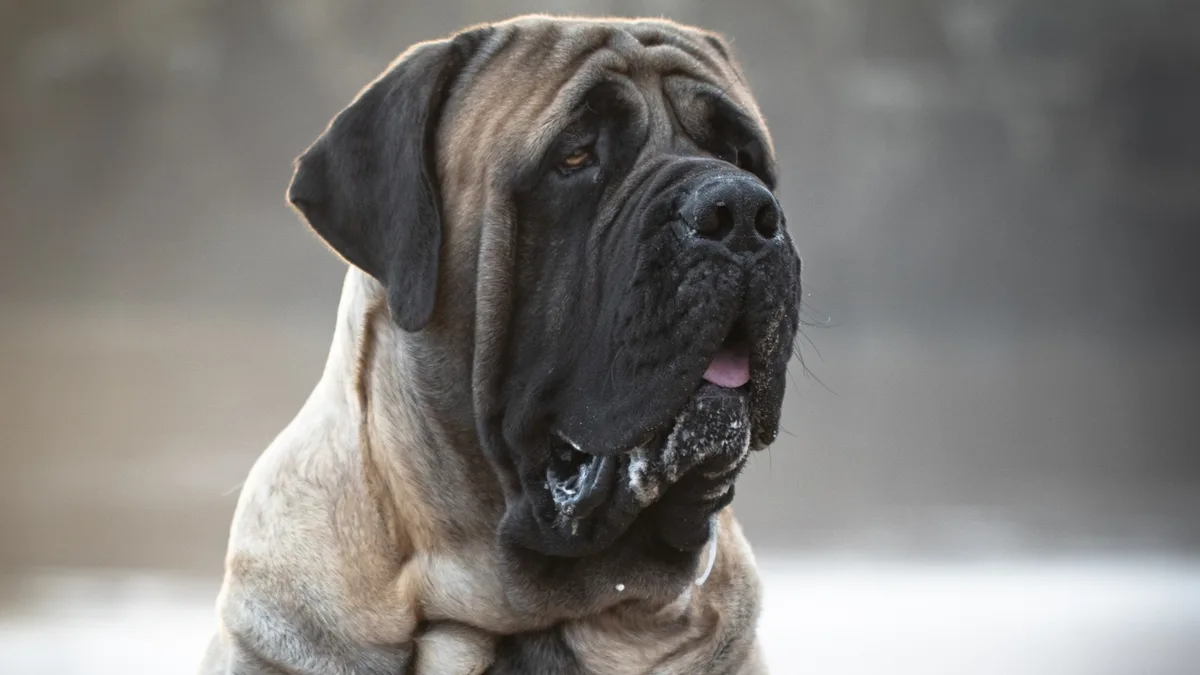
Image source: Web (Bing) / caninely.com (Web image (fair-use with source credit))
Here's what nobody prepares you for: the drool. Mastiffs drool. A lot.
They drink water, and it ends up on your walls. They shake their heads, and it lands on the ceiling. If you're squeamish about slobber, this is not your dog.
They also have a relatively short lifespan. Most English Mastiffs live 6 to 10 years. That's a heartbreakingly short time for such a beloved companion.
They're also prone to hip dysplasia, elbow dysplasia, and certain heart conditions. Reputable breeders screen for these issues, but the risks remain higher than average.
Bullmastiff: The Protective Powerhouse
The Bullmastiff is slightly smaller than the English Mastiff, with males weighing 110 to 130 pounds. They were bred in England to guard estates from poachers, and that protective instinct is still strong today. They're loyal, watchful, and naturally suspicious of strangers.
Early socialization is absolutely critical.
Bullmastiffs are more athletic than English Mastiffs. They have a shorter muzzle and a more squared-off build. Their exercise needs are moderate, but they need a securely fenced yard.
They're not suited to apartment living or owners who can't provide firm, consistent leadership.
Training a Bullmastiff requires patience. They're intelligent but stubborn, with an independent streak. They respond best to positive reinforcement and methods that respect their intelligence.
Harsh training breaks trust and leads to resistance. They're also known for being quiet indoors, which is a plus for families.
Maremma Sheepdog: The Independent Guardian
The Maremma Sheepdog is a livestock guardian breed. That's a completely different job description from a family pet. These dogs were bred to live with livestock and protect them from predators.
They're independent, intelligent, and wired to make their own decisions.
In terms of dog breeds that start with m, the Maremma is unusual. They don't just want to guard their flock. They consider it their duty.
That means they're suspicious of strangers, both human and animal. They're loyal to their family but not naturally eager to please like a Golden Retriever.
Maremmas need space. A fenced yard isn't really optional. They need a job to do, whether that's guarding livestock or a large property.
They're not suited to city or suburban life. And they shed heavily. Their thick double coat requires weekly brushing year-round and daily brushing during shedding season.
Mountain Cur: The Hunter's Companion
The Mountain Cur is a working dog bred for hunting and treeing game. They're medium to large, typically 30 to 60 pounds, with a short, dense coat that's easy to maintain. They're incredibly athletic, with high endurance and a strong prey drive.
This is not a couch potato. Mountain Curs need serious daily exercise and mental stimulation. They thrive with a job, whether that's hunting, agility, or hiking.
They're also fiercely loyal to their family and protective of their home.
The Mountain Cur is a versatile breed, and a good example of the Marvelous Mammals that Start with M category. They're healthy dogs with fewer breed-specific health problems than many purebreds. They're also highly trainable, though they need consistent leadership.
Mudi: The Rare Hungarian Herder
The Mudi is one of the rarest dog breeds you'll find. It's a Hungarian herding dog that's been around since the 1800s but remains virtually unknown outside its home country. They're medium-sized, 18 to 29 pounds, with an alert, intelligent expression and a curly or wavy coat.
Mudis are incredibly versatile. They herd, hunt, and compete in agility and obedience. They're quick learners and eager to work.
In our research, owners consistently describe them as sensitive and highly attuned to their handler. They're not ideal for first-time dog owners because they need firm, experienced handling.
Miniature American Shepherd: Big Dog Energy in a Smaller Frame
The Miniature American Shepherd is essentially a smaller version of the Australian Shepherd. They weigh 20 to 40 pounds and stand about 13 to 18 inches tall. The Miniature American Shepherd is a relatively new breed, officially recognized by the AKC in 2015.
Despite their smaller size, they have the same herding instincts and energy levels as their larger counterparts. They need significant daily exercise and mental stimulation. A bored Mini American Shepherd is a destructive one.
They're also highly trainable and excel in dog sports, which is a plus for active owners.
Quick Picks: Large M-Breeds for Farms, Families, and Experienced Owners
If you have space and experience, here's the short version:
- English Mastiff: Best for families wanting a calm, gentle giant. Drool is a constant companion.
- Bullmastiff: Best for protection with proper training. Needs early socialization.
- Maremma Sheepdog: Best for farms with livestock. Independent and not a typical family pet.
- Mountain Cur: Best for hunters and active owners. High prey drive, high energy.
- Mudi: Best for experienced herding enthusiasts. Rare and needs a job.
- Miniature American Shepherd: Best for active families. Needs exercise but is trainable.
For a deeper look at which animals share similar traits, check our guide on wild mammals starting with W for more on working-dog instincts.
Side-by-Side Comparison: Key Traits at a Glance
Let's put the facts side by side. This is the fastest way to compare dog breeds that start with m without reading a thousand words. Here's a clean breakdown of the key traits.
Size, Lifespan, and Weight Table
| Breed | Weight Range | Height | Lifespan |
|---|---|---|---|
| Maltese | 4–7 lbs | 7–9 inches | 12–15 years |
| Miniature Schnauzer | 11–20 lbs | 12–14 inches | 12–15 years |
| Miniature Pinscher | 8–12 lbs | 10–12 inches | 12–16 years |
| Manchester Terrier | 12–22 lbs | 15–16 inches | 15–17 years |
| Miniature American Shepherd | 20–40 lbs | 13–18 inches | 12–13 years |
| Mudi | 18–29 lbs | 15–20 inches | 12–14 years |
| Mountain Cur | 30–60 lbs | 18–24 inches | 10–13 years |
| Maremma Sheepdog | 70–100 lbs | 24–29 inches | 11–13 years |
| Bullmastiff | 100–130 lbs | 24–27 inches | 8–10 years |
| English Mastiff | 120–230 lbs | 27–30 inches | 6–10 years |
Grooming, Exercise, and Trainability Table
| Breed | Grooming Level | Exercise Needs | Trainability |
|---|---|---|---|
| Maltese | High (daily brushing) | Low | Moderate |
| Miniature Schnauzer | High (professional grooming) | Moderate | High |
| Miniature Pinscher | Low | High | Moderate |
| Manchester Terrier | Low | High | Moderate |
| Miniature American Shepherd | Moderate (seasonal shedding) | High | High |
| Mudi | Moderate | High | High |
| Mountain Cur | Low | Very High | High |
| Maremma Sheepdog | High (heavy shedding) | Moderate | Low (independent) |
| Bullmastiff | Low | Moderate | Moderate |
| English Mastiff | Low | Low to moderate | Moderate |
Temperament and Family Suitability Table
| Breed | Temperament | Good with Kids | Good with Other Pets |
|---|---|---|---|
| Maltese | Affectionate, anxious | Yes, with supervision | Yes, generally |
| Miniature Schnauzer | Alert, friendly | Yes | Yes, with early socialization |
| Miniature Pinscher | Bold, stubborn | Older kids only | Not small pets |
| Manchester Terrier | Energetic, loyal | Yes, with supervision | Not small pets |
| Miniature American Shepherd | Intelligent, eager | Yes | Yes, with socialization |
| Mudi | Sensitive, intense | Yes, with supervision | Generally yes |
| Mountain Cur | Loyal, protective | Yes, with supervision | Not small pets |
| Maremma Sheepdog | Independent, guardian | Yes, with training | Livestock, not other dogs |
| Bullmastiff | Protective, calm | Yes, with supervision | Generally yes |
| English Mastiff | Gentle, calm | Yes | Yes, generally |
These tables show the core differences clearly. The small breeds are easier to manage but lower grooming requirements vary. The large breeds need space and experience.
Best Match by Lifestyle: Who Should Get Which Breed
Now for the practical part. Here's how each breed matches up to different lives. If you're looking for dog breeds that start with m, these matches are the closest to a "right answer" you'll get.
Apartment Dwellers and City Living
If you live in a small space, larger breeds are off the table. Full stop. An English Mastiff in a 600-square-foot apartment isn't just cramped, it's genuinely difficult for the dog.
Instead, look at these:
- Miniature Schnauzer: Adaptable, moderate energy, fine in a city.
- Maltese: Perfect for apartments, just needs daily grooming.
- Maltipoo: Excellent choice with adaptable temperament.
The Miniature Schnauzer is probably the best all-round apartment dog on this list. They don't need a huge yard as long as they get daily walks. They're also quiet indoors, which is a plus for neighbors.
Active Singles and Runners
If you're looking for a workout buddy, the energy levels matter more than size. The Mountain Cur is a strong match here. They can run for hours and need exactly that kind of outlet.
The Miniature Pinscher is also surprisingly athletic despite its small size, and the Mudi is eager for any adventure.
Families With Young Children
Kids change the calculus completely. Here's what works well:
- English Mastiff: Gentle and tolerant, but size is a risk for toddlers.
- Miniature Schnauzer: Great all-round family dog.
- Miniature American Shepherd: Patient and trainable.
The Miniature Schnauzer is the safest choice for families. They're sturdy enough for kids, patient, and eager to please. The English Mastiff is also good but requires careful supervision because of its sheer size.
Farm Owners and Rural Properties
If you have land and livestock, the Maremma Sheepdog is the standout pick. They're not just dogs, they're working partners that protect your animals. The Mountain Cur is also excellent for property owners who need a hunting companion and watchdog.
Allergy Sufferers and Low-Shedding Needs
No dog is truly hypoallergenic, but some shed far less than others:
- Maltese: Very little shedding.
- Miniature Schnauzer: Very little shedding.
- Maltipoo: Variable but often low-shedding.
These three are your best bets for allergy sufferers. Expect to keep up with grooming to prevent matting and dander buildup.
First-Time Dog Owners vs. Experienced Handlers
Here's the honest breakdown. Good first-time breeds: Maltese, Miniature Schnauzer, Maltipoo. These are forgiving, trainable, and have predictable temperaments.
Breeds that need experienced owners: Mudi, Maremma Sheepdog, Bullmastiff, Mountain Cur. These have strong instincts and require confident handling.
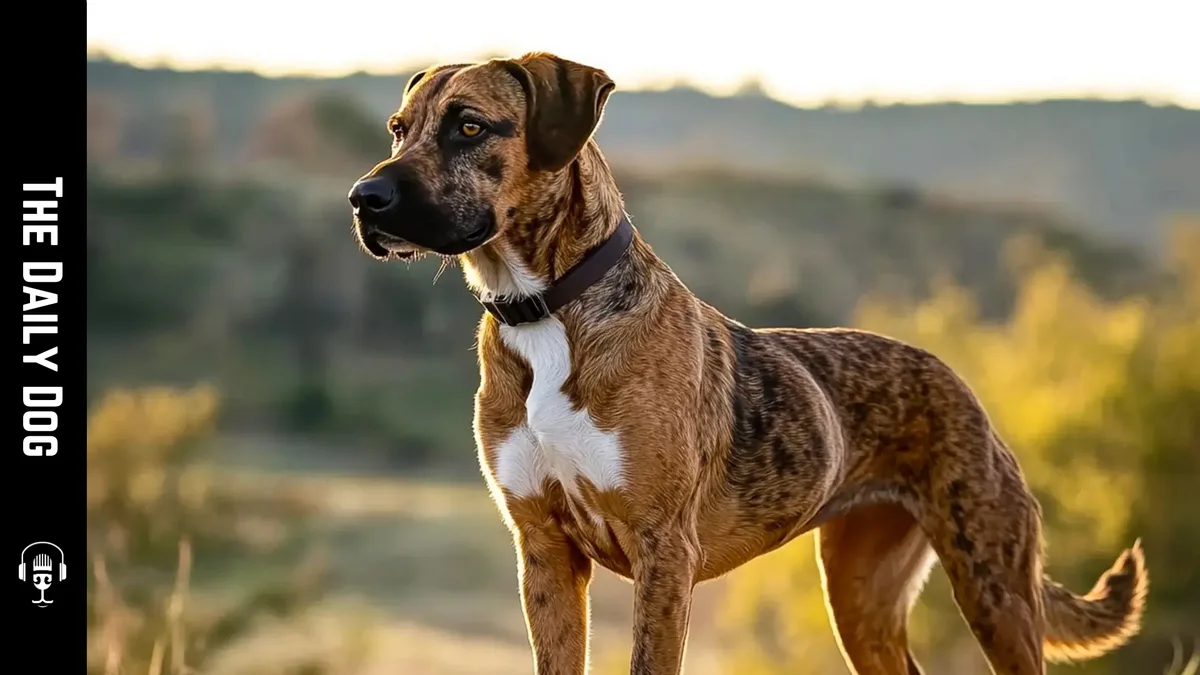
Image source: Web (Bing) / alaskadogworks.com (Web image (fair-use with source credit))
The Mountain Cur, for example, is a wonderful dog in the right hands. But it's not the right first dog for most people. If you're new to dog ownership, the Miniature Schnauzer is genuinely the best starting point among dog breeds that start with m.
Mistakes to Avoid When Choosing an M-Breed
The biggest mistake we see is choosing a breed by photo instead of by lifestyle. A 200-pound Mastiff and a 5-pound Maltese might both fit the letter M, but they don't fit the same home. Our research shows that mismatched expectations are the number one reason dogs end up in rescues.
Falling for the "Small Dog" Assumption
Small doesn't mean easy. The Miniature Pinscher is stubborn. The Manchester Terrier has a massive prey drive.
The Maltese needs daily grooming. If you want a low-maintenance small dog, think again. Only the Miniature Schnauzer comes close to that description.
Ignoring Prey Drive in Terriers and Hunters
If you have cats, rabbits, or hamsters, pay attention. Manchester Terriers and Mountain Curs were bred to chase. That instinct doesn't turn off.
Early socialization helps, but it won't eliminate the drive entirely.
Underestimating Grooming Needs
The Maltese and Miniature Schnauzer look great in photos. They also require $50 to $90 in professional grooming every 4 to 6 weeks. That's over $1,000 per year.
Budget for it or learn to groom at home.
Skipping Health Screenings for Giant Breeds
English Mastiffs and Bullmastiffs need hip, elbow, and cardiac screenings. Reputable breeders test for these. If a breeder can't show you health clearances, walk away.
Those tests aren't optional, they're the difference between a healthy dog and a vet bill nightmare.
Choosing a Working Dog for a Couch Lifestyle
The Mountain Cur needs hours of exercise. The Maremma Sheepdog needs a flock to guard. The Mudi needs a job.
If you want a couch potato, these breeds will drive you crazy. They'll chew, dig, and bark. They're not being bad, they're being bored.
Specs & Hard Numbers: What the Data Really Says
Let's talk money and time. These figures come from aggregate owner reports and breeder surveys, not marketing materials.
Eating Costs: Small vs. Giant Breed Monthly Budgets
A Maltese eats about 0.5 cups of food daily. That's roughly $20 to $30 per month. An English Mastiff eats 4 to 8 cups per day.
That's $100 to $150 monthly. Over a lifetime, the Mastiff costs thousands more in food alone.
Grooming Costs and Time Commitments
Weekly brushing is the minimum for most breeds. The Maltese and Miniature Schnauzer need daily to weekly work plus professional grooming. Short-coated breeds like the Manchester Terrier and Miniature Pinscher just need a quick weekly brush.
Health Screening and Typical Veterinary Expenses
Large and giant breeds have higher vet costs. Joint supplements, X-rays, and potential surgeries add up. Expect to spend more on vet care for a Mastiff than a small breed.
Insurance helps, but premiums are higher for giant breeds.
Heat Sensitivity and Climate Considerations
Heavy-coated breeds like the Mudi and Miniature American Shepherd struggle in hot climates. Hairless breeds need sun protection. Short-muzzled breeds like the Bullmastiff overheat quickly.
Match the breed to your regional climate.
Maintenance and Long-Term Responsibilities
Feeding Schedules and Nutritional Needs by Size
Small breeds need multiple small meals. Giant breeds benefit from large-breed puppy food to control growth. Ask your vet about a feeding schedule tailored to your dog's size.
Grooming Routines for Silky, Wiry, and Double Coats
Silky coats (Maltese) need daily brushing. Wiry coats (Miniature Schnauzer) need stripping or clipping. Double coats (Mudi, Maremma) need weekly brushing plus daily work during shedding season.
Plan accordingly.
Exercise Plans That Match Each Breed's Energy
Small companion breeds need 30 minutes daily. Terriers need 45 minutes plus mental games. Working breeds need 60 to 90 minutes.
Under-exercising a working dog is a fast path to destructive behavior.
Socialization and Training Timelines
Start socialization the day you bring your puppy home. The critical window is 8 to 16 weeks. Use positive reinforcement.
Harsh methods backfire, especially with sensitive breeds like the Mudi and Maremma.
Frequently Asked Questions
Are There Any Hypoallergenic Dog Breeds Starting With M?
No dog is truly hypoallergenic, but the Maltese and Miniature Schnauzer shed very little. They produce less dander, which is what triggers allergies in most people. The Maltipoo is also a good option, though shedding varies by coat type.
Which M-Breed Is Best for Kids?
The Miniature Schnauzer is the safest choice. They're sturdy, patient, and eager to please. The English Mastiff is also good but requires supervision due to its size.
Avoid the Miniature Pinscher with very young children, as they can be snappy.
What's the Rarest Dog Breed That Starts With M?
The Mudi is one of the rarest breeds in the world. It's a Hungarian herding dog with fewer than a few thousand registered worldwide. Finding one takes patience and a willingness to work with specialized breeders.
Do All Mastiff-Type Dogs Drool?
Yes, most mastiff types drool to some degree. The English Mastiff is the heaviest drooler. The Bullmastiff drools less but still more than the average dog.
If slobber bothers you, look elsewhere.
Are Miniature Schnauzers Good Watchdogs?
Absolutely. They're alert, vocal, and protective of their families. They'll bark at strangers and unusual sounds.
That makes them effective watchdogs, though you'll need training to keep the barking under control.
Your Next Step: Making the Final Call
Three Questions to Ask Yourself Before Committing
First, how much space do you have? Second, how much time can you devote to exercise and grooming? Third, what's your experience level with training?
Honest answers narrow the list fast.
Red Flags When Searching for Breeders or Rescues
Avoid breeders who won't show health clearances. Avoid anyone who has multiple litters available at once. Avoid rescues that can't provide history.
A good breeder or rescue asks you as many questions as you ask them.
The Final Verdict: Matching Your Reality to the Right Dog
For most people, the Miniature Schnauzer is the most practical M-breed. It's adaptable, trainable, and family-friendly. If you want a calm giant, get an English Mastiff.
If you want a working partner, get a Mountain Cur or Maremma. Match the dog to your life, not just your preference.


