Dog Breeds That Start with G: Top 15 Picks
Looking for dog breeds that start with g is easy. Picking the right one for your home is where the real work begins. That single letter covers everything from the gentle Great Dane to the high-octane German Shorthaired Pointer, and those two dogs share almost nothing in common beyond their first initial.
The lifespan gap alone tells the story. A Great Dane typically lives 7 to 10 years, while a Glen of Imaal Terrier often reaches 12 to 15. That's a five-year difference in commitment, never mind the exercise, grooming, and training needs that vary wildly across the group.
So before you fall for a photo, you need a system for matching the breed to your actual daily life.
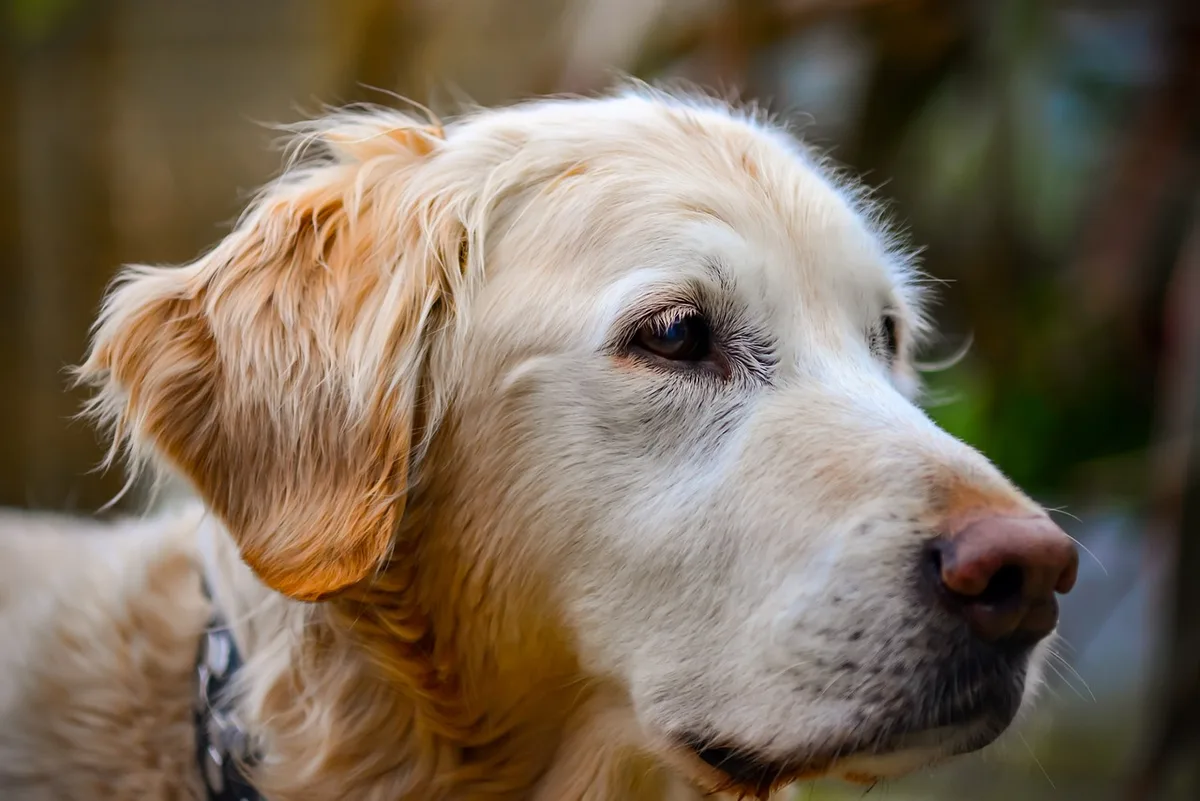
Image source: Web (Bing) / pixabay.com (Web image (fair-use with source credit))
Why Finding the Right "G" Dog Is Harder Than It Looks
The alphabet is a terrible filter for choosing a companion. Nobody should pick a dog the way they pick a Scrabble tile. But because "G" offers such a wide spread of breeds, it's a great letter to work through if you approach it with the right questions.
Here's the core problem: breed groups matter more than breed names. The American Kennel Club groups dogs by what they were originally bred to do. A herding dog thinks differently than a hound.
A guardian has different instincts than a sporting dog. When you look at the "G" breeds, you're actually looking at five distinct categories.
| Breed | AKC Group | Original Job | Energy Level |
|---|---|---|---|
| Golden Retriever | Sporting | Bird retrieval | Moderate to High |
| German Shepherd | Herding | Flock guarding & herding | High |
| German Shorthaired Pointer | Sporting | All-day hunting | Very High |
| Great Dane | Working | Boar hunting & guarding | Moderate indoors |
| Greyhound | Hound | Coursing fast game | Low indoors |
| Giant Schnauzer | Working | Cattle droving & guarding | High |
| Gordon Setter | Sporting | Bird pointing & retrieving | High |
| Glen of Imaal Terrier | Terrier | Vermin hunting | Moderate |
| Grand Basset Griffon Vendéen | Hound | Pack hunting | Moderate |
| German Pinscher | Working | Ratting & guarding | High |
That table is your starting point. The Golden Retriever and the Greyhound both start with "G," but one needs an hour of fetch and the other needs a 10-minute sprint and a warm couch. If you ignore the group, you'll end up with a dog that doesn't match your energy, your space, or your experience level.
The real challenge isn't finding a "G" breed you like. It's being honest about what you can provide. A Giant Schnauzer will test a first-time owner.
A German Shorthaired Pointer will destroy a sedentary household's furniture. The letter doesn't care about any of that, but you will, about six months in.
Quick Answer: The Best "G" Breeds by Category
If you want the short version, here it is. These are the "G" breeds that make the most sense for the most common living situations.
- Best for families: Golden Retriever
- Best for apartments: Greyhound
- Best for first-time owners: Golden Retriever or Great Dane
- Best for experienced owners: German Shepherd or Giant Schnauzer
- Best for hunters: German Shorthaired Pointer or Gordon Setter
- Best for low-shedding households: Glen of Imaal Terrier or German Pinscher
- Best for calm companionship: Great Dane or Greyhound
That's the quick answer, but it's not the whole story. Each of those recommendations comes with tradeoffs. The Greyhound is great in an apartment, but you can never trust it off-leash because of its prey drive.
The Great Dane is calm indoors, but its short lifespan is heartbreaking.
The rest of this guide walks you through the decision process properly. You'll learn what each breed actually lives like, what health problems to watch for, and how to narrow the field to the one dog that fits your home. If you want to compare the "G" group to other letter families, our guides on animals that start with j and meet 20 incredible animals that start with m are worth a look.
The Family Favorites: Golden Retriever vs. German Shepherd vs. German Shorthaired Pointer
These three breeds dominate the "G" category in popularity, and for good reason. They're intelligent, trainable, and deeply loyal. But they are not interchangeable.
Let's break down who each one is really for.
Golden Retriever: The Reliable All-Rounder
The Golden Retriever is the dog most people picture when they imagine a family pet. They're patient with kids, eager to please, and famously forgiving of clumsy puppy handling. The breed standard describes them as friendly, reliable, and trustworthy, which matches how they behave in most homes.
But here's what the marketing doesn't tell you: Goldens shed constantly. They need brushing several times a week, and they blow their undercoat twice a year. They also need a solid 60 to 90 minutes of exercise daily.
A bored Golden will redecorate your living room with couch stuffing and chew marks.
Best for: Active families, first-time owners, households with children.
Watch out for: Shedding, cancer risk (they have one of the highest rates among purebreds, with studies showing around 60% of Goldens eventually develop some form of cancer), and a need for consistent training.
German Shepherd: The Loyal Protector
The German Shepherd is a working dog through and through. They were bred to herd and guard sheep, which means they're alert, confident, and always scanning their environment. They bond intensely with their families and are naturally wary of strangers.
That makes them excellent watchdogs, but it also means early socialization is non-negotiable.
German Shepherds are brilliant. They'll learn commands quickly, but they'll also figure out how to open doors and manipulate your routines. They need mental stimulation as much as physical exercise.
Puzzle toys, obedience training, and nose work keep them balanced.
Best for: Active owners, singles, couples who want a devoted guardian.
Watch out for: Hip and elbow dysplasia (the breed has a well-documented genetic predisposition), separation anxiety if under-exercised, and a strong protective instinct that needs careful management.
German Shorthaired Pointer: The High-Octane Athlete
The German Shorthaired Pointer is a hunting machine. They were bred to hunt all day in the field, quartering back and forth to find birds. That drive doesn't switch off when they come inside.
A GSP needs 90 minutes or more of intense exercise daily. A walk around the block doesn't count.
These dogs excel at dog sports like agility, dock diving, and barn hunt. They're also incredibly affectionate and form tight bonds with their people. But if you're not an athlete yourself, you'll struggle to keep up with their energy.
Under-exercised GSPs become destructive, anxious, and noisy.
Best for: Hunters, runners, cyclists, and competitive dog sport enthusiasts.
Watch out for: Their prey drive (they'll chase squirrels, cats, and anything that moves), separation anxiety, and escape artist tendencies. They need a securely fenced yard.
How to Choose Among Them
If you have kids and want a forgiving family dog, choose the Golden Retriever. If you want a guardian who will also join you on a 5-mile run, choose the German Shepherd. If you hunt or want a high-energy sports partner, choose the German Shorthaired Pointer.
The Gentle Giants: Great Dane vs. Greyhound
If you're drawn to big dogs, the "G" group offers two very different options. The Great Dane and the Greyhound are both large, but they live completely different lives. This comparison will help you figure out which giant fits your home.

Image source: Web (Bing) / dogster.com (Web image (fair-use with source credit))
Great Dane: The Calm Guardian
The Great Dane is the tallest dog breed recognized by the American Kennel Club. Males stand at least 30 inches at the shoulder and often weigh 140 to 175 pounds. Despite that size, they're famously gentle indoors.
They're often called "gentle giants" because they're patient, affectionate, and surprisingly low-energy in the house.
That indoor calm comes with a catch. Great Danes are prone to gastric dilatation volvulus, commonly called bloat. It's a life-threatening condition where the stomach twists, and it requires emergency surgery.
The breed is also prone to dilated cardiomyopathy, a heart condition. Their average lifespan is only 7 to 10 years.
Best for: Owners with space for a giant dog, families, people who want a calm companion.
Watch out for: Short lifespan, high veterinary costs, joint issues, and the need to avoid vigorous exercise immediately after meals to reduce bloat risk.
Greyhound: The 45-MPH Couch Potato
Here's the surprise of the dog world. The fastest dog on earth is also one of the laziest indoors. Racing-bred Greyhounds are sprinters, not endurance athletes.
They'll run flat out for 10 minutes, then sleep for 20 hours. They rarely bark, they don't shed much, and they're remarkably clean in the house.
But Greyhounds have a powerful prey drive. They were bred to chase small, fast animals, and that instinct is strong. You can never let a Greyhound off-leash in an unfenced area.
A squirrel sighting is all it takes for them to rocket after it. They're also sensitive dogs that don't respond well to harsh training methods.
Best for: Apartment dwellers, calm households, owners who want a quiet companion.
Watch out for: Prey drive, thin skin that bruises easily, sensitivity to cold weather (they need winter coats), and the need for a securely fenced yard.
Which Giant Should You Pick?
If you want a massive, affectionate presence and can handle the short lifespan and potential health costs, choose the Great Dane. If you live in an apartment, want a low-shedding dog, and can manage a fenced yard, choose the Greyhound. Both are gentle.
Both are wonderful. They just fit different lives.
The Working Guardians: German Shepherd vs. Giant Schnauzer
Some "G" breeds aren't just pets. They're working dogs with guarding instincts bred deep into their DNA. If you want a dog that takes its job as protector seriously, these two are the standouts in the "G" group.
But they're not for casual owners.
German Shepherd: The Versatile Professional
The German Shepherd is the most versatile working dog in the world. They serve in police units, military roles, search and rescue, and as service animals. The breed standard calls for a dog that's "marked by permanence and reliability," and that's accurate.
Once a German Shepherd bonds with you, the loyalty is absolute.
That bond comes with a downside. German Shepherds can be wary of strangers and protective of their families. Without proper socialization, that wariness turns into reactivity and sometimes aggression.
They also need a job. A German Shepherd without purpose will invent one, often in the form of excessive barking or herding the children.
Best for: Experienced owners who can commit to training and socialization.
Watch out for: The need for firm, consistent leadership. This breed is not for pushovers.
Giant Schnauzer: The Intense Guardian
The Giant Schnauzer is a powerhouse. Weighing 55 to 85 pounds, they were originally bred to drive cattle and guard butcher shops in Germany. They're confident, powerful, and territorial.
They're also incredibly smart, which means they get bored easily and will test boundaries.
A Giant Schnauzer is not a beginner's dog. They need an experienced handler who can provide firm, consistent training and extensive socialization from puppyhood. They're often dog-aggressive and wary of strangers.
But for the right owner, they're intensely loyal and devoted.
Best for: Experienced owners, those with property to protect, people who want a formidable guardian.
Watch out for: Stubbornness, potential dog aggression, and a need for regular professional grooming (their wiry coat requires hand-stripping or clipping every few months).
H3: The Guardian's Core Traits
Both breeds share common characteristics that make them challenging but rewarding companions.
- Confidence: They naturally assess threats and react decisively.
- Bonding: They form intense, one-person or one-family bonds.
- Trainability: They learn quickly but question inconsistent commands.
If you're considering either breed, take stock of your experience honestly. The German Shepherd is more forgiving of novice mistakes. The Giant Schnauzer is not.
Both need a confident leader who establishes boundaries early and sticks to them. Our guide on mammals that start with j offers a fun side trip if you want a break from training talk.
The Hidden Gems: Gordon Setter, Glen of Imaal Terrier, and GBGV
Beyond the popular breeds, the "G" group hides some exceptional dogs that rarely make the mainstream list. These aren't for everyone, but they're perfect for the right owner.
Gordon Setter: The Overlooked Hunter
The Gordon Setter is the least common of the British setters, but they're arguably the most loyal. They're heavier and more substantial than the English Setter, with a distinctive black-and-tan coat. Males stand around 24 to 27 inches at the shoulder and weigh 55 to 80 pounds.
These dogs are enthusiastic hunters with a strong nose and a natural pointing instinct. They're also more protective than other setters, making them better watchdogs than their close relatives. That same intensity means they need consistent training and early socialization to prevent shyness or wariness around strangers.
Best for: Hunters, active families, owners who want a loyal companion with a guarding streak.
Watch out for: Their stubborn streak, heavy shedding, and the need for plenty of outdoor exercise.
Glen of Imaal Terrier: The Big Dog in a Small Body
The Glen of Imaal Terrier comes from the remote Glen of Imaal in Ireland. They were bred to hunt badgers and foxes on the rugged hills, which gave them a sturdy, low-set build. They weigh just 32 to 40 pounds, but they're surprisingly tough.
What's unusual about this terrier is their temperament. They're quieter and calmer than most terriers, and they're known for being patient with children. But that patience has limits.
They're still terriers, which means a strong prey drive and a stubborn streak that requires firm, gentle handling.
Best for: Families with kids, apartment dwellers, owners who want a low-shedding small dog.
Watch out for: Their digging instinct, stubbornness, and a need for consistent training from puppyhood.
Grand Basset Griffon Vendéen: The Cheerful Pack Hound
The Grand Basset Griffon Vendéen, or GBGV, is a French scent hound with short legs and a big attitude. They weigh 40 to 50 pounds and stand around 15 to 17 inches at the shoulder. Their rough, tousled coat gives them a shaggy, happy-go-lucky appearance.
These dogs are bred to hunt in packs, which means they're social, vocal, and absolutely driven by their nose. They'll follow a scent trail for miles without noticing you've stopped calling. The GBGV is not a dog for off-leash adventures in unfenced areas.
Best for: Active owners who want a cheerful, social dog and don't mind noise.
Watch out for: Their baying voice, powerful prey drive, and a need for secure fencing.
Side-by-Side Comparison: The "G" Breed at a Glance

Image source: Web (Bing) / fity.club (Web image (fair-use with source credit))
Now let's put everything side by side. This table gives you the core facts at a glance, so you can compare the "G" breeds without flipping back through the earlier sections.
| Breed | Weight | Lifespan | Exercise/Day | Grooming | Kid-Friendly |
|---|---|---|---|---|---|
| Golden Retriever | 55-75 lbs | 10-12 yrs | 60-90 min | High | Excellent |
| German Shepherd | 50-90 lbs | 9-13 yrs | 60-90 min | Moderate | Good |
| German Shorthaired Pointer | 45-70 lbs | 10-12 yrs | 90+ min | Low | Good |
| Great Dane | 110-175 lbs | 7-10 yrs | 40-60 min | Low | Excellent |
| Greyhound | 50-85 lbs | 10-14 yrs | 20-40 min | Low | Good |
| Giant Schnauzer | 55-85 lbs | 10-12 yrs | 60-90 min | High | Moderate |
| Gordon Setter | 45-80 lbs | 10-12 yrs | 60-90 min | High | Good |
| Glen of Imaal Terrier | 32-40 lbs | 12-15 yrs | 30-45 min | Low | Excellent |
| GBGV | 40-50 lbs | 12-14 yrs | 45-60 min | Moderate | Good |
That table is your shortcut to shortlisting. If you have small children, the Golden Retriever and the Glen of Imaal Terrier top the list for patience. If you live in an apartment, the Greyhound is the clear winner.
If you're an athlete, the German Shorthaired Pointer is your match.
Remember that lifespan numbers are averages. Individual dogs vary based on genetics, diet, and veterinary care. But the gap between the Great Dane's 7 to 10 years and the Glen of Imaal's 12 to 15 years is significant enough to factor into your decision.
Step-by-Step Decision Workflow: Matching a "G" Dog to Your Life

Image source: Web (Bing) / researchgate.net (Web image (fair-use with source credit))
You've seen the breeds. Now let's build a practical decision flow that walks you through the choice step by step. Answer honestly, and the right "G" dog will surface quickly.
Step 1: Assess Your Daily Exercise Capacity
How much time can you genuinely commit to outdoor activity every day?
- Less than 30 minutes: Greyhound, Great Dane, Glen of Imaal Terrier
- 30 to 60 minutes: Golden Retriever, Gordon Setter, GBGV
- 60 to 90 minutes: German Shepherd, Giant Schnauzer
- More than 90 minutes: German Shorthaired Pointer
If you're already tired after a 30-minute walk, don't pick a GSP. You'll both end up miserable.
Step 2: Evaluate Your Fence and Living Space
What kind of property do you have?
- Secure fence, no yard: Greyhound can sprint safely; Glen of Imaal fits small spaces
- Secure fence, average yard: Golden Retriever, German Shepherd, most breeds work
- Large fenced property: Great Dane, Giant Schnauzer, GSP thrive here
- No fence: Every "G" breed needs a secure fence. If you can't build one, rent or reconsider.
A 4-foot fence won't hold a Greyhound. They jump. A 6-foot fence is the minimum for most larger breeds.
Step 3: Be Honest About Your Training Experience
What's your history with dog training?
- First-time owner: Golden Retriever, Great Dane, Greyhound
- Some experience: German Shepherd, Gordon Setter, Glen of Imaal
- Experienced handler: Giant Schnauzer, GSP, GBGV
The Giant Schnauzer needs a firm hand. The GBGV needs patience with their noise and prey drive. Don't overestimate your skill level.
Step 4: Consider Family Dynamics
Who else lives in your home?
- Toddlers and young kids: Golden Retriever, Great Dane, Glen of Imaal
- Older kids (8+): German Shepherd, Greyhound
- Other dogs: Greyhound, Golden Retriever, Gordon Setter (most social)
- Cats and small pets: Glen of Imaal, Golden Retriever (with training), Greyhound (risky)
The Golden Retriever is the safest bet for families with young children. The German Shepherd can be great with kids, but their herding instinct might nip at heels. The Greyhound sees small animals as prey, so cats are risky.
Step 5: Factor in Grooming Commitment
How much time can you spend on coat care each week?
- Minimal (15 min/wk): Greyhound, GSP, Great Dane, German Pinscher
- Moderate (30 min/wk): German Shepherd, GBGV
- High (1+ hr/wk): Golden Retriever, Gordon Setter, Giant Schnauzer
Giant Schnauzers need professional grooming every 2 to 3 months, which adds up financially. Goldens and Gordon Setters shed heavily year-round and blow their coats twice a year.
Step 6: Shortlist and Meet Adult Dogs
Once you've narrowed your list to two or three breeds, meet adult dogs of each breed. Puppies all look cute and act similar. Adults reveal their true temperament.
Visit breeders, rescue organizations, or breed-specific events to see the dogs in action before you decide.
Common Mistakes to Avoid When Choosing a "G" Breed
Even with good intentions, buyers make predictable mistakes. Here are the ones we see most often in our research on this exact topic.
Choosing a High-Energy Breed for a Sedentary Lifestyle
The German Shorthaired Pointer is a beautiful dog, and they get plenty of attention at the park. But their exercise needs are non-negotiable. Skimping on exercise leads to destructive chewing, anxiety, and compulsive barking.
The same applies to German Shepherds and Giant Schnauzers.
Letting a Greyhound Off-Leash
Greyhounds are sprinters with a prey drive that's hardwired. A squirrel or rabbit darting across your path is all it takes for them to bolt. Even a well-trained Greyhound can ignore your recall when the chase instinct kicks in.
Always keep them on a leash outside a securely fenced area.
Skipping Early Socialization for Guardian Breeds
German Shepherds and Giant Schnauzers need exposure to new people, dogs, and environments during their critical socialization window, roughly 8 to 16 weeks of age. Missing that window can produce a fearful or reactive adult dog that's difficult to manage.
Underestimating Grooming Needs
Golden Retrievers and Gordon Setters shed constantly. If you're allergic to pet dander or hate vacuuming, rethink these breeds. Giant Schnauzers need regular professional grooming at $60 to $100 per visit.
Budget for that before you commit. For more on breed traits across the alphabet, check out our guide to animals starting with s.
Ignoring Health Risks
Bloat is a real danger for deep-chested breeds like the Great Dane, German Shepherd, and Gordon Setter. Feeding two smaller meals instead of one large one reduces the risk. Avoiding vigorous exercise for an hour after meals also helps.
No "G" breed is free from genetic health concerns, so research the specific conditions for your top pick and ask breeders for health clearances.
Costs, Lifespan, and Grooming Realities
Money matters. Here's what you can realistically expect to spend during a "G" dog's first year and beyond.
Initial Costs
| Expense | Estimated Range |
|---|---|
| Adoption fee (rescue) | $150 to $500 |
| Purchase price (breeder) | $800 to $3,000+ |
| Supplies (crate, leash, bed) | $200 to $500 |
| Initial vet visit & vaccines | $100 to $300 |
| Spay/neuter (if not included) | $150 to $500 |
Annual Costs
| Expense | Small/Medium | Large/Giant |
|---|---|---|
| Food | $300 to $600 | $600 to $1,200 |
| Routine vet care | $200 to $500 | $300 to $700 |
| Grooming (if applicable) | $0 to $300 | $300 to $1,000 |
| Preventive meds | $100 to $250 | $150 to $350 |
| Pet insurance | $300 to $700/yr | $500 to $1,000/yr |
Pet insurance is worth serious consideration for large breeds. The Great Dane's potential health issues, including bloat and heart conditions, can rack up $5,000 to $10,000 in emergency bills. Insurance protects your wallet and your peace of mind.
Why These Numbers Matter
The cost difference between a Greyhound and a Great Dane isn't just the price of a bigger crate. Food, medical care, and grooming all scale with size. A Great Dane eats about 6 to 8 cups of high-quality kibble per day, while a Glen of Imaal Terrier eats 1 to 2 cups.
Over a year, that's a difference of several hundred dollars, before you factor in the Danes' shorter lifespan and higher risk of expensive health conditions.
Budgeting realistically before you bring a dog home prevents the painful decision of rehoming later. We've seen too many owners surrender their dogs due to unexpected financial strain. Don't let that be you.
If you want to explore more breeds before committing, our list of surprising animals that start with o and wild animals starting with w offer fun alternatives to consider.
Health Certifications and Responsible Sourcing
Health testing separates ethical breeders from backyard operations. Ask every breeder for Orthopedic Foundation for Animals (OFA) hip and elbow clearances, plus Canine Eye Registration Foundation (CERF) exams. Per OFA standards, these certifications significantly reduce the risk of passing on hereditary conditions like hip dysplasia or progressive retinal atrophy.
For German Shepherds, request the breeder's hip and elbow scores from the OFA database. For Great Danes, ask about cardiac screening and genetic testing for dilated cardiomyopathy. A responsible breeder will share these results without hesitation.
How to Vet a Breeder or Rescue
- Breeder: Visit the facility, meet the parents, and observe the puppies' environment. Never buy from a breeder who won't show you the dam.
- Rescue: Work with breed-specific rescues like the Greyhound Adoption Program or the Golden Retriever Club of America rescue network. They evaluate temperament and match dogs to homes.
If a breeder refuses health clearances or pressures you to commit quickly, walk away. Those are red flags for puppy mills.
Regional Fit: Climate, Housing, and Local Regulations
Where you live matters as much as how you live. Hot climates favor short-coated breeds like the Greyhound, German Shorthaired Pointer, and Great Dane. Cold regions suit double-coated dogs like the Golden Retriever and German Shepherd.
The Glen of Imaal Terrier's wiry coat handles both reasonably well.
Housing and Legal Considerations
Check local breed-specific legislation (BSL) before committing. Some municipalities restrict German Shepherds or Giant Schnauzers based on appearance. Homeowner insurance policies may also exclude guardian breeds.
Verify your coverage before bringing a dog home.
Apartment renters should confirm the building's pet policy. Many complexes enforce weight limits that exclude Great Danes and German Shepherds. A Greyhound, despite its size, often slips through because landlords recognize its calm temperament.
Final Verdict: Which "G" Dog Is Right for You?
Match the breed to your energy, space, and experience. The Golden Retriever wins for families with kids. The Greyhound wins for apartment dwellers.
The German Shorthaired Pointer wins for athletes.
If you're experienced and want a guardian, the German Shepherd is the safest choice. The Giant Schnauzer only fits expert handlers. For a rare, loyal companion with low shedding, the Glen of Imaal Terrier is a hidden gem.
Take your time. Meet adult dogs. Ask questions.
The right match is out there, and when you find it, the paperwork and planning will feel worth it. Use the American Kennel Club's breed standards for reference, and consult your veterinarian before making a final decision.