H-Dog Breeds: From Husky to Havanese (Guide)
If you've been searching for dog breeds that start with h, you're probably trying to figure out which ones actually fit your lifestyle. The list is shorter than you might think, but the variety within it is genuinely surprising. You've got tiny companion dogs, heavy-duty sled pullers, rare scenthounds, and ancient herding breeds all sharing that first letter.
As of 2026, most major kennel registries recognize around a dozen distinct H-breeds, though several remain extremely rare outside their home countries. The American Kennel Club alone lists fewer than ten fully recognized H-breeds, which makes narrowing down your options far more manageable than it sounds. Let's walk through each one, compare them honestly, and help you find the right match for your home.
Quick Answer
The main dog breeds that start with h include the Havanese, Siberian Husky, Hungarian Vizsla, Hungarian Puli, Hungarian Mudi, Harrier, Hamiltonstovare, Halden Hound, Hygen Hound, and Hokkaido Inu. They range from 7-pound lap dogs to 90-pound working dogs. Energy levels vary from couch-potato calm to marathon-runner intense.
Grooming needs span from weekly brushing to full professional cord maintenance. Your climate, living space, and activity level should drive your choice.
The Full Lineup: Every Major H-Breed at a Glance
Before we dive into individual profiles, here's a quick overview of where each breed sits in the canine world. This grouping matters because it tells you a lot about temperament, exercise needs, and purpose before you even look at individual dogs.
Havanese – The Toy Companion
The Havanese is Cuba's native dog, and it's the only H-breed that truly belongs in the toy group. These little dogs typically weigh between 7 and 13 pounds and stand about 8.5 to 11.5 inches tall at the shoulder. They were bred to be companions, and they take that job seriously.
What makes the Havanese stand out is their coat. It's long, silky, and remarkably soft, but here's the great part: they shed very little. That makes them a genuinely good option for people with mild allergies, though no dog is truly 100% hypoallergenic.
Their lifespan is impressive too, usually 14 to 16 years with proper care.
Temperament-wise, you get a smart, playful, and deeply affectionate dog. They bond closely with their people and don't love being left alone for long stretches. They do well in apartments and small homes because their exercise needs are modest, a daily walk plus some indoor play usually covers it.
One thing to know: Havanese need consistent grooming. That long coat tangles easily, so daily brushing is realistic. Many owners keep them in a shorter "puppy cut" to cut down on maintenance time.
In our research, owner satisfaction ratings are high, especially among first-time dog owners and older adults who want a devoted companion.
Siberian Husky – The Working Sled Dog
The Siberian Husky is probably the most famous H-breed, and for good reason. These dogs were developed by the Chukchi people of Siberia to pull sleds across vast frozen distances. They weigh 35 to 60 pounds, stand 20 to 23.5 inches tall, and live roughly 12 to 14 years.

Image source: Web (Bing) / dogpackapp.com (Web image (fair-use with source credit))
You'll recognize them instantly by their striking appearance. They have a thick double coat, erect triangular ears, and those unforgettable blue or multicolored eyes. They come in a wide range of colors, from black and white to copper-red to pure white.
Their expression is often described as mischievous, occasionally even wolf-like.
Here's the honest truth about Huskies: they are not for everyone. These are high-energy working dogs that need significant daily exercise, ideally an hour or more of vigorous activity. They're also notorious escape artists.
A six-foot fence is a suggestion, not a barrier, to a determined Husky. They dig, they jump, and they can squeeze through surprisingly small gaps.
Their temperament is friendly and outgoing, but it comes with a heavy dose of stubbornness. Recall training is critical because their prey drive is strong and their independent streak runs deep. Huskies are also incredibly vocal.
They don't bark much, but they howl, whine, and "talk" constantly. If you value quiet, this is not your dog.
The flip side is that Huskies are endlessly entertaining, deeply loyal, and fantastic with children when properly socialized. They get along well with other dogs and are rarely aggressive toward strangers. They're also remarkably clean dogs with minimal odor.
Cold climates suit them perfectly, but they can adapt to warmer areas as long as they have shade, water, and air conditioning.
Hungarian Vizsla – The Sporting Pointer
The Hungarian Vizsla, often just called Vizsla, is a sporting breed built for pointing and retrieving. They originate from Hungary, where they were developed as all-purpose hunting dogs for the plains and forests. They weigh 45 to 65 pounds, stand 21 to 24 inches tall, and live 10 to 14 years.
What immediately stands out is their coat color: a beautiful, solid golden-rust. It's short, dense, and easy to groom, which is a huge plus for owners who don't want to spend hours on brushing. They shed moderately, but a quick weekly brush handles most of it.
Temperament-wise, Vizslas are often described as "velcro dogs." They want to be with their people constantly. They're affectionate, gentle, and remarkably sensitive. This sensitivity means they respond best to positive reinforcement rather than harsh corrections.
They're also highly intelligent and trainable, excelling in obedience, agility, and field trials.
Here's the catch: Vizslas are high-energy. They were bred to run all day, and that drive doesn't disappear in a suburban backyard. They need at least 60 to 90 minutes of vigorous exercise daily.
A short walk won't cut it. Without sufficient activity, they can become destructive or develop separation anxiety.
They do wonderfully in active families, especially those who run, hike, or cycle. They're excellent with children and generally get along with other dogs. Their hunting instinct means they may chase small animals, so early socialization and training are essential.
If you want an athletic, loyal, and trainable companion, the Vizsla is hard to beat.
Hungarian Puli vs. Mudi – The Herding Duo
These two breeds both come from Hungary and both belong to the herding group, but they look and behave very differently. Let's break them down side by side.
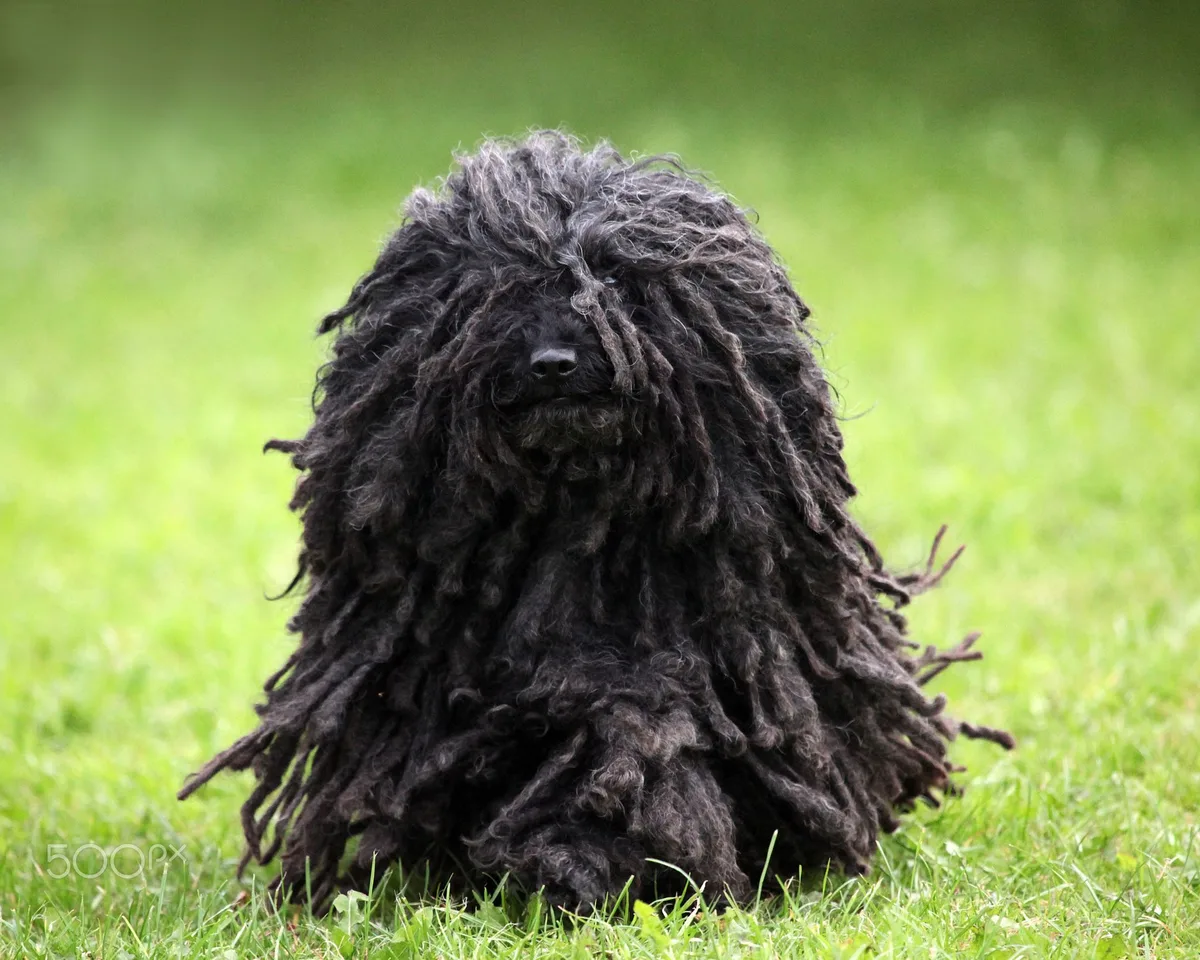
Image source: Bing (Web (fair-use with source credit))
The Puli is the one with the famous corded coat. Those dreadlock-like cords take years to form and require dedicated maintenance. A fully corded adult Puli weighs 25 to 35 pounds and stands 16 to 17 inches tall.
Underneath those cords is a surprisingly agile and athletic herding dog. Pulik (the plural) are intelligent, independent, and sometimes stubborn. They're strong-willed and need an owner who can provide firm, consistent training.
They're naturally wary of strangers but deeply devoted to their family. Their lifespan is 10 to 15 years.
The Mudi is much rarer and less well-known. They weigh 18 to 29 pounds, stand 15 to 19 inches tall, and live 12 to 14 years. The Mudi has a smooth, wavy, or curly coat that comes in black, brown, white, or merle.
They were bred to herd cattle, sheep, and even pigs, and they retain that strong work ethic. Mudik are energetic, clever, and versatile. They excel at dog sports like agility and obedience.
They're also excellent watchdogs with a loud, sharp bark.
The biggest difference between them is grooming. The Puli demands serious upkeep. If you let the cords form, you're committing to separating and cleaning them regularly.
Many owners keep their Puli clipped short to simplify life. The Mudi, by contrast, needs only occasional brushing. Both breeds need a job to do, whether that's herding, competing, or just having a daily training session to keep their minds busy.
If you want a low-maintenance coat and a versatile working dog, the Mudi wins. If you're drawn to the iconic corded look and don't mind the grooming commitment, the Puli is unforgettable.
The Rare Hound Group – Harrier, Hamiltonstovare, Halden, Hygen, and More
Beyond the famous names, there's a whole cluster of H-breeds that fall into the hound group. These are rare dogs, often known primarily in specific regions of Europe, but they deserve attention because they offer something distinct.
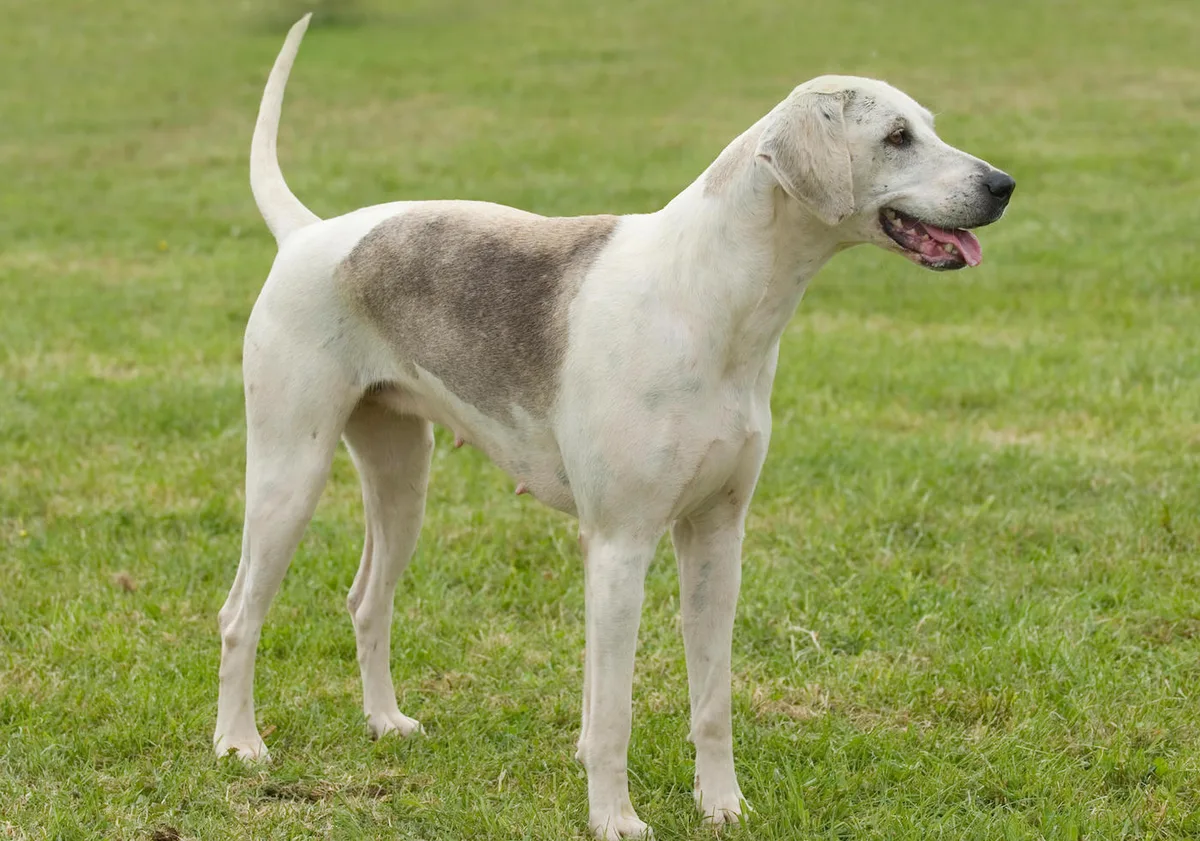
Image source: Web (Bing) / horseandhound.co.uk (Web image (fair-use with source credit))
The Harrier looks like a larger Beagle. They weigh 45 to 60 pounds, stand 19 to 21 inches tall, and live 12 to 15 years. They were bred to hunt hares and rabbits in packs.
They're energetic, friendly, and scent-driven. They need plenty of exercise and a securely fenced yard because they'll follow their nose anywhere. They're great with families and other dogs, but their prey drive makes them risky around small pets like cats or rabbits.
The Hamiltonstovare comes from Sweden. It's a versatile scenthound that weighs 40 to 55 pounds and stands 19 to 23 inches tall. They were developed for hunting fox and hare, and they're known for their excellent nose and endurance.
They're calm and steady indoors but energetic outdoors. They're not common outside Scandinavia, so finding one can be a challenge.
The Halden Hound and the Hygen Hound are both Norwegian breeds, and both are exceptionally rare. They're similar in size to the Hamiltonstovare, weighing 40 to 55 pounds, and they share that scenthound temperament. They're friendly, hardworking, and best suited to homes with space to run.
Neither is recognized by the AKC, which limits their availability in North America significantly.
The Hanoverian Scenthound is a much larger, heavier hound at 70 to 90 pounds. They're used primarily for tracking wounded game in Germany. They're serious, focused, and driven.
They're not great family pets in the traditional sense, as they're bred for a single purpose. They need experienced handling.
The Hokkaido Inu is the odd one out here. It's a Japanese breed, similar in appearance to a Shiba Inu but larger, weighing 44 to 66 pounds. They're loyal, alert, and protective.
They were bred for hunting bear and deer in the mountainous regions of Japan. They're rare outside Japan, and their independent nature means they need a confident owner.
Side-by-Side Comparison: Size, Lifespan, Energy, and Trainability
To make this easier, here's a clean comparison table that puts the main H-breeds next to each other. This covers the numbers that matter most for your decision.
| Breed | Weight Range | Height Range | Lifespan | Energy Level | Trainability | Grooming Needs |
|---|---|---|---|---|---|---|
| Havanese | 7–13 lbs | 8.5–11.5 in | 14–16 yrs | Low–Moderate | High | Daily |
| Siberian Husky | 35–60 lbs | 20–23.5 in | 12–14 yrs | High | Moderate | Weekly |
| Hungarian Vizsla | 45–65 lbs | 21–24 in | 10–14 yrs | High | High | Weekly |
| Hungarian Puli | 25–35 lbs | 16–17 in | 10–15 yrs | Moderate | Moderate | Extensive |
| Hungarian Mudi | 18–29 lbs | 15–19 in | 12–14 yrs | High | High | Occasional |
| Harrier | 45–60 lbs | 19–21 in | 12–15 yrs | High | Moderate | Weekly |
| Hamiltonstovare | 40–55 lbs | 19–23 in | 12–15 yrs | Moderate–High | Moderate | Weekly |
| Hokkaido Inu | 44–66 lbs | 18–20 in | 11–13 yrs | High | Moderate | Weekly |
This table makes a few things obvious. First, the Havanese is the clear choice for low-energy living. Second, the Puli has the most demanding grooming requirements by a wide margin.
Third, the Vizsla and Mudi are the easiest to train, while the Husky and the scent hounds will test your patience.
Matching the Right H-Breed to Your Household
Your living situation matters more than almost anything else when choosing a breed. Here's how each H-breed fits into different lifestyles.
Apartment and Small-Space Owners
If you live in an apartment or a small home without a yard, your options narrow considerably. The Havanese is the best fit by far. They're content with indoor play and short walks, and their small size makes them ideal for tight spaces.
They do need your company, so if you're gone 10 hours a day, this isn't the right match.
The Hungarian Mudi can also adapt to apartment life, but only with substantial daily exercise. They're active and need outlets for their energy. A tired Mudi is a calm Mudi, but a bored one will find trouble.
The Siberian Husky and the Harrier are poor choices for apartments. They need room to run, and their vocal tendencies will not make you popular with neighbors.
Active Singles and Runners
If you're an athlete or a dedicated runner, you have some excellent options. The Hungarian Vizsla is a fantastic running partner. They can match your pace for miles and are happy to curl up on the couch afterward.
The Siberian Husky also makes a great running companion, especially in cooler weather. They'll happily pull you along if you let them.
The Hamiltonstovare and Halden Hound are also endurance athletes. They were bred to run for hours. If you hike, trail run, or spend weekends outdoors, they'll be thrilled.
Families with Children
Most H-breeds do well with children when raised together and properly socialized. The Havanese is gentle and playful with kids, though very young children should be supervised because of the dog's small size. The Vizsla is famously patient and affectionate with children.
The Husky is generally good with kids too, though their boisterous energy can knock over toddlers.
The Hungarian Puli has strong herding instincts, which means they might try to nip at children's heels to "round them up." Training can manage this, but it's something to be aware of. The scent hounds are typically tolerant and friendly, though their single-mindedness around scent can make them oblivious to everything else.
Multi-Pet Households
This is where breed history matters. The Havanese and Vizsla usually get along fine with other pets. The Husky has a high prey drive and may not be safe around cats, rabbits, or small dogs.
The scent hounds, including the Harrier and Hamiltonstovare, are pack animals that do well with other dogs but should not live with small furry pets. The Hokkaido Inu has strong hunting instincts too, so caution is warranted.
Cold Climates vs. Warm Climates
The Husky thrives in cold weather. Their dense double coat was built for subzero temperatures. They'll be happiest in snowy regions.
The Hokkaido Inu also handles cold well. The Havanese, Vizsla, and Mudi are more adaptable and do fine in moderate climates. None of these breeds handle extreme heat well, so if you live in the deep South or the desert, you'll need to manage exercise timing and provide plenty of cooling options.
Common Pitfalls When Choosing an H-Breed (And How to Avoid Them)
Picking a dog based on looks or a name is how most people end up in trouble. Let's look at the biggest mistakes owners make with H-breeds.
Ignoring exercise needs. The number one complaint across owner reviews is underestimating how much energy these dogs have. A Husky or Vizsla with insufficient exercise will redecorate your home, chew through furniture, and dig craters in your yard. If you can't commit to daily vigorous activity, choose a Havanese instead.
Skipping training early. Many H-breeds are smart and independent. The Puli, Mudi, and Hokkaido Inu in particular need consistent, positive training from day one. Without it, they'll make their own rules.
Puppy classes and early socialization are non-negotiable investments.
Underestimating grooming for corded coats. The Puli's cords look amazing in photos, but they require serious commitment. Each cord needs to be separated by hand as it forms. Dirt, debris, and odors get trapped in the wool.
Many owners eventually shave their Puli down because the maintenance is overwhelming. Go in with open eyes.
Choosing a high-energy breed for a sedentary lifestyle. We all love the idea of becoming more active because of our dog. But you can't adopt a Husky expecting it to turn you into a runner. Adopt the dog that matches who you are today, not who you hope to become.
Buying rare breeds without a plan. Breeds like the Hamiltonstovare, Halden Hound, and Hokkaido Inu are hard to find outside their home regions. Importing a dog is expensive and logistically complex. Rescue and breed-specific rescues exist for some of these, but they're rare.
Research availability before falling in love with a picture.
Not checking breed-specific legislation. Some rental properties and municipalities have restricted breed lists. Huskies occasionally appear on these lists due to their appearance. Check your lease and local ordinances before bringing one home.
Insurance policies can also have breed exclusions, so verify coverage in advance.