Insects That Start with A: Ants, Aphids, Assassin Bugs
If you've ever found a strange bug crawling across your kitchen counter or munching through your garden leaves, you've probably wondered what it is. When it comes to insects that start with a, there's more variety than you might expect. Some are harmless visitors, others are destructive pests, and a few can deliver a painful bite or sting.
The trick is telling them apart before you decide to squish, spray, or simply leave them alone.
Getting the identification right matters more than you'd think. A single aphid infestation can explode from a handful to thousands in weeks, while an assassin bug is actually a beneficial predator you'd want to keep around. As of 2026, expert sources estimate that over 70 percent of home pesticide misuse comes from misidentifying the target pest.
Let's walk through the most common "A" insects so you can spot them, understand them, and respond correctly.

Image source: Web (Bing) / prnewswire.com (Web image (fair-use with source credit))
Quick Answer
The most common insects that start with a include ants, aphids, armyworms, antlions, assassin bugs, and the Asian lady beetle. Each one has different habits, risks, and benefits. To identify yours, note where you found it, check for wings and antennae, and observe its behavior.
Then match those clues to the decision branches below.
Why Correct Identification Matters More Than You Think
Here's the thing about bug identification. Getting it wrong wastes money, time, and sometimes causes real harm to your plants or your health.
Take ants as an example. Winged ants often get mistaken for termites, which triggers panic and an expensive fumigation call. But winged ants are just reproductive members of a colony.
They swarm, mate, and die. Termites actually eat wood structures. The treatment for each is completely different.
The same confusion happens with ladybugs. The Asian lady beetle looks almost identical to native ladybugs, but it's more likely to invade your home in fall and can bite. Spraying your garden with insecticide to kill aphids might also wipe out the very lady beetles that were eating them for free.
Misidentification also leads to unnecessary fear. People see an assassin bug and assume it's dangerous because of its size and shape. In reality, it's one of the best natural pest controllers you can have in a garden, feeding on caterpillars, aphids, and other harmful insects.
Kill it, and you lose free pest control.
Then there's the opposite problem. Overlooking a real threat like the Asian giant hornet can delay reporting to local authorities. That delay matters for tracking invasive species.
So before you reach for a spray or a shoe, take thirty seconds to figure out what you're actually looking at. The decision tree in this guide helps you do exactly that.
The 4-Step ID Workflow
You don't need a biology degree to identify common insects. You just need to look for four key clues. Each one narrows down your options significantly.
Step 1: Note the location.
Where exactly did you find it? Indoors on a windowsill points toward ants or lady beetles. On a plant stem suggests aphids.
In loose soil with a small funnel-shaped pit means antlion larvae. In a garden bed during late summer, armyworms become prime suspects. Location alone eliminates half your options.
Step 2: Check the basics.
Look for wings. Do you see two pairs or just one? Winged insects are either reproductives or flyers like moths and wasps.
Check the antennae. Elbowed antennae, bent like an arm, are a classic ant trait. Straight or clubbed antennae point elsewhere.
Estimate size against a coin or your fingernail. Aphids are tiny at 2 to 4 millimeters. An Atlas moth can reach a massive 30 centimeters across.
Step 3: Observe behavior.
What is the insect doing? Crawling in a line suggests ants following a pheromone trail. Clustered on new plant growth points to aphids.
Flying toward lights means it's probably a moth or beetle. Digging in the soil or leaving small pits indicates antlions. A bug that actively hunts other insects is likely an assassin bug.
Step 4: Match to decision branches.
Use the clues from steps one through three to find your insect in the sections below. Each branch covers a category of "A" insects and tells you what to do next.
Here's a quick reference table for the four-step process:
| Step | What to Check | What It Tells You |
|---|---|---|
| 1 | Location found | Indoor vs. outdoor vs. garden |
| 2 | Wings, antennae, size | Family-level identification |
| 3 | Behavior | Feeding habits and threat level |
| 4 | Match to branches | Decide action or no action |
Decision Branch 1: Tiny Crawling Bugs Indoors or on Plants
This category covers the most common "A" insects you'll encounter. They're small, they crawl, and they often find their way into your living space or garden.
Ants.
Ants are everywhere. Carpenter ants are larger, usually black, and nest in damp or damaged wood. Fire ants build visible mounds and sting painfully.
Black garden ants are the tiny ones you see trailing across kitchen counters. If you see a line of ants following the same path, they've laid a pheromone trail to a food source. Wipe it down and remove the food.
For carpenter ants, locate the nest and address moisture issues. Fire ants require mound treatments or professional help.
Aphids.
Aphids are small, soft-bodied insects usually green, yellow, or black. They cluster on the undersides of leaves and new stems, sucking sap. Their feeding causes leaves to curl and yellow.
They also excrete a sticky substance called honeydew, which leads to sooty mold. Ants often farm aphids for the honeydew, so seeing both together is common. A strong water spray knocks them off plants.
For heavier infestations, insecticidal soap works well.
Acorn Weevils.
Acorn weevils are small beetles with a distinctive long snout called a rostrum. They bore into acorns and nuts to lay eggs. You're most likely to find them near oak trees in late summer and fall.
They're harmless to people and property, just a nuisance when they occasionally wander indoors. Sweep them out and seal entry points.
The decision guide here is simple. If it's an ant trail indoors, clean surfaces and remove food sources. If it's aphids on plants, target them directly with water or soap.
If it's a weevil, do nothing. It's a harmless wanderer.
For a broader look at the animal kingdom starting with this same letter, you might enjoy browsing through other creatures beginning with A to see where insects fit alongside larger species.
Decision Branch 2: Caterpillars and Worm-Like "A" Insects
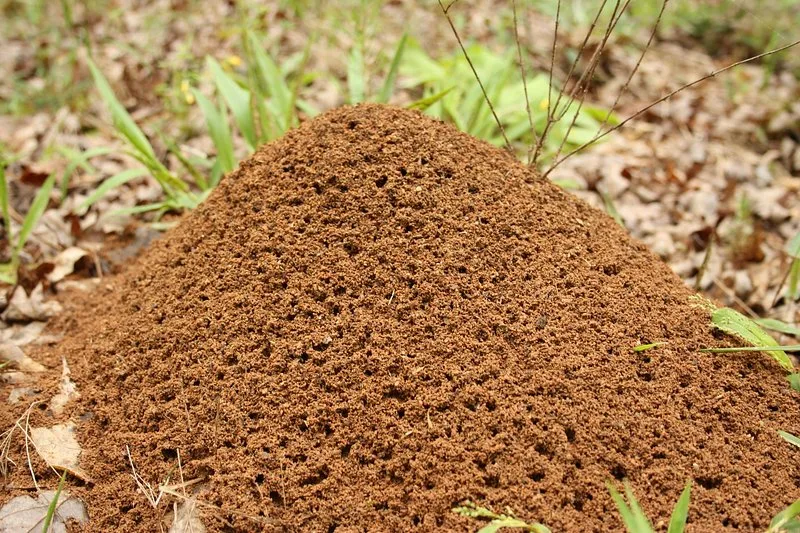
Image source: Web (Bing) / rawpixel.com (Web image (fair-use with source credit))
These look like worms or caterpillars, but they're actually the larval stage of moths and beetles. They're some of the most destructive garden pests you'll encounter.
Armyworms.
Armyworms get their name from their marching behavior, where large groups move across a lawn or field like an army. The fall armyworm is a serious agricultural pest that feeds on grass, corn, and vegetable crops. You'll notice irregular chewing damage on leaves and droppings nearby.
They're most active in late summer and early fall. Control involves applying targeted insecticides early when larvae are small. Waiting too long makes them much harder to kill.
Antlion Larvae (Doodlebugs).
Antlions are beneficial insects. Their larvae create small funnel-shaped pits in sandy soil and wait for ants to slide in. They're often called doodlebugs because of the wandering tracks they leave when searching for a new spot to dig.
If you spot a pit, you're looking at a helpful predator. Leave it alone. It's controlling ant populations for free.
Alfalfa Weevil Larvae.
These are the larval stage of the alfalfa weevil, a beetle that feeds on legume crops like alfalfa and clover. Larvae are small, greenish, worm-like creatures with a dark head. They chew irregular holes in leaves and can cause significant forage loss in agricultural settings.
Farmers monitor for them with sweep nets and apply control measures when populations cross economic thresholds. Home gardeners rarely need to worry unless you grow alfalfa or clover as a cover crop.
Here's the decision logic for this branch. If it's in a group munching through grass or vegetable leaves, armyworms are likely. Check for them late in the day when they're most active.
If you see funnel pits in sandy soil, that's an antlion doing useful work. If you're finding damaged alfalfa leaves, it could be weevil larvae, but that's mainly a farming concern.
Interested in how insects compare to other groups in the same alphabetical category? You might also enjoy learning about reptiles that start with A for a different branch of the animal kingdom.