Dog Breeds Starting with N: Names and Traits
You've probably noticed that the dog breeds starting with "N" don't get nearly as much attention as the Labradors and Goldens of the world. That's a shame, because this small alphabetical corner hides some genuinely remarkable companions. From a 150-pound water rescue giant to a scrappy little terrier bred to hunt foxes, the "N" breeds offer more variety than almost any other letter in the dog book.
Here's the thing about choosing a dog: the name matters less than the fit. A Newfoundland and a Norfolk Terrier share a first letter, but they share almost nothing else about how they live, what they need, or who they're right for. As of 2026, the American Kennel Club recognizes only a handful of "N" breeds, which actually works in your favor.
Fewer options mean clearer decisions. This guide breaks down every major "N" breed, compares them honestly, and helps you figure out which one actually belongs in your home.

Image source: Bing (Web (fair-use with source credit))
Quick Answer
The main dog breeds that start with "N" are the Newfoundland, Norfolk Terrier, Neapolitan Mastiff, and Norwegian Elkhound. Two rarer breeds, the Nederlandse Kooikerhondje and Norrbottenspets, also qualify. The Newfoundland suits families wanting a gentle giant.
The Norfolk Terrier fits apartment dwellers seeking a small companion. The Neapolitan Mastiff rewards experienced owners who want protection. The Norwegian Elkhound matches active outdoor enthusiasts.
Why the "N" Breeds Deserve a Closer Look
Most people can name a handful of dog breeds total, and "N" breeds rarely make that list. But here's what's interesting: every "N" breed has a distinct job it was built for, and that purpose shaped everything about its personality. Understanding that history tells you more about whether a dog fits your life than any photo gallery ever will.
These breeds also span the full size spectrum. You've got giants like the Newfoundland and Neapolitan Mastiff pushing past 150 pounds. You've got the Norfolk Terrier hovering around 12 pounds.
The Norwegian Elkhound sits comfortably in the middle. That range means the "N" category has something for nearly every living situation, from studio apartments to sprawling rural properties.
What ties them together is a shared trait: they're not trendy. You won't see these dogs flooding every park and sidewalk. That's a real advantage if you want a companion that stands out, and it often means breeders focus more on health and temperament than on pumping out puppies for demand.
The flip side is that "N" breeds can be harder to find. Dedicated breeders exist, but you might join a waitlist. Rescue organizations for specific breeds like Newfoundlands and Norwegian Elkhounds do operate nationally, so that's worth checking first.
If you're flexible on timeline, a rescue or a responsible breeder both work.
Newfoundland: The Gentle Giant Water Rescue Dog

Image source: Bing (Web (fair-use with source credit))
The Newfoundland is the breed people picture when they hear "gentle giant," and honestly, the reputation fits. These dogs were originally working alongside fishermen in the freezing waters of Newfoundland, Canada. They'd haul nets, pull carts, and most importantly, rescue people who fell overboard.
That heritage explains a lot about their personality.
Physically, this is a massive animal. Males typically run 130 to 150 pounds, with females slightly smaller at 100 to 120 pounds. They stand 26 to 28 inches at the shoulder.
Their coat is thick, flat, and water-resistant, designed to handle icy Atlantic temperatures. They also have webbed feet, which is a rare trait that makes them exceptional swimmers.
What you need to know about their temperament is simple: Newfoundlands are famously patient, sweet, and devoted. They're excellent with children, often showing remarkable gentleness around toddlers. They're not aggressive guard dogs, though their size alone tends to deter strangers.
They'd rather make friends than raise alarms.
The reality check comes with the maintenance. Newfoundlands shed heavily year-round and "blow" their coat twice annually, which means fur everywhere. They also drool, especially after drinking or eating.
If you're neat-freak, this breed will test you daily. They need moderate exercise, maybe 30 to 45 minutes of walking or swimming, but they're not built for marathon runs.
Health-wise, you need to watch for hip and elbow dysplasia, which is common in giant breeds. They're also prone to subvalvular aortic stenosis, a heart condition that responsible breeders screen for. Their average lifespan is 8 to 10 years, which is typical for dogs this size.
This breed is best for families with space, patience, and a tolerance for mess. If you want a calm, loving, protective presence that adores children, the Newfoundland delivers on every front. If you want a tidy home, look elsewhere.
Norfolk Terrier: The Pint-Sized Hunter with a Big Attitude
If the Newfoundland is all about calm and mass, the Norfolk Terrier is the exact opposite. This little dog typically weighs 11 to 12 pounds and stands about 9 to 10 inches tall. But don't let the size fool you.
These dogs were bred to hunt rats and foxes in the English countryside, and they still carry that fearless, tenacious spirit today.
The Norfolk Terrier is often confused with its close cousin, the Norwich Terrier. The easiest way to tell them apart is the ears. Norfolk Terriers have drop ears that fold forward, while Norwich Terriers have prick ears that stand straight up.
It's a small detail, but it's the definitive distinguishing feature.
Personality-wise, these are confident, affectionate, and endlessly entertaining dogs. They're independent thinkers, which means training requires patience and consistency. You'll need to be more interesting than whatever squirrel is in the yard, or you'll lose their attention fast.
That prey drive is strong, so a secure fence and a reliable recall are non-negotiable.
The good news is that Norfolk Terriers are adaptable. They do well in apartments, provided they get daily walks and playtime. They're playful with children and generally get along with other dogs when socialized early.
Their wiry coat doesn't shed much, which makes them a decent option for people with mild allergies, though no dog is truly hypoallergenic.
Grooming a Norfolk Terrier means hand-stripping their coat a few times a year. That's a specific skill where you pull out dead hair by hand or with a stripping knife, rather than clipping. Many owners hire a professional groomer for this rather than attempting it themselves.
Their lifespan is a bright spot. Norfolk Terriers commonly live 12 to 15 years, sometimes longer with good care. They're generally healthy, though patellar luxation and some eye conditions can appear.
This breed suits singles, seniors, and families alike, as long as you appreciate a dog with an opinion. They're loyal, spirited, and always up for an adventure. They're also happy to curl up on your lap after a day of exploring.
For a small dog with a huge personality, the Norfolk Terrier is hard to beat.
Neapolitan Mastiff: The Wrinkled Guardian
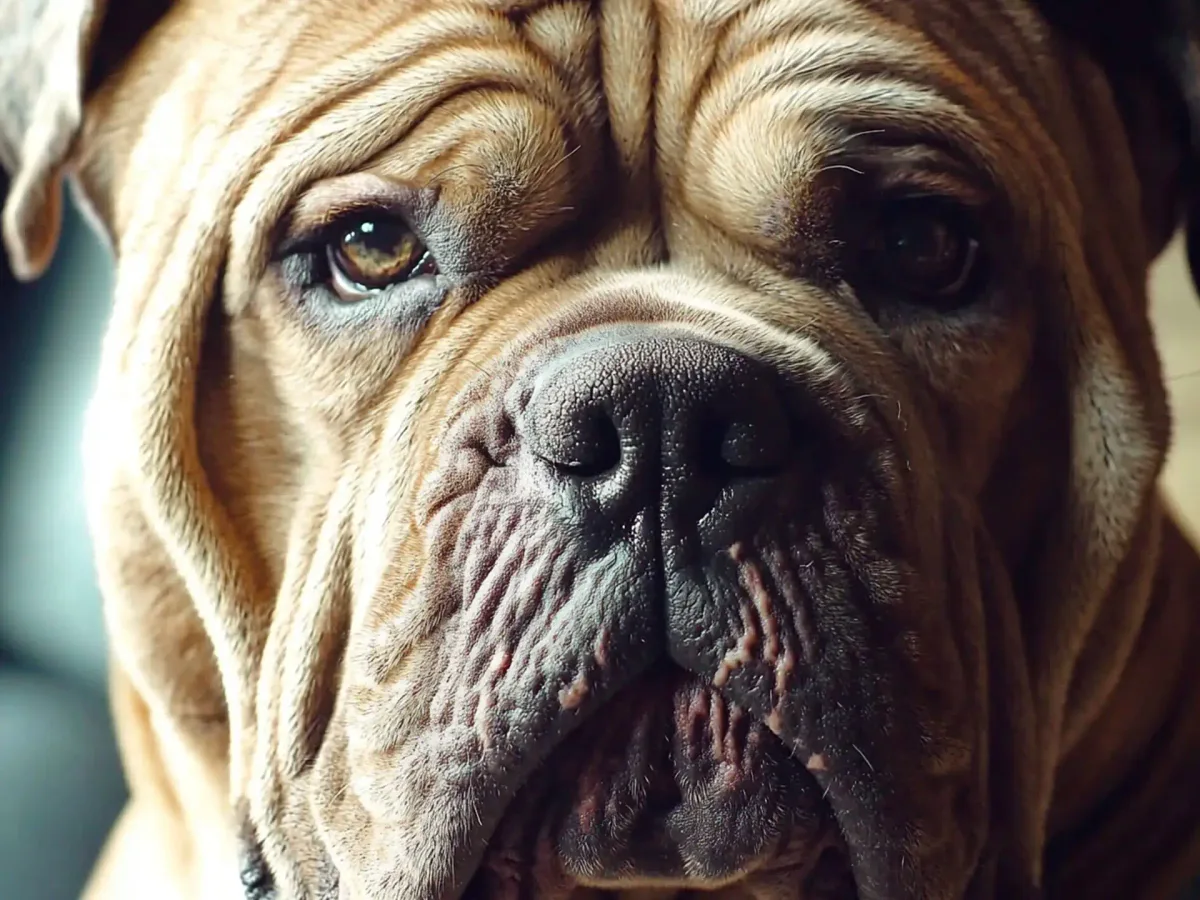
Image source: Web (Bing) / dogpackapp.com (Web image (fair-use with source credit))
The Neapolitan Mastiff is not a dog for everyone, and it's important to be honest about that upfront. This ancient breed descends from Roman war dogs, and its guarding instincts run deep. With a massive head, heavy wrinkles, and a body that can reach 150 pounds, this dog looks exactly like what it is: a protector.
Their appearance is their most striking feature. The loose skin and deep wrinkles are extreme, even among mastiff breeds. That's not just a cosmetic quirk.
It served a purpose historically, protecting the dog's vital areas during fights. Today, those wrinkles mean regular cleaning is required to prevent skin infections. You'll need to wipe between the folds daily, especially after eating or drinking.
In terms of temperament, Neapolitan Mastiffs are calm, steady, and deeply loyal to their families. They're typically quiet indoors, content to lounge for hours. But they are naturally wary of strangers, and that guarding instinct needs careful management.
Early, consistent socialization from puppyhood is absolutely essential. This is not a breed you can skip training with.
Their exercise needs are surprisingly low for such a large dog. A daily walk of about 30 minutes plus some yard time usually suffices. They're not jogging partners.
They prefer cooler weather and can struggle in heat due to their heavy build and breathing structure.
Health concerns are significant. Hip and elbow dysplasia are common. They're also prone to bloat, a life-threatening stomach condition that requires immediate veterinary attention.
Their average lifespan is short, typically 7 to 9 years. You need to be prepared for that reality going in.
The Neapolitan Mastiff is best for experienced dog owners who have the space, time, and knowledge to handle a powerful guardian breed. First-time owners should absolutely look elsewhere. If you want a Velcro dog that's devoted to you and protective of your home, this breed delivers.
Just understand the commitment.
Norwegian Elkhound: The Hardy Scandinavian Tracker

Image source: Bing (Web (fair-use with source credit))
The Norwegian Elkhound is a medium-sized Spitz-type dog that's been a loyal companion to Scandinavian hunters for thousands of years. Their original job was tracking and holding large game like moose and elk, which required courage, endurance, and a loud bark. That heritage shows up in their personality today.
These dogs typically weigh 40 to 60 pounds and stand about 19 to 21 inches tall. They have a thick, grey double coat that's remarkably weather-resistant. That coat kept them warm through brutal Nordic winters, and it means they shed heavily, especially during seasonal changes.
You'll want a good vacuum.
Temperament-wise, Norwegian Elkhounds are brave, independent, and full of energy. They're intelligent but also stubborn, so training needs to be firm and consistent. They're not naturally eager to please the way a Golden Retriever is.
They're more like thinking partners who need a reason to cooperate.
Exercise requirements are significant. This is a working breed, and they need at least an hour of activity daily. They excel at hiking, trail running, and any outdoor adventure.
Without enough exercise, they can become bored and destructive. A fenced yard is essential because their prey drive is strong, and they'll chase small animals without hesitation.
They're also famously vocal. The barking that made them effective hunting dogs doesn't switch off at home. They'll alert you to every visitor, every passing car, and every squirrel in the yard.
If you have close neighbors, this could become an issue.
Norwegian Elkhounds are generally healthy and long-lived for their size, often reaching 12 to 15 years. They can be prone to hip dysplasia and eye conditions, so health screening from the breeder is important.
This breed shines for active individuals or families who love the outdoors and want a hardy, adventurous companion. They bond closely with their people and can be wonderful with children when raised together. They're not suited to apartment living or sedentary households.
Give them a job to do, and they'll reward you with fierce loyalty.