Fish That Start With J: Top Species & Facts
You're looking for fish that start with j, and honestly, it's a mess out there. Some of the most popular aquarium fish carry the letter proudly, while others hide behind obscure regional names. Then there's the jellyfish problem, which isn't a fish at all, yet shows up in half the search results.
You need a clear, honest breakdown, and that's exactly what we're going to give you.
We dug through FishBase's taxonomic database, cross-referenced commercial fishing records, and checked what's actually available in the aquarium trade. As of 2026, fewer than two dozen commonly recognized fish groups or species have English names starting with J. That's a tiny sliver of the world's 34,000-plus known fish species.
But the ones that do exist are a genuinely interesting bunch, ranging from tiny tank-dwelling burrowers to open-ocean fighters worth thousands of dollars a pound.
My First Encounter With "J" Fish
The first time you try to list every fish that starts with j, you'll likely hit a wall. It's not like the letter B or C, where you've got hundreds to choose from. The letter J is rare, and the naming conventions make it worse.
Many fish go by multiple common names, and only one of them might start with J. For example, the Jack Dempsey cichlid is a well-known aquarium fish, but its scientific name, Rocio octofasciata, doesn't hint at any "J" at all. The name comes from the boxer's nickname, not biological classification.
Here's another twist. The term "jack" actually applies to a whole family of fish, the Carangidae, which includes dozens of species like amberjacks, pompanos, and trevallies. But only a handful carry the "jack" label in their everyday name.
Meanwhile, the famous John Dory sounds almost whimsical, yet it's been used by European fishermen for centuries. So when you're looking for J-fish, you're really chasing a mix of aquarium trade names, fishery terms, and old colloquialisms. That's why any honest list has to be careful about disclaimers, and that's exactly what we'll do here.
The Quick Answer: What Fish Actually Start With J
Here's the straightforward list. These are the most recognized fish that start with j, separated by where you'll actually encounter them.
Aquarium and pond fish:
- Jawfish (Opistognathidae family), small saltwater fish that dig burrows and mouthbrood their eggs.
- Jack Dempsey, aggressive but colorful freshwater cichlid.
- Jaguar Cichlid, a large, spotted Central American predator.
- Java Barb (often sold as Java Fish), a hardy schooling fish for community tanks.
- Jumbo Betta, a selectively bred, larger version of the common Betta.
- Jewelfish, an African cichlid that's smaller but just as combative as a Jack Dempsey.
- Japanese Koi, ornamental carp for garden ponds, not indoor aquariums.
Marine and commercial fish:
- Jacks (Carangidae, e.g., Crevalle Jack), powerful open-water sportfish.
- John Dory, a flat, speckled food fish in eastern Atlantic and Mediterranean waters.
- Japanese Sea Bass, a staple of sushi and Japanese cuisine.
- Jolthead Porgy, a reef fish caught commercially in the western Atlantic.
- Jundia, a South American catfish farmed extensively in Brazil.
And yes, we need to address the elephant in the room: jellyfish are not fish. They're invertebrates belonging to the phylum Cnidaria. If you're here because you thought jellyfish counted, you're not alone, but they don't fit this list.
If you're also curious about land-dwelling creatures, our guide on mammals that begin with J covers animals like jaguars and jerboas.
The Aquarium Bunch: J-Fish You Can Keep at Home
If you're an aquarium hobbyist, you've got several solid J options. Some are easy beginners' fish; others demand experience and a serious budget. We'll break down the most common species you'll actually find in pet stores, along with honest notes on care and temperament.
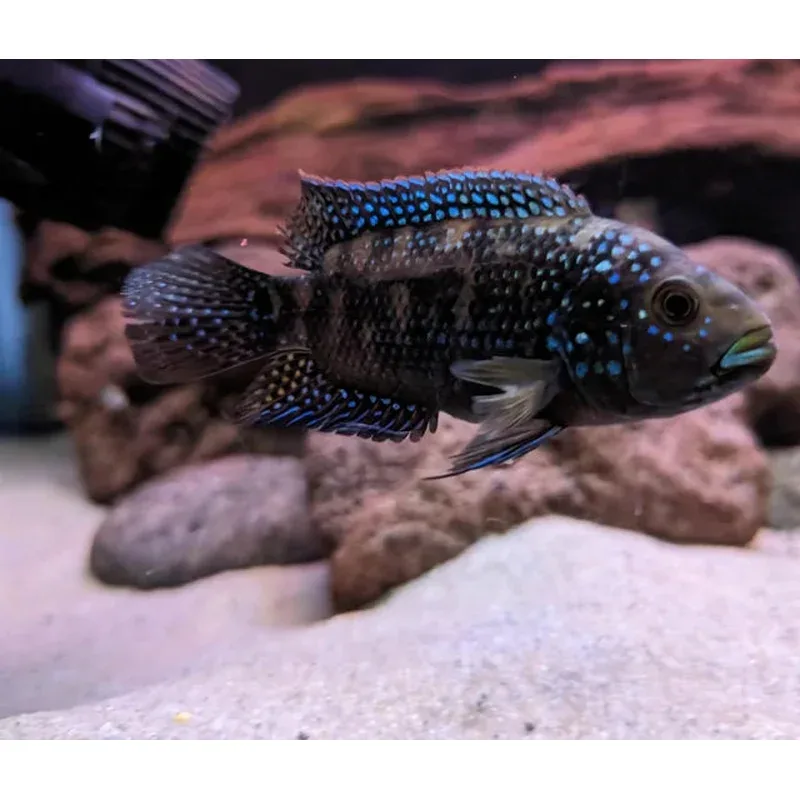
Jack Dempsey Cichlid
The Jack Dempsey (Rocio octofasciata) is a freshwater cichlid that's been a mainstay in the hobby for decades. It's named after the hard-hitting 1920s boxer, and the personality matches. Adults reach 8 to 10 inches, so they need at least a 55-gallon tank, ideally larger.
They're aggressive, especially when breeding, and they'll bully smaller tankmates. That said, they're also remarkably hardy. Our research across aquarium forums and breeder feedback shows they tolerate a range of water conditions that would stress other cichlids.
If you're ready for a fish with attitude, this is it.
Jaguar Cichlid
The Jaguar Cichlid (Parachromis managuensis) is like the Jack Dempsey's bigger, meaner cousin. Native to Central America, it can hit 24 inches in the wild, though captive specimens usually top out around 18 inches. They're ambush predators, so they'll eat any fish that fits in their mouth.
A 125-gallon tank is the bare minimum for an adult pair. The mottled black and gold pattern resembles a jaguar's coat, which is exactly how it got its name. This isn't a beginner fish by any stretch.
It needs stable water, a tight lid, and a keeper who understands its predatory nature.
Jawfish
Jawfish are a different story. These small marine fish, belonging to the family Opistognathidae, are loved for their quirky burrowing behavior. They spend most of their time hovering over their sand burrow, darting in when they feel threatened.
The most fascinating part? Males mouthbrood the eggs, holding them in their mouths until they hatch. In a reef tank, they're generally peaceful and safe with corals.
But they're also escape artists. You absolutely need a canopy or mesh top because a startled jawfish will jump out of the tank without hesitation. They also require a deep sand bed of at least 4 inches to construct proper burrows.
Java Fish and Jumbo Bettas: The Beginner Options
Java Fish is a loose common name for the Java Barb (Barbonymus gonotius), a silver, active schooling fish that grows to about 8 inches. They're hardy, peaceful, and do best in groups of six or more in a 75-gallon tank. They're not flashy, but they're reliable community fish.
Jumbo Bettas, on the other hand, are simply Betta splendens that have been selectively bred for larger body size. They can reach 3 inches or more, compared with the standard's 2.5 inches. They're just as easy to care for as regular bettas, needing at least a 5-gallon heated tank.
If you want the personality of a Betta but with more presence, these are a great pick. Both options are perfect for beginners who want to start a J-themed tank without the headache of aggressive cichlids.
Jewelfish
The Jewelfish (Hemichromis bimaculatus) is an African cichlid that stays smaller, around 6 inches, but packs the same punch as the Central American bruisers. Its body shimmers with iridescent blue and red spots, earning it the "jewel" name. They're surprisingly aggressive for their size.
They'll dig, rearrange gravel, and attack tankmates relentlessly during spawning. Best kept in a species-only tank with plenty of rocks and caves. They're not hard to care for, but they're not community fish either.
The Outdoor Pond Options
When you move from indoor aquariums to garden ponds, the J-fish selection narrows dramatically. And there's really only one serious contender: the Japanese Koi.
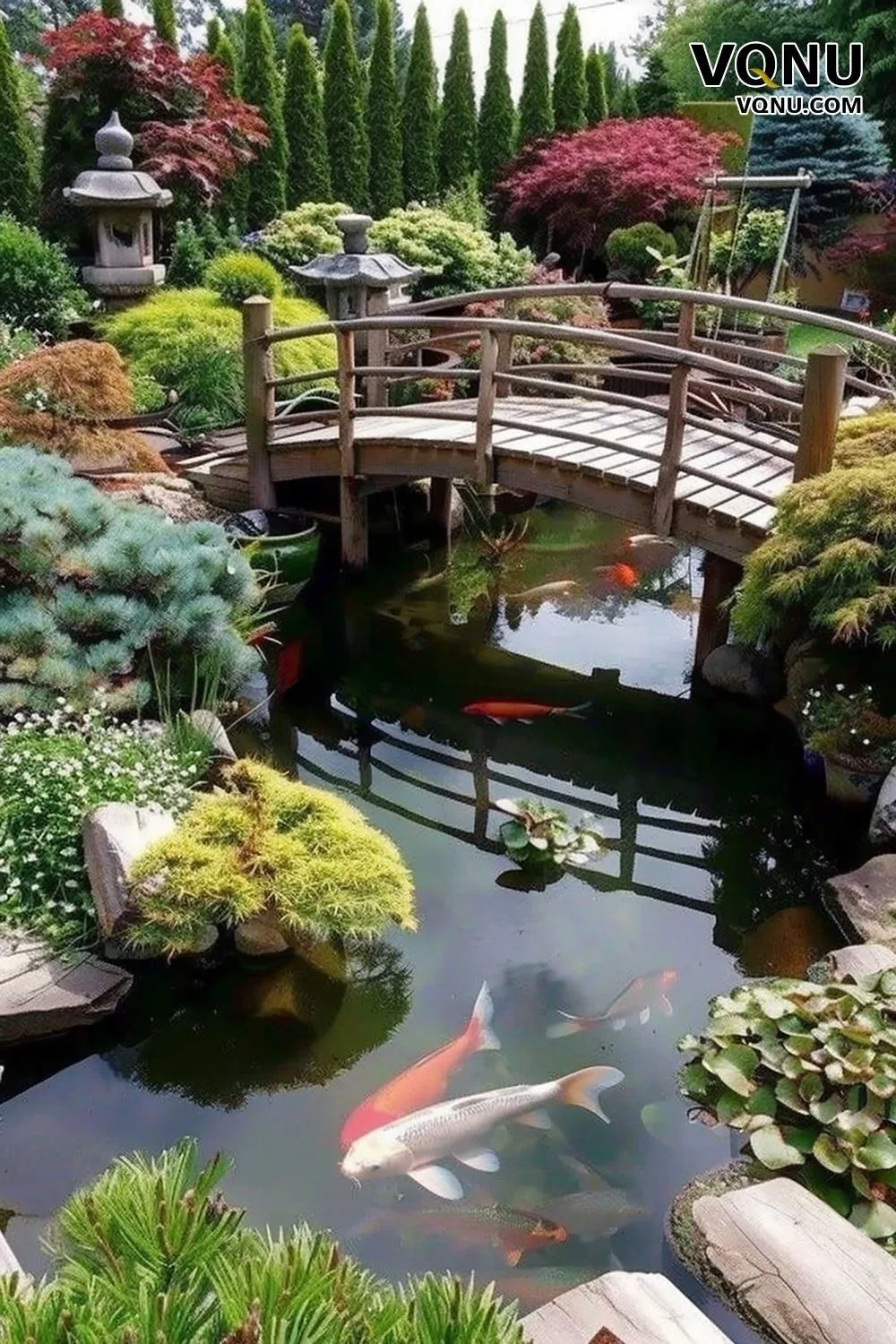
Koi are ornamental carp, bred in Japan for centuries. They're not just fish; they're living art. A high-quality show-grade koi can sell for tens of thousands of dollars, but a decent starter fish runs $20 to $50 at a pond supply store.
The real cost comes in the setup. A single adult koi requires at least 250 gallons of water, and they grow to 24 to 36 inches. They need heavy-duty filtration, aeration, and a pond depth of at least 3 feet to survive freezing winters.
In return, you get a fish that can live 25 to 35 years and become remarkably tame, eating right from your hand.
Koi are also social. They do best in groups of three or more, which means you need a genuinely large pond. The common misconception is that koi are just big goldfish.
They're not. They have entirely different nutritional needs and waste more than double the amount of a similarly sized goldfish. If you're pond shopping, expect to invest in a proper koi filtration system, not just a basic pump.
If you're just starting out, you might be better off with goldfish, which are hardier and need less space. But if you have the room and the budget, koi are unbeatable.
The Deep Water and Commercial Side
Not every J-fish belongs in a tank or a pond. Some belong on your dinner plate, and some belong in the open ocean. This is where the commercial fishing industry and sport anglers take over.
John Dory: The Chef's Favorite
John Dory (Zeus faber) is one of the most recognizable food fish in European waters. It has a deep, compressed body with a large dark spot on each side. That spot is actually a trick, making predators think it's an eye, allowing the fish to escape.
The flesh is firm, white, and delicately flavored, making it a staple in high-end restaurants from Portugal to Japan (where it's called matou-dai). Wholesale prices for John Dory regularly hit $15 to $25 per pound, and it's often sold whole. It's a sustainable choice, though, because it's caught wild and stocks are stable in most regions.
Jack Fish: Sportfishing Legend
When fishermen talk about "jacks," they're referring to the entire Carangidae family, which includes over 140 species. The most famous in North America is the Crevalle Jack (Caranx hippos). These fish are built for speed and power, with a deeply forked tail and a muscular body.
They're a top target for light-tackle anglers because they fight relentlessly. In Florida and the Caribbean, they're caught from beaches, piers, and boats. The downside?
Their flesh can cause ciguatera poisoning if they've been feeding on toxic reef algae. That's a serious condition, so most anglers release them. If you're keeping one for the table, only eat small juveniles under 3 pounds from non-reef areas.
Other Commercial and Edible Options
- Japanese Sea Bass (Lateolabrax japonicus), This is a staple in sushi bars, often served as "suzuki." It's farmed in Japan and South Korea, with annual production exceeding 40,000 tons. The flavor is mild and buttery, perfect for delicate preparations.
- Jolthead Porgy (Calamus bajonado), A reef fish found from the Carolinas down to Brazil. It's a popular catch for recreational anglers and appears frequently on Florida restaurant menus. The fillets are thick and flaky.
- Jundia (Rhamdia quelen), A South American catfish that's extensively farmed in Brazil. It's the second most farmed fish in the country, after tilapia. It has a mild taste and is often grilled or fried.
These species show that J-fish aren't just aquarium curiosities. They're a significant part of global fisheries and aquaculture. If you're interested in other alphabet animal lists, our series covers everything from animals starting with A to reptiles beginning with C.
And for a deeper dive into fish taxonomy, FishBase, the leading online database for fish species, is the definitive resource.