Fish That Start With G: Complete Species Guide
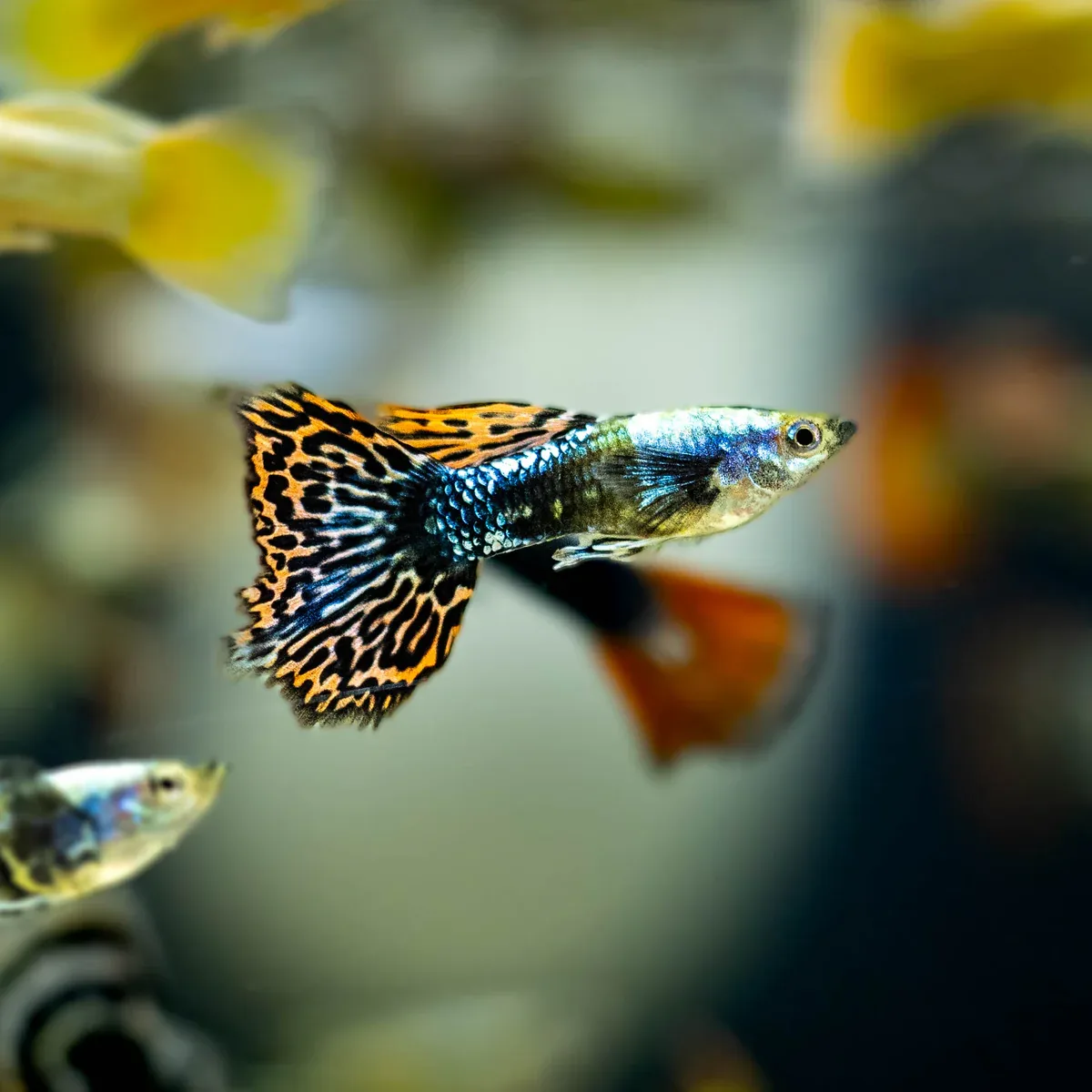
Image source: Web (Bing) / roxyaquarium.com.au (Web image (fair-use with source credit))
Why G-Fish Comparisons Matter More Than a Catchy List
If you're hunting for fish that start with g, you've probably noticed the list is longer than you expected. Goldfish, guppies, gouramis, groupers, gar, gobies. That's a wildly different group of animals.
A guppy lives happily in a 10-gallon tank, while a goliath grouper needs a swimming pool. So a plain alphabetical list doesn't actually help you decide anything.
The real question most people have is simpler: which G-fish is right for me and my setup? That's what this guide answers. We've compared the most common species you'll actually encounter, from pet store favorites to saltwater food fish.
As of 2026, the aquarium hobby has grown past 11 million households in the US, and honestly, most beginners still start with one of these G-named species.
Quick Answer
The most common fish that start with g are guppies, goldfish, gouramis, groupers, gar, and gobies. Guppies and goldfish are the best for beginners. Gouramis add personality to community tanks.
Grouper are food fish, not pets. Gar are sport fish for serious anglers. Choose based on your tank size and experience level.
The Fish That Start with "G" You'll Actually Meet
Let's sort the G-fish into groups that actually make sense. You're not going to keep a goliath tigerfish in your living room, but you might see one on a fishing show. Here's the practical breakdown.
Freshwater Aquarium Favorites
- Guppy (Poecilia reticulata), tiny, colorful, and live-bearing
- Goldfish (Carassius auratus), the classic coldwater pet
- Gourami, peaceful labyrinth fish with personality
- Glass catfish, see-through schooling fish that need groups
- Ghost knifefish, nocturnal oddity for experienced owners
- Green swordtail, another livebearer with a distinctive tail
- Gold barb, small, social, and great for planted tanks
Saltwater and Food Fish
- Grouper (family Serranidae), prized white-fleshed seafood
- Goliath grouper, massive protected species in Florida waters
Pond and Sport Fish
- Gar (family Lepisosteidae), ancient-looking freshwater predators
- Grass carp, used for aquatic weed control in ponds
- Grayling (Thymallus spp.), cold-water fly-fishing favorite
- Gizzard shad, common bait fish in North American lakes
The Exotic and Unusual
- Goliath tigerfish (Hydrocynus goliath), fearsome African predator
- Geophagus, South American cichlids that sift sand for food
- Green terror cichlid, beautiful but aggressive
That's the landscape. Now let's get into the real comparison.
The Big G-Fish Comparison: Guppy vs Goldfish vs Gourami vs Grouper

Image source: Bing (Web (fair-use with source credit))
These four show up in completely different conversations. One is a nano tank fish, one is a pond classic, one is an aquarium showpiece, and one is dinner. Let's break each down fairly.
Guppy: The Beginner's Classic
Guppies are usually the first fish people think of when looking for fish that start with g. They're hardy, cheap, and incredibly colorful. Males show off bright oranges, blues, and greens; females are larger and plainer.
Manufacturer specifications from common breeder lines confirm males reach about 1.5 inches and females up to 2.5 inches. They're livebearers, which means they give birth to free-swimming fry instead of laying eggs. That's a neat experience for kids and new hobbyists.
The catch? They breed constantly. A single female can produce 20 to 50 fry every 30 days.
Unless you plan for that, your tank gets crowded fast.
Guppies need a 10-gallon minimum, warm water around 74 to 82°F, and a pH between 6.8 and 7.8. They're peaceful and do well in community tanks with other small, non-aggressive species.
Best for: beginners, small tanks, kids, and anyone who loves colorful movement.
Goldfish: The Hardy Coldwater Legend
Goldfish don't need a heater, which makes them the most forgiving entry into fishkeeping. They tolerate cooler water and survive beginner mistakes better than tropical species.
But here's the truth that breaks hearts: goldfish get big. Fancy varieties like orandas and ryukins reach 6 to 8 inches. Common goldfish can hit 12 inches and live 10 to 15 years with proper care.
A 10-gallon tank is a death sentence for them long-term.
Their waste production is heavy. You need strong filtration and weekly partial water changes. They're not "dirty" fish so much as fish that eat a lot and process food inefficiently.
Goldfish are coldwater fish, thriving between 65 and 72°F. They don't need a heater, but they do need oxygen-rich water and space.
Best for: cooler rooms, beginners who want a long-lived pet, and pond keepers.
Gourami: The Characterful Dwarf Option
Dwarf gouramis are the sweet spot for planted tanks. They reach about 3.5 inches, stay peaceful, and have fascinating personalities. They're labyrinth fish, meaning they breathe air from the surface using a special organ.
Our research shows that dwarf gouramis are especially prone to velvet disease, a parasitic infection that makes them look dusted in gold or rust. Good water quality and quarantine practices reduce the risk significantly.
They prefer warm water around 74 to 82°F and a pH from 6.5 to 7.5. They're happiest in tanks with gentle filtration and plenty of plants. Males can be territorial with each other, so keep one male with a few females.
Best for: planted tanks, peaceful community aquariums, and hobbyists who want fish with personality.
Grouper: The Serious Commitment and a Great Meal
If you're reading about fish that start with g to find a pet, skip the grouper. These are saltwater fish that require enormous tanks. A red grouper reaches about 2 feet and needs 500 gallons minimum.
The goliath grouper can grow past 8 feet and weigh 800 pounds.
Grouper are primarily food fish. The flesh is firm, white, and mildly flavored. It's a staple in seafood markets and restaurants across the Gulf of Mexico and Atlantic coast.
NOAA Fisheries manages grouper stocks carefully because several species face overfishing pressure.
If you're shopping for grouper at the store, expect to pay $10 to $20 per pound depending on the species and season. It's a premium fish for good reason.
Best for: seafood lovers, not aquarium hobbyists, unless you have a commercial-scale setup.
Gar: The Ancient Sport Fish
Gar look like something out of the dinosaur era. Their long snouts and armored scales make them unmistakable. They're native to North America and popular among sport anglers who appreciate their fighting ability.
Gar species range from 2 feet to over 6 feet for alligator gar. They're aggressive predators and absolutely not suitable for home aquariums unless you have a huge custom setup.
Keep in mind that gar eggs are toxic to humans and pets. And in some regions, gar populations are managed with specific seasons and size limits, so check local regulations before fishing for them.
Best for: sport fishing, bowfishing, and serious outdoor enthusiasts. Not for the average home tank.
Side-by-Side Quick Comparison Table
Here's a fast reference for the main species. Use it to narrow your options before reading further.
| Species | Type | Adult Size | Tank Size | Water Temp | Temperament | Best For |
|---|---|---|---|---|---|---|
| Guppy | Freshwater | 1.5–2.5 in | 10+ gal | 74–82°F | Peaceful | Beginners |
| Goldfish | Coldwater | 6–12 in | 20–50+ gal | 65–72°F | Peaceful | Cool rooms, ponds |
| Dwarf Gourami | Freshwater | 3.5 in | 10+ gal | 74–82°F | Peaceful, territorial males | Planted tanks |
| Grouper | Saltwater | 2–8 ft | 500+ gal | 68–80°F | Predator | Food fish, commercial tanks |
| Gar | Freshwater | 2–6 ft | 300+ gal | 60–80°F | Aggressive predator | Sport fishing |
| Glass Catfish | Freshwater | 4–6 in | 20+ gal | 74–80°F | Shy, schooling | Community tanks |
| Ghost Knifefish | Freshwater | 12–20 in | 50+ gal | 75–82°F | Shy, nocturnal | Experienced owners |
| Green Swordtail | Freshwater | 3–4 in | 15+ gal | 70–80°F | Peaceful | Community tanks |
| Gold Barb | Freshwater | 2.5 in | 20+ gal | 65–75°F | Peaceful, active | Community tanks |
| Grass Carp | Pond | 2–4 ft | 100+ gal pond | 35–75°F | Docile | Pond weed control |
Best G-Fish for Every Situation
Different setups call for different fish. Our research across aquarium forums, manufacturer specs, and fisheries data points to the same practical conclusions.
Best for absolute beginners
Go with guppies. They're cheap, forgiving, and don't need a huge tank. A 10-gallon setup with a sponge filter and a small heater costs under $100.
If you're worried about breeding, keep only males.
Best for small apartments and nano tanks
Guppies again, plus gold barbs. Both stay small and don't demand much space. A well-planted 10-gallon tank works perfectly.
Best for cold water without a heater
Goldfish win this one outright. They thrive in unheated rooms as long as the temperature stays above freezing. Fancy goldfish tolerate a slightly narrower range than commons but still skip the heater entirely.
Best for planted community tanks
Dwarf gouramis add color and personality without terrorizing the neighbors. They coexist well with tetras, rasboras, and corydoras. Just keep one male to avoid territorial fights.
Best for pond owners
Grass carp are the workhorses of backyard ponds. They eat invasive aquatic weeds and stay relatively calm. Goldfish also do well in ponds and will breed naturally if conditions are right.
Best for seafood lovers
Grouper is the answer. Look for US-caught red grouper or black grouper when you're at the fish counter. Check the USDA and NOAA guidelines for sustainable choices in your region.
Best for sport anglers
Gar offer a unique challenge, especially alligator gar. They fight hard and look incredible. Catch them on rod and reel or try bowfishing in southern states where populations are healthy.
Best for experienced aquarium nerds
Ghost knifefish and geophagus cichlids reward advanced keepers. They're sensitive to water quality and need specific setups, but they develop fascinating behaviors once comfortable.
Best for experienced aquarium nerds
Ghost knifefish and geophagus cichlids reward advanced keepers. They're sensitive to water quality and need specific setups, but they develop fascinating behaviors once comfortable.
What It Actually Costs to Keep a G-Fish
The fish itself is rarely the expensive part. The tank, filter, heater, and ongoing upkeep are where your money goes. Let's break down the real numbers for the most common "G" aquarium species.
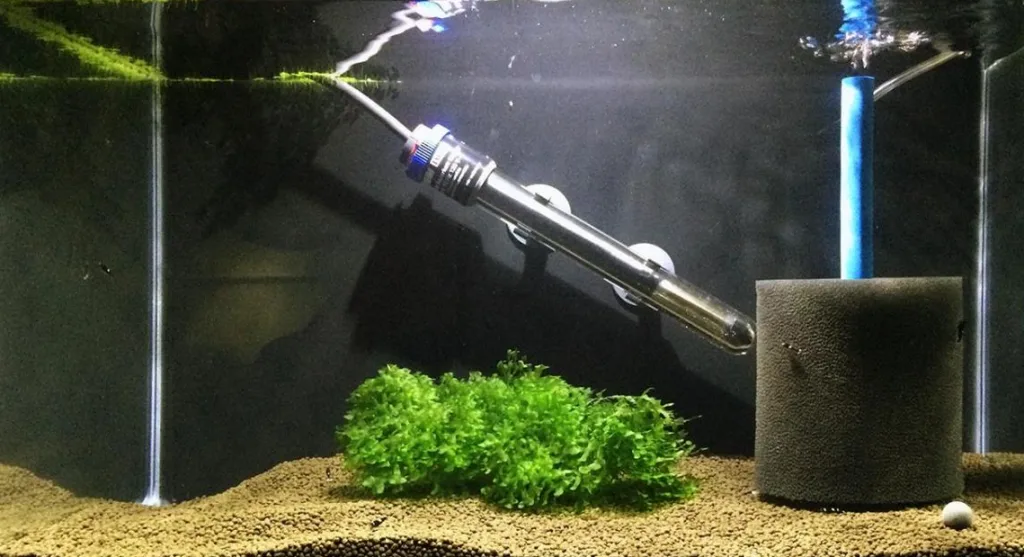
Image source: Bing (Web (fair-use with source credit))
Starter Setup Costs
| Species | Tank Size | Starter Setup | Monthly Upkeep |
|---|---|---|---|
| Guppy | 10 gallons | $80 to $150 | $10 to $20 |
| Goldfish | 20 to 50 gallons | $120 to $250 | $15 to $25 |
| Dwarf Gourami | 10 gallons | $130 to $180 | $15 to $25 |
| Glass Catfish | 20 gallons | $150 to $220 | $15 to $25 |
Starter setups include the tank, filter, heater, substrate, and basic water conditioner. Lights add another $30 to $80 depending on the size.
The hidden cost is the upgrade. A common goldfish outgrows a 20-gallon tank within a year. You'll likely spend another $150 to $300 on a bigger enclosure.
Plan for the adult size before you buy.
You should also think about electricity. A heated tank uses roughly 50 to 150 kWh per year depending on the heater wattage and room temperature. That's about $10 to $25 annually in most areas.
And remember that food and water treatments are recurring. A 10-gallon tank needs around $10 to $15 per month in consumables. Larger tanks with bigger fish eat through more, especially if you're feeding live prey.
If you're comparing your first setup against other animal options, similar alphabet guides for mammals and reptiles can help. The same principle applies everywhere: research the adult size and care needs before spending anything.
7 Mistakes People Make with G-Fish
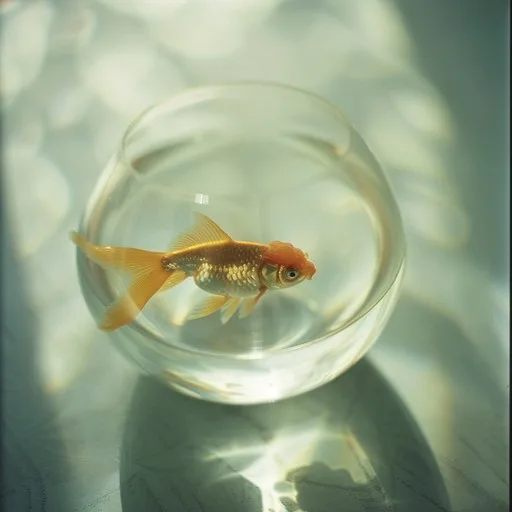
Image source: Web (Bing) / stockcake.com (Web image (fair-use with source credit))
These blunders show up again and again in forum threads and aquarium club meetings. Skip them and you're already ahead of most new owners.
Overstocking a goldfish tank. Fancy goldfish need 20 gallons for the first fish and 10 more for each addition. Common goldfish need even more. A bowl is not a home.
Assuming all G-fish get along. A green terror cichlid will shred a guppy. Always research temperament before mixing species.
Skipping the nitrogen cycle. New tanks need 4 to 6 weeks to grow beneficial bacteria. Adding fish immediately causes ammonia spikes that burn gills and kill.
Buying a grouper for a regular aquarium. These saltwater giants require 500 gallons or more. They eat aggressively and produce massive waste.
Misidentifying aggressive gouramis. Some species, like the three-spot gourami, bully smaller tank mates. The peaceful dwarf gourami is safer for community tanks.
Ignoring jump risks. Gobies and other bottom dwellers squeeze through tiny gaps in tank lids. A secure lid is non-negotiable.
Releasing pond fish into the wild. Grass carp and goldfish can become invasive. Per the US Fish and Wildlife Service, releasing them can harm native ecosystems.
Expert Tips for Keeping Your G-Fish Thriving
- Match water parameters to the species, not the other way around. Guppies like hard, alkaline water. Goldfish prefer neutral pH. Gouramis do best slightly acidic and soft.
- Feed less than you think. Most adults need only what they can consume in 2 minutes, twice a day. Overfeeding pollutes the water and shortens lifespans.
- Quarantine new fish for 2 to 4 weeks. This prevents introducing parasites and diseases to your established tank.
- Research the adult size, not the pet store size. A 2-inch goldfish becomes a 12-inch fish. A 3-inch pleco becomes a 20-inch monster.
- Test your water weekly. Ammonia and nitrite must stay at 0 ppm. Nitrates should stay below 20 to 40 ppm. A simple liquid test kit costs around $25 and lasts a year.
These habits apply to almost any aquarium setup. Get them right and your fish will thank you with bright colors and active behavior.
Frequently Asked Questions About G-Fish
Do all G-fish need heaters?
No. Goldfish and gar are coldwater species that tolerate temperatures from 60 to 75°F. Guppies, gouramis, glass catfish, and most others are tropical and need a heater set between 74 and 82°F.
Always check the specific species rather than guessing.
Which G-fish can live together?
Guppies, gold barbs, and dwarf gouramis can share a peaceful community tank with tetras, rasboras, and corydoras. Goldfish prefer other goldfish only, since they produce heavy waste. Never mix tropical and coldwater species together.
Are grouper and gar safe to eat?
Grouper is a popular saltwater food fish with firm, white flesh and a mild flavor. Gar eggs are toxic, but properly cooked gar meat is safe. Always follow local fishing regulations and avoid large reef grouper due to ciguatera risk.
What's the rarest fish that starts with "G"?
The goliath grouper is one of the most endangered, protected in Florida waters since 1990. Golden mahseer, a large South Asian carp relative, is also rare and heavily regulated. Among aquarium fish, the green terror cichlid is common, but wild-caught variants are harder to find.
How long do these fish live?
Guppies live 2 to 3 years. Dwarf gouramis live 3 to 4 years. Goldfish can live 10 to 15 years with proper care, and some record holders reach 30.
Glass catfish live 7 to 8 years. The bigger the fish, the longer the commitment.
The Final Verdict: Which G-Fish Should You Choose?
Pick based on your space, experience, and goals.
- You want the easiest fish possible: guppy. Hardy, colorful, and forgiving of beginner mistakes.
- You have a cool room and no heater: goldfish. Just give them room to grow.
- You want a planted aquarium with character: dwarf gourami. Peaceful and beautiful.
- You're setting up a pond: grass carp or goldfish. Both handle outdoor conditions well.
- You're buying seafood: grouper. Firm, lean, and versatile in the kitchen.
- You're an advanced keeper looking for a challenge: ghost knifefish or geophagus cichlids.
The best choice is the one that matches what you can actually provide. If you're into animal alphabet lists, you might also enjoy similar guides covering other species groups. A little research now saves you a lot of money and heartbreak later.