Mighty Fish That Start With M: An Angler’s Guide
Ever stood at the seafood counter or in the fish aisle, staring at a label that just says "Mackerel" and wondering what it actually tastes like? Or maybe you've been scrolling aquarium forums, seeing names like "Molly" and "Mandarin Goby," and trying to figure out which one won't die in your first tank. You're not alone.
The list of fish that start with M is surprisingly long, and it spans everything from dinner plates to showpiece aquariums.
Here's the thing: the "best" M fish depends entirely on what you're trying to do. Are you cooking dinner, stocking a tank, or planning a fishing trip? That's the question that matters.
And if you're wondering which mammals share the spotlight with these fish, check out this list of M-named mammals for a fun detour.

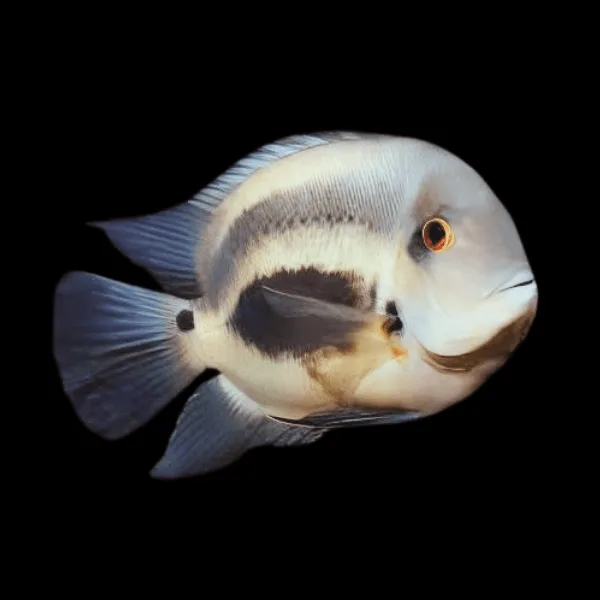
Image source: Web (Bing) / stockcake.com (Web image (fair-use with source credit))
The "M Fish" Problem: Too Many Options, Too Little Clarity
Let's face it: the letter M is crowded in the fish world. You've got Mahi-Mahi, Mackerel, Monkfish, Mullet, Milkfish, Mollies, Minnows, Mandarin Gobies, and Manta Rays (please don't try to keep those in a home aquarium). Each one behaves completely differently, tastes differently, and lives in a totally different environment.
That's where most people get stuck.
The confusion isn't your fault. It's because these fish span three completely different categories:
- Food fish (what you'd buy at a market or catch yourself)
- Aquarium fish (freshwater and saltwater pets)
- Sport fish (what you'd target on a fishing trip)
These categories rarely overlap. A Molly is never going to end up on your dinner plate (unless you're very desperate), and a Monkfish is never going to swim happily in a 20-gallon community tank. So the first step is picking your path, and that decision narrows down your options by about 80 percent.
Quick Answer: Pick Your Path
- For cooking or eating: Mahi-Mahi, Atlantic Mackerel, and Monkfish are your top picks.
- For a home aquarium: Mollies and Minnows suit beginners; Mandarin Gobies suit experienced reef keepers.
- For sport fishing: Mahi-Mahi and King Mackerel are the prized targets.

Image source: Web (Bing) / icemar.is (Web image (fair-use with source credit))
The good news? Each path has clear winners. The bad news?
Picking the wrong one leads to disappointment, wasted money, or a seriously unimpressive dinner. That's why this guide works like a decision tree: you answer a few simple questions about your situation, and the right M fish practically reveals itself.
The Dinner Plate Branch: Which M-Fish Should You Cook?
If you're reading this because you're hungry, welcome. You've made the right choice. The edible M fish lineup is genuinely impressive, but each one brings a different texture, flavor, and price point.
Let's break down the main contenders.
Best Flavor for Grilling: Mahi-Mahi
Mahi-Mahi, also called dolphinfish (no relation to the mammal dolphin), has a mild, sweet flavor with a firm texture that holds up beautifully on the grill. It's often compared to swordfish but tends to be more affordable. As of 2026, you'll typically pay between $12 and $16 per pound at a seafood market.
It doesn't have that "fishy" taste that puts picky eaters off, making it a safe bet for people who usually avoid seafood.
Best cooking methods: Grilling, pan-searing, or baking. The fillets are thick and hold together well, so they're forgiving for home cooks.

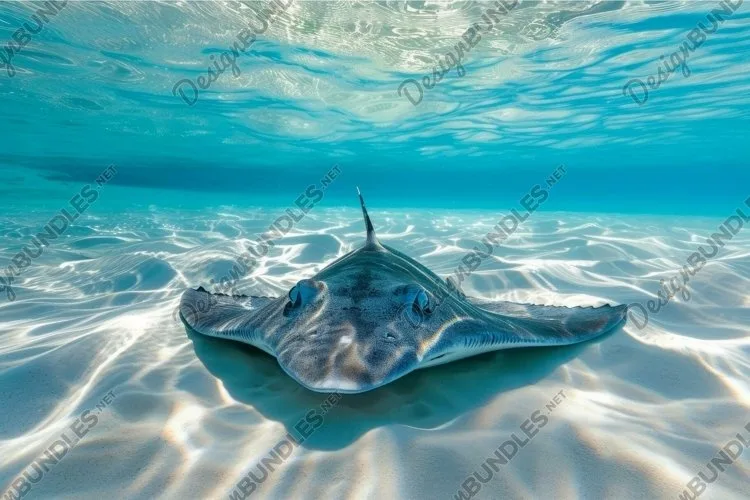
Image source: Bing (Web (fair-use with source credit))
Best Omega-3 Value: Atlantic Mackerel
Atlantic Mackerel is the budget champion. At roughly $4 to $6 per pound, it's a fraction of the cost of Mahi-Mahi while packing more omega-3 fatty acids per serving than almost any other fish you can buy. That's a serious health win for your wallet and your heart.
The trade-off is that mackerel has a bolder, oilier flavor. Some people absolutely love it; others find it intense.
Here's the catch: mackerel spoils incredibly fast. It must be bled and iced immediately after catching, and even then, it's best eaten the same day. If you're buying it fresh at the market, ask when it came in.
The FDA has noted that King Mackerel contains higher mercury levels and recommends avoiding it for pregnant women and children.
The "Poor Man's Lobster": Monkfish
Monkfish is the oddball of the group. The tail meat is dense, sweet, and remarkably similar in texture to lobster, which is why it earned that nickname. It costs more than mackerel but less than actual lobster, making it a great middle ground.
Just be aware that the skin must be removed properly before cooking, as it can be toxic. Leave that to the fishmonger unless you're confident handling a whole fish.
| Fish | Flavor | Texture | Price per Pound | Best Cooking Method |
|---|---|---|---|---|
| Mahi-Mahi | Mild, sweet | Firm, meaty | $12-$16 | Grilling, searing |
| Atlantic Mackerel | Bold, oily | Tender, flaky | $4-$6 | Grilling, broiling |
| Monkfish | Sweet, mild | Dense, lobster-like | $8-$12 | Roasting, pan-searing |
The takeaway: Want mild and crowd-pleasing? Go Mahi-Mahi. Want maximum nutritional value on a budget?
Go mackerel. Want something that mimics lobster without the price tag? Go monkfish.
The Aquarium Branch: Which M-Fish Should You Keep?
Maybe you don't care about dinner. Maybe you're looking for a new aquatic roommate. The aquarium path splits into two very different directions: freshwater and saltwater.
If you're a beginner, that choice matters more than the specific fish.
Best for Beginners: Mollies and Minnows
Mollies are the undisputed champions of beginner-friendly M fish. They're livebearers, which means they give birth to live young instead of laying eggs. That's fascinating to watch, and it also makes them incredibly hardy.
Black Mollies, Sailfin Mollies, and Dalmatian Mollies are common varieties, and they thrive in tanks as small as 20 gallons. Water temperature between 72 and 78 degrees Fahrenheit keeps them happy.
Mollies are also forgiving when it comes to water conditions. They're technically freshwater fish but tolerate brackish water well. That resilience makes them perfect for learning the ropes of aquarium maintenance without losing fish every other week.
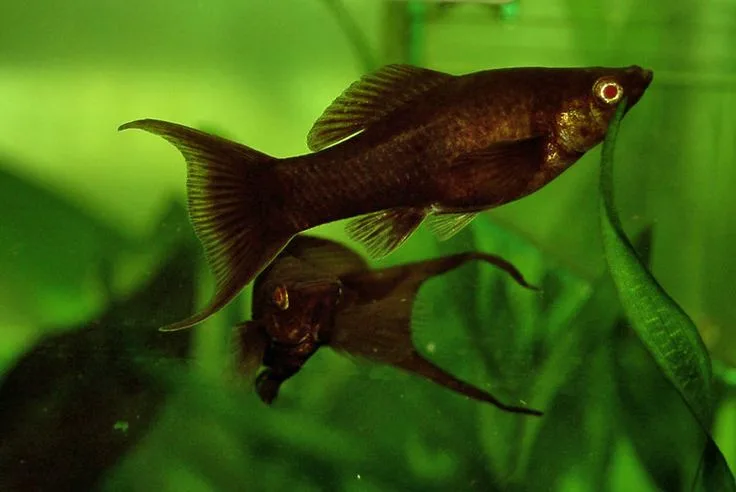
Image source: Web (Bing) / pinterest.com (Web image (fair-use with source credit))
Minnows, particularly fathead minnows, are another solid beginner choice. They're cheap, active, and don't need a heater if your room stays reasonably warm. A small school of six to eight minnows will liven up a 10-gallon tank without much fuss.
The Expert Challenge: Mandarin Goby
If you've been keeping saltwater tanks for a while, the Mandarin Goby (also called Mandarinfish) is a stunning centerpiece fish. Its psychedelic orange and blue patterns look like something from a coral reef documentary. But here's the warning: these fish are notoriously picky eaters.
They largely refuse frozen or flake food, preferring to graze on live copepods in a mature, established reef tank.
A new aquarium simply won't have enough copepods to sustain them. Aggregated reviews from experienced reef keepers consistently report that Mandarin Gobies starve within months if introduced to tanks under six months old. If you're not prepared to maintain a thriving copepod population, skip this beauty and admire it at your local aquarium store instead.
The takeaway: Freshwater beginner? Mollies are your best bet. Experienced reef keeper?
The Mandarin Goby is a rewarding challenge. Anything in between? Stick to mollies.
The Fishing Line Branch: Which M-Fish Should You Target?
For the anglers out there, the M list has some serious game. But your target depends on where you live and what kind of fishing you enjoy.
Offshore Action: Mahi-Mahi
Mahi-Mahi is a pelagic species that loves warm offshore waters, particularly around floating debris and weed lines. They're aggressive feeders, grow fast, and provide spectacular aerial fights. In the Gulf of Mexico and along the Atlantic coast of Florida, they're a prime summer target.
They're also delicious, so you get dinner out of the deal.
Inshore and Surf: Atlantic Mackerel
Mackerel schools migrate along the coasts of the northeastern US and the UK, often coming surprisingly close to shore. They're fast, hard-fighting fish that hit small shiny lures and jigs readily. A light spinning rod with a metal spoon is all you need.
Plus, mackerel are a classic baitfish for larger predators, so even if you don't want to eat them, they make excellent bait.
The Surf and Bait Classic: Mullet
Striped mullet are a staple of southeastern US surf fishing. They don't fight like mackerel, but they're incredibly important in the ecosystem, serving as baitfish for redfish and snook. Many anglers catch mullet specifically for bait rather than the table.
The takeaway: If you want a fight and a meal, go Mahi-Mahi. If you want accessibility and action, mackerel is your fish. If you're stocking a livewell for bait, mullet gets the job done.
Mistakes to Avoid: Don't Learn These the Hard Way
Every M fish path has its share of pitfalls. Knowing them upfront saves you money, frustration, and possibly a ruined dinner.
Mistake 1: Confusing King Mackerel with Atlantic Mackerel
This is a huge one. King Mackerel has significantly higher mercury levels than Atlantic Mackerel. The FDA explicitly advises pregnant women, nursing mothers, and young children to avoid King Mackerel altogether.
If you're buying mackerel at the market, always check the label. When in doubt, ask. It's the difference between a heart-healthy meal and a dose of methylmercury.
Mistake 2: Adding a Mandarin Goby to a New Saltwater Tank
We covered this earlier, but it's worth repeating. The Mandarin Goby's diet consists almost entirely of live copepods, which take months to establish in a reef tank. Adding one to a tank that's under six months old is essentially sentencing it to a slow starvation.
Your local fish store probably won't warn you. This is on you.
Mistake 3: Buying Mackerel That's Not Fresh
Fresh mackerel should have bright, clear eyes, firm flesh, and a mild ocean smell. If it smells overly fishy or "ammonia-like," it's old. Mackerel spoils faster than most fish, so don't buy it unless you plan to cook it that day.
Freezing is an option, but texture and flavor degrade noticeably.
Mistake 4: Overcrowding a Molly Tank
Mollies are livebearers, meaning they breed readily. A "few" mollies can quickly become forty. That overpopulation leads to poor water quality, stressed fish, and disease.
Keep the male-to-female ratio at one male to two or three females, and have a plan for the fry. If you're not ready for babies, consider an all-male tank.
Mistake 5: Grilling Lean Fish Like It's Salmon
Monkfish and Mahi-Mahi have different fat contents. Monkfish is lean and dense, so it benefits from marinating or basting. Mahi-Mahi can handle high heat but dries out quickly if overcooked.
A good rule of thumb: cook to 145 degrees Fahrenheit internal temperature, and pull it off the heat the moment it flakes easily with a fork.