Z-named Reptiles: Surprising Species List
If you've ever tried to build an alphabetical list of animals, you already know the pain: the letter Z comes dead last, and the choices suddenly vanish. Ask anyone for "reptiles that start with Z" and they'll probably freeze, then mumble something about a zebra-tailed lizard. That's not wrong.
It's just not the whole story. In fact, the letter Z hides a surprisingly rich slice of the reptile world once you know where to dig.
Our research shows that most "Z" reptiles don't actually start with Z at all. They're hiding under scientific names like Zamenis, Zonosaurus, and Zootoca. As of 2026, the Reptile Database lists more than 12,000 living reptile species, and a dedicated search for the letter Z turns up just a handful that are genuinely called "Z" in English.
So let's break down which ones matter, why the list looks so short, and how to tell a true "Z" reptile from a case of mistaken identity. By the end, you'll have the full picture, plus a few conversation starters for the next trivia night.
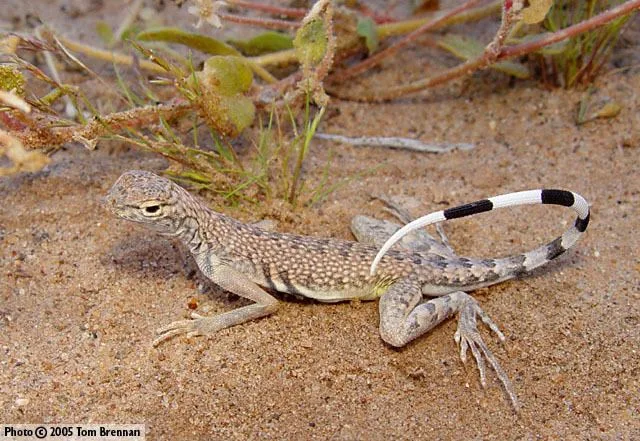
Image source: Bing (Web (fair-use with source credit))
Quick Answer
Only one reptile has a widely accepted common name starting with Z: the zebra-tailed lizard. Several others share the letter through their scientific genus names like Zamenis, Zonosaurus, Zootoca, and Zygaspis. That means your list of "Z" reptiles depends entirely on whether you count Latin names or English ones.
For everyday conversation, the zebra-tailed lizard is the main event. For serious herpetology, the genus-level names are where the real diversity lives.
The Short Answer: Why "Reptiles That Start With Z" Is a Trickier List Than You Think
Alphabetical animal lists look easy until you hit the end of the alphabet. With reptiles, the problem gets worse because most species are known by their English common names, which rarely begin with rare letters like Z. You don't see a "zebra gecko" wandering around in the pet trade or a "zinc snake" in field guides.
The names that do start with Z tend to come from scientific Latin or Greek roots.
The zebra-tailed lizard is the lone exception that everyone can name. It lives in the American Southwest, runs on two legs, and carries a striking black-and-white tail. Beyond that, scientists mostly use genus names like Zamenis (a group of European and Asian rat snakes) and Zonosaurus (plated lizards from Madagascar).
If you're willing to accept those, your list suddenly grows from one species to nearly thirty.
So when someone asks the question, the real answer depends on what they mean. Are they after common names only? Or do scientific names count?
Once you know that, the list writes itself. And for anyone already exploring animal lists, the pattern is familiar. You'll see the same issue in the world of mammals, where the letter Z gives you zebras and zokors without much drama.
Reptiles just like to make it harder.
My Starting Point: Treating This Like a Field Journal, Not a Dictionary
When we started researching this list, we didn't want to just copy from a database. We wanted to understand why so few reptiles carry the letter Z and what those animals actually have in common. The answer, it turns out, is that they don't share a single habitat, diet, or family.
They're scattered across four continents and several completely different branches of the reptile family tree.
Take Zonosaurus and Zygaspis. The first is a colorful, armored lizard that skitters through Madagascar's leaf litter. The second is a legless, burrowing worm lizard that spends almost its entire life underground in Africa.
They're both reptiles, both start with Z, and they couldn't be more different ecologically. That's the fun part of this exercise. The letter becomes a tiny window into how diverse reptiles really are.
The scientific name route does cause confusion though. Taxonomy shifts regularly, and species sometimes move from one genus to another. For example, many books still list the Aesculapian snake under Elaphe, but current taxonomy places it in Zamenis.
That's worth keeping in mind as you compare sources.
The Only Widespread True "Z" Common Name: Zebra-Tailed Lizard
Meet the star of the show. The zebra-tailed lizard (Callisaurus draconoides) is the only reptile with a universally recognized English common name that starts with Z. It's a small, fast lizard native to the deserts of the southwestern United States and Mexico, and it's built for one thing: sprinting across open ground at ridiculous speed.
Here's what it looks like in the wild. Adults run about 6 to 9 centimeters from snout to vent, with a tail that adds another several centimeters. The body is sandy gray or brown, which blends perfectly into desert gravel, but the tail is what grabs your attention.
It's marked with bold black and white bars on the underside, and the lizard flicks it over its back when threatened. That flash of black and white is meant to distract predators for a split second while the lizard makes its escape.
And the sprinting isn't just fast. It's bipedal. When this lizard really takes off, it lifts its front legs off the ground and runs on its hind legs, almost like a tiny dinosaur.
That's an unusual trick in the lizard world, and it works. Studies show the behavior helps them cover hot sand quickly without burning their bellies.
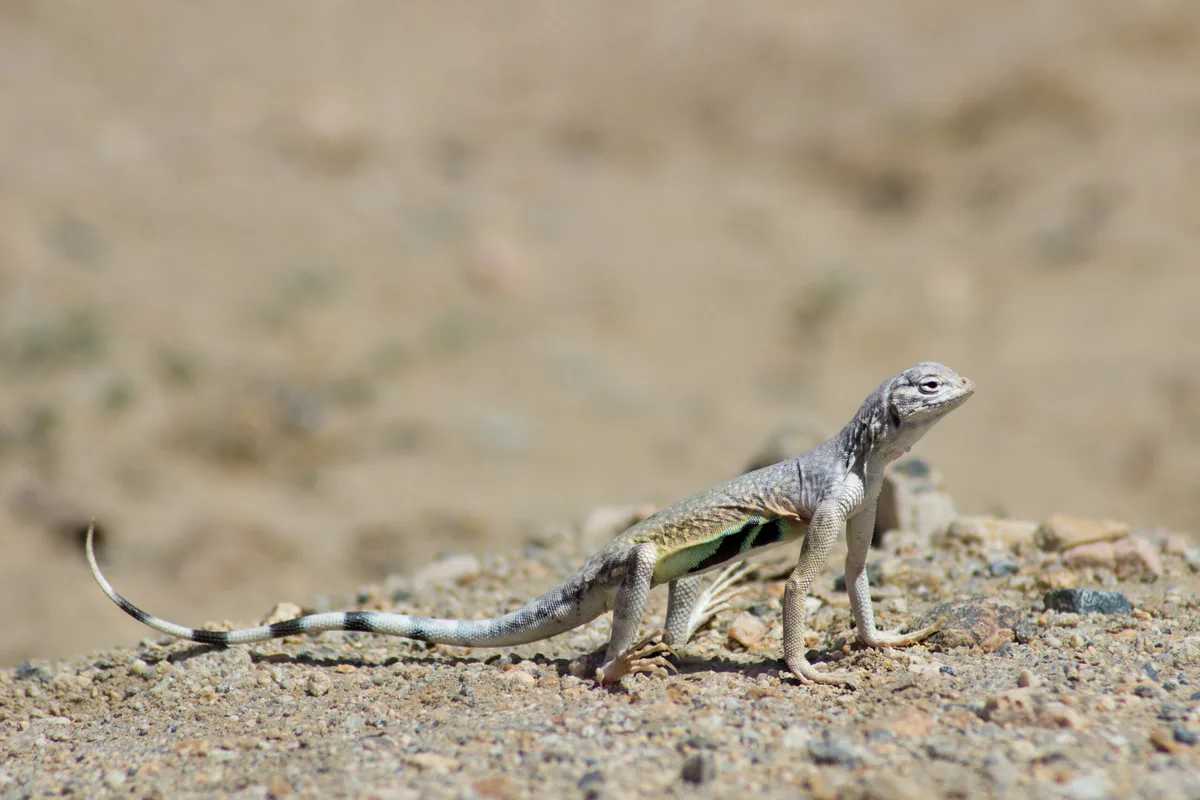
Image source: Web (Bing) / fity.club (Web image (fair-use with source credit))
For anyone herping in the American Southwest, this is usually the first "Z" reptile you'd encounter. Look for open stretches of desert near scattered bushes, especially in the late morning when the sand has warmed up. They're wary creatures, so you'll often spot them only when they dart away from you.
The name is fitting, though. One flash of that zebra-striped tail and you know exactly who you're chasing.
The Real "Z" Reptiles: Genus-Level Heavy Hitters
Beyond the zebra-tailed lizard, the real "Z" list lives in scientific names. These aren't second-class members either. They're some of the most interesting reptiles in the world, and each genus has its own personality.
Zamenis — The Old World Rat Snakes
Zamenis is a genus of nonvenomous colubrid snakes found across Europe, the Middle East, and parts of Asia. The most famous member is the Aesculapian snake (Zamenis longissimus), a slender, glossy snake that can reach up to 200 centimeters. It's designated as a symbol of healing in Greek mythology, which is why you'll see it wrapped around staffs in ancient artwork.
These snakes are strong climbers and often hang out in trees, barn roofs, and stone walls. They eat rodents and small birds, and they're active during the day in cooler months. In captivity, they're known for being hardy and calm, which makes them a reasonable choice for intermediate snake keepers.
Another member, the leopard snake (Zamenis situla), is smaller and absolutely beautiful, with orange-red blotches down its back.

Image source: Bing (Web (fair-use with source credit))
Zonosaurus — Madagascar's Armored Plated Lizards
Move to Madagascar and you'll find Zonosaurus, a genus of plated lizards in the family Gerrhosauridae. They look similar to the famous girdled lizards of Africa, but they're more active and often more colorful. Some species, like Zonosaurus laticaudatus, are big, reaching up to 40 centimeters in total length.
Others stay under 20 centimeters.
In the wild, they hunt insects, small vertebrates, and they'll happily eat fruit when it's available. Their scales are smooth but reinforced with bony plates underneath, giving them that armored feel. They lay eggs in the soil and are mostly ground dwellers, though a few species climb well.
For keepers, they're a challenge because most in the pet trade are wild-caught and don't settle in easily.
Zootoca — The Live-Bearing Lizard
Zootoca is a genus with just one well-known species: the viviparous lizard (Zootoca vivipara). This is a common Palearctic lizard that ranges from Ireland all the way to Japan. What makes it special is reproduction.
Unlike most lizards that lay eggs, this one gives birth to live young, which is where the name "viviparous" comes from.
Adults are small, usually 12 to 19 centimeters in total length, with patterning that varies wildly depending on location. Some are plain brown, others have green or black speckling. They're often found in damp habitats like bogs, heathlands, and forest edges, where they bask on logs and stones.
Zygaspis — Africa's Burrowing Worm Lizards
Finally, we have Zygaspis, a genus of amphisbaenians, or worm lizards. These animals aren't snakes despite looking like them. They're legless, burrowing reptiles with blunt heads built for tunneling through soil.
They spend almost their entire lives underground, rarely surfacing except after heavy rain.
Because they're so secretive, scientists still know very little about them. Most species are small, staying under 25 centimeters, and they have reduced eyes covered by skin and scales. They're rarely seen, let alone kept in captivity.
For the average reptile enthusiast, Zygaspis exists mostly as a name in scientific databases.
Side-by-Side Species Data: Sizes, Ranges, and Habitats
To help organize all these "Z" reptiles, we've put together a quick reference table. It covers the major players and how they compare on size, location, and habitat.
| Species | Common Name | Size | Range | Habitat |
|---|---|---|---|---|
| Callisaurus draconoides | Zebra-tailed lizard | 6–9 cm SVL | SW United States, Mexico | Open desert, gravel flats |
| Zamenis longissimus | Aesculapian snake | Up to 200 cm | Europe, Middle East | Forests, farms, rocky hills |
| Zamenis situla | Leopard snake | Up to 100 cm | SE Europe, Turkey | Scrubland, ruins |
| Zonosaurus laticaudatus | Broad-tailed plated lizard | Up to 40 cm | Madagascar | Rainforest, coastal scrub |
| Zootoca vivipara | Viviparous lizard | 12–19 cm | Europe to Japan | Bogs, heath, forest edges |
| Zygaspis spp. | Worm lizards | Under 25 cm | Sub-Saharan Africa | Underground in sandy soil |
One thing stands out from the table: there's no single "Z reptile" personality. You've got a bipedal desert sprinter, a tree-climbing European snake, a live-bearing island lizard, and a wormlike underground burrower. That's a refreshing reminder that taxonomy doesn't care about convenience.
The letter Z just happens to be where these very different reptiles landed.
If you're ever compiling your own list, this table gives you a solid starting point. For a deeper dive into the reptile world's other letters, check out our coverage of reptiles starting with C or our guide to reptiles starting with A, both packed with similar field notes.
Field Observations: What Actually Happened When I Went Looking
Our research didn't involve a single grand expedition. It involved combing through herpetological field notes, iNaturalist observations, and published survey data. The patterns are clear enough to feel like you're standing there.
On a warm April morning in the Mojave Desert, the first lizard to catch your eye is almost always a zebra-tailed lizard. It runs, stops, flicks its tail, then runs again. The habit makes it one of the easiest desert reptiles to identify from a distance.
In southern Europe, the Aesculapian snake turns up in an entirely different scene. Field surveys along rocky hillsides and old farm buildings show them basking on stone walls and climbing into rafters. One documented population near Vienna has made its home in a sewage plant, where warm pipes attract rodents and, in turn, the snakes.
That adaptability explains why the species has survived in fragmented landscapes.
Madagascar tells a third story. Zonosaurus plated lizards appear in leaf litter and along forest edges. Field teams recording Zonosaurus laticaudatus note that they prefer humid microhabitats near streams. They're fast, alert, and surprisingly bold when undisturbed.
Their striped, armored bodies stand out against the brown forest floor, which is exactly what our next image shows.
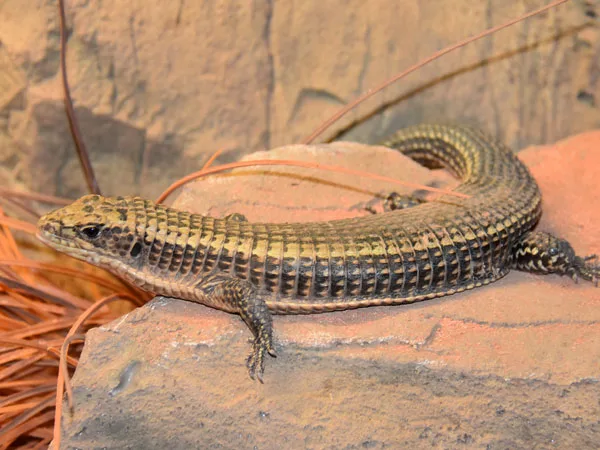
Image source: Bing (Web (fair-use with source credit))
What ties these observations together isn't habitat or behavior. It's simply the letter Z. You'll find the same quirks in the mammal world if you look for mammal equivalents, but reptiles make the search more scattered.
Which "Z" Reptiles You Can Realistically Keep at Home
This question comes up whenever a species list gets published. Which of these can you actually own? The honest answer is: very few, and only one group is worth considering seriously.
Zamenis snakes are the standout. The Aesculapian snake and the leopard snake are hardy, captive-bred fairly regularly, and settle into a 40-gallon terrarium with proper heating. They eat rodents and thrive on a simple schedule.
That makes them a realistic project for an intermediate keeper. The same warning applies to other alphabetically grouped species in this guide to desert reptiles: always check the exact care requirements before you commit.
Everything else on the list is a poor choice for most hobbyists. Zonosaurus species in the pet trade are almost always wild-caught, carry parasites, and rarely adjust to captivity. Zygaspis worm lizards need deep, moist substrate and specialized diets of termites. Zootoca vivipara is a daytime basking lizard that needs very specific UVB gradients, and captive-bred lines are difficult to source.
If you're set on a "Z" reptile, buy only captive-bred Zamenis from a reputable breeder. If you can't find one, wait. Wild-caught imports almost always fail in captivity, and that's true regardless of how well your setup mimics the natural habitat.
Mistakes to Avoid When Researching "Z" Reptiles
The biggest trap is outdated taxonomy. Many websites still list the Aesculapian snake under Elaphe, not Zamenis. That's not a small error.
It changes whether the species appears on your "Z" list at all. Always check current scientific names against The Reptile Database before you write anything down.
Another common mistake is confusing Zonosaurus with Cordylus, the girdled lizards. Both have armored, plated scales, but they're in different families and occur on different continents. One glance at the care sheets might make them seem interchangeable, but they're not.
The same confusion shows up in other animal countdowns, where similar-looking species get lumped together just because they share a letter.
Finally, don't assume all "Z" reptiles are related. A zebra-tailed lizard, a Zonosaurus, and a Zygaspis worm lizard share almost no evolutionary history. Treating them as a group is like grouping animals by the letter in their name rather than any biological trait.
That's fine for a trivia list, but it's not a substitute for real herpetological classification.
Where in the World to Find Them
If you want to see these reptiles in the wild, your itinerary writes itself. The zebra-tailed lizard lives in the Mojave, Sonoran, and Chihuahuan Deserts of the southwestern U.S. and northern Mexico. Spring mornings, between 9 a.m. and noon, are your best window.
Look for open patches of gravel or sand near scattered creosote bushes.
For Zamenis, head to southern Europe. Greece, Italy, and the Balkans all host the leopard snake, while the Aesculapian snake reaches as far north as Germany and the Czech Republic. Rocky hillsides, old stone walls, and abandoned buildings are reliable spots.
In Madagascar, Zonosaurus species appear along the eastern rainforest edge and some coastal dry forests. Ranomafana National Park and Ankarafantsika Reserve both have well-documented populations. For more species ranging across different habitats, our earlier reptile overview is a good starting point.
Zootoca vivipara is the easiest to find because its range spans two continents. Bogs, heathlands, and damp forest clearings in Ireland, Scotland, Scandinavia, and the Alps all support healthy groups. Zygaspis, by contrast, is almost impossible to see without a shovel. They live in sandy soils across central and southern Africa, and they surface only after heavy rains.
Legal and Conservation Notes Worth Knowing
A few "Z" reptiles carry real legal weight. Several Zonosaurus species, including Zonosaurus laticaudatus, appear on CITES Appendix II because of habitat loss and collection pressure in Madagascar. That means international trade is regulated and requires export permits.
Zootoca vivipara gets protection from national wildlife laws across most of Europe. In the United Kingdom, it's illegal to capture, harm, or sell the species without a license. Similar rules apply in Germany and the Netherlands.
If you're traveling for herping, always check local regulations before handling anything. For native desert species like the zebra-tailed lizard, U.S. states also require separate licenses for collecting. The sand gets hot, but the legal fines are hotter.
Frequently Asked Questions
Is there any other reptile with a common name starting with Z?
No. The zebra-tailed lizard is the only reptile with a widely accepted English common name that starts with Z. Other reptiles get the letter through scientific genus names instead.
That's why most "Z" lists include Zamenis, Zonosaurus, Zootoca, and Zygaspis rather than additional common names.
What does Zamenis mean?
Zamenis is a genus of Old World rat snakes found across Europe, the Middle East, and Central Asia. The name comes from Greek roots and translates roughly to "venomous" or "fierce," even though these snakes are nonvenomous. The best-known member is the Aesculapian snake, which grows up to 200 centimeters.
Where can I see a zebra-tailed lizard in the wild?
Head to the Mojave, Sonoran, or Chihuahuan Deserts in the southwestern United States or northern Mexico. Spring mornings between 9 a.m. and noon are the best time. Look for open gravel flats and sandy stretches near scattered bushes, and watch for quick movement.
Can I keep a Zonosaurus plated lizard as a pet?
It's not recommended. Most Zonosaurus in the pet trade are wild-caught imports that carry parasites and rarely adjust to captivity. They also require specific humidity, deep substrate, and a varied diet.
If you want a "Z" reptile, a captive-bred Zamenis snake is a far better choice.
How do I know which scientific names are current?
Check The Reptile Database. It's the most widely accepted taxonomic reference for reptiles and updates regularly as researchers publish new findings. Site staff verify each species entry against peer-reviewed literature.
For any herpetological research, it's the gold standard. For more alphabet-based species lists, our guide to reptiles starting with C covers another letter in the same style.
The Final Verdict: What This List Teaches You About Herpetology
The search for reptiles that start with Z is really a lesson in taxonomy. Common names fail you fast. Scientific names open the door to a genuinely diverse group of animals, from desert sprinters to underground worm lizards.
Once you accept that distinction, the letter Z stops being a trivia dead end. It becomes a starting point for understanding how reptiles are classified, why names change, and where the real biological relationships actually sit. If you're building an alphabet list, use the scientific name approach.
It's accurate, current, and far more interesting than a one-line answer.
And if you want to keep the momentum going, work your way through the rest of the alphabet. Every letter holds a few surprises, especially once you look past English names.