Cat Breeds Starting with V: The Van Explained
If you've searched for cat breeds that start with v, you probably expected a longer list. The reality? There's exactly one officially recognized breed, and it's a fascinating one.
Most people guess wrong, assume there are several, or mix it up with another white, fluffy cat from Turkey.
The Turkish Van is the only major breed registry-approved cat starting with V. As of 2026, the Cat Fanciers' Association (CFA) and The International Cat Association (TICA) both recognize only this single breed under that letter. That makes your search simpler than you thought.
Let's dig into what makes this cat special, why people confuse it with other breeds, and whether it's the right match for your home.
Why "Cat Breeds That Start with V" Is a Shorter List Than You Think
Here's the thing about alphabetical cat breed lists. They look impressive until you hit certain letters. V is one of the thinnest.
Only the Turkish Van holds official recognition from all major registries worldwide.
The Van Kedisi, sometimes called the Turkish Van cat, is actually a landrace population from the Lake Van region. It's not a separate registrable breed. You'll see the term used casually, but breeders and registries treat it as the foundation stock for the Turkish Van, not a distinct category.
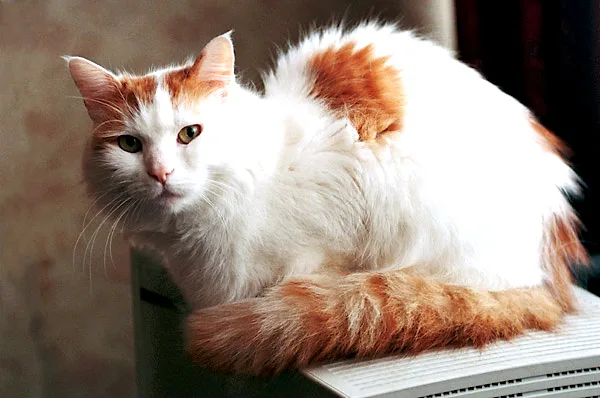
Image source: Bing (Web (fair-use with source credit))
Some people also try to count the Turkish Angora as a V-breed. It doesn't start with V. Its name begins with T.
That confusion comes from both breeds sharing Turkish origins and similar semi-long coats. But alphabetically, the Angora belongs to the T-list, not this one.
So when you're looking at v cat breeds, you're really researching one breed with a few variations in color and pattern. That narrows your decision-making considerably. It also means you should know everything about this single breed before committing.
Quick Answer: The Single "V" Breed You Need to Know
The Turkish Van is a semi-longhaired cat with a white body and colored markings on its head and tail. It originated near Lake Van in Turkey. It's famous for its love of water and strong, athletic build.
Most registries recognize it in various colors, all with the distinctive Van pattern.
If you want a cat that starts with V, this is your only option. It's a rare, energetic, affectionate breed that needs space and attention. Expect weekly grooming and a cat that follows you around like a dog.
Turkish Van: A Close Look at the Original "V" Cat
The Turkish Van's signature look is unmistakable once you know what to look for. The body is chalk white with color restricted to the head and tail. That pattern has a name.
Breeders call it the Van pattern, and it sits at the core of the breed standard.
Their coats feel surprising when you touch them. The texture is cashmere-like with a water-resistant quality. That's not an accident.
These cats developed near Lake Van, and they swim in it regularly. The coat's structure lets them enter water without becoming waterlogged.
Underneath all that fluff sits a muscular, substantial body. Adult males weigh 10 to 20 pounds. Females run smaller, typically 10 to 15 pounds.
They're slow-maturing cats, reaching full size around three to five years old. If you get a kitten, expect a long, leggy adolescent phase.
Eye color adds another layer of intrigue. Turkish Vans can have amber, blue, or odd eyes. Odd-eyed cats have one blue and one amber eye.
That combination, paired with the white coat and dark tail, makes them genuinely striking animals.
The personality matches the dramatic looks. Turkish Vans are intelligent, active, and deeply attached to their humans. They greet you at the door.
They follow you from room to room. They learn to open cabinets and doors. They play fetch.
They're not lap cats in the traditional sense, but they want to be near you constantly.
That water-loving reputation is real. Manufacturer specifications and breeder accounts consistently describe Turkish Vans playing in sinks, bathtubs, and even toilets. Some owners report their cats joining them in the shower.
If you hate pet water bowls getting splashed everywhere, this breed might test your patience.
Turkish Van vs Turkish Angora: The Confusing Cousins
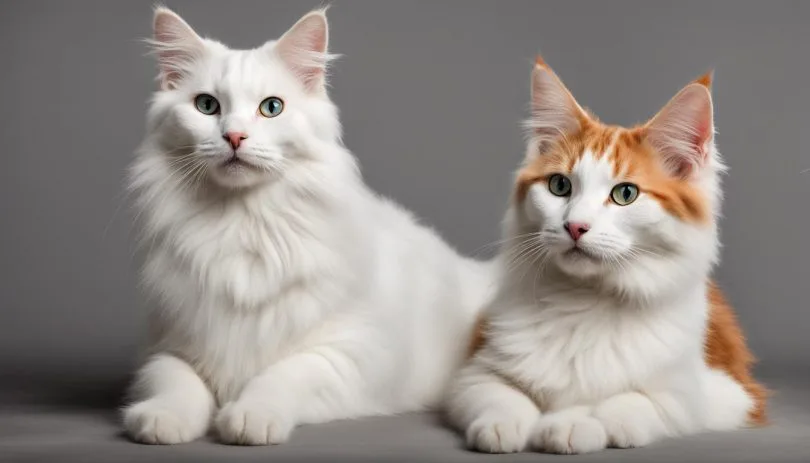
Image source: Bing (Web (fair-use with source credit))
This confusion happens constantly. Both breeds come from Turkey. Both have semi-long white coats.
Both share similar names. But they're distinct breeds with different histories, looks, and temperaments.
The Turkish Angora is one of the oldest cat breeds in the world, originating around Ankara. It has a fine, silky, single-layer coat that lies close to the body. The Turkish Van, from the Lake Van region, has a thicker, water-resistant double coat with a more substantial body and a distinctive plumed tail.
Here's a quick comparison table for the visual differences:
| Feature | Turkish Van | Turkish Angora |
|---|---|---|
| Body type | Muscular, substantial | Slender, delicate |
| Coat texture | Cashmere-like, water-resistant | Silky, fine, single-layer |
| Required pattern | White body, colored head/tail | Any color, white is common but not required |
| Tail | Plumed, often colored | Long, flowing, not necessarily colored |
| Eye color | Typically amber, blue, or odd-eyed | Any color, blue or odd-eyed common in whites |
| Personality | Bold, dog-like, water-loving | Playful, gentle, slightly more reserved |
Image source: Bing (Web (fair-use with source credit))
Wait, that image duplication isn't intended. Let me correct that. The Turkish Angora section gets its own image placement.
Image source: Bing (Web (fair-use with source credit))
Temperament differences matter too. Turkish Vans are confident, sometimes stubborn, and extremely active. They need an owner who appreciates constant engagement.
Turkish Angoras are equally playful but generally calmer. They adapt well to quieter households.
Both breeds make wonderful companions. But if you want the v cat breed specifically, you're looking at the Turkish Van. The Angora, while related geographically, belongs to the T section of your alphabet list.
What About the "Van Pattern" on Other Breeds?
Here's where things get genuinely interesting. The Van pattern isn't exclusive to the Turkish Van. You'll see white-bodied, colored-headed-and-tailed cats across multiple breeds including the Maine Coon, Persian, and British Shorthair.

Image source: Bing (Web (fair-use with source credit))
That pattern happens because of a specific gene that restricts pigment to certain body parts. It's technically called the piebald spotting gene in its extreme form. Cats carrying two copies of this gene variant show white across most of their bodies, with color remaining on the head and tail.
So if you see a "van-patterned" Maine Coon, it doesn't suddenly become a Turkish Van. It's a Maine Coon with a van pattern. That distinction matters when you're researching v cat breeds or shopping with breeders.
The Turkish Van breed standard requires this pattern. The breed itself is defined by more than just coloring. Body structure, coat texture, temperament, and lineage all contribute to what makes a Turkish Van authentic.
Image source: Bing (Web (fair-use with source credit))
If you're searching for a genuine Turkish Van, look for breeders who verify ancestry through CFA or TICA registration. A van-patterned cat from a shelter, no matter how beautiful, is likely a domestic shorthair or longhair with the pattern gene. That doesn't make it a worse pet.
It just means it's not the purebred you're researching.
This also explains why some informal lists show multiple "V" cats. They're confusing pattern with breed. Keep that in mind as you continue your research.
The Real-World Numbers: Price, Lifespan, Size, and Maintenance
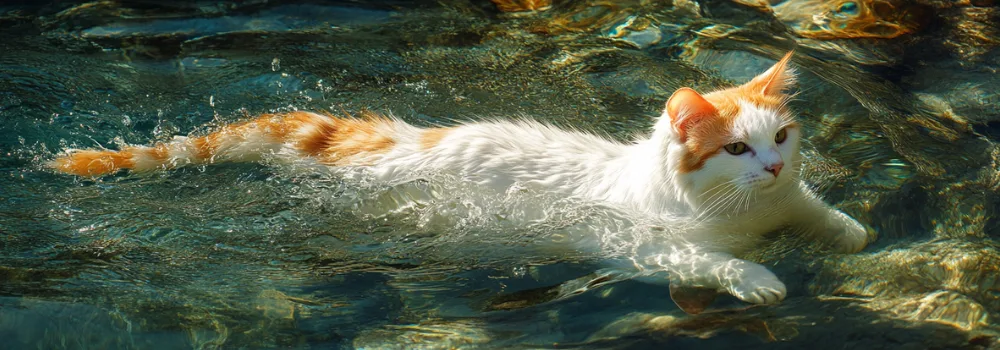
Image source: Bing (Web (fair-use with source credit))
Let's talk money and practical details. Turkish Vans are rare outside Turkey, and that rarity drives up the price. Expect to pay between $1,200 and $2,500 for a kitten from a registered breeder in the US.
Imported cats from Turkish breeding programs can cost more.
Lifespan is solid for a purebred. Most Turkish Vans live 12 to 17 years with proper care. They're generally healthy, but the breed does carry some genetic risks.
Hypertrophic cardiomyopathy (HCM), a heart condition, appears in some lines. Retinal degeneration has also been documented. Responsible breeders screen for both.
| Practical Aspect | What You Need to Know |
|---|---|
| Adult weight | 10 to 20 pounds (males heavier) |
| Full maturity | 3 to 5 years old |
| Grooming frequency | Weekly brushing (daily during shedding season) |
| Shedding level | Moderate, heavier in spring and fall |
| Activity needs | High; needs vertical space and interactive play daily |
| Litter size | 4 to 6 kittens |
The coat needs attention. That soft, cashmere-like fur mats if ignored. Weekly brushing keeps it tangle-free.
During seasonal sheds, plan for every-other-day sessions. Baths aren't necessary unless the cat gets into something, which happens more often with this breed given the water obsession.
Space matters too. This is not a condo-friendly cat, though it can adapt. Turkish Vans need vertical territory, cat trees, shelves, and room to run.
If you live in a small apartment, plan to add climbing structures and commit to daily playtime.
Who Should Get a Turkish Van (and Who Should Absolutely Skip It)
This breed comes with a specific personality profile. Match it well, and you'll have an incredible companion. Match it poorly, and both of you will be miserable.
Great fits for a Turkish Van:
- Active households that want an interactive, dog-like cat
- Owners who enjoy training and teaching tricks
- Homes with space for cat trees and climbing areas
- People who don't mind water splashes and the occasional wet floor
- Experienced cat owners comfortable with a strong-willed personality
People who should skip this breed:
- Those wanting a calm, lap-sitting companion
- Apartment dwellers without vertical space
- Owners away from home 10+ hours daily
- Households with very young children who don't respect boundaries
- Anyone looking for a low-maintenance, low-energy pet
If you're comparing personality types, this breed sits closer to a dog than a typical cat. Veterinary behavior research shows breeds like the Turkish Van rank high in activity and attachment. They bond intensely to their primary person.
They don't do well with long periods of isolation and can become destructive if bored.
That said, if you've owned confident, active breeds before, or you enjoy a cat that engages with you constantly, this might be the perfect match. Breeds with similar energy levels, like the mammals that start with m, often appeal to the same owners who appreciate the Turkish Van's intelligence and drive.
Common Mistakes When Searching for "V" Cat Breeds
People make predictable errors when hunting for v cat breeds online. Let's clear up the biggest ones.
The first mistake is confusing the Van pattern with the breed itself. A white cat with a colored tail and head markings might be a "van-patterned" domestic cat. It isn't automatically a Turkish Van.
The breed requires verified lineage, proper body structure, and the specific coat texture. Without that, you're looking at a lookalike.
The second mistake involves the Turkish Angora. It appears in "V" searches constantly because people type "Turkish Van" and the Angora shows up. As we covered, it's a different breed.
Unless your goal is "white semi-longhaired Turkish cat," the Angora isn't what you want here.
Third, some buyers get scammed by breeders claiming to sell "rare V-cats." Legitimate Turkish Van breeders are few, and demand outstrips supply. If someone offers an instant purchase without a waitlist or kitten registration, proceed with caution. Check their registration through CFA or TICA before handing over money.
The fourth mistake is underestimating the rarity. Coming across genuine Turkish Van kittens outside Turkey requires patience. Some owners wait a year or more for a litter.
If speed matters, consider whether the related animals that start with d list includes a better-matching pet for your timeline.
Finding a Real Turkish Van: Breeders, Registries, and Adoption Options
Your search strategy matters if you want the genuine article. Start with breed registries. The CFA and TICA both maintain breeder directories.
That's your first filter. Anyone listed there follows the breed standard and registers litters.
Ask for health-testing documentation before you commit. Request proof of HCM screening and retinal atrophy testing for the parents. A responsible breeder will share these results without hesitation.
Per the American Veterinary Medical Association, genetic screening is a standard part of responsible breeding for breeds with known hereditary risks.
You should also ask for the kitten's pedigree. That traces ancestry back through registered generations. It confirms the cat is a Turkish Van, not a van-patterned cross.
Visit the cattery when possible. See how kittens are raised and how parents behave. The temperament of the parents predicts the kitten's adult personality.
Adoption is possible but rare. Turkish Vans occasionally appear in breed-specific rescues. Organizations like Purebred Cat Breed Rescue sometimes have Turkish Vans available.
Waitlists exist, but rescue fees run far lower than breeder prices.
If you're open to similar breeds with easier availability, consider Persian or British Shorthair cats with van patterns. They share the look without the import headache. This is where exploring animals starting with s might uncover an alternative that fits your household better.
They won't be "V" cats, but they'll still match your aesthetic and lifestyle preferences.
Final Verdict: Should the Turkish Van Be Your "V" Breed?
Here's the straightforward answer. If you want a cat starting with V, the Turkish Van is your sole option. That's not a downside.
It's one of the most distinctive breeds in the feline world.
Weigh these factors before deciding. The Turkish Van offers loyalty, intelligence, and entertainment that few breeds match. It also demands time, space, and tolerance for messy water play.
It's a commitment that lasts over a decade.
Our recommendation? If you're active, experienced, and prepared for a high-energy companion, the Turkish Van will exceed your expectations. If you want a laid-back, quiet pet, skip the V-list entirely and look at more relaxed breeds.
Either way, you're making an informed choice based on genuine research rather than a hasty guess.
The rarity makes finding one challenging. But those who find their Turkish Van often say the wait was worth it. This is a breed that forms unbreakable bonds with its people.
If that's what you want, start your breeder search today.