Amazing Animals That Start with D: Facts & Photos
Alright, let's get into it. You're here because you need a solid rundown of animals that start with d. Maybe it's for a school project, a trivia night, or you're just curious what's out there beyond the obvious dog and deer.
Either way, you've come to the right place.
The animal kingdom is packed with "D" names. Some you'll recognize instantly, like dolphins and ducks. Others, like the dik-dik or the dhole, might be completely new to you.
As of 2026, researchers have identified roughly 1.5 million animal species on Earth, and a solid chunk of them have names beginning with D. We've dug through the scientific databases, cross-referenced conservation records, and pulled together the most interesting creatures on the list. Let's explore them together.
Quick Answer
Plenty of animals start with D. Popular ones include deer, dog, dolphin, duck, and dove. Lesser-known species include the dingo, dhole, dik-dik, and dugong.
Reptiles like the desert tortoise and dwarf crocodile also qualify. Birds like the downy woodpecker and dodo make the list too.
The Quick List: Every "D" Animal You Need to Know
Before we dive into the details, here's your cheat sheet. This is every "D" animal you're likely to encounter in an alphabet challenge, grouped by category so you can scan fast and find what you need.
| Category | Animals |
|---|---|
| Mammals | Deer, Dog, Dolphin, Donkey, Dingo, Dhole, Dormouse, Dugong, Dik-dik, Dall Sheep, Duck-billed Platypus |
| Birds | Duck, Dove, Dodo (extinct), Downy Woodpecker, Double-crested Cormorant, Darwin's Rhea |
| Reptiles & Amphibians | Desert Tortoise, Dwarf Crocodile, Desert Iguana, Darwin's Frog |
| Fish & Marine | Damselfish, Discus Fish, Dogfish Shark, Deep-sea Dragonfish |
| Insects & Invertebrates | Dragonfly, Deathstalker Scorpion, Desert Locust, Dung Beetle |
| Dinosaurs | Diplodocus, Dilophosaurus, Deinonychus |
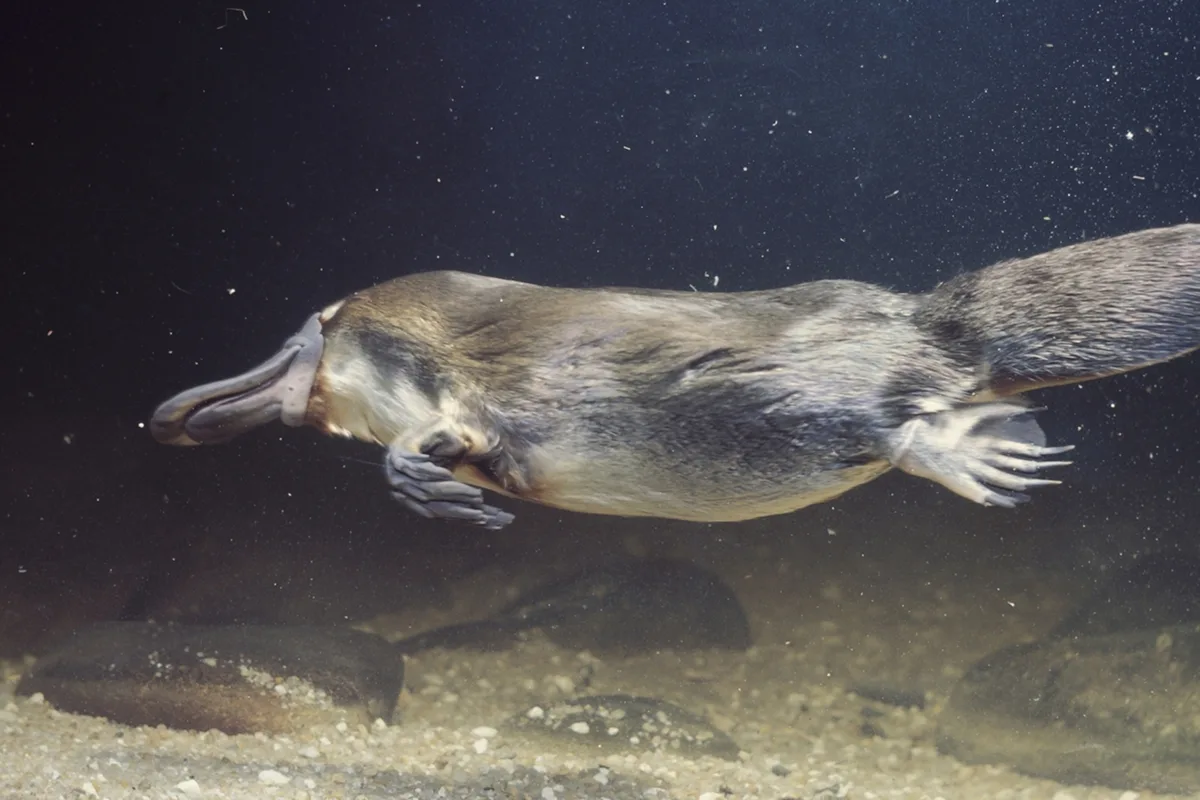
Image source: Web (Bing) / fity.club (Web image (fair-use with source credit))
Mammals That Start with D: From Deer to Dholes
Let's start with the big one. When most people think about animals that start with d, they picture mammals. That makes sense.
Some of the most familiar creatures on the planet fall into this group. But the range here is genuinely wild. You've got the everyday whitetail deer in North America, the Australian dingo, and the critically endangered dhole that roams parts of Asia.
That's a huge spread.
The Familiar Faces
Deer are probably the first mammal that comes to mind. They're everywhere. From the white-tailed deer in your backyard to the massive moose in Canada, the deer family covers a lot of ground.
These herbivores live on every continent except Antarctica. They're adaptable, resilient, and frankly, a little too common in some suburban areas. Interesting note: male deer grow and shed antlers every single year.
That's a lot of regrowth.
Dogs are the obvious one. Technically they're a subspecies of the grey wolf, but after thousands of years of domestication, they've become their own thing. There are over 340 recognized dog breeds worldwide.
That's a staggering amount of variety from a single species. If you're building an alphabet book for kids, dogs are usually the crowd-pleaser.
Dolphins are another household name. These marine mammals are known for their intelligence and playful behavior. Bottlenose dolphins, the most famous type, have brains larger than humans'.
They communicate using clicks, whistles, and body language. They're also one of the few animals that pass the mirror self-recognition test. That means they know they're looking at themselves.
Impressive stuff.
The Underdogs You Should Know
Now for the ones that don't get as much airtime. The dhole is a wild dog native to Central and Southeast Asia. It looks a bit like a fox mixed with a domestic dog, but it's a distinct species.
Dholes are pack hunters. They work together to take down prey much larger than themselves. Unfortunately, they're endangered.
Fewer than 2,500 mature individuals remain in the wild, according to the IUCN Red List.
The dik-dik is a tiny antelope from eastern and southern Africa. These little guys stand only about 12 to 16 inches tall at the shoulder. They weigh between 10 and 12 pounds.
That's smaller than most house cats. They get their name from the alarm call they make, which sounds like "dik-dik." It's a pretty on-the-nose naming system.
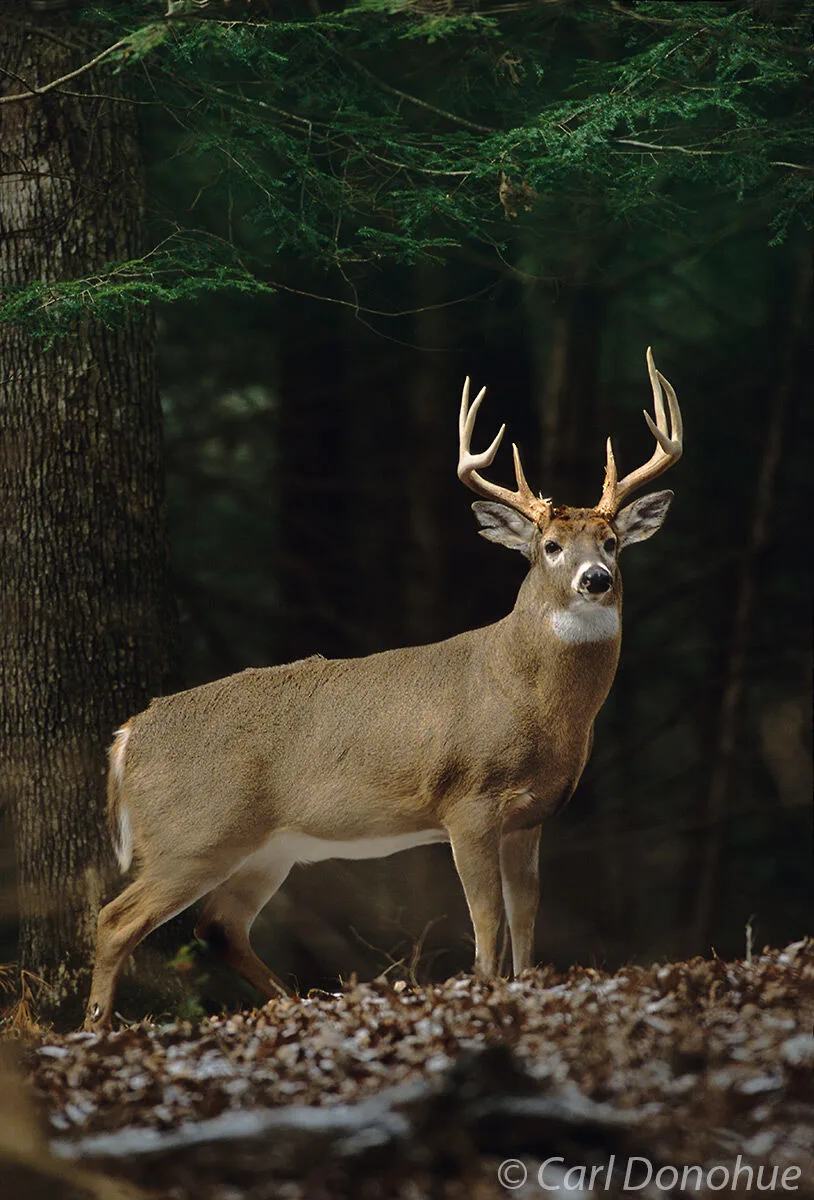
Image source: Web (Bing) / skolaiimages.com (Web image (fair-use with source credit))
Then there's the dugong. This is an animal people often confuse with the manatee. They're related, but they're not the same.
Dugongs are strictly marine and feed exclusively on seagrass. Their name comes from the Malay word "duyung," which means "lady of the sea." You can still find them in warm coastal waters from East Africa to Australia. But their populations are declining due to habitat loss and boat strikes.
If you want to explore more alphabet animals, check out our list of creatures starting with C for comparison.
Birds, Reptiles, and Marine Life: The Rest of the D-List
Mammals get all the glory, but the other categories hold their own. Let's talk about the birds first. Ducks are everywhere. There are over 120 species, and they're found on every continent except Antarctica.
They're adaptable, social, and pretty entertaining to watch. The dove is another familiar name. These birds symbolize peace across many cultures.
They're also surprisingly fast. Some species can hit 55 mph in level flight.
Birds Worth Noting
The dodo is probably the most famous extinct bird in history. It lived on Mauritius in the Indian Ocean and went extinct in the late 17th century, less than a century after humans arrived. The phrase "dead as a dodo" exists for a reason.
What most people don't know? The dodo wasn't stupid. It evolved without natural predators on its island, so it had no fear of humans.
That lack of fear is what made it easy to hunt.
The downy woodpecker is North America's smallest woodpecker. It's about six inches long. You'll spot it clinging to tree trunks in almost any wooded area.
These birds are year-round residents throughout most of the United States and Canada. They're also one of the easiest woodpeckers to attract to backyard feeders.
Reptiles and Amphibians
The desert tortoise is a true survivor. It lives in the Mojave and Sonoran Deserts of the American Southwest. These tortoises spend up to 95% of their lives in burrows to escape extreme heat.
They can go up to a year without access to water. They're listed as threatened under the U.S. Endangered Species Act, so they're protected by federal law.
The dwarf crocodile is the smallest crocodile species in the world. It rarely exceeds five feet in length, far smaller than its Nile crocodile cousin that can hit 16 feet. You'll find these in West and Central Africa's freshwater swamps.
They're nocturnal hunters and mostly feed on fish and small vertebrates.
Marine Life Beyond Dolphins
The damselfish is one of the most common reef fish you'll encounter. They're small, colorful, and almost everywhere in tropical waters. Some species, like the clownfish, are technically damselfish.
The dogfish shark is another interesting one. Despite the name, it's a real shark. It gets its name because it hunts in packs, like dogs.
These small sharks are found in oceans worldwide.
The Unexpected D-List: Dinosaurs and the Extinct
Now for the fun part. When people ask about animals that start with d, they're often thinking about living creatures. But the letter D has some serious fossil appeal.
Dinosaurs dominate this list, and there's a reason kids love them so much.
Diplodocus is one of the most recognizable sauropods. It lived about 150 million years ago in what's now North America. This thing was massive.
It could reach lengths of 90 feet, with its neck and tail making up most of that. It was a herbivore that likely swept its tail like a whip to defend against predators.
Dilophosaurus became famous after appearing in Jurassic Park. The movie version spits venom and has a frill around its neck. Real science tells a different story.
The actual Dilophosaurus was about 20 feet long, had two thin crests on its skull, and probably didn't spit venom. That's a Hollywood embellishment. It did live during the Early Jurassic period, roughly 193 million years ago, making it one of the earliest large carnivorous dinosaurs.
Deinonychus is a personal favorite. This dinosaur is partially responsible for the "raptor" craze. Its name means "terrible claw," and it had a large sickle-shaped claw on each foot.
It lived about 115 million years ago and was roughly 11 feet long. Paleontologists believe it hunted in packs.
The dodo we already mentioned, but it's worth repeating. It's the poster child for extinction. Its story serves as a cautionary tale about human impact on island ecosystems.
If you're interested in more creatures from earlier in the alphabet, our guide to animals starting with B has some surprising entries.
Why Do People Search for "D Animals" Anyway?
There's a practical reason this topic keeps coming up. Alphabet learning is a big deal for young kids. Parents and teachers are constantly looking for animals to match letters.
D has a good mix of easy and challenging animals, which makes it a favorite for educational activities.
The Educational Angle
Most preschool classrooms work their way through the alphabet. A is for Aardvark, B is for Bear, C is for Cat. By the time they hit D, kids already have a solid foundation.
Deer and dog are easy. Dingo and dik-dik are more of a stretch. That variety helps kids build vocabulary and learn about biodiversity.
Flashcards, picture books, and alphabet songs all rely on these lists.
The Trivia Factor
Then there's the trivia crowd. Quiz nights love testing people on animal facts. If you know a few obscure D-named species, you're ahead of the game.
Mention the dhole in an animal round, and you'll probably stump people. Drop the dik-dik in casual conversation, and you'll sound like a wildlife expert.
The ESL Connection
English language learners also benefit from animal vocabulary lists. Animals are concrete, visual things. You can show a picture and say the word.
It's easier for beginners to grasp than abstract concepts. Lists like this serve as building blocks for language acquisition.
Whatever your reason for landing here, the interest is legitimate. There's something inherently fascinating about the diversity of life. Whether you're studying, teaching, or procrastinating, you now have a solid foundation in D-animals.
If you're curious about more, here's our starter guide to animals starting with A.