Fish That Start With P: From Piranhas to Pufferfish
If you're hunting for fish that start with p, you've probably noticed the list is longer than you'd expect. From the two-inch Pygmy Cory to a three-foot Pacu, this single letter spans the entire size range of the hobby. Some of these are the friendliest community fish you can buy, while others demand species-only tanks and expert care.
In our research, the Platy (Xiphophorus maculatus) stands out as the entry-point favorite. As of 2026, selective breeding has produced over 50 official color varieties, making it one of the most diverse livebearers on the market. That's a lot of groundwork for a fish that costs a few dollars.
Let's sort through these P-named species and find which one fits your tank.

Why "P" Fish Are So Popular
The letter P is a powerhouse across the animal kingdom. Just look at our guide to land mammals that share this initial, which lists everything from platypuses to pumas. In the aquarium world, the same pattern holds.
A surprising number of common freshwater families simply start with P, from the Poeciliidae (Platies) to the Tetraodontidae (Pufferfish).
There's a practical reason this matters. When you're standing at the fish store, most tanks will have at least one species that starts with P. Knowing which ones fit your experience level and tank size saves you from impulse buys that turn into headaches later.
Quick Answer
Your best P fish depends on your tank size. For a small community tank, get Platies. For a solo showpiece, try a Dwarf Puffer.
For a bigger aquarium, consider a Peacock Cichlid. Never buy a Pacu unless you have 300 gallons ready.
P Fish at a Glance: Quick Facts
Here's the whole lineup at a glance. Use this table to narrow down candidates before you read the deep dives.
| Fish | Size | Temperament | Diet | Difficulty |
|---|---|---|---|---|
| Platy | 2–3 in | Peaceful | Omnivore | Beginner |
| Pufferfish | 1–24 in | Aggressive/Territorial | Carnivore | Expert |
| Pacu | 24–36 in | Peaceful but huge | Herbivore | Advanced |
| Piranha | 10–14 in | Semi-aggressive, shy | Carnivore | Advanced |
| Peacock Cichlid | 4–6 in | Semi-aggressive | Carnivore/Omnivore | Intermediate |
| Pearl Gourami | 4–5 in | Peaceful | Omnivore | Beginner |
| Plecostomus | 3–24 in | Peaceful | Herbivore/Omnivore | Beginner/Intermediate |
| Paradise Fish | 3–4 in | Aggressive | Omnivore | Intermediate |
| Pygmy Cory | 1 in | Peaceful, schooling | Omnivore/Scavenger | Beginner |
| Pictus Catfish | 5–6 in | Active, semi-aggressive | Carnivore | Intermediate |
| Pipefish | 6–8 in | Peaceful, fragile | Live/Frozen foods | Expert |
That's a wide spread. The good news is that every single one of these has a specific niche it fills in the aquarium hobby.
The Headliners: Most Common "P" Fish You'll Actually See
These are the species you'll encounter at nearly every local fish store. If you're researching "fish that start with p" because you want something real, these are the ones worth your time.
Platy: The Beginner's Best Friend
The Platy is probably the most forgiving fish on this list. It handles temperature swings, eats almost anything, and breeds without any encouragement. Keep a few females per male, and you'll have free fry for years.
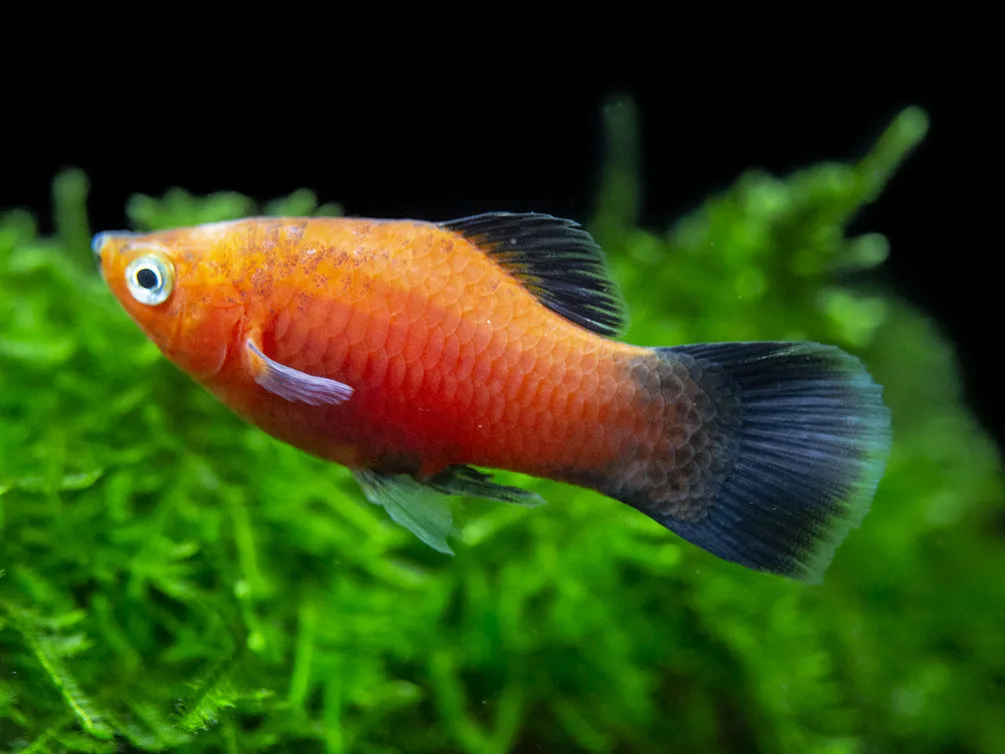
They top out around 2 to 3 inches, so a 10-gallon tank works fine for a small group. Just remember they're livebearers, which means females drop fully formed babies every four to six weeks. If you're new to the hobby, start here.
Pufferfish: Big Personalities, Small (or Huge) Packages
Pufferfish are the comedians of the aquarium world, but they come with serious caveats. The Dwarf Puffer stays around 1 inch and works in a planted 10-gallon tank. The Figure-8 Puffer needs brackish water.
The Mbu Puffer hits 2 feet and requires a 300-gallon setup.
Their teeth grow continuously, and without hard foods like snails or clams, they overgrow and starve. They're also scaleless, making them extra vulnerable to ich. These are expert-level fish, not beginner purchases.
Pacu vs. Piranha: The Confusion Explained
This is the most common mix-up in the hobby. Pacu and Piranha share a family, but they're not the same fish. Pacu have square, human-like teeth adapted for crushing plants.
Piranha have sharp triangular teeth built for cutting flesh.

Pacu are mostly herbivorous and peaceful, but they're enormous. A juvenile sold at 2 inches will hit 2 to 3 feet within a few years. Piranhas are shy and skittish, which surprises most people, but they still demand a species-only tank of at least 125 gallons.
Peacock Cichlid: Color for Africa-Inspired Tanks
These Lake Malawi cichlids bring some of the brightest blues and yellows you'll find in freshwater. They're semi-aggressive, with males locking into fights if you don't give them enough females. A harem of one male to three or four females works best.
Water chemistry matters. They need hard, alkaline water with a pH of 7.8 to 8.6, and they'll thrive in a 55-gallon tank or larger. If you're looking for a colorful addition to an African biotope setup, these are tough to beat.
Pearl Gourami: The Gentle Giant of Labyrinth Fish
Pearl Gouramis are calm, slow-moving fish with a distinctive spotted pattern. They grow to about 4 to 5 inches, and they're one of the few larger gouramis that stays peaceful in a community tank. Their labyrinth organ lets them breathe surface air, so they're more tolerant of lower oxygen levels than most tropical species.
They're also sturdier than their cousin, the Dwarf Gourami, which is prone to disease. A pair does fine in a 30-gallon tank. Just keep the lid tight, they're known jumpers.
Plecostomus: The Algae Eater That's More Than a Cleanup Crew
The common Pleco is one of the most popular algae eaters, but it's often sold without the full story. That cute 3-inch baby becomes an 18-to-24-inch adult that produces a heavy bioload. You'll need a 125-gallon tank at minimum for a full-grown one.
You also need driftwood. Plecos depend on it for digestion and grazing, and they'll damage their mouths without it. If you only have a smaller tank, look at the Bristlenose Pleco or Rubber Lip Pleco, which stay under 6 inches.
Paradise Fish: A Cold-Water Fighter
Paradise Fish are gorgeous, with flowing red-and-blue stripes, but they're nasty. They'll shred the fins of anything slower-moving, and they're best kept alone or with other aggressive species. Their saving grace is temperature tolerance, down to about 60°F, so they work for unheated indoor tanks.
Just don't put them with guppies, tetras, or any other peaceful community fish. They're also escape artists, so a tightly fitting lid is non-negotiable.
The Underdogs: Pygmy Cory, Pictus Catfish, and Pipefish
These three rarely make headlines, but they all have specific fans. The Pygmy Cory tops out at 1 inch and loves a planted nano tank with a school of six or more. The Pictus Catfish is a nocturnal scavenger that adds constant motion to a 55-gallon tank, though it's boisterous enough to stress timid fish.
Pipefish are the saltwater oddball. They look like skinny seahorses and require live or frozen foods exclusively. Nothing dry, nothing frozen-thawed.
They're fragile and best left to advanced reef keepers. If you're curious about other tiny options, our list of small freshwater species has a few more ideas.
Best "P" Fish for Different Tank Types
Here's the practical breakdown. Match your tank size and experience level against these recommendations.
- 10-Gallon Nano Tanks: Pygmy Cory school, Dwarf Puffer, or a small group of Platies.
- 20, 40 Gallon Community: Platies, Pearl Gouramis, and a Pygmy Cory school make a peaceful trio.
- 55, 75 Gallon Semi-Aggressive: Peacock Cichlids with harem ratios, or a Paradise Fish species tank.
- 125+ Gallon Show Tanks: Pacu, adult Plecos, Piranha groups, or an Mbu Puffer.
- Brackish Water: Figure-8 Puffer, but only in a dedicated brackish setup with the right specific gravity.
For new hobbyists, the sweet spot is a Platy-and-Pearl-Gourami community tank. For experienced keepers looking for a challenge, the Dwarf Puffer or Peacock Cichlid offer far more personality per gallon. Just don't start with a Pacu.
The US Fish and Wildlife Service tracks invasive releases of this species because too many folks assume it stays small.
Common Mistakes People Make with "P" Fish
Buying the Cute Baby Pacu (It Won't Stay Cute)
That little red-bellied 2-inch baby in the shop display is adorable. It's also a biological time bomb. Pacu grow relentlessly, adding a foot of length in their first few years, and they need a 300-gallon pond-style tank as adults.
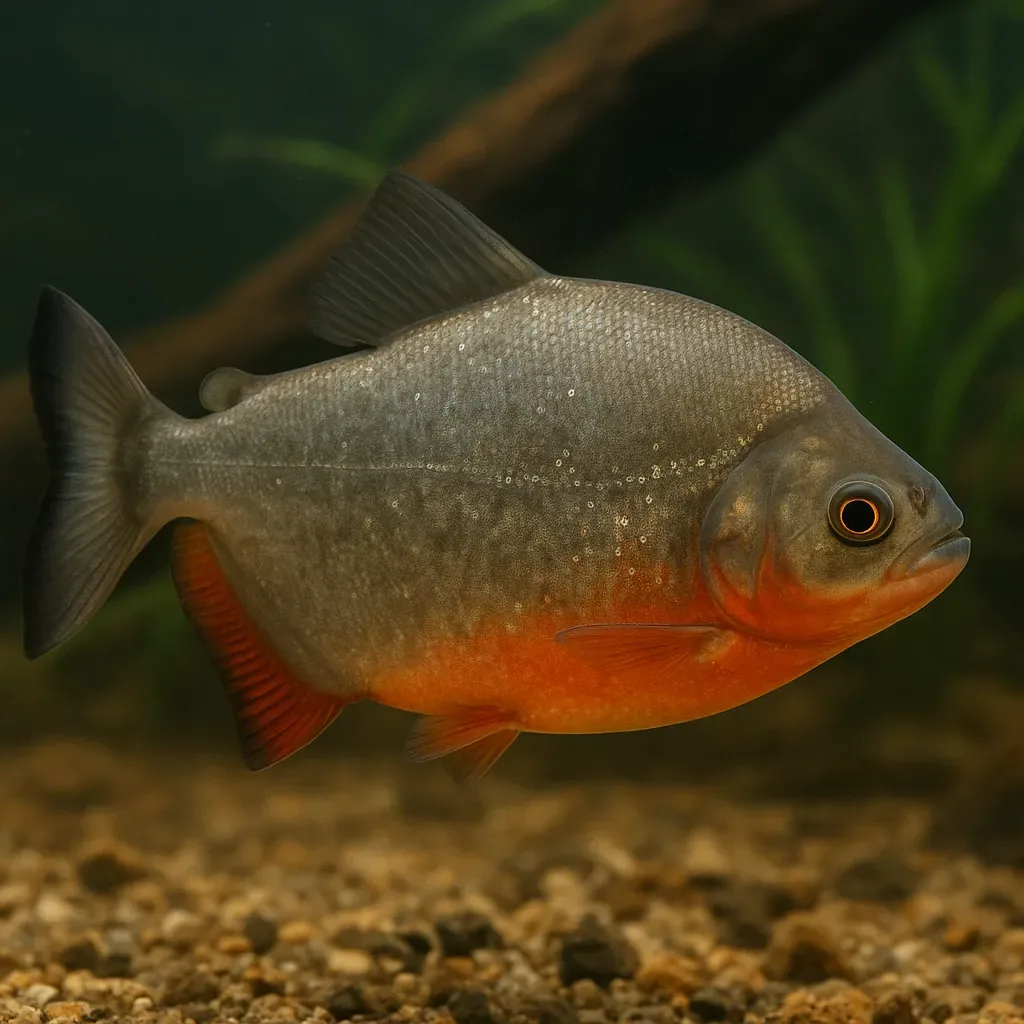
We see surrendered Pacu in pet stores constantly because owners didn't plan ahead. They outgrow tanks, produce massive waste, and cost hundreds to house properly. If you can't commit to a tank the size of a bathtub, skip this one entirely.
Keeping Puffers Without Hard Foods
Puffer teeth grow their entire lives. In the wild, they crunch snails, clams, and shrimp to keep them worn down. In captivity, a soft-pellet diet means those teeth overgrow until the fish can't eat.
It's a slow, painful death.
Prevention is simple. Offer snails, krill, clamshells, or crushed crab once or twice a week. If teeth already look long, a vet can trim them under anesthesia, but that's a last resort.
Start the hard-food schedule on day one.
Putting Paradise Fish in a Community Tank
Paradise Fish look like they belong in a peaceful planted aquarium. They don't. These are aggressive, territorial fish that will shred guppy fins and bully anything slower-moving.
A harem of females with one male can work, but only in a species-only tank.
They're also escape artists. One verified owner reported finding theirs under the couch after it jumped through a feeding gap. Keep a tight-fitting lid, no exceptions.
Thinking Piranhas Are Ferocious Killer Fish
Pop culture has ruined the Piranha's reputation. In reality, they're shy, skittish, and hide when people walk by the tank. They group together for safety, not for coordinated hunting, and they only get bold when a large group feels secure.
That doesn't mean they're easy. They need a 125-gallon tank minimum, a tight lid, and same-species companions. They'll also eat live or frozen meaty foods, which some keepers find unpleasant.
If you want a "dangerous" fish for the wow factor, look elsewhere.
Overstocking Peacock Cichlids Without Females
Peacock Cichlids are semi-aggressive, and males fight hard when they don't have females to occupy their attention. A tank full of males is a bloodbath waiting to happen. The fix is simple: keep one male with three or four females, and provide plenty of rocks and caves to break sight lines.
Assuming All Plecos Stay Small
The common Pleco is one of the most misleading fish in the hobby. That 3-inch juvenile sold as a "cleanup crew" becomes an 18-to-24-inch adult with a heavy appetite and a heavy waste output. Most owners have no idea what they're signing up for.
If you want a Pleco for a smaller tank, pick a Bristlenose or Rubber Lip variety. They stay under 6 inches and handle 30-gallon tanks just fine. The common Pleco demands a 125-gallon setup at minimum, plus driftwood for chewing and digestion.
Care Tips for the Trickier "P" Fish
Puffer Teeth Maintenance
Puffers need something crunchy at least twice a week. Live or frozen snails, clam pieces, and krill all work. Some keepers use cuttlebone, though it lacks the nutritional value of whole prey.
If the teeth look elongated, increase frequency.
Pacu Tank Planning
Pacu grow fast and live 20 years. Plan for a 300-gallon tank or a heated indoor pond from the start. Filtration needs to handle their heavy bioload, so oversize your canister filter by at least double.
They also eat a lot, so budget for quality pellets and fresh vegetables.
Piranha Group Dynamics
Keep at least five Piranhas together to spread aggression and reduce stress. A single Piranha stays nervous and hides constantly. A group of six or more will swim openly and show natural schooling behavior.
Provide open swimming space and minimal decor, they prefer bare tanks.
Peacock Cichlid Water Chemistry
These fish come from Lake Malawi, which has hard, alkaline water. Target a pH between 7.8 and 8.6 and a temperature around 78 to 82°F. Use crushed coral or aragonite sand to maintain stable hardness.
This is also a case where your list of letter-specific species helps you compare African cichlids against other families.
Pleco Diet Variety
Algae wafers are a starting point, not a complete diet. Offer blanched zucchini, cucumber slices, and sinking pellets to keep them healthy. Some Plecos also appreciate a chunk of driftwood to graze on, which aids digestion and satisfies their natural behavior.
Pipefish Feeding
Pipefish will not touch flake food. They need live baby brine shrimp, copepods, or frozen-thawed mysid shrimp offered multiple times daily. This feeding intensity is why they're experts-only fish.
If you can't commit to a live-food culture, skip the Pipefish.
"P" Fish Buying Guide: What to Ask Before You Buy
Is This Fish Tank-Raised or Wild-Caught?
Tank-raised fish adapt to aquarium life far better than wild-caught specimens. They're also less likely to carry parasites. Ask the store directly, or look for tank-raised labels on the tank.
Wild-caught Peacock Cichlids and Pipefish are common, so verify sourcing.
What's the Maximum Adult Size?
Every seller should be able to tell you the full-grown size. If they say "stays small" without a number, be suspicious. The common Pleco and Pacu are both notorious for being undersold in this exact way.
Get the adult size in writing before you buy.
Is There a State Restriction or Permit Needed?
Piranhas are banned or restricted in several US states, including California and New York. Pacu face similar restrictions in some waterways due to invasive species risk. Check your local fish and game regulations before purchase.
Your state's wildlife agency website lists any permit requirements.
What Does the Store Feed It, and Will It Transition to My Diet?
A fish that's used to live food may refuse pellets for weeks. Ask what the store currently feeds, then match it for the first few homes. If you plan to feed something different, stock the transitional food in advance.
Does It Need a Group, or Does It Do Fine Solo?
Piranhas, Pygmy Corys, and Pictus Catfish all need groups. Peacock Cichlids need harem ratios. Platies and Pearl Gouramis do fine in pairs or small groups, but they'll breed if given the chance.
Know the social requirements before you commit, then divide your tank space accordingly.
Safety and Legal Warnings
Piranha ownership carries real legal weight. Several states classify them as dangerous wildlife, requiring permits or banning them outright. Others allow them with restrictions on transport and release.
Check your state's wildlife agency website before buying.
Pufferfish contain tetrodotoxin, one of the most potent natural toxins known. The toxin lives in their skin and organs, and handling wild-caught specimens with bare hands is dangerous. Even tank-raised Puffers should be moved with a container, never your hands, to avoid stress and accidental injury.
Pacu are an invasive species threat in warmer US waterways. Released Pacu can survive winters in places like Florida and Texas, competing with native fish for food. Never release any aquarium fish into natural water.
The USDA and state agencies track invasive species reports, so a discarded Pacu can cause real ecological damage.
Live feeder fish sold for Piranhas and Puffers often carry parasites and diseases. The US Fish and Wildlife Service advises quarantining all new fish, and feeder goldfish are a notorious source of ich and internal worms. If you use live feeders, source them from a reputable store and quarantine before offering them.
Frequently Asked Questions
Which "P" fish is easiest for a beginner?
Platies win, no contest. They're forgiving of water-quality mistakes, eat almost anything, and breed easily. A small group of three or four in a 10-gallon tank is a perfect starting setup.
Are Pufferfish really that hard to keep?
Some are. Dwarf Puffers are manageable in a cycled 10-gallon tank with live foods. Mbu Puffers need 300 gallons and expert-level care.
The difficulty scales with size and dietary needs, so research the specific species.
What's the difference between Pacu and Piranha?
Pacu are huge, mostly herbivorous, and have square, human-like teeth. Piranhas are smaller, carnivorous, and have sharp triangular teeth. They share a family but are completely different in temperament, diet, and tank requirements.
Can I keep a Pleco in a 10-gallon tank?
Only if it's a Bristlenose or another small species that stays under 5 inches. The common Pleco reaches 18 to 24 inches and needs a 125-gallon tank. Always check the adult size before buying.
Do Paradise Fish need a heater?
No, they tolerate room temperature perfectly. They handle water down to around 60°F, which makes them great for unheated indoor tanks in cooler climates. They're one of the few tropical species that don't strictly need a heater.
Can Piranhas be kept with other fish?
Almost never recommended. They're semi-aggressive and opportunistic, and tank mates become snacks once the Piranhas feel secure. Keep them in species-only groups of five or more.
The Final Take: Which "P" Fish Should You Buy?
Start with your tank size, then your experience level, then your temperament tolerance. If you're new, get a Platy or a Pearl Gourami. If you have a 55-gallon tank and want color, go Peacock Cichlid.
If you want a single showpiece, the Dwarf Puffer is the most rewarding challenge under 20 gallons.
For experienced keepers with space, a Piranha group offers fascinating behavior without the Pacu's space demands. And for anyone tempted by the baby Pacu, reread that section and walk away. There's no wrong choice among these, only mismatched expectations.
Match the fish to your setup, not your impulse.
Want more inspiration? Browse our broader letter-based animal guides to see what else fits your tank's theme.