Reptiles That Start with Q: Queen Snakes and Quince Monitors
If you've been hunting for reptiles that start with q, you already know it gets weird. A quick search throws up Quetzalcoatlus, a pterosaur that died out with the dinosaurs. Then comes the quokka, which is definitely not a reptile.
The answer only gets clear when you look at accepted common names.
Only four living reptiles consistently carry the Q in field guides and accepted checklists. That's the Queen Snake, the Quince Monitor, the Queensland Carpet Python, and the Querétaro Rattlesnake. As of 2026, those four are the ones that matter.
We'll show you what each one looks like and where it fits.
Quick Answer
Only four reptiles start with Q in standard lists. The first is the Queen Snake. The second is the Quince Monitor.
The last two are the Queensland Carpet Python and the Querétaro Rattlesnake.
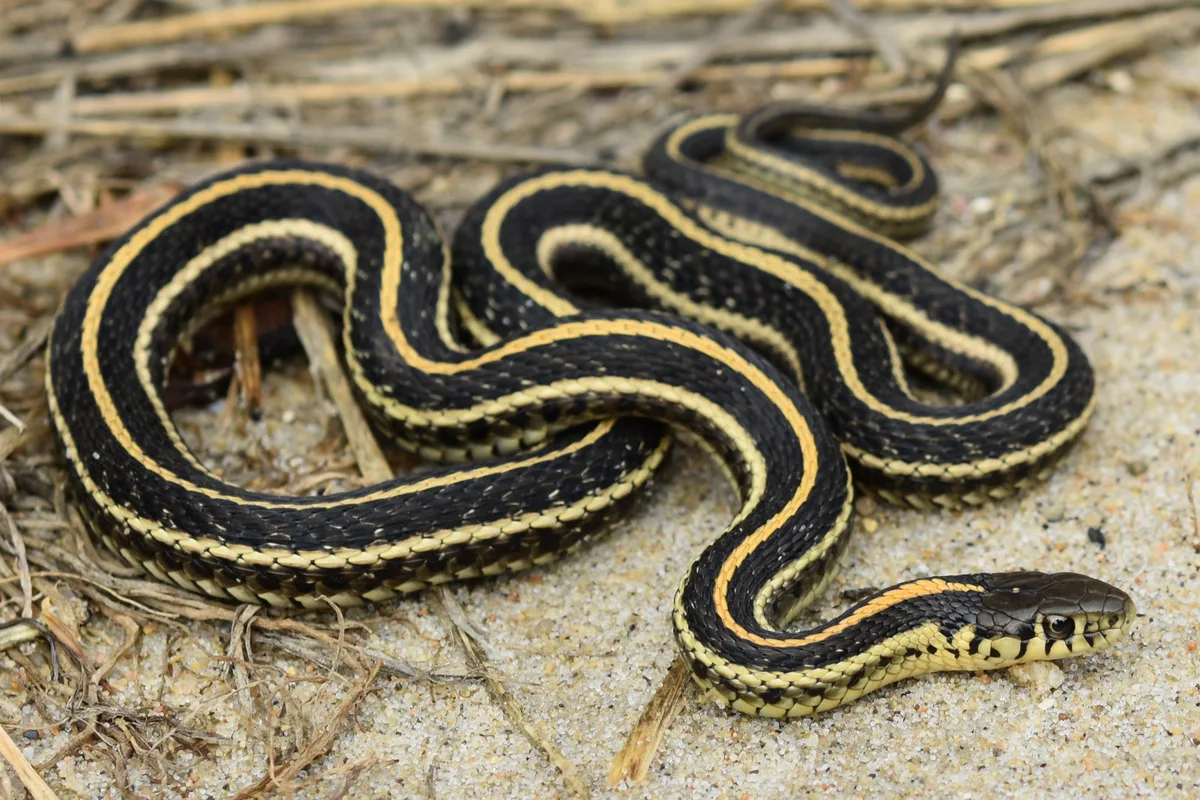
Image source: Web (Bing) / fity.club (Web image (fair-use with source credit))
The Essential Q-Reptile List (Yes, It's Short)
Here's the whole list at a glance.
| Common Name | Type | Where It's Found | Adult Size |
|---|---|---|---|
| Queen Snake | Non-venomous colubrid | Eastern and Midwestern United States | 60–90 cm |
| Quince Monitor | Monitor lizard | Maluku Islands, Indonesia | 80–120 cm |
| Queensland Carpet Python | Python | Eastern Queensland, Australia | 2–3.5 m |
| Querétaro Rattlesnake | Venomous pit viper | Central Mexico highlands | 45–70 cm |
These four show up in basically every Q-reptile puzzle. There are a few obscure regional names floating around, like the Qinghai toad-headed agama from central Asia. You won't see those in most quizzes.
Stick with these four and you'll be right.
Why "Q" Is the Wild Card of Reptile Alphabet Lists
Why is the list so small? No reptile genus starts with Q. Unlike the furry animals that share the letter, herpetology has no famous Q family.
So common names have to fill the gap. That's why Queensland and Querétaro show up. They're place names, not scientific names.
The Quince Monitor is the exception. Its name points to its golden color, which is a bit like the shade of a ripe quince fruit. Reptile common names also come from field guides and museum checklists.
They're not random labels.
If you're working through the alphabet, our reptile list for the letter C makes a handy comparison. And for a different kind of Q animal, the quokka and quoll page covers the mammal side.
Visual ID: The Four True Q-Reptiles
The best way to separate these four is to check where you are and what the body looks like. A Queen Snake and a Querétaro Rattlesnake live essentially on opposite ends of North America. The Quince Monitor belongs to one island group in Indonesia.
Queen Snake (Regina septemvittata)
Look for a slim brown snake in a moving freshwater stream. It has a yellow stripe running along each side and a cream belly marked with dark lines. People often mistake it for a garter snake.
Garter snakes have a different stripe pattern and don't rely on crayfish.
Quince Monitor (Varanus melinus)

Image source: Bing (Web (fair-use with source credit))
This monitor is unmistakable. It has a bright yellow-and-black banded pattern that pops against green forest. It stays smaller than many monitors, topping out around a meter.
Juveniles look even more striking, with darker bands and richer yellow.
Queensland Carpet Python (Morelia spilota mcdowelli)
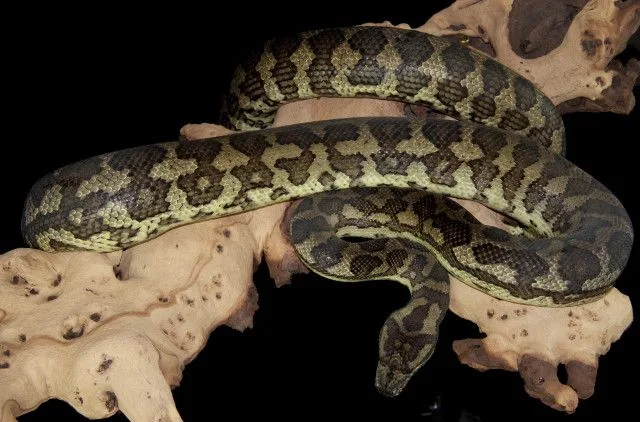
Image source: Web (Bing) / pinterest.com (Web image (fair-use with source credit))
This is a large pale python with olive-brown blotches. The background can be cream, grey, or tan. It often sits in trees, looping its body over a branch.
Adults reach 2.5 to 3 meters, and they're a common sight in parts of Queensland.
Querétaro Rattlesnake (Crotalus aquilus)
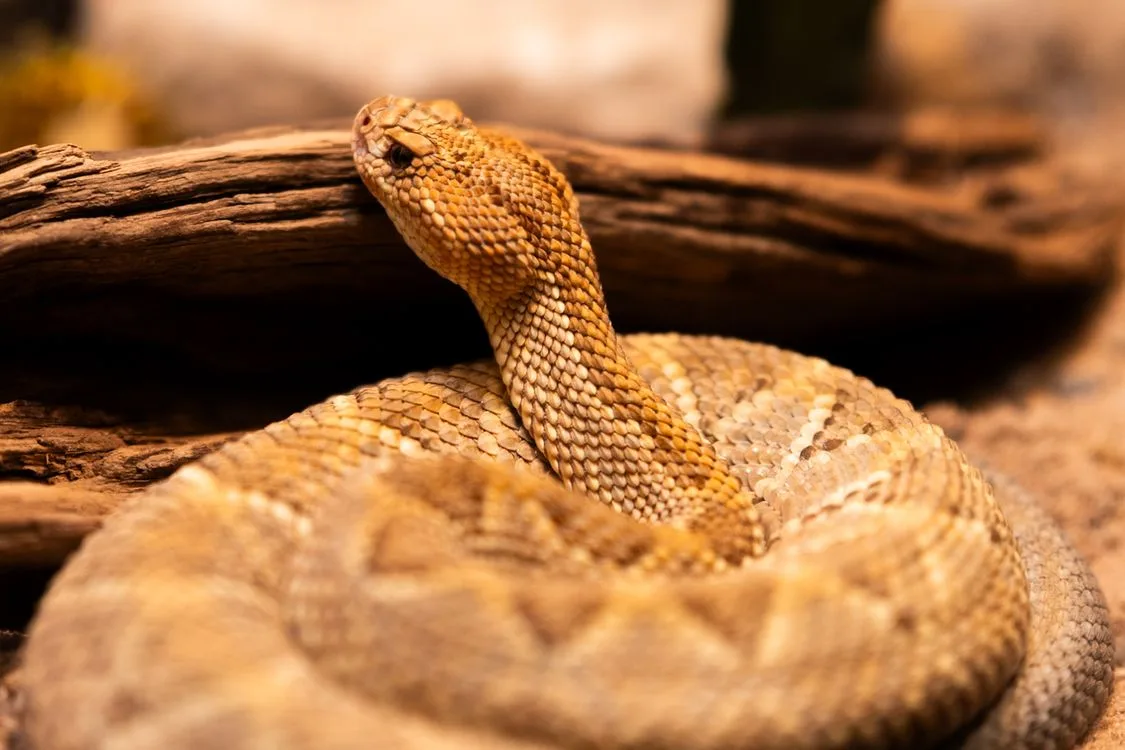
Image source: Web (Bing) / pexels.com (Web image (fair-use with source credit))
A small rattler with a grey-brown base and dark blotches down the back. It blends into rocks and dry grass. It lives at high elevations in central Mexico.
Hikers usually hear the rattle before they see the snake.
The Quetzalcoatlus Problem: Why Everyone Gets This Wrong
Search for "reptiles that start with q" and Quetzalcoatlus will appear almost immediately. It was a giant pterosaur from the Late Cretaceous, big enough to stand as tall as a giraffe. It's impressive, but it doesn't belong on a modern reptile list.
Pterosaurs were flying archosaurs that lived alongside dinosaurs. In a broad evolutionary sense, they're related to crocodilians and birds. For a living-species checklist, though, they don't count.
The same goes for quokkas and quolls. Cute mammals, but zero scales.
So when you see Quetzalcoatlus on a Q-reptile list, scroll past it. It's a fossil, not a herp.
Q Reptiles in the Pet Trade: What's Worth It and What's a Bad Idea
Here's the honest part. Only one Q reptile makes a sensible pet for most people. The Queensland Carpet Python is captive-bred, hardy, and generally calm.
It gets big, but that's manageable with the right enclosure.
As of 2026, carpet pythons are widely available in the U.S. and Europe. The Quince Monitor is a different story. It's rare, expensive, and needs a large hot enclosure.
Wild-caught imports also carry stress and parasite risks. Most countries regulate it under CITES Appendix II.
The Queen Snake doesn't belong in a home terrarium. Its diet is almost exclusively freshly moulted crayfish. That's extremely hard to source.
Queen Snakes also need cool, clean, fast-moving water.
The Querétaro Rattlesnake is venomous. Enough said. If you're not set up with a serious venomous permit, training, and antivenom access, don't consider it.
| Species | Pet Potential | Main Barrier |
|---|---|---|
| Queensland Carpet Python | Good for experienced keepers | Large enclosure |
| Quince Monitor | Advanced only | Cost, space, CITES, rarity |
| Queen Snake | Not recommended | Crayfish-only diet |
| Querétaro Rattlesnake | Not for private hobbyists | Venom, permits, safety |
Conservation status for these species is tracked through the IUCN Red List. International trade rules are handled under CITES.
How to Actually ID a Q Reptile in the Wild (Without Touching It)
Start with geography. The map narrows it down faster than any other clue.
- Queen Snake: near a stream in the eastern U.S., especially where crayfish live.
- Quince Monitor: only in the Maluku Islands of Indonesia, mostly Halmahera.
- Queensland Carpet Python: in trees or near water in eastern Queensland, Australia.
- Querétaro Rattlesnake: on rocky slopes in the highlands of central Mexico.
Once you've got a location, look at body shape. A slim snake in water is likely the Queen Snake. A robust python in a tree is the carpet.
A banded monitor on the ground is the Quince Monitor. A small rattler is the rattlesnake.
Take photos from three angles if you can: head, mid-body, and tail. Keep a safe distance from anything venomous. You don't need to touch a snake to identify it.
Biggest Mistakes Amateur Herpers Make with Q Species
Everyone makes mistakes on these lists. These are the ones we see most.
- Calling any striped water snake a Queen Snake. Garter snakes are far more common.
- Assuming Quetzalcoatlus was a reptile like a lizard. It was a pterosaur.
- Buying a Queen Snake thinking it will eat minnows or worms. It won't.
- Handling a carpet python right after a meal. It can get defensive.
- Trying to move closer to a rattlesnake for a photo. Not worth the hospital bill.
The biggest mistake is skipping the range map. If the species doesn't live in your region, that's your answer right there. The related species covered in our letter D list follow the same logic.
Frequently Asked Questions
Are there any reptiles that start with Q besides these four?
Outside the main list, you might find regional names like the Qinghai toad-headed agama from China. Those are real reptiles, but they rarely appear in standard English field guides. For quizzes, photo IDs, and everyday lists, the four covered here are the ones you need.
Is a Quetzalcoatlus a reptile?
In a broad evolutionary sense, yes. Pterosaurs are archosaurs, so they share a common ancestor with crocodiles and birds. But Quetzalcoatlus is not a modern reptile.
It wasn't a snake, lizard, or turtle. Most Q-reptile lists focus on living species, so Quetzalcoatlus gets disqualified.
Can you keep a Queen Snake as a pet?
Technically you can, but it's a bad idea. Queen Snakes eat almost nothing but freshly moulted crayfish. They also need cool, clean, fast-moving water.
Without a steady supply, they lose weight quickly in captivity. Even experienced keepers rarely keep them long-term.
Where can I see a Queensland Carpet Python in the wild?
Your best chance is in eastern Queensland, Australia. Look along forest edges, near creeks, and in trees around farmland. They're most active at dusk and through the night.
During the day, they hide in tree hollows or tangled vines.
Do any Q reptiles live in the United States?
Yes. The Queen Snake is the only one native to the United States. It ranges across Ohio, Pennsylvania, Virginia, Missouri, and Arkansas.
The other three Q reptiles live elsewhere. Quince Monitors are Indonesian, carpet pythons are Australian, and the Querétaro Rattlesnake is exclusive to Mexico.
Your Q-Reptile Cheatsheet
If you only remember one thing, let it be this: location narrows it down fast.
- Queen Snake: streamside in the eastern U.S., crayfish-eater, harmless.
- Quince Monitor: Indonesian monitor with golden bands, CITES-listed.
- Queensland Carpet Python: big Australian python, calm in captivity.
- Querétaro Rattlesnake: small Mexican pit viper, give it space.
That's the whole Q list. Four real reptiles, no pterosaurs, no quokkas. Now you can finish that alphabetical list without guessing.
Q Reptile Conservation Status
Conservation work for these four species is uneven. The Quince Monitor gets the most attention. Habitat loss and illegal pet trade pressure have hurt its populations.
As of 2026, the IUCN tracks it closely.
The Queen Snake isn't globally threatened, but it's disappearing locally. Clean streams keep it alive. When water quality drops, so do its numbers.
The Querétaro Rattlesnake faces scattered threats from development.
The Queensland Carpet Python is the most secure of the group. It adapts well to farmland and forest edges. That doesn't mean it's without risks.
Road kills and habitat clearing still take a toll.
Q Reptiles in Captivity Around the World
We've covered the pet trade briefly, but let's talk about what captive care really involves. The Queensland Carpet Python is the only Q reptile you'll regularly see in collections. Breeders in the U.S., Europe, and Australia produce healthy hatchlings every year.
Quince Monitors appear in advanced collections, but rarely. Aggregate reviews from keepers report they need a hotspot near 40°C and high humidity. They're not a beginner monitor.
The Queen Snake and Querétaro Rattlesnake are practically absent from responsible private collections.
| Species | Captive Breeding | Difficulty |
|---|---|---|
| Queensland Carpet Python | Common | Moderate |
| Quince Monitor | Rare | Advanced |
| Queen Snake | Very rare | Extreme |
| Querétaro Rattlesnake | Uncommon | Expert only |
If you're new to reptiles, the carpet python is a fine step up from a corn snake. Just plan for a 1.2-meter enclosure and a big water dish.
How to Photograph Q Reptiles Safely
Good field photos help everyone. Researchers use them for distribution maps. Amateur herpers use them for IDs.
Getting them right takes patience.
Use a zoom lens. A 200mm lens lets you capture detail without crowding the animal. Stay low and slow.
Move at the reptile's pace, not yours.
Never use a flash with a snake. It can stress them and wash out their color pattern. Natural light in the early morning works best.
That's when most of these species are active anyway.
For the rattlesnake, keep a solid object between you and it. A rock or a log works well for framing. Respect the three-meter rule.
No photo is worth a bite.
Q Reptile Myths That Deserve to Die
There's no shortage of misinformation in the reptile world. Let's clear up the most common myths about Q species.
Myth: All water snakes are venomous. The Queen Snake is completely harmless. It eats crayfish and bites only in self-defense.
Myth: Quince Monitors are aggressive. They're shy, not mean. Wild-caught ones might lash out from fear. Captive-bred ones can actually be quite calm.
Myth: Carpet pythons are dangerous to humans. They're constrictors. They don't see people as prey. A 3-meter snake can give a painful bite, but it can't swallow you.
Myth: Rattlesnakes always rattle before striking. The Querétaro Rattlesnake is quiet in rocky terrain. It relies on camouflage first. You can step within a meter before it moves.
Where to See Q Reptiles in the Wild
Want to see these species in their natural habitat? Here's where to look.
- Queen Snake: Wade shallow creeks in the Ozarks or Appalachians. Flip rocks gently. Look for fresh crayfish molts.
- Quince Monitor: Book a guided herping trip to Halmahera in Indonesia. Local guides know the forest patches.
- Queensland Carpet Python: Drive rural roads in eastern Queensland at dusk. They cross open ground to hunt.
- Querétaro Rattlesnake: Hike rocky mesas near Querétaro City. Go in the cooler months. Stay on established trails.
Always check local rules before you go. Australia and Mexico have strict wildlife protection laws. If you're planning a trip, the Queensland government's official wildlife page is a solid starting point.