Insects That Start with O: Hidden Gems
We've all been there. You're staring at a word puzzle, or maybe you're just trying to win a friendly argument, and suddenly the prompt hits: "Name an insect that starts with O." It sounds simple, but your brain suddenly forgets every bug you've ever seen. It's a genuine brain teaser.
You know butterflies and beetles, but when you actually have to name one starting with this tricky letter, it's easy to draw a blank. That's why we pulled together a full breakdown of insects starting with O. You'll find common backyard residents, tropical showstoppers, and a few genuinely bizarre deep cuts.
By the time you finish this, you'll have a winning cheat sheet for trivia night, Scrabble, or your next nature walk.
Quick Answer
The most notable insects that start with O are the Owl Butterfly, Oleander Hawk Moth, and Oriental Cockroach. Others include the Orchard Mason Bee and Obscure Bluet. These species range from tropical giants to backyard pollinators.
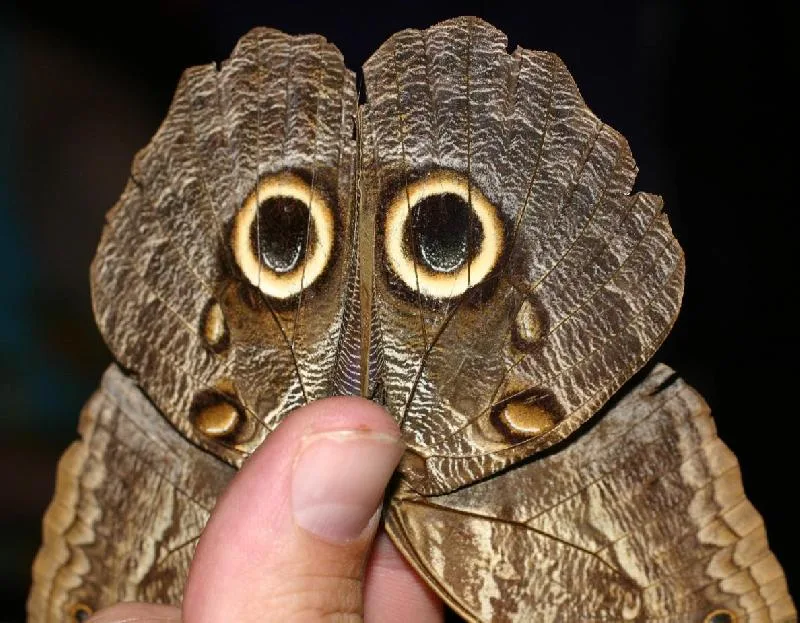
Image source: Web (Bing) / pinterest.com (Web image (fair-use with source credit))
True Insects vs. Honorary Mentions: Where We Draw the Line
Before we dive into the roster, we need to clear up a technical detail. In everyday conversation, we call everything with legs a "bug." But in entomology, the rules are strict. A true insect has three distinct body parts (head, thorax, abdomen), six legs, and an exoskeleton.
That definition matters because some famous "O" names don't actually qualify. Take Oak Mites, for example. They're microscopic and cause maddening itches, but they're arachnids.
They're related to spiders and ticks, with eight legs. The Ozyptila crab spider is in the same boat. It starts with O and it's a creepy-crawly, but it's not an insect.
As of 2026, taxonomists still classify these critters separately. For this article, we'll mention them where they matter, but we'll keep the true insect label for the six-legged crowd.
The "O" Insects You've Probably Seen (But Didn't Know the Name)
Some O-insects are everywhere once you start looking. You might have swatted them away or photographed them without ever realizing they fit the alphabet theme.
The Orange Sulphur Butterfly
This is the little orange friend you see fluttering low over clover fields and roadsides across North America. It's often mistaken for a cabbage white or a monarch, but it's usually smaller and a bright, clean orange. When its wings are closed, it shows a subtle silver spot, which is a handy field mark.
It's one of the most common butterflies you'll meet, and it's a solid answer for any "O" quiz.
The Oriental Cockroach
If you have a damp basement, a crawl space, or a floor drain, you've probably met this shiny, dark brown to black beetle-looking roach. Unlike the German cockroach that loves your kitchen cabinets, the Oriental cockroach prefers cool, moist places. People often call it a "water bug" or "black beetle." It’s a pest, no question, but it's also a textbook O-insect.
Seeing one means you should check for leaks and seal up entry points around pipes.
The Obscure Bluet
Don't let the name fool you. "Obscure" refers to its markings, not its rarity. These are the thin, electric-blue damselflies that hover around ponds and slow streams.
They look like delicate needles with wings. If you see a blue blur near the water, it's likely an Obscure Bluet or a close relative. It's a great example of how even the most common insects can hide in plain sight.
The Showstoppers: Moths and Butterflies Worth Bragging About
These are the species that make people say "no way" when you tell them about them. They're big, beautiful, and undeniably impressive.
The Owl Butterfly
If you're looking for the poster child of this list, this is it. The Owl Butterfly is a massive insect native to Central and South America, with a wingspan that can reach five to eight inches. The underside of its wing features giant, perfectly detailed eyespots that look just like an owl's face staring back at you.
That pattern is pure evolutionary camouflage, designed to scare off hungry predators like lizards and birds.
The wildest part isn't just the looks. These butterflies don't sip nectar like most of their relatives. They prefer to feast on rotting fruit.
They'll land on a banana peel in the jungle and drink the fermenting juices. They're fascinating to watch, but they're definitely not the dainty flower visitors you might expect.
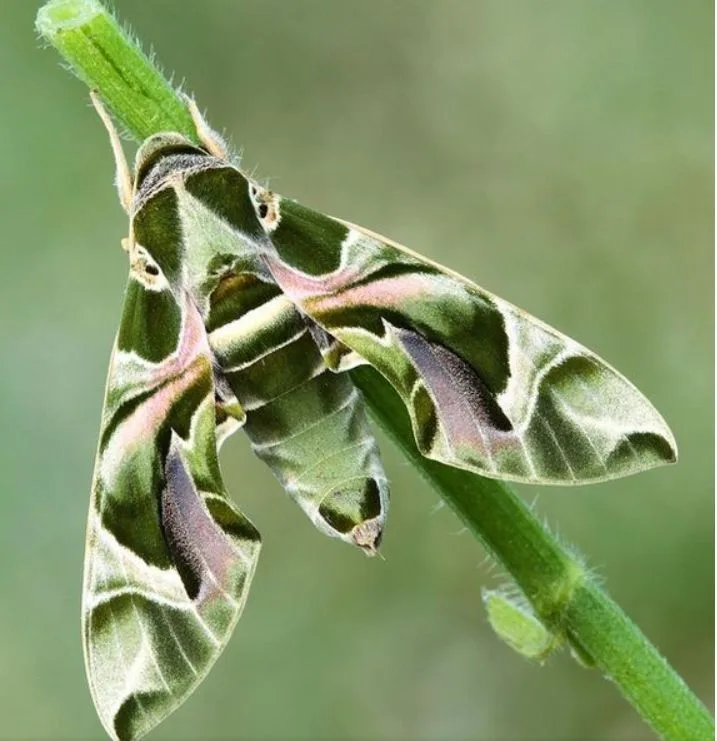
Image source: Web (Bing) / pinterest.com (Web image (fair-use with source credit))
The Oleander Hawk Moth
This species looks like it flew straight out of a designer's sketchbook. The Oleander Hawk Moth is stunning, with beautiful green, pink, and white camouflage patterns across its wings. It's found in warmer regions across Africa, Asia, and the Mediterranean, and sometimes shows up in greenhouses elsewhere.
When it flies, people often mistake it for a hummingbird. It hovers in place, beating its wings incredibly fast while it drinks nectar from tubular flowers. The real party trick?
Its caterpillar is just as striking, with bright eyespots and a fearsome look, but it's highly toxic if ingested because it feeds on oleander plants. It's a beautiful defense mechanism, but not something you want in your garden if you have curious pets.
The Garden Heroes: Bees and Beetles That Do the Heavy Lifting
Not every O-insect is a pest or a spectacle. Some of them are the unsung heroes of your local ecosystem, working quietly to keep plants healthy and thriving.
The Orchard Mason Bee
If you grow fruit trees, you should love these guys. The Orchard Mason Bee is a native US bee that is a pollination machine. They're incredibly docile and rarely sting, so they're safe to have around.
They don't live in large hives like honeybees. Instead, they're solitary and nest in hollow twigs, wood holes, or special bee blocks you can buy at garden stores.
Here's the impressive stat: they can pollinate fruit trees like apples and cherries up to 100 times more efficiently than a honeybee. They work in cooler, wetter conditions that keep honeybees grounded. Having them around is a massive win for your garden.
You can even encourage them to stay by leaving dead wood or installing a simple mason bee house.
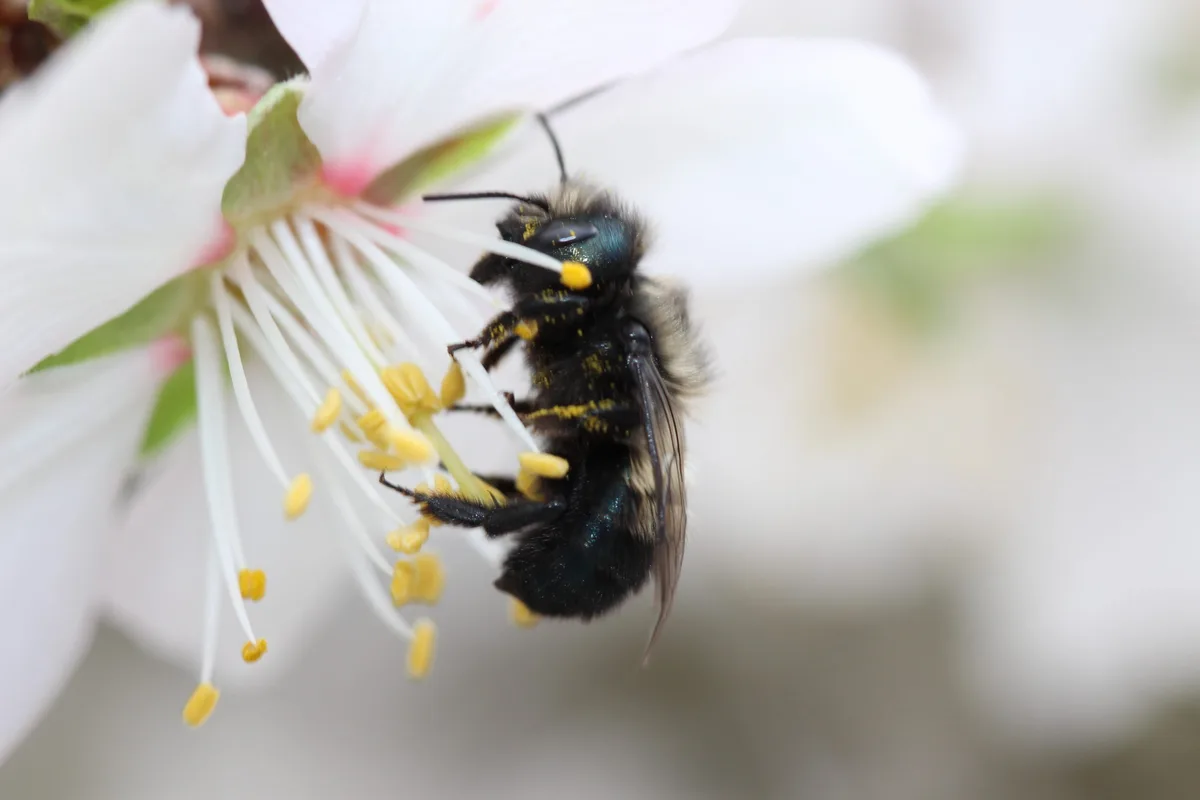
Image source: Web (Bing) / beethechange.earth (Web image (fair-use with source credit))
The Ophonus Ground Beetle
Let's not forget the beetles. Ophonus is a whole genus of ground beetles, with roughly 80 known species spread across the world. They aren't flashy, and they usually hide under rocks or in leaf litter during the day.
But at night, they come out to hunt.
These beetles are the gardener's best friend. They feast on weed seeds and small soft-bodied insects. If you have a healthy population of Ophonus in your soil, you've got a built-in weed control squad that works for free.
It's a great reminder that not every bug you find in the dirt is something to worry about.
The Ones That Bite, Itch, or Creep You Out
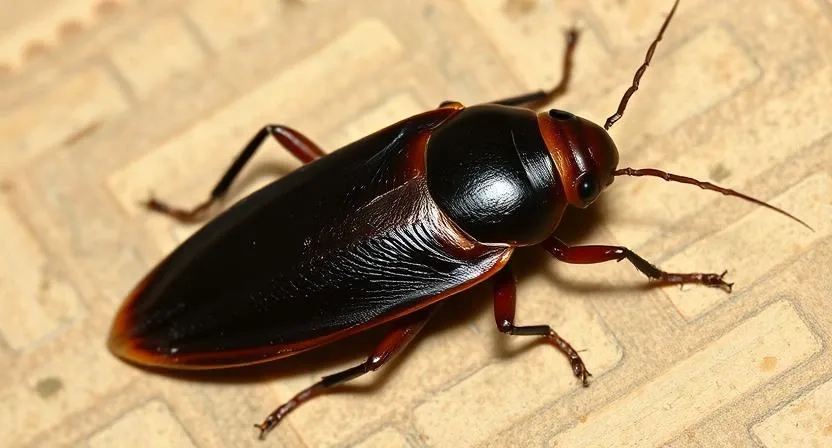
Image source: Web (Bing) / spiderzoon.com (Web image (fair-use with source credit))
We can't sugarcoat it. Some O-insects are just unpleasant. Knowing about them, though, is the first step to avoiding their wrath.
The Oak Mites
If you've ever felt mysterious, intensely itchy bites in late summer, you might have met these microscopic terrors. Oak Mites are so tiny you can't see them with the naked eye. They fall from oak trees in waves, usually when their primary food source dies off.
They aren't true insects, but they cause havoc on human skin.
Their bites often look like a rash or chigger bites, and the itching can last for a week or more. The best defense is to shower and change clothes after spending time under oak trees in late summer, especially if you feel a breeze dropping debris on you. Over-the-counter anti-itch creams usually help soothe the symptoms.
For more detailed guidance on managing these pests, checking your local university extension service is your best bet.
The Botfly (Oestridae)
This is the stuff of nightmares, and we apologize in advance. Botflies are a family of parasitic insects that start with O. Their larvae develop inside mammalian bodies.
How do they get there? The adult botfly captures a mosquito and attaches its eggs to the mosquito's body. When that mosquito lands on you to bite, the heat from your skin hatches the eggs, and the larvae burrow into your flesh.
They grow under the skin, creating a painful, swollen bump with a tiny hole for breathing. They're primarily a tropical species, but travelers can bring them home from Central and South America. If you suspect a botfly, don't try to squeeze it out.
You need a doctor to remove it safely, usually by surgical extraction. It's rare, but it's the most hardcore "O" insect on this list.
The Oriental Cockroach (Revisited)
We listed this one earlier as a common sight, but it absolutely deserves a spot in the "creep" category. These insects are particularly tough and can survive in some pretty gnarly conditions. They hang out in sewers, drains, and damp basements.
The best way to keep them out is to eliminate moisture and seal cracks. If you see them regularly, it's worth contacting a pest control professional. For more on handling pests, the EPA has great resources on safe pest management.