Animals That Start with U: Uakari, Uguisu & More
If you've ever tried to name animals that start with u, you know the struggle. It's a letter that stumps even serious trivia players. Most people can't get past the uakari, and that's usually where the search ends.
But there's a surprisingly solid lineup hiding behind that uncommon letter.
As of 2026, the IUCN Red List tracks several U-species with vulnerable or endangered status, so learning about them also means understanding real conservation challenges. The good news? Once you know where to look, these animals are fascinating, sometimes bizarre, and well worth your attention.
Let's start with the quick answer, then we'll dive into the details that actually matter.
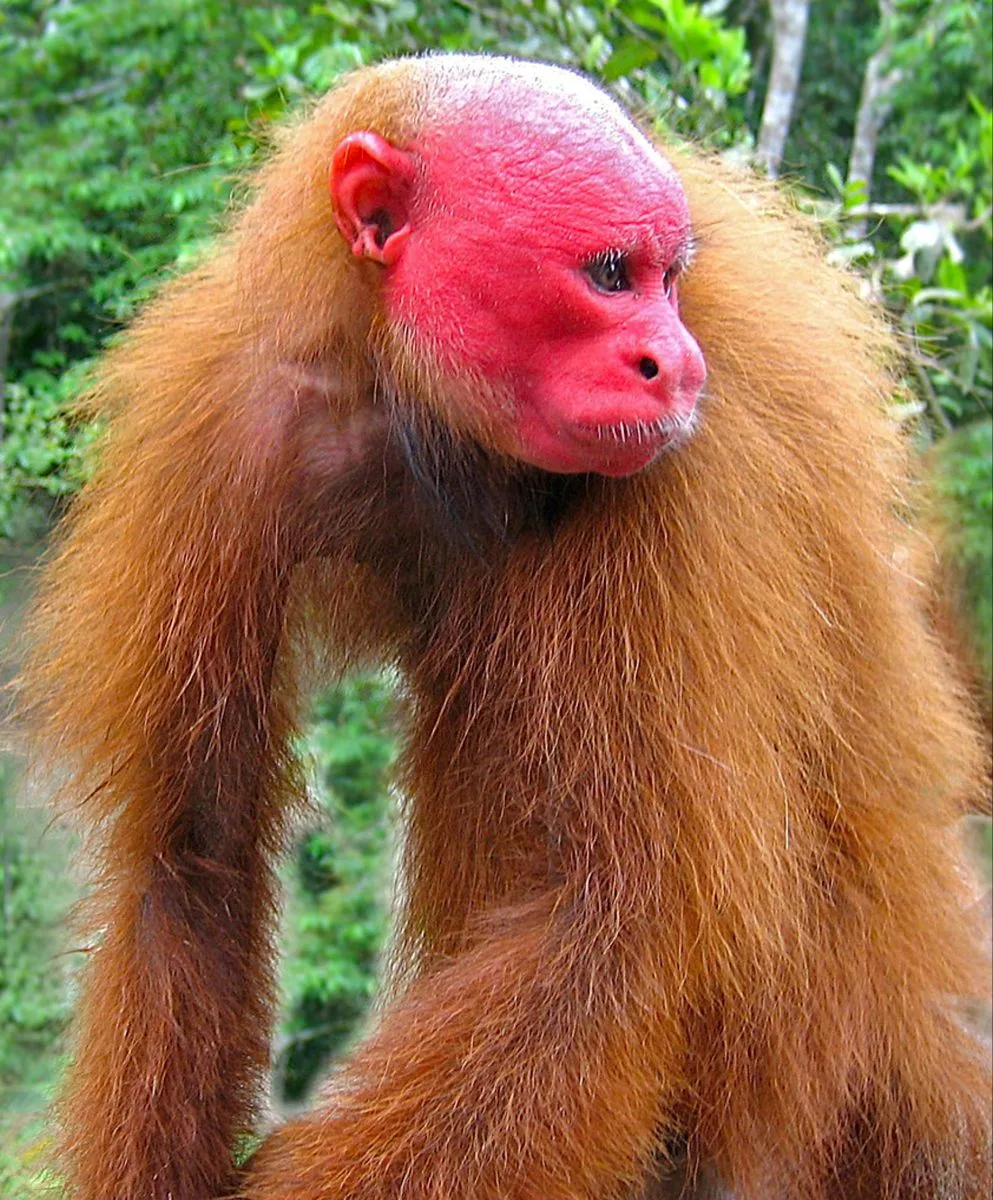
Image source: Web (Bing) / pinterest.com (Web image (fair-use with source credit))
Quick Answer
Animals that start with u include the bald uakari, the spiny-tailed uromastyx, the wild urial, and the uinta ground squirrel.
These four species span rainforests, deserts, mountains, and meadows. Each one is distinct in appearance and behavior.
If you're building an A-Z animal list, these are the names you'll want to memorize.
Why "U" Animals Are So Hard to Find
The main reason U is a tough letter comes down to naming conventions. Many animals that "should" start with U actually use their scientific genus or a regional name instead. For example, the unau is just another name for the two-toed sloth, and the uguisu is a Japanese bush warbler.
Spelling also causes trouble. Some sources list "urial" as "oorial," and "uakari" occasionally appears with different spellings. That inconsistency makes it harder to get a straight answer from any single list.
The same issue pops up when you're hunting for wildlife starting with other letters, but U seems to have it worse.
On top of that, a large share of U-animals are restricted to small geographic ranges. The Uinta ground squirrel lives only in the mountains of the western United States. The uakari sticks to flooded Amazon forests.
If you live far from those habitats, you simply don't hear about them. Compare that to the variety you get with other letter lists, and the contrast is stark.
Then there's the conservation factor. Several U-species appear on endangered or vulnerable lists per the IUCN Red List. The urial faces habitat loss across Central Asia, and the long-wattled umbrellabird is declining in South America.
When populations shrink, fewer people learn about them, and they fade from common knowledge. Even the more familiar animal lists tend to skip them entirely.
If you're coming up empty in your search, it's not you. The species are just selective about where they show up.
The Main Event: The U-Animals You Need to Know
Now for the part you actually came for. Below are the U-animals that show up in most field guides, documentaries, and trivia nights. Each entry includes key facts you can use immediately, whether you're studying, planning a trip, or just settling a bet.
Uakari (The Bald Monkey That Looks Like It Wears a Mask)
The bald uakari is arguably the most recognizable U-animal, and for good reason. It has a bright red, bald face that looks like someone painted it on with a brush. That flush actually signals health.
Researchers have found that redder faces correspond to better immune function, so it's literally a visible fitness score.
Uakaris live in the Amazon River basin, especially in flooded forests called igapós. They're social primates that stick to large troops of 50 to 100 individuals. If you're planning a South American wildlife trip, your best chance to see one is in Peru or Brazil near the river edges.
Black-headed uakaris are a separate species, and they look dramatically different. Instead of a red mask, they have dark, almost black faces with shaggy brown coats. Spotting either kind is a moment you won't forget.
- Diet: Mostly fruit and seeds
- Size: Roughly 45 to 55 cm in length, plus a short tail
- Conservation status: Vulnerable per the IUCN
Uromastyx (The Spiky Desert Lizard That's Actually a Gentle Giant)
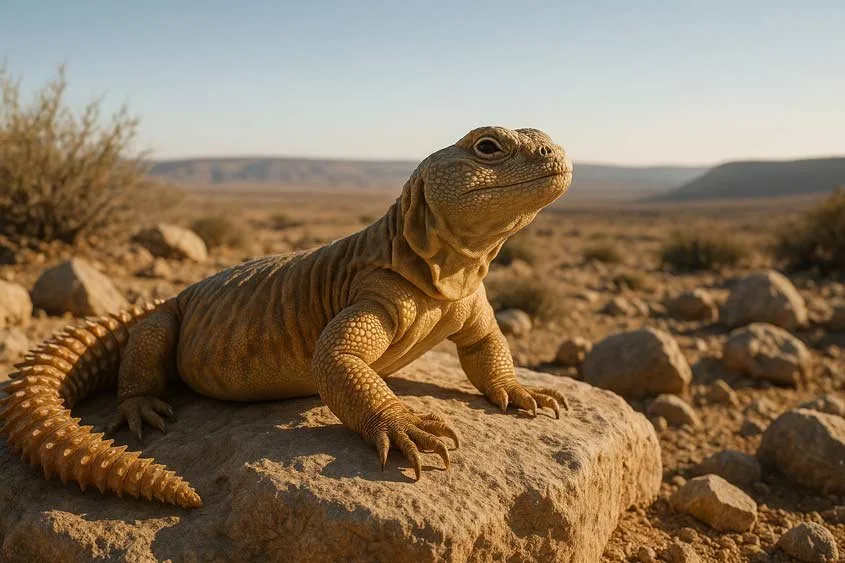
Image source: Bing (Web (fair-use with source credit))
The uromastyx is a lizard you don't expect to be gentle. It has a thick, spiky tail and a stocky body that looks built for defense. In reality, the spikes are mostly for show, and the lizard would rather retreat into its burrow than fight.
You'll find uromastyx species across North Africa, the Middle East, and parts of South Asia. They're true desert dwellers, spending the hottest hours underground and emerging to graze on vegetation. Unlike many pet lizards that eat insects, uromastyx are primarily herbivores.
If you're considering one as a pet, keep in mind their specific needs. They require high temperatures, UVB lighting, and a mostly plant-based diet. Aggregate reviews from reptile enthusiasts indicate they can live 15 to 20 years in captivity with proper care.
- Diet: Greens, seeds, occasional vegetables
- Size: Up to 75 cm depending on species
- Lifespan: 15 to 20 years in captivity
Urial (The Wild Sheep With the Dramatic Horns)

Image source: Web (Bing) / wallpapers.com (Web image (fair-use with source credit))
The urial is a wild sheep that looks like it stepped out of a mountain painting. Males carry large, sweeping horns that curl outward and back, sometimes reaching impressive lengths. Their coats shift from reddish-brown in summer to a grayer shade when the weather turns cold.
Urial populations stretch from eastern Iran through Afghanistan, Pakistan, and into parts of Central Asia. They prefer rocky slopes and grassy highlands, where they're well adapted to steep terrain. If you're heading to the Himalayas or the Hindu Kush, keep binoculars handy around dawn and dusk.
Like many wild sheep, the urial faces pressure from hunting and habitat loss. The species is listed as vulnerable, with some subspecies doing worse than others. Conservation efforts in protected areas have shown positive signs, but the numbers still need attention.
Uinta Ground Squirrel (The One You Might Actually See in Your Backyard)
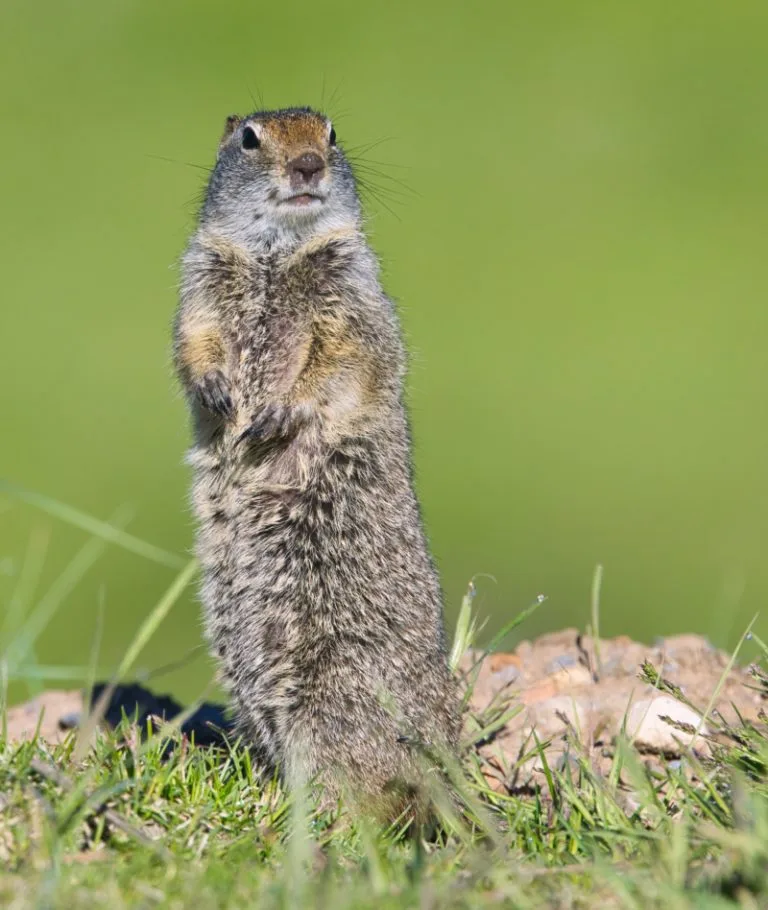
Image source: Web (Bing) / stevecreek.com (Web image (fair-use with source credit))
Here's the U-animal you're most likely to spot without any special travel plans. The Uinta ground squirrel lives in the western United States, especially around the Rocky Mountains, Utah, Wyoming, and parts of Montana. It favors meadows, sagebrush flats, and even suburban lawns.
These squirrels are small, roughly 25 to 30 cm long, with grayish-brown fur and a bushy tail. They're diurnal, meaning they're active during the day, which makes them easy to observe. In the summer, you'll see them standing upright on their hind legs, scanning for predators.
One interesting behavior: they hibernate for up to nine months of the year. That's right, these little guys disappear for most of the year and only emerge for a short active window in spring and early summer.
- Diet: Seeds, grasses, insects
- Active season: Typically spring through mid-summer
- Conservation status: Least Concern
Umbrellabird (The Bird With the Built-In Display)
The umbrellabird is a sight you won't forget. Males carry a crest of feathers that folds over their beak like an umbrella, and they also have a long, inflatable wattle hanging from their chest. During mating displays, the wattle extends and the bird makes a loud, booming call.
There are three species, including the Amazonian and long-wattled umbrellabirds. They live in humid rainforests from Colombia down to Bolivia. Birdwatchers consider them a major find because they're quiet, stay high in the canopy, and blend into the leaves.
- Habitat: Lowland and foothill rainforests
- Diet: Fruit and small vertebrates
- Conservation status: Vulnerable for the long-wattled species
Ulysses Butterfly (The Bright Blue Stunner)
If you need proof that U-animals can be gorgeous, look at the Ulysses butterfly. Native to Australia and nearby islands, this insect has bright electric blue wings with black edges. Against the green rainforest, that blue stands out like a neon sign.
The species is also called the blue mountain butterfly. It's large, with wingspans around 12 to 14 cm. You'll often see it near its host plant, the pink euodia tree, where females lay eggs.
From a trivia perspective, the Ulysses butterfly is one of the few U-insects people actually know by name. It's a great answer for anyone trying to extend their animal list beyond vertebrates.
Uguisu (The Bird That Defines a Japanese Forest)
In Japan, the uguisu holds a special place in culture. Also called the Japanese bush warbler, this small bird is famous for its distinctive call, which sounds like "ho-hokekyo." That song is so iconic that it's used in Japanese music, poetry, and even as a traditional alarm clock in older films.
Uguisus are olive-brown and fairly plain-looking, which makes their voice all the more impressive. They're resident birds in Japan, though some populations migrate short distances for winter. You'll hear them in parks, forests, and gardens across the country.
Fun fact: the name "uguisu" also refers to a green color in Japanese, derived from the bird's plumage.
Utonagan (The Dog That Looks Like a Wolf)
The Utonagan is a relatively recent dog breed, developed in the United Kingdom in the 1980s and 1990s. Breeders crossed Siberian Huskies, Alaskan Malamutes, and German Shepherds to create a dog that looks like a wolf but behaves like a family pet.
These dogs are large, typically 55 to 70 cm at the shoulder, with thick coats and a strong, athletic build. They're known for being intelligent, loyal, and generally good with children when socialized early.
One thing to watch: because they resemble wolves, some regions have restrictions on ownership. Check your local laws before bringing one home. They also need a lot of exercise, so they're not ideal for apartment living.
The Obscure but Real: Lesser-Known U-Animals
Beyond the headline names, there's a short list of lesser-known U-animals that round out the alphabet set. These won't make it into most children's books, but they're still legitimate entries.
- Unau: Another name for the two-toed sloth, mostly used in older texts.
- Ucayali spiny mouse: A small rodent from the Amazon region of Peru.
- Uinta chipmunk: A close relative of the ground squirrel, also found in the western U.S.
- Uaru: A cichlid fish from South America, often kept in aquariums.
| Animal | Type | Region | Conservation Status |
|---|---|---|---|
| Unau (two-toed sloth) | Mammal | Central & South America | Least Concern |
| Ucayali spiny mouse | Rodent | Amazon, Peru | Data Deficient |
| Uinta chipmunk | Rodent | Western U.S. | Least Concern |
| Uaru | Fish | Amazon basin | Not Evaluated |
These may not be famous, but they fill out the list when you need more than the usual answers. They also show how diverse the letter U really is across the animal kingdom.
Fast Facts and Data: Size, Diet, and Conservation Status at a Glance
If you're in a hurry or just need quick reference numbers, this table sums up the main U-animals we've covered. It's also handy for school projects or settling arguments at trivia night.
| Animal | Type | Size | Diet | Status |
|---|---|---|---|---|
| Bald Uakari | Primate | 45-55 cm | Fruit, seeds | Vulnerable |
| Uromastyx | Lizard | Up to 75 cm | Herbivore | Varies by species |
| Urial | Wild sheep | 90-110 cm body | Grasses | Vulnerable |
| Uinta Ground Squirrel | Rodent | 25-30 cm | Seeds, insects | Least Concern |
| Umbrellabird | Bird | 35-50 cm | Fruit, small prey | Vulnerable |
| Ulysses Butterfly | Insect | 12-14 cm wingspan | Nectar | Least Concern |
| Uguisu | Bird | 14-16 cm | Insects, berries | Least Concern |
| Utonagan | Dog | 55-70 cm at shoulder | Carnivore | N/A |
One thing to keep in mind: conservation statuses change. The IUCN updates its assessments regularly, so a status of Vulnerable today could shift to Endangered or recover to Near Threatened in a few years. Always check the latest data if you're writing a report or making a case for conservation funding.
Also, size ranges vary within species. The uromastyx genus alone includes more than a dozen species, and some stay under 30 cm while others push past 70 cm. Same goes for the urial, which has several subspecies with different horn structures and coat colors.
Treat these numbers as general guides, not absolute rules.
Mistakes to Avoid When Researching U-Animals
Getting your list of animals that start with u right takes a little patience. Here are the most common pitfalls we see when people research this topic.
- Trusting a single source blindly. Some lists lump subspecies together, while others skip them entirely. Cross-check at least two reliable sources.
- Confusing similar-sounding species. The uakari and urial start with the same letter, but they couldn't be more different. One is a monkey, the other a sheep.
- Ignoring conservation status changes. The IUCN updates its assessments regularly. A species that was stable five years ago might be endangered now.
- Forgetting regional names. The unau (two-toed sloth) and uguisu (Japanese bush warbler) often get missed because they're known by different common names in different areas.
How to Use This List: Trivia, School Projects, or Just Curiosity
This list can serve different purposes depending on what you need. For trivia night, commit the bald uakari and the urial to memory. They're the most common answers that trip people up.
For school projects, focus on the ones with interesting adaptations. The uromastyx has a spiky tail that is mostly defensive display. The umbrellabird has a wattle that inflates during mating.
These details make for memorable presentations.
If you're building a full A-Z reference, use this guide alongside our other letter breakdowns. You can check our wildlife starting with other letters for a broader picture, or see how the earlier alphabet sections compare in variety. And if you're just curious about nature, use this list to plan a wildlife-watching trip or a documentary binge.
Going Deeper: Conservation Status and Where to See Them in the Wild
If you want to see these animals in person, your best bets depend on where you're headed. For the bald uakari, plan a trip to Peru's Manu National Park or the Mamirauá Reserve in Brazil. Both areas support healthy populations.
The urial requires a journey to Central Asia. Pakistan's Chitral Gol National Park and India's Dachigam National Park are reliable spots. Local guides know where the herds move with the seasons.
Even the uromastyx has prime viewing locations. The rocky deserts of Jordan, especially around Wadi Rum, have active populations that emerge in the morning.
For accurate, up-to-date conservation data, check the IUCN Red List. It's the official source scientists use to track species health worldwide.
Frequently Asked Questions
Are there any animals that start with U besides the uakari?
Yes, there are several. The uromastyx lizard, urial wild sheep, uinta ground squirrel, and umbrellabird are all solid examples. You'll also find the Ulysses butterfly and the uguisu bird.
Is a uromastyx a good pet for beginners?
Not exactly. They need high heat, UVB lighting, and a strict plant-based diet. Owner reviews indicate they thrive with experienced reptile keepers.
If you're new to reptiles, start with a more forgiving species.
Where can I see a uinta ground squirrel?
You'll find them in the western United States. Utah, Wyoming, and parts of Montana are their main range. Look for them in meadows and sagebrush areas during spring and early summer.
What does a bald uakari look like?
It has a bright red, bald face and a shaggy reddish-brown coat. The red coloring signals health, and they're about the size of a small house cat.
Why is the urial population declining?
Habitat loss and hunting are the main pressures. They also compete with domestic livestock for grazing land. Conservation areas in Pakistan and India are working to protect them.
Final Verdict: Which U-Animal Deserves Your Attention?
If you're picking one favorite, the bald uakari takes the crown. Its unmistakable face makes it unforgettable, and its conservation story highlights the value of rainforest protection. For something closer to home, the uinta ground squirrel is a delight to watch even in your own backyard.
Both answers will serve you well on trivia night and in real conversations about wildlife.