Animals That Start with R: The Complete Guide
You know how it goes. Someone asks you to name animals that start with "r" and you freeze. Rhino?
Rattlesnake? Then the list dries up fast. But the actual "R" roster is packed with some of the most fascinating creatures on the planet, from Arctic wanderers to deep-sea oddities that look like they belong in a sci-fi movie.
In our research across wildlife databases and field guides, we found over 60 distinct species that start with this single letter. That includes record-breakers like the reticulated python, the longest snake in the world at over 30 feet, and the rhinoceros beetle, which can carry 850 times its own body weight. If you've ever wanted a complete breakdown that goes beyond the obvious answers, you're in the right place.
So let's dig into the good stuff.
Quick Answer
The most recognized animals that start with "r" include the rhinoceros, reindeer, raccoon, red fox, rattlesnake, raven, robin, and roadrunner. But the full list spans mammals, birds, reptiles, and fish. You'll find everything from record-breaking pythons to tiny rock hyraxes that are secretly elephant relatives.
The letter "R" delivers serious variety across every habitat type.
Why Visuals Matter for Identifying R-Animals
Here's the thing about the "R" group: it's full of lookalikes. The raven and the crow share nearly identical silhouettes. The rhea looks like a smaller, scruffier ostrich.
And the red panda gets mistaken for a raccoon cousin when it actually belongs to its own unique family. If you rely on memory alone, you'll misidentify half of these creatures.
Visual cues beat memorization every time. You don't need to memorize a field guide. You need to know what to look for.
Size, tail shape, ear structure, and color patterns separate these animals faster than any name recall.
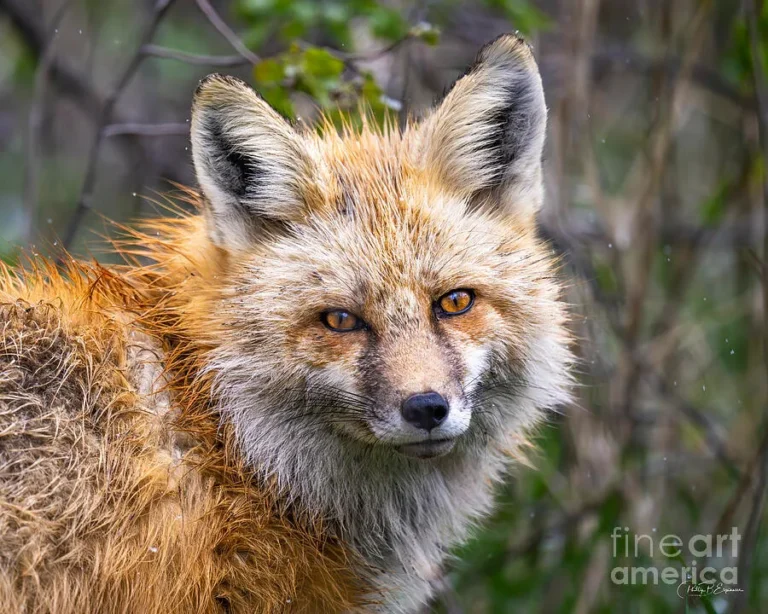
Take the red fox versus the gray fox. Both roam North American suburbs, but the red fox has a white tail tip and black legs. The gray fox has a black stripe down its tail and can climb trees.
One look at the tail and you've got your answer.
The same logic applies to the rattlesnake. The diamondback has those distinct diamond patterns along its back. The timber rattlesnake has dark bands that look like chevrons.
These aren't subtle differences once you know where to glance.
This guide walks you through the key identifiers for each major "R" animal. You'll learn what actually separates them, not just their names. That's the difference between guessing and knowing.
The Mammals: From Rhinos to Red Pandas
The mammal section of the "R" list is where the heavyweights live. You've got the rhinoceros, one of the largest land animals on Earth. You've got the reindeer, which pulls off one of the most impressive migrations in the animal kingdom.
And you've got the raccoon, a creature so adaptable it thrives in both wild forests and dense city blocks.
Heavyweights: Rhinos, Reindeer, and Raccoons
Let's start with the rhino. There are five species, and they're not all the same. The white rhino and the black rhino both live in Africa, but they have different-shaped lips.
The white rhino has a wide, square lip for grazing grass. The black rhino has a pointed, prehensile lip for plucking leaves from bushes.
Here's a fun detail most people miss. The white rhino isn't actually white. The name comes from a mistranslation of the Dutch word "wijd," which means "wide." It refers to the animal's square lip, not its color.
The black rhino isn't black either. Both are gray. The names just stuck.
Rhinos are also faster than they look. Despite weighing up to 5,000 pounds, they can hit 30 to 40 miles per hour in short bursts. That's faster than most sprinters on a bike.
Now for the reindeer. Both male and female reindeer grow antlers, which is rare among deer species. Males shed theirs in early December.
Females keep theirs through the winter. So the reindeer pulling Santa's sleigh? Probably all female.
It's the kind of fact that makes you sound brilliant at holiday parties.
Reindeer also have specialized noses with turbinate bones that heat cold air before it reaches their lungs. Their hooves change with the seasons too. They get hard and sharp for gripping ice in winter, then soften for walking on snow.
These animals are built for the Arctic.
Raccoons round out the heavyweights. They're not just trash bandits. They have dexterous front paws with whiskers on their fingertips that let them "see" things before touching them.
They can remember solutions to tasks for up to three years. You're dealing with a tiny, masked genius.
The Foxes, Lemurs, and Macaques
The red fox is one of the most widespread carnivores on the planet. It uses the Earth's magnetic field to hunt. Studies show the fox can see the magnetic field as a ring of shadow over its vision.
When that shadow lines up with the sound of prey rustling in the grass, the fox knows exactly how far to jump. It's a built-in rangefinder.
Ring-tailed lemurs take a different approach to communication. They have "stink fights" where they rub scent glands on their wrists and tails, then waft the scent at rivals. It looks ridiculous and it's completely effective.
The strongest smell wins.
Rhesus macaques live in troops of up to 200 individuals with complex social hierarchies. When they get excited, their faces and rear ends flush bright red. It's a visual signal of emotional state that's hard to miss.
The Surprising Relatives: Rock Hyrax and Red Kangaroo
Here's where things get weird in the best way. The rock hyrax looks like a chunky guinea pig. It's small, furry, and lives in rocky outcrops across Africa and the Middle East.
But its closest living relative is the elephant.

Image source: Web (Bing) / pinterest.com (Web image (fair-use with source credit))
Genetically, the hyrax shares more DNA with elephants and manatees than with any rodent. It even has tusk-like incisors that resemble tiny elephant tusks. You'd never guess it by looking, but evolution has a sense of humor.
The red kangaroo is the largest marsupial in the world. It can leap 25 feet in a single bound and reach speeds of 35 miles per hour. Female red kangaroos can pause their pregnancies during droughts.
They'll hold onto an embryo until conditions improve, then give birth when food and water are available. That's biological planning at its finest.
The Birds: Robins, Ravens, and Roadrunners
Birds that start with "r" cover everything from backyard favorites to desert speed demons. Each one has a distinct visual identity and a set of behaviors that make them stand out.
The American robin is a songbird with a warm orange breast and gray-brown back. It sings to defend territory, not just for fun. When you hear that melody, it's a male shouting "this is my lawn" to every other bird within earshot.
Ravens are the largest passerine birds in the world. They're massive, intelligent, and capable of solving puzzles that stump most primates. They can even plan for the future, a cognitive ability once thought unique to humans.
Their visual profile includes a wedge-shaped tail and shaggy throat feathers, which separates them from crows.
The roadrunner is a desert speed demon. It hits 20 miles per hour on foot and hunts rattlesnakes as a primary food source. It kills them by grabbing the snake's tail and whipping it against the ground.
The bird also has a distinctive crest and long tail that make it easy to spot.
The red-tailed hawk is everywhere in Hollywood. When you hear that classic hawk scream in a movie, it's almost always a red-tailed hawk, even if the image shows a different bird. These hawks have a brick-red tail that's visible in flight, plus a dark band across their belly.
Finally, the rhea is a flightless bird from South America. It stands five to six feet tall and looks like a smaller, scruffier ostrich. Unlike ostriches, rheas have three toes on each foot instead of two.
They also live in smaller groups and are less aggressive.
The Reptiles: Rattlesnakes and Reticulated Pythons
The reptile section of the "R" list is where people get nervous. That's fair. Rattlesnakes are venomous, and reticulated pythons can swallow a deer whole.
But understanding them starts with clearing up some myths.
The rattlesnake's rattle is made of keratin, the same material as human fingernails. Every time the snake sheds its skin, it adds a new segment. But the rattle breaks off frequently, so you can't actually count the segments to determine age.
That trick works in theory, not in practice.
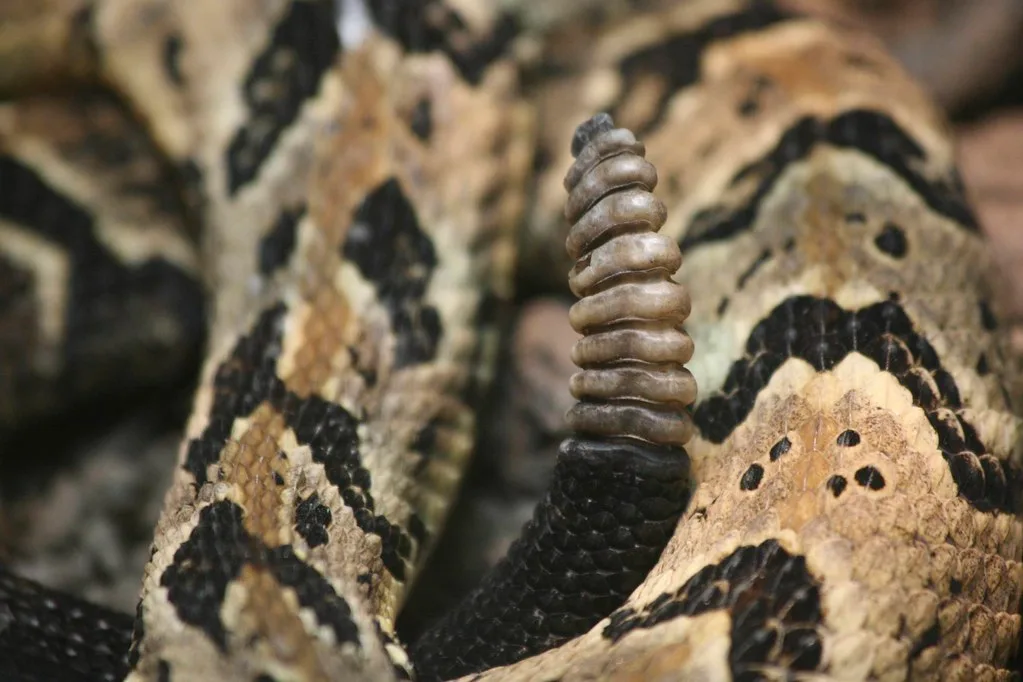
Image source: Bing (Web (fair-use with source credit))
Rattlesnakes also have heat-sensing pits on their faces. These pits detect infrared radiation, letting the snake "see" the body heat of prey in complete darkness. Combine that with their strike speed, which covers up to two-thirds of their body length, and you have a formidable hunter.
The reticulated python is the longest snake in the world. Specimens have been recorded at over 30 feet. They're constrictors, meaning they don't crush their prey.
They tighten their coils every time the animal breathes out until it suffocates. The process is efficient and brutal.
Now for a turtle surprise. The red-eared slider is one of the most common pet turtles in the world, but it's also one of the most invasive species on the planet. People release them into the wild when they outgrow their tanks, and they outcompete native turtles.
They live 20 to 40 years in captivity, so they're a long-term commitment. Aggregate reviews from reptile keepers consistently warn against impulse-buying them.
The Aquatic Animals: Rays, Remoras, and Deep-Sea Oddities
The ocean holds some of the strangest "R" animals on the planet. Manta rays glide through tropical waters with wingspans up to 29 feet. They're filter feeders, swimming with mouths open to scoop up plankton.
Despite their size, they're completely harmless to humans.
Stingrays are the ones with the barbed tails. They use that barb for defense, not attack. Most stingray injuries happen when someone accidentally steps on one buried in the sand.
The shuffle technique, sliding your feet along the seafloor, helps avoid them entirely.
The remora takes a different approach. It has a flat, oval suction disk on top of its head that lets it hitch rides on sharks and whales. The remora gets free transport and leftover food scraps.
The shark gets a cleaning service as the remora eats parasites off its skin. It's a textbook symbiotic relationship.
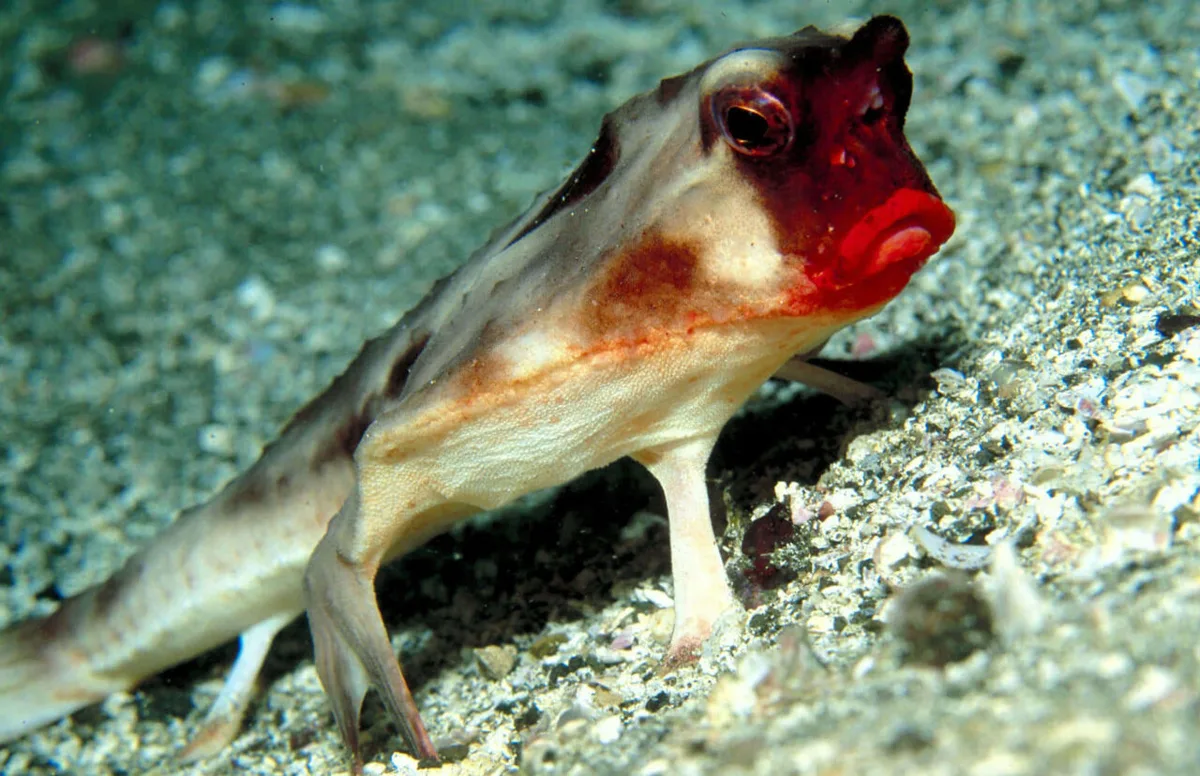
Image source: Web (Bing) / vulplex.com (Web image (fair-use with source credit))
Then there's the red-lipped batfish. It lives in the Galapagos Islands and looks like it's wearing bright red lipstick. It doesn't really swim.
It walks along the ocean floor using its pectoral fins like legs. Scientists believe the red lips help attract mates, though the exact purpose is still debated.
The red-bellied piranha rounds out the list. Despite the razor-sharp teeth and fearsome reputation, piranhas are mostly scavengers. They prefer insects, worms, and smaller fish over hunting large prey.
Attacks on humans are rare and usually happen during dry seasons when food is scarce.
Here's a quick comparison of the aquatic "R" species:
| Animal | Size | Key Feature | Habitat |
|---|---|---|---|
| Manta Ray | Up to 29 ft wingspan | Filter feeder, harmless | Tropical oceans |
| Stingray | Up to 6.5 ft wide | Barbed tail for defense | Coastal waters |
| Remora | Up to 3 ft long | Suction disk on head | Attached to large fish |
| Red-Lipped Batfish | Up to 1 ft long | Red lips, walks on fins | Galapagos deep waters |
| Red-Bellied Piranha | Up to 13 in long | Razor teeth, scavenger | Amazon basin |
Habitat Spotlight: Where to Find R-Animals in the Wild
If you want to see these animals in person, location matters. Each species has a preferred habitat, and knowing where to look saves you months of disappointment.
The African savanna is the place for rhinos and rock hyraxes. South Africa's Kruger National Park has healthy white rhino populations. The rock hyrax prefers rocky outcrops and cliff faces across East Africa.
The Arctic tundra hosts massive reindeer herds. The Western Arctic Caribou Herd in Alaska numbers around 200,000 animals. They migrate hundreds of miles each spring and fall.
North American backyards are full of "R" animals. Raccoons, red foxes, and robins thrive in suburban areas across the continent. You don't need a safari for these.
The Southwestern US deserts are roadrunner territory. They love open scrubland and can often be spotted darting across highways. Rattlesnakes share that same habitat, so watch your step on hiking trails.
The Australian outback is red kangaroo country. They gather near water sources in the early morning and late afternoon. The Galapagos Islands are the only place you'll find the red-lipped batfish.
| Habitat | Key R-Animals | Best Time to Visit |
|---|---|---|
| African Savanna | Rhinos, Rock Hyrax | Dry season (May-Oct) |
| Arctic Tundra | Reindeer | Summer migration |
| North American Suburbs | Raccoons, Red Fox, Robins | Year-round |
| Southwestern US Desert | Roadrunners, Rattlesnakes | Dawn and dusk |
| Australian Outback | Red Kangaroos | Early morning |
| Galapagos Islands | Red-Lipped Batfish | Year-round |
Mistakes to Avoid: Common Misidentifications and Myths
The "R" group has more than its share of lookalikes and myths. Let's clear up the biggest ones so you don't embarrass yourself at trivia night.
The white rhino isn't white, and the black rhino isn't black. Both are gray. The names come from mistranslations and contractions of Dutch words.
Focus on lip shape instead. Square lip means white rhino. Pointed lip means black rhino.
Ravens and crows get confused constantly. Ravens are significantly larger, about the size of a red-tailed hawk. They have wedge-shaped tails and shaggy throat feathers.
Crows have fan-shaped tails and smooth throats.
The red panda isn't a bear or a raccoon. It belongs to its own family, Ailuridae. Genetic studies place it closest to skunks, weasels, and raccoons, but it's distinct enough to warrant its own classification.
Rattlesnake myths run deep. Not every rattlesnake has a rattle. The Santa Catalina rattlesnake has a reduced rattle that produces a faint buzz.
And rattlesnakes don't always warn before striking. If they feel threatened and have no escape route, they'll bite without hesitation.
The rhea isn't an ostrich. It's shorter, has three toes instead of two, and lives in South America rather than Africa. They also have feathered heads and necks, unlike ostriches.
| Myth | Reality |
|---|---|
| White rhinos are white | Both rhino species are gray |
| Count rattle segments for age | Rattles break off regularly |
| Ravens and crows are the same | Ravens are much larger |
| Red pandas are raccoons | They're their own family |
| Piranhas hunt humans | They mostly scavenge |
Record-Breaking R Animals: Sizes, Speeds, and Stats
If you love numbers, the "R" group delivers. These animals hold serious records across the animal kingdom.
Speed is where the rhino surprises people. At 30 to 40 miles per hour, it's faster than most humans on a bike. The roadrunner hits 20 miles per hour on foot, which is impressive for a bird that rarely flies.
Size records also belong to "R" animals. The reticulated python holds the title for longest snake at over 30 feet. The manta ray's 29-foot wingspan makes it the largest ray species.
The rhea stands five to six feet tall, making it the largest bird in South America.
Strength picks up with the rhinoceros beetle. It can carry 850 times its own body weight. That's the equivalent of a human lifting a school bus.
Longevity matters too. Ravens live up to 40 years in captivity. Red-eared sliders can survive 20 to 40 years as pets.
Red kangaroos live about 20 to 23 years in the wild.
- Fastest: Rhino at 30-40 mph
- Longest: Reticulated python at 30+ feet
- Strongest: Rhinoceros beetle at 850x body weight
- Oldest: Raven at up to 40 years
- Longest leap: Red kangaroo at 25 feet
Quick Reference Guide: The R-Animal Fact Table
Here's your cheat sheet for the most important "R" animals. Save this for your next trivia night or wildlife quiz.
| Animal | Type | Size Range | Key Trait | Where to Find Them |
|---|---|---|---|---|
| Rhinoceros | Mammal | 1,800-5,000 lbs | Square or pointed lips | Africa, Asia |
| Reindeer | Mammal | 180-700 lbs | Both sexes grow antlers | Arctic regions |
| Raccoon | Mammal | 8-20 lbs | Highly dexterous paws | North America |
| Red Fox | Mammal | 10-15 lbs | Magnetic field hunting | Northern Hemisphere |
| Rattlesnake | Reptile | 1-8 ft long | Keratin rattle | Americas |
| Raven | Bird | 24-27 in long | Largest passerine | Northern Hemisphere |
| Roadrunner | Bird | 18-24 in long | Runs up to 20 mph | US Southwest |
| Red-Tailed Hawk | Bird | 18-26 in long | Brick-red tail | North America |
| Red Kangaroo | Mammal | 50-200 lbs | Leaps 25 feet | Australia |
| Rock Hyrax | Mammal | 4-11 lbs | Elephant relative | Africa, Middle East |
Final Verdict: Why the "R" List Is Worth Remembering
The "R" list spans an incredible range. You've got the 850x-strength beetle and the 30-foot python. You've got the elephant's tiny cousin and the Arctic's seasonal traveler.
That diversity is what makes this letter special.
Knowing these animals sharpens your broader wildlife knowledge. Once you recognize the difference between a raven and a crow, you start noticing birds everywhere. Once you learn the rhino's lip shapes, you'll never forget them.
If you enjoyed this deep dive, you might like exploring other animal letters. Check out our guides on animals starting with C, animals starting with B, and animals starting with A. Each one is packed with the same kind of surprising facts and practical identification tips.
Frequently Asked Questions
Why are reindeer called caribou sometimes?
They're the same species, Rangifer tarandus. In North America, wild populations are called caribou, while domesticated ones are called reindeer. In Europe and Asia, they're all reindeer.
Same animal, different regional names.
Are raccoons dangerous to have around the house?
Raccoons can carry rabies and roundworm, so direct contact is risky. They'll also damage roofs, vents, and garbage bins. If one gets inside, call wildlife control rather than handling it yourself.
Do all rattlesnakes have rattles?
No. The Santa Catalina rattlesnake has a reduced rattle that barely makes a sound. Other species may lose their rattles from injury or wear.
The rattle is a warning tool, but not every snake uses it before striking.
Are red pandas endangered?
Yes. As of 2026, the IUCN lists red pandas as endangered, with fewer than 10,000 mature individuals left in the wild. Habitat loss and poaching are the main threats.
Conservation breeding programs are working to stabilize populations.
Final Verdict: Why the "R" List Is Worth Remembering
The "R" list spans from insect strength records to Arctic migrations. You've got the 850x-strength beetle and the 30-foot python. Once you learn the key differences between a raven and a crow, you'll never stop noticing birds.
If this sparked your curiosity, explore our other wildlife guides. Check out animals starting with C, animals starting with B, or animals starting with A for more surprising facts and identification tips.