Animals That Start with V: Fascinating Species to Know
The letter V feels like a trick when someone asks for an animal. Most people freeze up and offer a vulture or a viper, then go blank. The truth is that there are dozens of animals that start with V, spread across every continent and climate.
Some are famous, like the vampire bat, and a few are so rare you might never see one in the wild.
Take the vaquita, the tiny porpoise that lives only in the Gulf of California. Its population has dropped to fewer than ten individuals as of 2026, making it the most endangered marine mammal on the planet. That surprising depth is what makes this letter worth a closer look.
Once you start paying attention, the V list is full of creatures that defy expectations.
Quick Answer
The main animals that start with V are vultures, vampire bats, vipers, vervet monkeys, vicuñas, voles, vaquitas, and vizslas. Rarer entries include vangas, velvet worms, vinegaroons, and volcano rabbits. These species span birds, mammals, reptiles, and invertebrates.
Several are endangered, and a few are famously misunderstood.
What Does "V" Actually Look Like? (Why Visuals Matter Here)
When you're learning animal names, a bare text list only gets you so far. Visuals are what turn a name into a memory you can actually keep. Think about it: when someone says "volcano rabbit" or "vinegaroon," you can't picture it from the words alone.
You need a shape, a color, a habitat, or a size reference to anchor the idea in your head.
That's why this guide leans heavily on identifying features you can see. A turkey vulture's bald red head is instantly recognizable once you've seen it. The vaquita's dark eye patches and small dorsal fin distinguish it from every other porpoise.
A vicuña's golden-brown coat and long neck set it apart from its more common camelid cousins.
Some of these animals are regional and rare. You may never travel to the Andes or the Gulf of California. But you can still learn what they look like and why they matter.
That visual awareness is also practical. It helps you identify a vole in your backyard versus a mouse, or spot the difference between a vulture and an eagle circling overhead.
By the end of this guide, you'll have a mental image for every major V animal. You'll know which ones are dangerous, which ones are endangered, and which ones would make you the star of any trivia night. Let's start with the species you've probably heard of before.
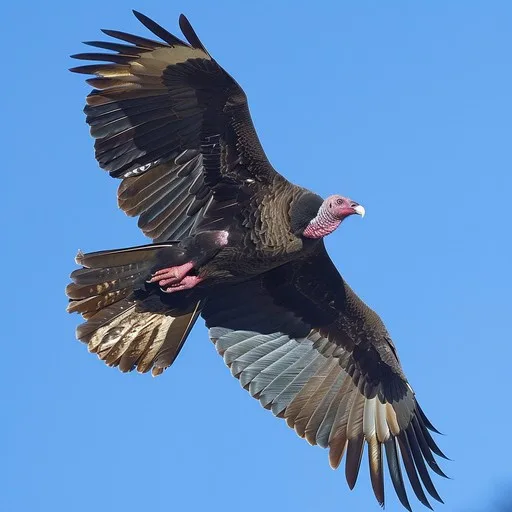
Image source: Web (Bing) / stockcake.com (Web image (fair-use with source credit))
The Hall of Famers: Animals You Already Recognize
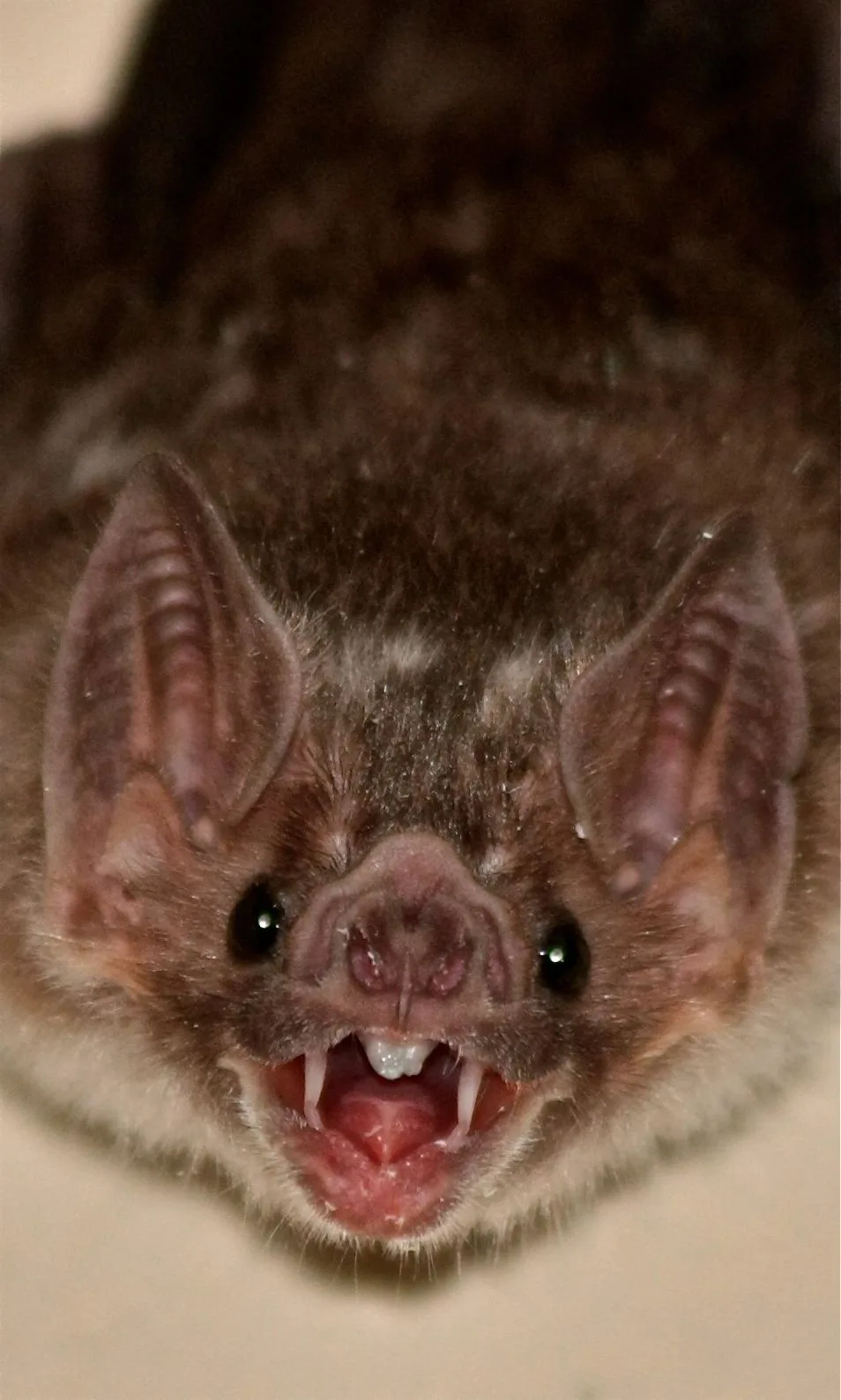
Image source: Web (Bing) / za.pinterest.com (Web image (fair-use with source credit))
These are the V animals that most people can name on the spot. But even the familiar ones have surprises hiding in their everyday habits.
Vultures: The Recyclers of the Wild
Vultures are large scavenger birds with bald heads and impressive wingspans. The turkey vulture, common across the Americas, stretches about six feet from wingtip to wingtip. The cinereous vulture, found in Europe and Asia, can reach nearly ten feet.
That is a massive bird.
their bald heads serve a practical purpose. A feathered face would trap bacteria and blood when they feed inside carcasses. Bald skin is easier to keep clean in the sun.
Vultures are nature's cleanup crew, consuming carcasses that would otherwise spread disease.
Contrary to popular belief, not all vultures circle dying animals. Many use a keen sense of smell to find fresh kills. Scientists have observed turkey vultures detecting carrion from more than a mile away.
Vampire Bats: Smaller Than You'd Think
The vampire bat gets a lot of screen time in horror movies, but the real animal is small. Its wingspan measures only about three inches, and the body is roughly the size of a human thumb. There are three species, all living in Central and South America.
The common vampire bat feeds on blood from mammals like cattle and horses. It makes a small incision, typically on the animal's leg or neck, and laps up the flow. Each feeding session lasts about 20 to 30 minutes, and the bat consumes roughly one tablespoon of blood.
The V-List All-Stars for the Trivia Night Crowd
These animals are less famous, but they pack the kind of facts that win games.
Vicuña: The Andean Gold
The vicuña is a wild camelid native to the high Andes of Peru, Bolivia, Argentina, and Chile. It's the wild ancestor of the alpaca, and it produces one of the finest natural fibers in the world. Vicuña wool measures about 12 microns in diameter, which is finer than cashmere.
A single vicuña yields only a few ounces of wool per shearing, and shearing happens just once every two years. That's why vicuña garments command prices in the thousands.
Voles: The Tunnel Builders
Voles are small rodents that look similar to mice, but they're stockier with shorter tails. They're found throughout North America, Europe, and Asia, often in grassy fields or gardens. A single vole can dig extensive tunnel systems, and their populations can explode quickly.
Under ideal conditions, a female vole can produce up to 17 litters in a single year. That adds up fast, which is why they're such a common pest for gardeners.
Vaquita: The Shy Porpoise
The vaquita is the smallest porpoise species in the world, measuring around five feet long and weighing up to 120 pounds. It lives only in the northern Gulf of California, near Mexico. Distinctive dark rings around its eyes and a tall triangular dorsal fin make it easy to identify.
As of 2026, fewer than ten individuals remain, putting it on the brink of extinction.
Vizsla: The Sporting Companion
The Vizsla is a hunting dog breed that originated in Hungary. It has a distinctive rust-gold coat, a lean athletic build, and an affectionate personality. Vizslas weigh between 45 and 65 pounds, standing about 21 to 24 inches at the shoulder.
They're known for their high energy levels and need for daily exercise. They're also eager to please, making them a favorite among active dog owners.
The Obscure Ones That Will Impress Your Friends
Now we're getting into the deep cuts. These are the species that make people say, "wait, that's a real animal?"
Vanga: Madagascar's Hidden Bird Family
Vangas are a family of birds found only in Madagascar. There are more than 20 species, and they come in a surprising variety of shapes and beak sizes. Some vangas have curved beaks for probing tree bark, while others have thick, hook-tipped bills for cracking insects.
One species, the sickle-billed vanga, uses its distinctive curved beak to pry insects from crevices in the bark.
How to Tell Them Apart (The Visual Cheat Sheet)
Here's a table that sums up the key visual differences between the most commonly confused V animals, and the facts you'll need to keep them straight.
| Animal | Size | Key Visual Cue | Where to Spot It |
|---|---|---|---|
| Vulture | 5-10 ft wingspan | Bald head, broad wings | Open skies, coastal cliffs |
| Vampire Bat | 3-inch wingspan | Small body, pointed ears | Central and South America |
| Vole | 5-8 inches long | Short tail, round body | Grassy fields, gardens |
| Vicuña | 3-4 ft tall | Long neck, golden-brown coat | Andean grasslands |
| Vaquita | 5 ft long | Dark eye patches, small dorsal fin | Gulf of California |
| Vizsla | 21-24 inches tall | Rust-gold short coat | Hungary, now worldwide |
Your eyes are the best tool when it comes to these animals. A vulture's bald head is the easiest giveaway in the sky. A vole's tiny tail and rounded ears separate it from a mouse's longer, thinner proportions.
The vicuña's woolly neck and small head distinguish it from the larger llama or alpaca.
If you're looking at a photo or a live specimen, always check the physical features first, then the habitat, then the behavior. That order helps you eliminate possibilities quickly.
Now that you have the visual basics down, let's move into the territory where people get confused. The look-alikes section covers the species that are most commonly mixed up, and the mistakes that even experienced wildlife watchers make.