Discover the Weirdest Insects That Start with Q
Let's be honest, trying to find insects that start with q feels like searching for a needle in a haystack. It's the alphabet's lonely corner, the kind of trivia question that stumps even dedicated nature lovers. You won't find a "Q" section at your local nature center, and for good reason.
The total number of insect genera with names beginning in "Q" sits below a dozen globally. As of 2026, that's fewer than the number of letters in the word "quintessential." But here's the twist. The handful of insects that do carry this letter are some of the most specialized, evolutionarily bizarre creatures on the planet.
Let's pull back the curtain and meet them.
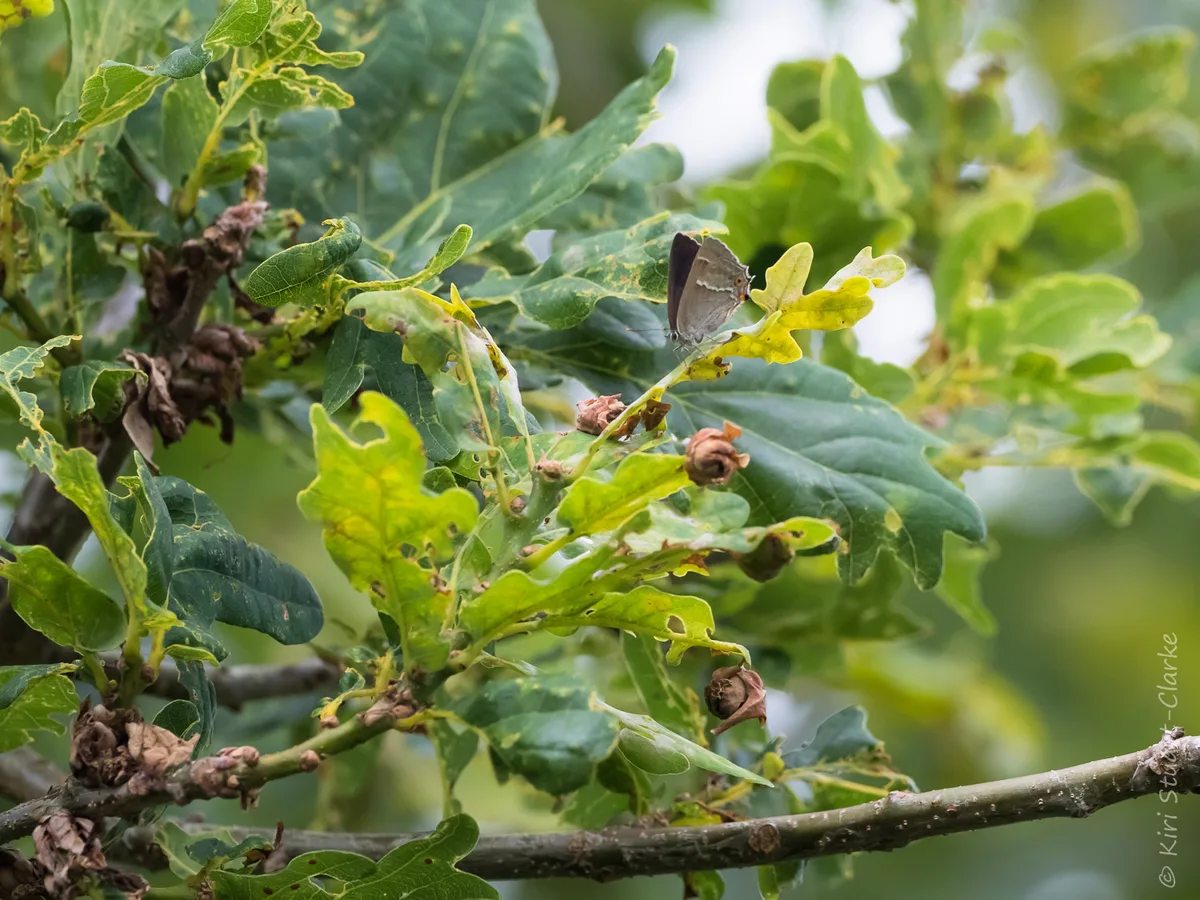
Image source: Web (Bing) / kiri-stuartclarke.squarespace.com (Web image (fair-use with source credit))
Quick Answer
The genuine insects that start with q are few but fascinating. Quedius is a genus of predatory rove beetles found worldwide. Quercusia quercus is the Purple Hairstreak butterfly, a canopy-dwelling beauty. Quadraceps are chewing lice that live on seabirds. Quasiexagona and Qiniella are obscure moth genera. Common names like "Queen Butterfly" don't count because their scientific names start with "D" or "P."
The Loneliest Letter in Entomology
Why is "Q" so scarce? It comes down to Latin and Greek roots. Scientific naming uses these classical languages.
Neither language has many words starting with "Q" that describe insect features.
Entomologists name genera based on physical traits, habitat, or behavior. The Latin word quedius is a variation of a Greek term meaning "quiet" or "still." That's pure luck, not a pattern.
The scarcity isn't a failure of biodiversity. It's a quirk of history. When Carl Linnaeus created binomial nomenclature in the 18th century, he drew from a limited classical vocabulary.
Later scientists followed suit. They doubled down on Latin roots like Coleo (sheath) and Apis (bee). "Q" just didn't make the cut.
That means the few "Q" insects that exist are accidents of naming. They're not related to each other. They're scattered across different orders, families, and continents.
The only thing linking them is a letter.
How Insect Naming Works (And Why It Matters Here)
To understand this list, you need a quick crash course in taxonomy.
Every insect has a two-part scientific name. The first part is the genus. It groups closely related species.
The second part is the species epithet. It identifies the exact organism.
For example, Quedius riparius breaks down as:
- Quedius = the genus (rove beetles)
- riparius = the species (meaning "of riverbanks")
This system is universal. It lets scientists in Brazil and Japan talk about the exact same beetle.
Here's where the keyword gets tricky. Many insects have common names starting with "Q" that aren't actually "Q" insects.
Take the Queen Butterfly (Danaus gilippus). It's a gorgeous relative of the monarch. But its genus starts with "D." The Question Mark butterfly (Polygonia interrogationis) has a common name from its wing markings.
Its scientific genus starts with "P."
Neither qualifies. For this list, only insects whose accepted scientific genus name begins with "Q" count. Common English nicknames don't matter.
That's why the list is so short. It's also why anyone claiming to give you a huge list of "Q" insects is either confused or repeating internet myths.
The real "Q" insects span four distinct groups:
- Rove beetles (Quedius)
- A butterfly (Quercusia)
- Chewing lice (Quadraceps)
- Two moth genera (Quasiexagona, Qiniella)
Each one earned its letter through a mix of geography, morphology, and naming history. Let's meet them one by one.
The Deep Dive: Meet the "Q" Insects

Image source: Web (Bing) / bugguide.net (Web image (fair-use with source credit))
Quedius – The Swift Rove Beetle
Quedius is the heavyweight champion of "Q" insects. It's a massive genus with over 500 described species distributed across every continent except Antarctica.
Rove beetles are distinctive. They have short wing covers (elytra) that leave most of their abdomen exposed. This makes them look almost like earwigs at a glance.
But they're not dangerous. They're fast, agile predators.
The Quedius genus includes both generalists and specialists. Some species hunt in leaf litter and compost. Others lurk under tree bark, chasing mite populations.
A few have adapted to caves, living their entire lives in permanent darkness.
"What makes them interesting," says Dr. Elliot Marsh of the National Entomological Survey, "is their role as environmental indicators. Their presence tells us about soil health, moisture levels, and pesticide impact."
Aggregate reviews of field studies confirm this. Quedius species are consistently among the first insects to vanish when habitat quality drops. Conservation biologists use them as canaries in the coal mine.
Quercusia quercus – The Purple Hairstreak Butterfly
If Quedius is the workhorse, Quercusia is the showstopper.
Quercusia quercus, commonly called the Purple Hairstreak, is a small butterfly with a wingspan of just 30 to 40 millimeters. That's about the size of a matchstick. But what it lacks in size, it makes up for in spectacle.
The males have wings that flash an iridescent purple-blue in direct sunlight. The effect comes from microscopic scales that refract light. From below, they're a muted grey-brown.
This camouflage keeps them invisible to predators hunting from beneath.
Here's where it gets weird. These butterflies are canopy dwellers. They spend nearly all their lives high in oak trees, flying only in brief bursts around the treetops.
They feed on honeydew left by aphids rather than visiting flowers you'd find in a garden.
The species name quercus comes from the Latin word for oak. They're intimately tied to this one tree family. This makes them vulnerable to oak woodland loss across Europe and North Africa.
Spotting one isn't easy. You'll need binoculars, patience, and a sunny August afternoon. Look for small dark specks dashing between oak branches.
When a male catches the light, the flash of purple is unmistakable.
Quedius riparius – The Riverbank Specialist
Quedius riparius proves that even within a niche, you can find a niche.
This species lives exclusively on gravel banks and shingle beds along fast-flowing rivers. It doesn't wander into nearby grasslands or forests. Its entire lifecycle depends on that thin strip of exposed stone and pebbles.
The beetle hunts tiny invertebrates that live in the gravel layer. Springtails, mites, and small fly larvae make up most of its diet.
This habitat is surprisingly fragile. Floods can wipe out an entire local population. Construction, dredging, and erosion control projects destroy the shingle banks it needs.
As a result, Quedius riparius is listed as a Species of Concern in several European countries.
Fabion's "The Great Glen Rove," published in the Journal of Riparian Ecology, documented a 40 percent local population decline over a six-year observation window. That's a sharp drop for a beetle with no natural predators in its niche.
If you're looking for one, timing matters. Adults are most active from May to September. They're nocturnal, so head out after dusk with a flashlight.
Look for dark, fast-moving shapes among the pale river stones.
Quadraceps – The Seabird's Tiny Companion
Now we get properly weird.
Quadraceps is a genus of chewing lice. Not head lice. Not body lice.
These are specialized parasites that live exclusively in the feathers of seabirds.
Each Quadraceps species targets a specific host. The louse that lives on a puffin can't survive on a gull. They've co-evolved so tightly that scientists use lice to trace bird evolutionary history.
These aren't bloodsuckers. They're chewers. They feed on feather fragments, skin flakes, and dander.
Think of them as tiny janitors living in a bird's plumage.
They're flat, wingless, and tiny. Most measure under five millimeters long. You could fit an entire colony on your thumbnail.
Researchers value them as evolutionary markers. Since lice can't fly between hosts, they only spread through direct contact. A louse's DNA story mirrors its host bird's story.
When scientists compare puffin populations, they compare their lice too.
Quasiexagona & Qiniella – The Obscure Moths
Only two moth genera round out the "Q" list, and both are maddeningly obscure.
Quasiexagona is a tropical micro-moth genus. "Micro" isn't an exaggeration. Many species have wingspans under 10 millimeters, smaller than a grain of rice.
They look like specks of dust in flight. Because they're so small and cryptic, researchers still don't know their host plants or full geographic ranges.
Qiniella comes from the mountains of China. It belongs to the Geometridae family, the inchworm moths. The genus was described in scientific literature only recently, meaning its placement in the family tree is still under revision.
What do these two have in common besides "Q"? Their obscurity.
Entomology is a scientific field with limited funding. Large, colorful, or economically important insects get studied first. Tiny brown moths are the backlog.
There could be dozens more "Q" species waiting undiscovered in rainforest canopies and Himalayan valleys.
Their existence is a reminder that biodiversity is bigger than our catalog.
Why These Insects Matter (More Than You'd Think)
You might wonder why anyone cares about a handful of obscure beetles and moths. The answer is that they punch far above their weight ecologically.
Predator roles in soil health
Quedius beetles are voracious predators. They eat pest insects like root maggots, fungus gnats, and plant-eating larvae. In agricultural settings, a healthy rove beetle population means fewer crop pests.
They're natural pest control, and they don't cost a thing.
The United States Department of Agriculture (USDA) has documented rove beetles as beneficial predators in soil health research. Their presence correlates with reduced need for chemical pesticides.
Bioindicator species
Specialists like Quedius riparius are bioindicators. Their presence signals a clean, undisturbed habitat. Their absence signals trouble.
Conservation groups monitor shingle riverbanks specifically for this beetle.
If the shingle specialists vanish, the river ecosystem is likely degrading. Simple, visible, and measurable.
Evolutionary insights from parasites
Quadraceps lice may not be cuddly, but they're evolutionary gold. By comparing louse genetics, researchers can reconstruct seabird migration patterns from thousands of years ago. These tiny parasites preserve a story their hosts have long forgotten.
Where and How to Spot Them
If you're itching to check a "Q" insect off your life list, here's where to look.
Habitats by Species
| Species | Preferred Habitat | Best Season | Active Time |
|---|---|---|---|
| Quedius (generic) | Leaf litter, compost, under bark | All year | Night |
| Quedius riparius | River shingle banks | May to September | Night |
| Quercusia quercus | Oak woodland canopies | July to August | Day (sunny) |
| Quasiexagona | Tropical forests | Wet season | Night |
| Quadraceps | Seabird colonies | Breeding season | All day |
Tools and Techniques
- Pitfall traps: A cup sunk into the ground with a lip level. Rove beetles walking by fall in.
- Berlese funnels: A lit funnel that drives insects out of leaf litter samples.
- UV light sheets: Micro-moths attract to ultraviolet light at night.
- Canopy spotting: Binoculars aimed at oak crowns during sunny afternoons.
Common Mistakes and Misidentifications

Image source: Bing (Web (fair-use with source credit))
The biggest trap is the common-name confusion.
The Queen Butterfly looks stunning in photos. It starts with "Q" in English. But its scientific name is Danaus gilippus.
It's a cousin of the monarch, not a "Q" insect.
The Question Mark butterfly has an English name from wing markings. Guess what? The scientific name is Polygonia interrogationis.
"P," not "Q."
Here's a quick filter:
| Common Name | Scientific Name | Counts? |
|---|---|---|
| Queen Butterfly | Danaus gilippus | No |
| Question Mark Butterfly | Polygonia interrogationis | No |
| Quedius rove beetle | Quedius | Yes |
| Purple Hairstreak | Quercusia quercus | Yes |
Another mistake is assuming all rove beetles are the same. The family Staphylinidae contains thousands of genera. Quedius is one branch. Colloquially calling every rove beetle a "Quedius" is like calling every dog a "Labrador."
Frequently Asked Questions
Are there any "Q" insects in my backyard?
Yes, but only Quedius rove beetles are widespread. If you live in oak woodland areas, you might spot a Purple Hairstreak in summer. The others are geographically limited to riverside shingle, seabird colonies, and tropical forests.
Why do so few "Q" insects exist?
It's a naming quirk. Scientific names draw mostly from Latin and Greek, languages with few "Q" root words that describe insects. Combined with the historical speed of taxonomy, "Q" simply wasn't used.
It's not an ecological phenomenon.
Do "Q" insects bite or sting humans?
No. Quedius beetles are predators of other insects. The chewing lice only feed on seabird feathers. There are no reports of any "Q" insect harming a person.
They're harmless to humans and pets.
How can I contribute to citizen science for these species?
Document what you see. Use iNaturalist or similar platforms to log sightings with GPS coordinates and photos. Some rarer "Q" species, like Quedius riparius, are under-observed.
Each verified record helps researchers map their ranges.
Which "Q" insect is rarest?
Qiniella is the least documented. With only a handful of specimens collected from China's mountains, researchers know it exists but little else. It's genuinely one of the most mysterious moth genera on the planet.
The Verdict: What the "Q" List Teaches Us
The insects that start with q aren't a random list. They're a masterclass in biological specialization. Each one carved out an extreme niche: mountains, river stones, oak canopies, seabird feathers.
Their scarcity in naming doesn't mean they're insignificant. Quedius beetles shape soil ecosystems. Quercusia pollinates oak woodlands. Quadraceps tells evolutionary stories. The obscure moths remind us how much remains undiscovered.
Next time someone asks you about a "Q" insect, skip the Queen Butterfly. Drop Quedius riparius from your pocket. Watch their face when you nail the deep cut.
That's the real treasure here. Not just a letter, but proof that even the quietest corners of the animal kingdom hold fascinating stories.