Fish That Start With D: 12 Fascinating Species
Ever searched for fish that start with d and ended up with a pile of confusing names? You're not alone. The list is packed with species that share names, swap names across regions, and even borrow a famous cartoon character's nickname.
We've sorted through the common, the mislabeled, and the straight-up confusing to give you a practical visual guide you can actually use at the aquarium store, the fish market, or the dock.
As of 2026, there are more than 30 distinct groups of fish with common names beginning with D, ranging from the 1-inch dwarf puffer to a 6-foot dogfish shark. That's a huge spread. So let's start with a quick answer, then get into the details that actually matter.
Quick Answer: The Most Common "D Fish" You'll Actually Meet
If you're here because you want a simple list, here it is. These are the fish people most often search for, ask about, or accidentally buy. We've grouped them by water type and included the basics you need to tell them apart.
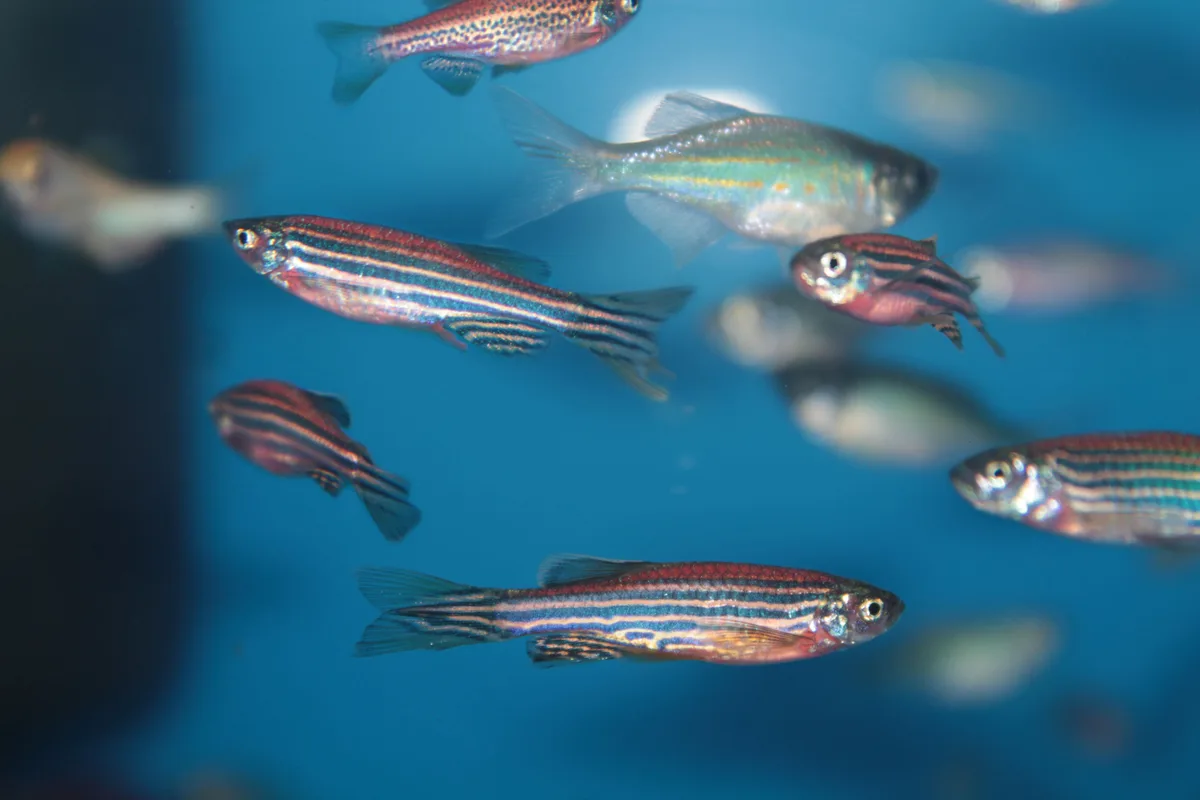
Image source: Web (Bing) / thesprucepets.com (Web image (fair-use with source credit))
| Fish | Water Type | Max Size | Care Level | Best For |
|---|---|---|---|---|
| Danio | Freshwater | 1.5–4 in | Easy | Beginners, planted tanks |
| Dwarf Gourami | Freshwater | 2–3 in | Medium | Colorful community tanks |
| Discus | Freshwater | 6–8 in | Expert | Show tanks, dedicated hobbyists |
| Damselfish | Saltwater | 2–4 in | Easy | Marine beginners, FOWLR tanks |
| Dartfish | Saltwater | 3–5 in | Medium | Peaceful reef tanks |
| Mandarin Dragonet | Saltwater | 3–4 in | Expert | Mature reef tanks with live pods |
| Dolphinfish / Mahi-Mahi | Saltwater | 3–5 ft | N/A (wild) | Anglers, seafood lovers |
The short version: danios and damsels are forgiving. Discus and dragonets are not. And if you're planning a dinner menu, mahi-mahi is the one you'll actually eat.
Why This List Is Tricky (and Why Visual ID Matters)
Here's the problem with common names: they lie. The same name can mean completely different fish in different places. And some names don't even belong to the fish people think they do.
Take "Dory." Everyone remembers the blue tang from Finding Nemo. That fish's scientific name starts with P, not D. The real common-name D-fish are a whole different crowd.
Same confusion happens with "dorado." In the Caribbean, it means mahi-mahi. In South America, it's a large freshwater fish. Neither looks like the other.
This is why our approach here leans heavily on visuals. When you can spot the body shape, fin pattern, and color scheme, the name stops mattering as much. You'll know what you're looking at, even if the local name differs.
It's the same reason our guide to reptiles that start with D focuses on photos over labels. A picture beats a name every time.
Visual Identification Guide: What to Look For Before You Name It
Before you can identify any D-fish, you need to train your eye. Start with the silhouette. It's the fastest way to narrow down what you're seeing.
Body Shape Is the First Clue
Different D-fish have completely different body architectures. Learn these four shapes and you'll recognize most of the list instantly.
- Disc-shaped: Tall, round, and compressed side-to-side. The discus is the poster child. Nothing else in the freshwater hobby looks quite like it.
- Torpedo-shaped: Long, sleek, and built for swimming. Danios, dace, and dogfish all fit this profile, though they live in very different worlds.
- Flat and broad: Flattened from side to side with big dorsal fins. This is your damselfish and dartfish territory. They're built for weaving through coral.
- Flat from top to bottom: Ground-dwellers like the dab and John Dory. Their eyes sit on top of their heads because they spend their lives lying on the seafloor.

Image source: Web (Bing) / ar.inspiredpencil.com (Web image (fair-use with source credit))
Once you've got the shape, look at the fins. A mandarin dragonet, like the one above, has a long, continuous dorsal fin that runs almost its whole back. A danio has a small, forked tail and a streamlined rear.
A damselfish has a notch between its dorsal fin and tail. These little details make identification much easier.
Color Patterns and Markings
Stripes mean schooling fish in many cases. Bars usually mean territorial fish. Heavy iridescence often means reef-dwelling species.
And bright orange-and-blue scribbles? That's almost certainly a mandarin dragonet. Use these patterns as confirmation, but never as your only clue.
Juveniles, stressed fish, and breeding males can look completely different from the photos you've seen. Spotting subtle differences is also key in our guide to mammals starting with I, where camouflage makes some species hard to distinguish at a glance.
Freshwater D-Fish: Species Profiles
Now let's meet the main players. These are the freshwater fish you're most likely to encounter in pet stores, aquariums, or local waterways.
Danios: The Hardy Starter Fish
Danios are small, active, and nearly bulletproof. The zebra danio is the most famous, with its horizontal blue and gold stripes. Giant danios reach about 4 inches and behave like little torpedoes, constantly on the move.
They're schooling fish, so plan on keeping at least five together.
Tank setup is simple. They like cooler water, anywhere from 65 to 78°F, and don't need heavy filtration. They do jump, so a tight lid is non-negotiable.
For beginners, danios are genuinely one of the easiest fish to start with. If you enjoy these alphabetical deep dives, you might also like our list of animals that start with B, which covers a similarly beginner-friendly group of creatures.
Dwarf Gouramis: Colorful but Delicate
Dwarf gouramis are stunning. They come in electric blues, flame reds, and everything between. The males display long, flowing ventral fins that look like antennae.
They only reach 2 to 3 inches, which makes them ideal for smaller tanks.
Here's the catch. The aquarium trade has a big problem with a virus called dwarf gourami iridovirus. It's widespread in commercially bred fish and often fatal.
There's no cure. Buy from a reputable source, quarantine new fish, and watch for signs like lethargy, loss of appetite, or unusual swimming. A healthy dwarf gourami can live 4 to 6 years.
A sick one might not make it through the first month.
Discus: The Challenge Fish
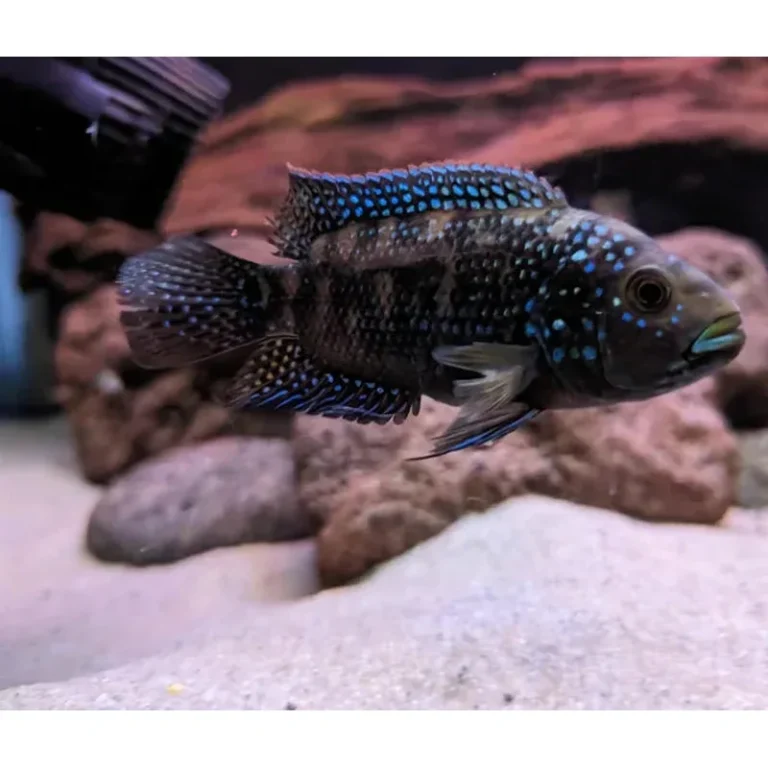
Discus are the showpieces of the freshwater world. They grow to 6 to 8 inches in diameter, display incredible color variations, and demand a lot from their keeper. They need water temperatures around 82 to 86°F, which is warmer than almost every other freshwater fish.
They also need soft, slightly acidic water and frequent partial water changes.

Image source: Web (Bing) / animalia-life.club (Web image (fair-use with source credit))
You shouldn't keep them alone either. They're shoaling fish that do best in groups of five or more, which means a 50-gallon tank is really the minimum. If you're new to fishkeeping, this is not your starter fish.
If you're ready for a challenge, the payoff is incredible. Their conservation status, per the IUCN Red List, varies by species, so it's worth checking before buying wild-caught stock.
Dwarf Cichlids and Dwarf Puffers: Big Personalities, Small Bodies
The word "dwarf" gets thrown around a lot, but it usually means one of two groups. Apistogramma cichlids are small South American fish that rarely exceed 3 inches. They're smart, curious, and show real parenting behavior. The other group is dwarf puffers, often the pea puffer, which stays under 1 inch.
They're feisty, curious, and have a ridiculous personality-to-size ratio.
Both are better for intermediate keepers than true beginners. They need clean, stable water and plenty of hiding spots. But they offer a lot of entertainment per gallon.
Comparing them to other small species is a lot like exploring animal lists starting with C, where size ranges wildly within one letter.
Dace and Darters: The Underrated Natives
If you're in North America, dace and darters are local fish you might not have considered. Dace are small minnows that thrive in cool, flowing streams. Darters are incredibly colorful, often with neon blues and greens on breeding males.
They stay small, usually 2 to 4 inches, and they're fascinating to watch.
The catch is their environment. They need cooler water and high oxygen levels, which means a strong filter and moderate current in the tank. They're not for beginners, but they're perfect for someone who wants a native biotope setup.
Many species are found in clear, rocky streams from the Southeast to the Great Lakes, so you can often observe them in the wild before trying them at home.
Saltwater D-Fish: Species Profiles
Saltwater D-fish run the gamut from tough little reef fish to open-ocean predators. Here are the ones you'll actually cross paths with.
Damselfish: Beautiful Bullies
Damselfish are the most common fish you'll see on a coral reef. They're small, colorful, and remarkably tough. That hardiness makes them a popular choice for cycling new marine tanks.
But there's a nasty side. Many damsels become fiercely territorial once they settle in. A single 3-inch damselfish can terrorize an entire community tank.
The classic blue devil damsel is gorgeous, with electric blue coloring that lights up under reef lighting. It's also one of the most aggressive fish you can buy. If you want a peaceful reef tank, skip the damsels or keep one in a species-only setup.
If you want an indestructible first marine fish, they'll survive almost anything, including beginner mistakes.
Dartfish: The Shy Gems
Dartfish are the opposite of damsels. They're peaceful, shy, and constantly on the move. The firefish is the most popular, with a white head, yellow back, and long flowing dorsal fin.
They hover in the water column and dart back into their burrows when startled. That's where the name comes from.
They do best in pairs or small groups in established reef tanks. They need places to hide and a lid, because they're notorious jumpers. They're open-mouthed carnivores that do well on small frozen foods like mysis shrimp.
Overall, they're a great choice for a peaceful marine community.
Dragonets: The Specialists
Mandarin dragonets might be the most beautiful fish in the ocean. Their swirling blue, orange, and green patterns look almost painted on. But pretty doesn't mean easy.
Wild-caught mandarins only eat live copepods, which means they need a mature reef tank with an established population of these tiny crustaceans.
They graze all day, picking pods off live rock. A healthy mandarin can decimate a tank's copepod population in a few months. That's why experts recommend a refugium to keep breeding pods going.
Some aquacultured mandarins are trained to eat frozen food, and those are much easier. Always ask about the source before you buy. This is one fish where visual beauty can quickly become a care disaster.
Dogfish: The Misunderstood Sharks
Dogfish are small sharks, typically 2.5 to 3.5 feet long. They live in temperate coastal waters and are commonly caught by anglers. The spiny dogfish gets its name from the sharp, venomous spines in front of each dorsal fin.
Those spines can cause painful wounds, so handle with caution.
They're not aquarium fish. They need huge tanks and specialized care. But they're important to understand if you're fishing.
There are strict regulations around dogfish in U.S. waters, and NOAA Fisheries tracks their populations closely. Eat them sparingly if at all, because sharks can accumulate mercury. When you catch one, check local regulations and handle it carefully.
Federal fishery managers have specific guidelines for a reason.
Dolphinfish / Mahi-Mahi: One Fish, Many Names
Dolphinfish is the official common name, but you'll hear mahi-mahi or dorado depending on where you are. The name gets confusing because it's not a dolphin. It's a large, fast, spectacularly colored fish that lives in warm oceans worldwide.

Image source: Web (Bing) / pinterest.com (Web image (fair-use with source credit))
Mature males, called bulls, can reach 5 feet and push 80 pounds. They're brilliant green, blue, and gold when alive, but fade quickly after death. This is the fish you see on menus everywhere.
It's firm, mild, and perfect for grilling. If you're fishing, they're famous for aggressive strikes and high-speed runs. They're also fast-growing, which makes them a more sustainable seafood choice than many other large fish.
Just check the label at the fish counter, because "dorado" might mean something different if you're buying imported fish.
This is where our guide to mammals that start with P comes to mind, because both lists include animals that are widely known by more than one name. It's a common theme in the natural world.