[
{"i": 1, "keep": true},
{"i": 2, "keep": true},
{"i": 3, "keep": true},
{"i": 4, "keep": true}
]
``` Two truths about picking any animal by its name. The first is that a name alone tells you almost nothing about whether that animal fits your life. The second is that the C-list in particular is absolutely loaded with options. Catfish, carp, cichlids, clownfish, cod, coho salmon, crappie, cutthroat trout, cobia. And that's just the first handful.
The good news? Once you know what you're actually looking for, the right C-fish is easy to find. For example, a corydoras catfish tops out around 2.5 inches and thrives in a 20-gallon tank.
A common pleco can hit 24 inches and needs a 75-gallon tank just to survive. Same letter, totally different responsibility. This guide breaks down every major path so you know exactly which C-fish fits your situation.
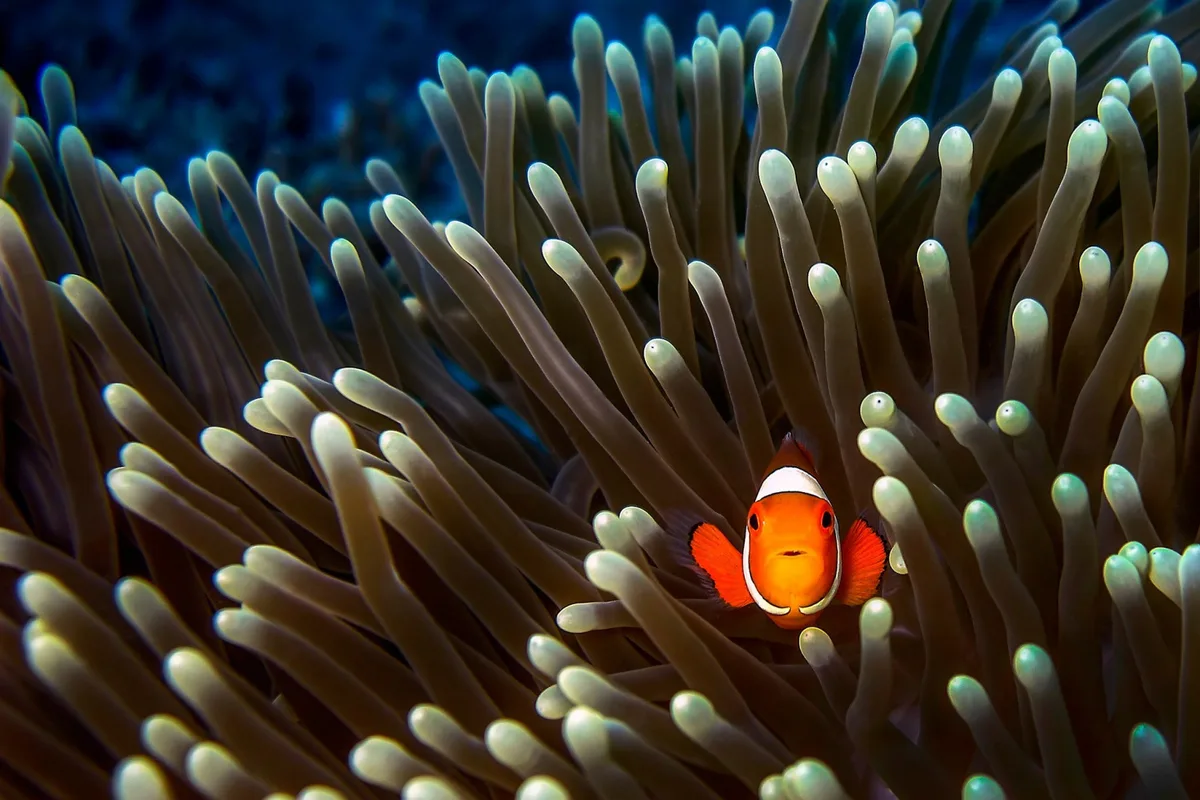
*Image source: Web (Bing) / wallhere.com (Web image, fair-use with source credit)*
## Quick Answer
Several species of fish start with C, including catfish, carp, cichlids, clownfish, and cod. The best choice depends on your goal: aquarium, eating, fishing, or general curiosity. Small C-fish like corydoras catfish suit beginners.
Large C-fish like carp need outdoor ponds. Always check adult size before buying.
<div class="writerfy-youtube-embed" style="margin:24px 0;border-radius:12px;overflow:hidden;background:#000;box-shadow:0 6px 18px rgba(0,0,0,.12);">
<div style="position:relative;padding-bottom:56.25%;height:0;overflow:hidden;">
<iframe src="https://www.youtube-nocookie.com/embed/g6bJ9wU_vxg" title="Fish Names That Starts With C" frameborder="0" allow="accelerometer; autoplay; clipboard-write; encrypted-media; gyroscope; picture-in-picture; web-share" referrerpolicy="strict-origin-when-cross-origin" allowfullscreen loading="lazy" style="position:absolute;top:0;left:0;width:100%;height:100%;border:0;"></iframe>
</div>
<div style="padding:10px 14px;background:#0f172a;color:#e2e8f0;font-size:12.5px;line-height:1.4;display:flex;align-items:center;justify-content:space-between;gap:10px;flex-wrap:wrap;">
<span style="font-weight:600;color:#f1f5f9;">Fish Names That Starts With C</span>
<span style="color:#94a3b8;font-size:11.5px;">via Hey Insights</span>
</div>
</div>
## First, Decide: Aquarium, Dinner Plate, Fishing Trip, or Curiosity?
Before you scroll through any list, stop and answer one question. What are you actually going to do with this fish?
**If you want a pet.** This is the freshwater or saltwater path. Corydoras catfish, cichlids, clownfish, and plecos all live here. Your tank size, water type, and experience level decide everything else.
**If you want dinner.** This is the cod, crappie, catfish, or coho salmon path. Flavor, texture, and cooking method matter more than tank size. So does sustainability.
NOAA Fisheries publishes stock health reports for commercial species if you want to check before you buy.
**If you want a fishing target.** This is the chinook salmon, cutthroat trout, carp, or crevalle jack path. Fight strength, season, and local regulations become your main considerations.
**If you're just curious.** This is the fun path. Coelacanth, cowfish, cisco, char. The deep cuts.
If you enjoy alphabetical rabbit holes, our [scaly counterparts](https://petgeon.com/reptiles-that-start-with-c/) and the [broader menagerie](https://petgeon.com/animals-that-start-with-c/) are both worth a spin.
Here's the catch. Many C-fish serve multiple roles. Channel catfish are great pets and great eating.
Carp fight hard and feed millions of people. Coho salmon is both a sportfish and a dinner staple. The decision tree branches but also loops back.
Our advice? Pick the path that matches your daily life. A busy family with a 20-gallon tank should not choose a common pleco.
A home cook who loves frying should probably start with crappie or catfish. As of 2026, captive-bred clownfish are more affordable and available than ever, which makes the reef path more accessible than most people realize.
## Branch 1: Easy Freshwater C-Fish for Beginners
Freshwater is where most people start. It's cheaper, simpler, and far more forgiving than saltwater. Three C-fish make excellent first pets.
### Corydoras Catfish
Corydoras catfish, often called cories, are small armored catfish from South America. They stay between 1 and 2.5 inches depending on the species. They're peaceful, social, and spend their days rooting through the substrate for leftover food.
Best of all, they're hardy. Cories tolerate a range of water conditions. That makes them perfect for someone learning the nitrogen cycle.
Keep them in groups of six or more. They're shoaling fish, and a lone cory gets stressed.
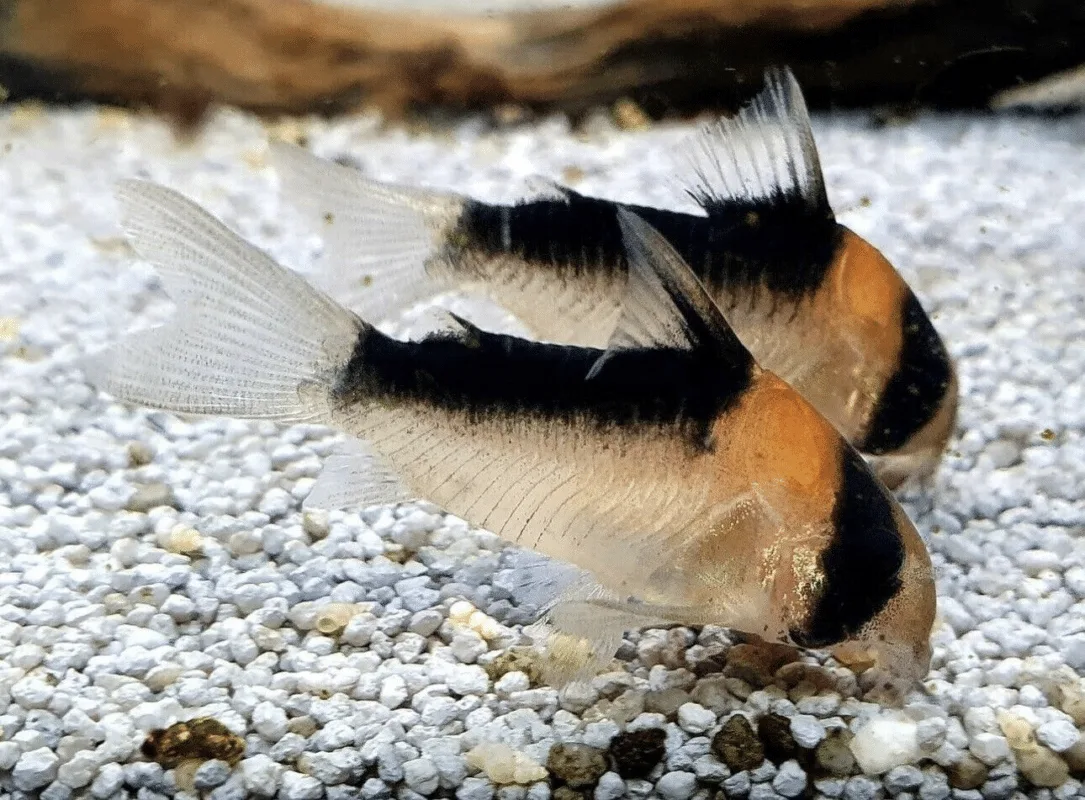
*Image source: Web (Bing) / aquatropics.co.uk (Web image, fair-use with source credit)*
### Cardinal Tetras
Cardinal tetras are the brighter cousin of the neon tetra. They flash a brilliant red stripe across their lower half, which makes them stunning in planted tanks.
They stay under 2 inches. A 10-gallon tank can hold a school of eight comfortably. They prefer soft, acidic water and do best in established tanks rather than brand-new ones.
That's the one catch. Cardinals are not as forgiving as corys during the cycling period.
### Convict Cichlids
Convict cichlids have a bad reputation for aggression. Some of it is deserved. They're territorial, especially when breeding.
But they're also ridiculously tough and full of personality.
They grow to about 6 inches. A pair can live in a 30-gallon tank with plenty of hiding spots. If you want a fish that recognizes you at feeding time and defends its territory with real attitude, convict cichlids deliver.
| Species | Max Size | Min Tank | Temperament | Best For |
|---------|----------|----------|-------------|----------|
| Corydoras catfish | 2.5 in | 20 gal | Peaceful | Community tanks |
| Cardinal tetra | 2 in | 10 gal | Peaceful | Planted tanks |
| Convict cichlid | 6 in | 30 gal | Semi-aggressive | Personality seekers |
All three are beginner-friendly in different ways. Cories are forgiving. Cardinals are beautiful.
Convicts are entertaining. Pick the one that matches your tank size and your patience level.
## Branch 2: Saltwater C-Fish Worth the Effort
Saltwater changes the game. It's more expensive, more technical, and far less forgiving. The payoff is visual.
C-fish dominate the reef hobby.
### Clownfish
Clownfish are the undisputed stars of the saltwater world. The ocellaris clownfish, the species most people recognize, is captive-bred in massive numbers. That means it's hardier, cheaper, and more sustainable than wild-caught specimens.
They stay around 3 inches. A pair can live happily in a 20-gallon reef tank. They don't actually need a sea anemone to survive, despite popular belief.
In captivity, they often host in coral, powerheads, or the corner of the tank.
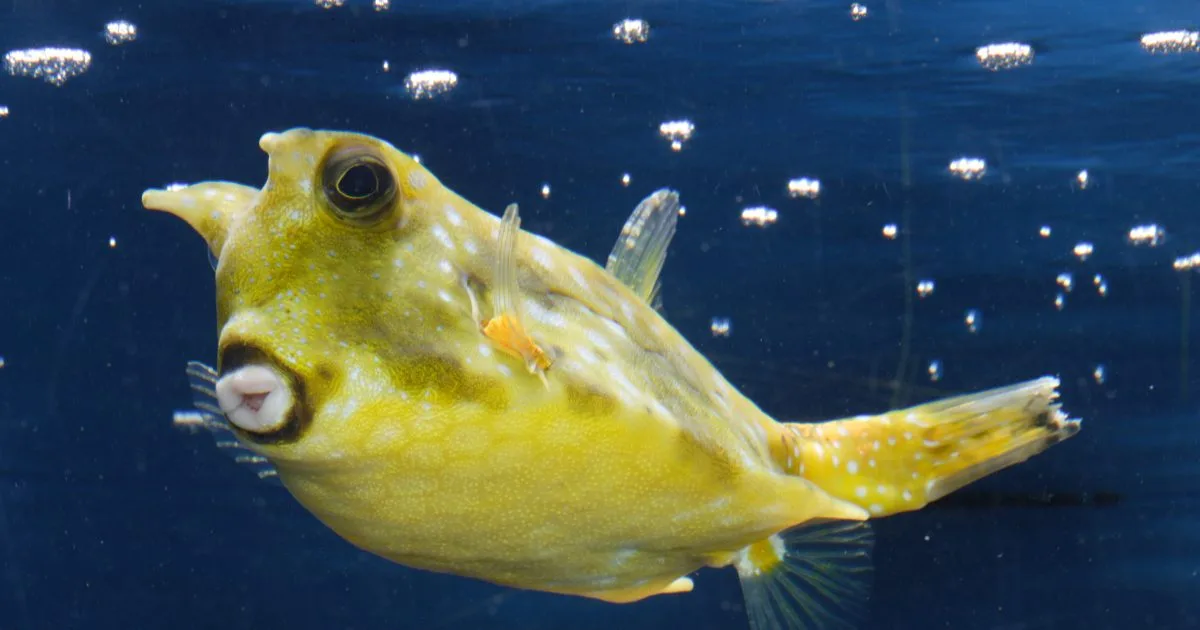
*Image source: Bing (Web, fair-use with source credit)*
### Cardinalfish
Marine cardinalfish like the pajama cardinal are quieter saltwater options. They're not as flashy as clownfish. But they're peaceful, reef-safe, and more tolerant of less-than-perfect water quality.
They grow to about 3 inches. A 20-gallon tank works fine for a pair. They're nocturnal and will happily hover around cave openings during the day.
### Longhorn Cowfish
If you want something strange, the longhorn cowfish delivers. They have a boxy body, comical horns, and a personality that keeps owners amused. They also release a toxin when severely stressed.
That toxin can kill everything in a small tank. This is not a beginner fish. Keep them only in larger established systems with stable water chemistry.
## Branch 3: Big and Bold C-Fish for Ponds and Large Tanks
Some C-fish simply outgrow aquariums. That doesn't make them bad pets. It makes them bad pets for the wrong setup.
### Common Plecos
Common plecos are the most rehomed fish in the hobby. They start as cute 2-inch algae eaters, then grow into 24-inch armored tanks that produce waste like a small horse. A 75-gallon tank is the minimum for an adult.
A pond is even better.
### Carp and Koi
Carp have been kept in ponds for centuries. Koi, which are ornamental carp, live 20 to 50 years with proper care. They need deep, well-filtered ponds with at least 250 gallons per fish.
They're not aquarium pets. They're outdoor investments. And in some regions, they're a serious ecological problem.
The U.S. Fish and Wildlife Service tracks invasive carp movement across the Mississippi River basin, and it's a constant battle.
### Channel Catfish
Channel catfish grow to 3 or 4 feet in the wild. In a large pond, they're hardy, entertaining, and eventually big enough to eat. Many pond owners raise them as pets first and dinner later.
If you have a quarter-acre pond with good aeration, channel cats are a fantastic choice. If you have a 50-gallon tank, skip them entirely.
In our research, the number one reason plecos and catfish get surrendered is size. Always cross-check a fish's adult size before purchase, not its juvenile size. If you enjoy name-based wildlife guides, our [mammal collection from L onwards](https://petgeon.com/mammals-that-start-with-l/) follows the same format and level of detail.
## Branch 4: The Best-Tasting C-Fish for Your Kitchen
When the goal is dinner, the C-list delivers some serious winners. Crappie, cod, catfish, and coho salmon all show up on plates across the world. The trick is matching the fish to your cooking style.
**Crappie** is often described as the sweetest-tasting panfish in North America. The white fillets are flaky and mild. They fry up beautifully in a light cornmeal crust.
Crappie are also quite numerous. Anglers regularly catch their daily limits, and they stock freezer-friendly fillets.
**Cod** is the ultimate blank canvas. Atlantic cod used to rule the offshore fishery, but stocks have struggled for decades. Pacific cod is the more sustainable pick these days.
Its firm, flaky white meat handles baking, broiling, and the classic fish-and-chips treatment. If you want to make sure your seafood choice is responsible, [NOAA Fisheries](https://www.fisheries.noaa.gov) publishes stock status reports for commercial species.
**Catfish** deserves its southern fame. Farm-raised catfish have a mild, slightly sweet flavor with a firm texture. They take heavy seasoning well and shine in a hot fryer.
The channel catfish is the standard farm species. It's affordable, abundant, and consistent.
**Coho salmon** is often the salmon people should start with. It's milder and leaner than chinook or sockeye. That makes it forgiving in the oven or on a cedar plank.
It still delivers those omega-3s and rich flavor without overwhelming a weeknight dinner.
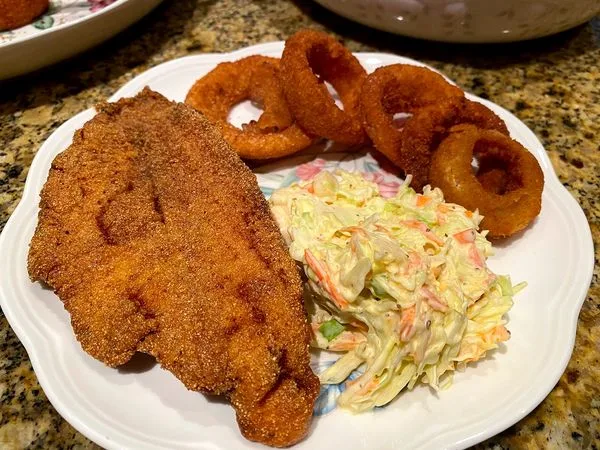
*Image source: Bing (Web, fair-use with source credit)*
If you're unsure where to begin, start with catfish. It's inexpensive, widely available, and nearly impossible to overcook into inedibility.
## Branch 5: C-Fish for Anglers: Fighters, Targets, and Trophies
On the water, the C-fish lineup is stacked. Salmon, trout, carp, and bottom-dwellers all offer something different.
**Chinook vs. coho salmon** is a classic debate. Chinook are the biggest and most powerful Pacific salmon. They can top 40 pounds and smash gear on an aggressive run.
Coho are smaller but meaner pound-for-pound. They jump more, hit topwater lures, and put on a show in the shallows. Most anglers chase both, depending on the season.
Check your state's fish and game website for run timing and limits.
**Cutthroat trout** are the native char of the mountain West. They're not huge, typically 10 to 18 inches. But they're gorgeous, eager to bite, and full of fight.
Wild cutthroat are catch-and-release only in most rivers, so check local rules carefully.
**Carp** are the most underrated freshwater sportfish on the planet. They grow huge, often over 30 pounds. They fight with sustained, powerful runs.
Many European anglers consider carp the ultimate test. In North America, though, some species cause real trouble. The [U.S.
Fish and Wildlife Service](https://www.fws.gov) tracks invasive carp movement across the Mississippi River basin. Common carp in many lakes still open a door to fascinating fishing, just with extra caution.
**Crevalle jack** are the muscle-bound bait-stealers of the coast. They hit hard, run fast, and fight to the final minute. The catch is that they often carry ciguatera toxin, so it is not a good eating fish.
They're a pure sportfish. Best to release one over a great fight rather than bring it back for the table.
## C-Fish Comparison: Freshwater vs. Saltwater vs. Edible vs. Sport
If you're still deciding, a side-by-side view helps. Each path has its own costs, difficulty, and rewards.
| Path | Best Beginner C-Fish | Typical Cost | Difficulty | Main Reward |
|------|----------------------|--------------|------------|-------------|
| Freshwater Aquarium | Corydoras catfish | $3–8 per fish | Low | Daily interaction |
| Saltwater Aquarium | Clownfish | $25–50 per fish | High | Stunning visual display |
| Edible/Kitchen | Farm-raised catfish | $6–10 per pound | Moderate | Great meals |
| Sport/Angling | Crappie | $5–15 per outing | Low | Exciting catches |
Saltwater is the most expensive. It demands more gear and patience. Freshwater is the easiest and cheapest entry point.
Edible fish have a learning curve for cleaning and cooking. Angling adds location, seasons, and regulations.
Some fish, like channel catfish and crappie, appear in multiple paths. A fish can be fun to catch, tasty to eat, and affordable to keep. That's the sweet spot.
If you're working through the whole animal alphabet, our [B-list companion](https://petgeon.com/animals-that-start-with-b/) gives the same kind of overview.
## Mistakes to Avoid When Choosing a C-Fish
Even experienced hobbyists fall into traps. Here are the most common ones people hit.
- **Picking a common pleco for a small tank.** Those little 2-inch algae eaters become 24-inch giants in two years. Plan for adult size, not baby size.
- **Buying cichlids first.** Cichlids are aggressive. They uproot plants, dig holes, and chase other fish. Research their temperament before committing.
- **Believing clownfish need an anemone.** In captivity, they don't. Many healthy clownfish bond with a bare tank corner instead.
- **Ignoring water chemistry.** Saltwater tanks need regular testing for ammonia, nitrite, and pH. Skipping cycles causes crashes.
- **Overlooking invasive species laws.** Carp and some cichlids are illegal to release into local waters. Fines exist for a reason. Similar problems pop up with certain introduced reptiles, as our [A-name reptile guide](https://petgeon.com/reptiles-that-start-with-a/) points out.
- **Thinking all C-fish are easy.** The coelacanth is a C-fish. So is a 40-pound chinook. Context matters.
One of the best ways to avoid these mistakes is to match a fish to your actual setup. A 20-gallon tank is fine for a cory, but not a freshwater cod. Check the adult size, space needs, and water parameters before you purchase.
## C-Fish Sizes, Tank Requirements, and Price Benchmarks
For aquarium keepers, the numbers are non-negotiable. Here's your quick-reference table.
| Species | Max Size | Min Tank Size | Lifespan | Typical Price |
|---------|----------|---------------|----------|----------------|
| Cardinal tetra | 1.5 in | 10 gal | 5 years | $3–5 |
| Corydoras catfish | 2.5 in | 20 gal | 7–10 years | $5–8 |
| Clownfish | 3 in | 20 gal | 10–15 years | $25–50 |
| Convict cichlid | 6 in | 30 gal | 10–15 years | $5–10 |
| Longhorn cowfish | 18 in | 180 gal | 15 years | $80–150 |
| Common pleco | 20–24 in | 75 gal | 15–20 years | $10–15 |
| Channel catfish | 40 in | 300+ gal / pond | 20 years | $5–15 |
Those prices reflect typical pet store rates in the U.S. as of 2026. Saltwater species cost more due to lifecycle and shipping. Pond fish like koi can reach several hundred dollars for show-grade specimens.
The moral? A small initial purchase can grow into a huge long-term commitment. Budget not just for the fish, but for the tank, filter, food, and maintenance.
The same careful planning applies to any pet, as our [letter-P mammal roundup](https://petgeon.com/mammals-that-start-with-p/) shows with species that range from tiny to enormous.
## Safety, Legal, and Sustainability Notes
Some C-fish come with serious strings attached. Invasive species like common carp and certain cichlids are illegal to release in many states. Check local laws before buying or relocating any fish.
Big predatory fish like crevalle jack and larger salmon can accumulate mercury. Eat them in moderation, and follow local fish consumption advisories. For anglers, fishing licenses, size limits, and bag limits are non-negotiable.
The [U.S. Fish and Wildlife Service](https://www.fws.gov) is a solid starting point for federal guidance.
Conservation matters too. Atlantic cod stocks have been depleted for years, and some chinook salmon runs are threatened. When buying seafood, look for sustainable sources.
As of 2026, several coho salmon fisheries carry strong sustainability ratings.
## Maintenance and Long-Term Care
Aquarium C-fish need routine upkeep. Test water weekly for ammonia, nitrite, and nitrate. A cycled tank should read zero ammonia and zero nitrite.
Change 10 to 20 percent of the water every two weeks. Clean the filter monthly. Feed species-appropriate diets, not just flake food.
Corydoras catfish enjoy sinking wafers. Clownfish need varied protein.
Long-term health depends on stable water temperature and chemistry. A sudden swing can stress fish and trigger disease. For outdoor koi or carp, keep aeration running year-round and remove leaves before they rot.
## Real Scenarios: Which C-Fish Did People Like You Pick?
A family with a 20-gallon tank chose a small school of cardinal tetras. Bright, easy, and hardy once the tank matured. They love the shimmering blue and red lines.
A weekend angler in the Midwest targets crappie every spring. He keeps a stringer of fish for a Friday fry. Crappie fillets breaded in cornmeal are his favorite meal.
A reef keeper upgraded to a 40-gallon tank and added a pair of captive-bred clownfish. Within weeks, the pair started courting and now spawns monthly. It became the centerpiece of his living room.
## Final Decision Guide: Pick Your C-Fish in 60 Seconds
Ask yourself three quick questions. Do I want a pet, dinner, or a fishing challenge? What space do I have?
How much time can I invest?
**If you want an easy pet in a small tank.** Choose corydoras catfish or cardinal tetras. **If you want a saltwater showpiece.** Choose a clownfish pair. **If you want dinner tonight.** Pick up farm-raised catfish or cod. **If you want a fishing adventure.** Go for crappie, cutthroat trout, or coho salmon.
Match the fish to the real constraints of your life. Adult size, water needs, and aggression level matter far more than the letter on its name. When in doubt, start small and start simple.
## Frequently Asked Questions
### What is the most common fish that starts with C?
The catfish family is the most widespread. Channel catfish and corydoras catfish dominate their respective markets.
### Are clownfish good for beginners?
Yes, captive-bred clownfish are hardy and adapt well to established tanks. They still need stable water quality.
### Can I eat fish that start with C?
Many are excellent. Cod, crappie, catfish, and coho salmon are popular food fish.
### Do all C-fish need large tanks?
No. Cardinal tetras thrive in 10 gallons. Common plecos need 75 gallons or a pond.
### Are carp invasive everywhere?
Not everywhere, but common carp are considered invasive in Australia and parts of North America. Never release them into public waters.