P Cat Breeds: From Persian to Pixiebob
You've finally decided to add a cat to your life, and you're wondering about cat breeds that start with p. It's a short list, which is good news. But the three main P breeds are so different, they might as well be different species.
One demands daily grooming, one looks like a tiny bobcat, and one has no fur at all.
Per CFA breed standards, the Persian has been a show-ring staple since the late 1800s. As of 2026, it still ranks among the top five most popular breeds in North America. That popularity is earned, but it comes with real commitments.
Let's break down each P breed so you can decide which one actually fits your life.
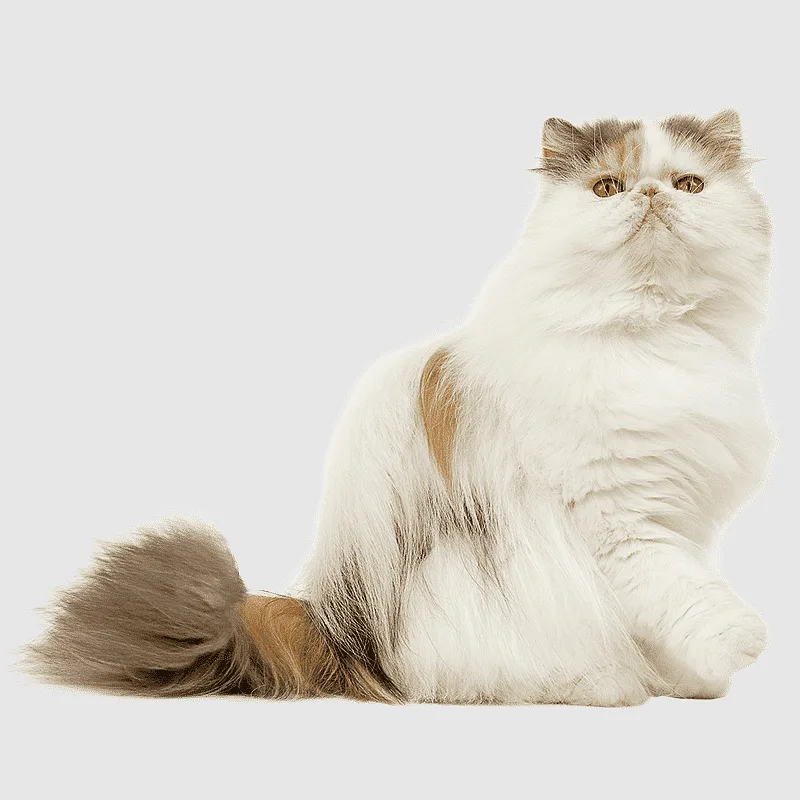
Image source: Bing (Web (fair-use with source credit))
Quick Answer
There are exactly three recognized cat breeds that start with p. They are the Persian, the Pixie-Bob, and the Peterbald. Each offers a completely different look, temperament, and care level.
The Persian is calm but high-maintenance. The Pixie-Bob is playful and dog-like. The Peterbald is affectionate but demanding.
Why the "P" Breeds Deserve a Second Look
The letter P doesn't have the largest cat family, but it might have the most diverse one. You won't find this range of body types, coat types, and temperaments under any other single letter. That's exactly why this short list deserves a close look.
This diversity means there's likely a P breed for almost any household. You just need to know which one matches your lifestyle. The problem is, most online lists treat them like interchangeable options.
They aren't. Each breed has its own personality quirks, grooming rules, health risks, and ideal owner profile.
If you've browsed P-named species across the animal kingdom, you already know how much variety exists. Cats follow the same pattern. And if you're curious about the P-initial mammal family, the diversity continues there too.
So let's get into each breed. We'll cover personality, grooming, health, and who each cat is genuinely best for.
Persian: The Elegant, High-Maintenance Classic
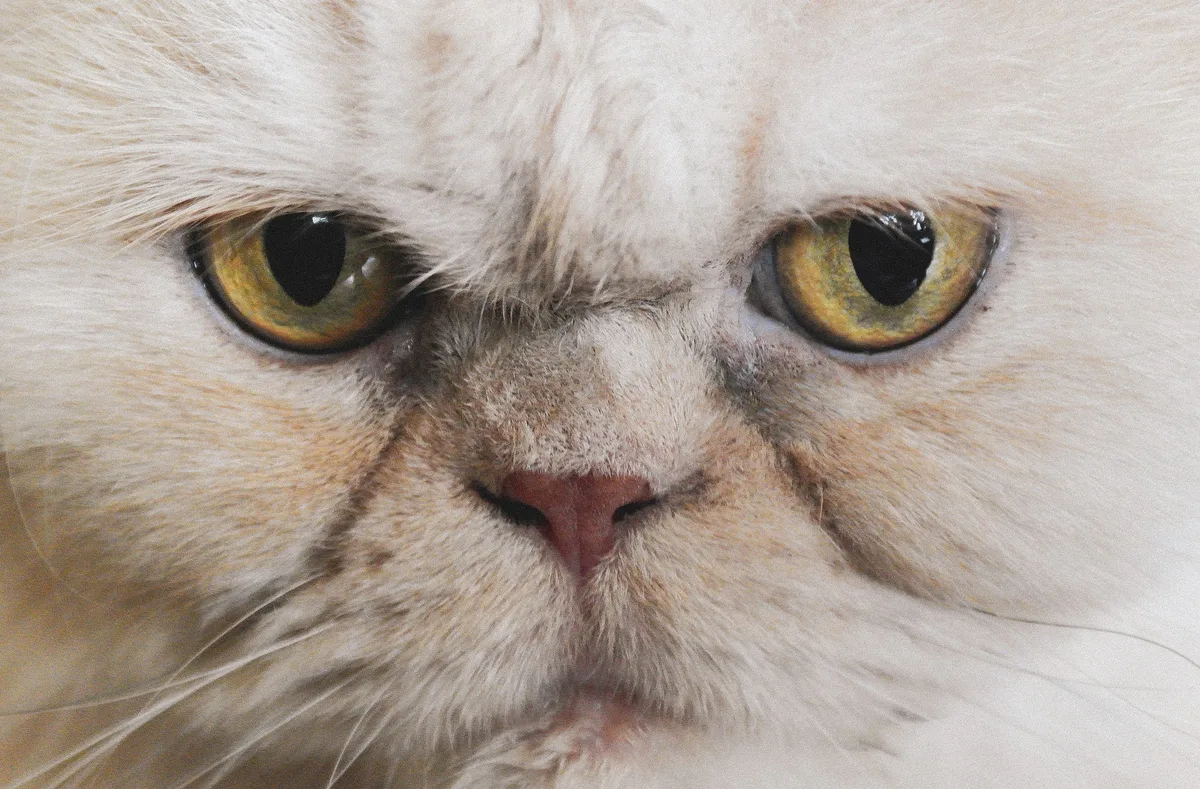
Image source: Bing (Web (fair-use with source credit))
The Persian is the poster child for calm, regal, indoor cats. It's also one of the highest-maintenance breeds you can own. That combination of serenity and upkeep makes it a polarizing choice.
People either adore the routine or quickly feel overwhelmed.
The coat is the first thing you'll notice. That long, plush double coat isn't just for looks. It mats easily, and it requires daily combing to stay healthy.
Skip a day, and you'll be dealing with tangles. Per the CFA breed profile, Persians need a full comb-through every single day, plus regular baths to keep the coat from becoming greasy.
Eye care is another daily task. The flat face causes tear overflow, which leads to staining under the eyes. You'll wipe those stains with a damp cloth every morning.
It takes two minutes, but it's non-negotiable. Some owners also clean the facial folds to prevent skin irritation.
Health-wise, the Persian has a few red flags you should know about. Polycystic kidney disease (PKD) affects a meaningful percentage of cats in unscreened lines. Responsible breeders test for it, but you need to ask for proof of screening.
Brachycephalic airway syndrome is another concern. Flat-faced Persians can struggle to breathe in hot weather, and many snore loudly at night.
If that sounds exhausting, the Persian might not be for you. But if you want a calm, quiet, lap-loving companion and you're willing to put in the daily grooming time, this breed is hard to beat. They're also fantastic for apartments and laid-back households.
A Persian will happily spend the afternoon napping on your lap while you work from home.
Pixie-Bob: The Wild Look Without the Wild Behavior
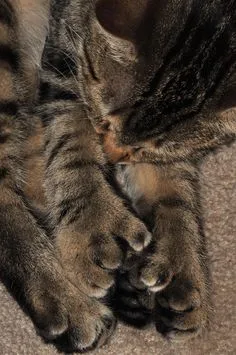
Image source: Bing (Web (fair-use with source credit))
The Pixie-Bob looks like it just wandered out of the forest. In reality, it's a fully domestic breed with a reputation for being gentle, loyal, and surprisingly dog-like companions in the feline world.
That bobbed tail is the giveaway. The breed standard requires it to be at least two inches long, and many cats have extra toes, a trait called polydactyly. These features give the Pixie-Bob its distinctive "wild" silhouette.
But there's no actual bobcat DNA in the breed, regardless of the rumors you'll hear from breeders who like a good story.
Owners report that Pixie-Bobs act more like dogs than cats. They greet you at the door, follow you from room to room, and many learn to play fetch. Some even walk on a leash with a little training.
That makes them a great fit for families who want an interactive pet rather than an independent one.
They're also patient with children and generally get along well with other pets, including dogs. The temperament is steady and tolerant, which is a big deal when you have kids who want to cuddle something that actually enjoys being held.
One thing to note: the Pixie-Bob is rare. You won't find many breeders, and waitlists for kittens can stretch for months. Expect to pay a premium, and always verify that the breeder performs health screenings for hip dysplasia and heart conditions.
It's a price worth paying, but you need to plan ahead.
Peterbald: The Hairless Cat That Acts Like a Dog

Image source: Bing (Web (fair-use with source credit))
The Peterbald is the breed that surprises everyone. It's hairless, affectionate, and ridiculously social. If you're looking for a cat that acts like a dog, this one rivals the Pixie-Bob for that title.
Here's the thing about hairless cats. They aren't actually zero-maintenance. The Peterbald's skin produces natural oils, and without fur to absorb them, those oils build up.
You'll need to bathe your Peterbald weekly with a gentle cat-safe shampoo. Some owners prefer waterless wipes between baths. Either way, regular skin care is part of the routine.
There are four coat varieties within the breed, so not all Peterbalds are completely bald. You'll find truly hairless cats, plus flocked, velour, and brush-coated individuals. Each type has a different texture, from peach-fuzz smooth to short and crimped.
That variety means you can choose a look you're comfortable with.
Temperature sensitivity is a real consideration. Hairless cats get cold easily. They'll burrow under blankets, seek out warm laps, and appreciate a heated bed in winter.
You'll also need to protect them from sunburn if they spend time near sunny windows. Indoor-only living is strongly recommended.
Personality-wise, the Peterbald is affectionate to a degree that surprises first-time owners. This cat wants to be near you constantly. It follows you from room to room, chats with you in a distinctive chirping voice, and forms intense bonds with one or two people.
That's wonderful if you work from home or live alone. It's less ideal if you're out of the house for long stretches. Rare mammal profiles often highlight how unusual extreme social attachment is in the animal world, but the Peterbald genuinely fits that description.
This breed is also smart in a way that can be exhausting. They learn how to open cabinets, turn on faucets, and generally get into things. You'll need to cat-proof your home more thoroughly than you might expect.
It's the trade-off for having such a clever, interactive companion.