Fish That Start with K: Koi, Killifish & More
If you've ever tried to name fish that start with K, you already know the struggle. The list feels short at first, then suddenly you're drowning in look-alikes and regional nicknames that make everything confusing. We've done the research so you don't have to.
Across freshwater tanks, saltwater reefs, and dinner plates, the letter K covers some genuinely fascinating species. As of 2026, ichthyologists recognize over 34,000 known fish species worldwide, and a solid handful of them start with K. From the backyard pond favorite to the open-ocean predator, here's your visual field guide to the most interesting ones.
Quick Answer
The main fish that start with K are Koi, Killifish, Knifefish, King Mackerel, Kelp Bass, King Salmon, Kokanee Salmon, Kaluga Sturgeon, and Kokopu. Each lives in a different habitat. Each looks completely different from the others.
Use body shape and fin placement to tell them apart quickly.
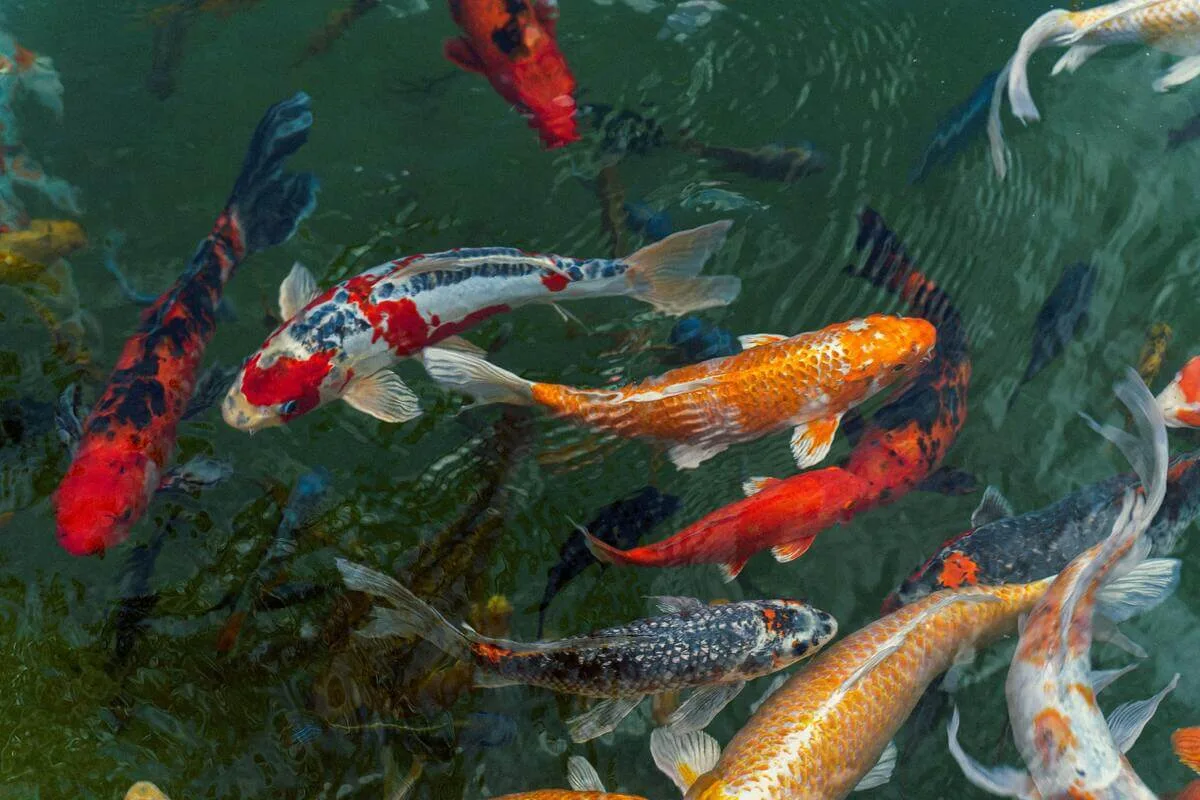
Image source: Web (Bing) / oceaninfo.com (Web image (fair-use with source credit))
Freshwater "K" Fish: The Aquarium and Pond Stars
Freshwater species make up the bulk of the K fish you're likely to encounter in person. Whether you're browsing a pet store or planning a backyard pond, these are the ones you'll actually see.
Koi: The Backyard Icon
Koi are domesticated varieties of the Amur carp, selectively bred in Japan for centuries. They're not just one fish. They come in dozens of color morphs with specific names like Kohaku (white with red patches) and Showa (black with red and white).
The easiest way to identify a Koi versus a large goldfish is to look at the mouth. Koi have visible barbels, those little whisker-like appendages near their lips. Goldfish don't.
That single trait settles the argument every time.
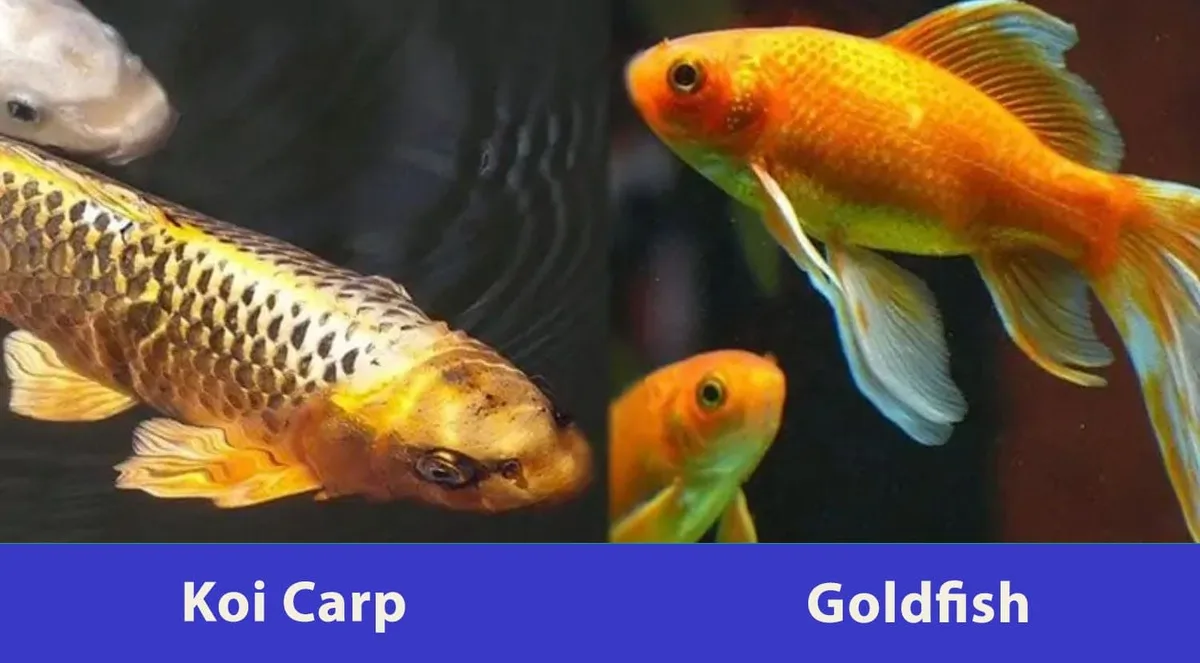
Image source: Web (Bing) / articles.hepper.com (Web image (fair-use with source credit))
Koi grow fast and live long. A well-maintained pond fish can reach 24 inches within three years and survive 25 to 35 years with proper care. They're also remarkably trainable.
Many owners report their Koi learning to eat from their hands within weeks.
Killifish: Small, Colorful, and Surprisingly Hardy
Killifish are a massive family spanning multiple genera. Some live in permanent streams. Others, like the African Nothobranchius species, inhabit seasonal pools that dry up completely.
Those annual killifish survive drought by laying eggs that remain dormant in the mud until rains return.
For aquarium keepers, killifish are a favorite because they're stunning and forgiving. Most species stay under three inches. They thrive in tanks as small as 10 gallons.
Their colors rival saltwater fish, with iridescent blues, fiery oranges, and metallic greens depending on the species.
One warning: they jump. Killifish are notorious escape artists. A securely fitted lid is non-negotiable if you keep them.
Knifefish: The Ghost of the Aquarium
The Black Ghost Knifefish is the most recognizable member of this group. It's solid black with two white bands and a flowing ribbon-like fin that runs along its entire underside. Watching one move is hypnotic.
It undulates that fin to glide forward and backward with equal ease.
Knifefish are nocturnal and sensitive. They rely on weak electrical fields to navigate muddy waters in the wild, which means they react poorly to sudden changes in water chemistry. They're not a beginner fish.
But for experienced hobbyists, they're deeply rewarding pets.
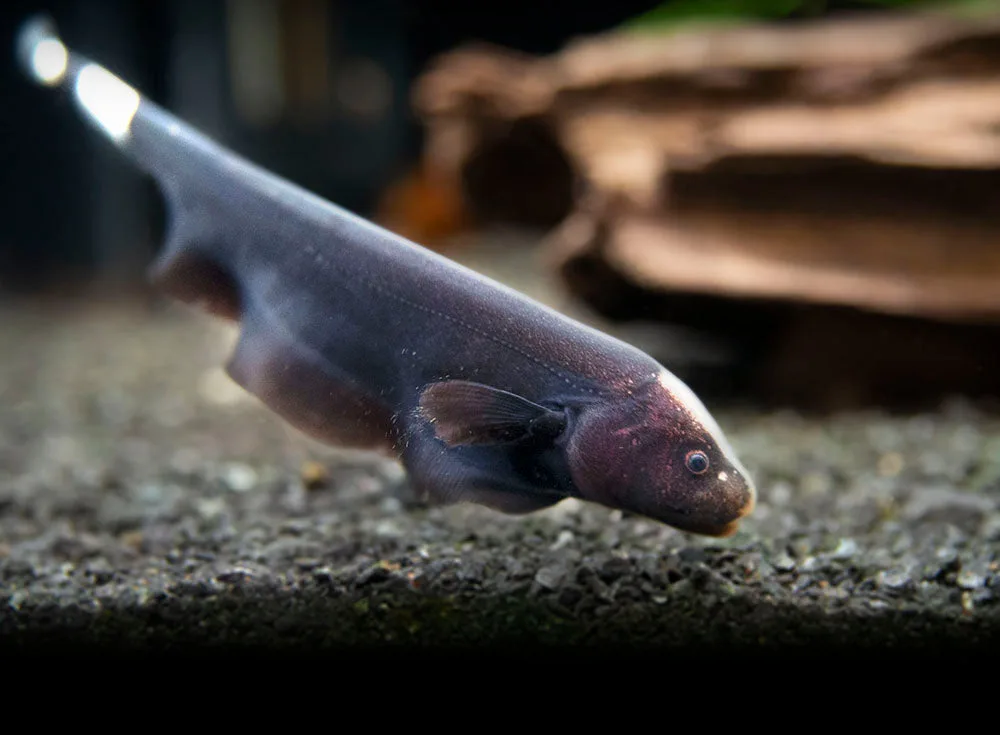
Image source: Web (Bing) / aquaticarts.com (Web image (fair-use with source credit))
Kaluga Sturgeon: The Ancient Giant
The Kaluga sturgeon is a living fossil. Native to the Amur River basin in Russia and China, it's one of the largest freshwater fish on Earth. Historically, specimens exceeded 1,000 kilograms.
That's over a ton of armored prehistoric muscle.
Because of overfishing for caviar, the Kaluga is critically endangered. It's protected under CITES, meaning international trade is heavily restricted. You won't see one in a typical aquarium.
Your best chance is a public aquarium or a conservation facility. That exclusivity makes it a fascinating entry on any K fish list.
Saltwater "K" Fish: The Game Fish and Dinner Plate Species
Move to the ocean, and the K fish take on a different personality. These are muscular, fast, and often delicious. They're also the species most likely to appear on your fishing trip or your dinner plate.
King Mackerel: The Gulf Coast Favorite
King Mackerel, often called Kingfish in the Gulf of Mexico, is a hard-fighting predator. It's built like a torpedo with a deeply forked tail and a mouth full of sharp, jagged teeth. Anglers target them year-round in warm Atlantic and Gulf waters.
One common mistake is confusing King Mackerel with Barracuda. Both are long and silver, but the differences are clear once you know what to look for. The image below shows them side by side.

Image source: Web (Bing) / charterfishingdestin.com (Web image (fair-use with source credit))
King Mackerel have a more streamlined body and a longer, sloping forehead. Barracuda have a distinctive, almost reptilian jaw that juts forward. Also, King Mackerel have a row of tiny finlets behind their dorsal fin, similar to tuna.
Barracuda don't.
Kelp Bass: The Pacific Reef Predator
Kelp Bass is a California classic. Found among kelp forests along the Pacific coast, they're a favorite for spearfishers and light-tackle anglers alike. They're usually brown or olive with pale spots and bars that help them blend into the seaweed.
Most legal catches fall between 14 and 24 inches. They're a sustainable local option, and the California Department of Fish and Wildlife tracks populations closely. Their meat is mild and flaky, which makes them popular at West Coast seafood markets.
King Salmon: The Trophy Catch
King Salmon, also known as Chinook, is the largest Pacific salmon species. They're anadromous, meaning they hatch in freshwater, migrate to the ocean, then return to their natal streams to spawn. The current world record weighed over 100 pounds, caught in Alaskan waters.
They're also a culinary superstar. King Salmon has a high fat content, which gives it a rich, buttery texture that chefs prize. NOAA Fisheries manages Pacific salmon stocks to keep populations healthy, with specific catch limits depending on the region and run.
Kokanee Salmon: The Landlocked Surprise
Kokanee are landlocked Sockeye Salmon. They live their entire lives in freshwater lakes with no ocean migration at all. They're smaller than their sea-going cousins, typically running 8 to 17 inches depending on the lake's food supply.
Anglers love them because they're aggressive biters and excellent table fare. Their flesh stays deep red because they eat zooplankton that contains natural pigments. One fascinating quirk: Kokanee die shortly after spawning, just like ocean-run salmon.
New anglers often mistake these post-spawn fish for sick or injured ones.
The "K" Fish Look-Alike Trap
The hardest part of identifying K fish isn't memorizing names. It's telling similar-looking species apart. Regional nicknames make it worse.
In Florida, "Kingfish" means King Mackerel. In Southern California, the same nickname refers to Yellowtail, which is completely unrelated. Knowing the physical traits matters more than common names.
Looking at their animal kingdom neighbors can actually help sharpen your observation skills. The same visual-detection approach applies whether you're spotting subtle body-shape differences in fish or recognizing a rare mammal by its markings.
King Mackerel vs. Barracuda: Telling Them Apart at a Glance
Here's the quick checklist we use in our research:
| Trait | King Mackerel | Barracuda |
|---|---|---|
| Body shape | Slender, streamlined torpedo | Deeper, more muscular trunk |
| Head profile | Sloping forehead | Long, flat, pointed snout |
| Teeth | Sharp and uniform | Large, dagger-like front teeth |
| Finlets | Present behind dorsal fin | Absent |
| Tail fork | Deep and pronounced | Moderately forked |
If you see finlets, it's a mackerel. If you see a protruding jaw full of intimidating teeth, it's a barracuda. That's the whole trick.
Koi vs. Goldfish: The Barbel Check
This one comes up constantly in pond forums. Both fish can grow large. Both share similar colors.
But the barbels settle it instantly.
Koi have two pairs of barbels near their mouth. Goldfish never have them. Even fancy goldfish varieties with exaggerated features lack barbels entirely.
Look at the mouth area, and you'll never mix them up again.
Keta vs. King Salmon: Subtle Color and Body Differences
Keta is the scientific name for Chum Salmon, and it's frequently confused with King Salmon at fish markets. During spawning season, Keta develop dramatic calico-like blotches of red, black, and olive on their sides. Kings stay cleaner-looking with silver bodies and small black spots on their backs and tails.
When they're fresh from the ocean, the distinction is harder. Kings have a black gum line where their teeth meet their mouth tissue. Chum have a white gum line.
That's the detail seafood processors use to sort them.