I Dog Breeds: From Irish Setter to Italian Greyhound
If you're working through the dog world alphabetically, dog breeds that start with i feel like the quiet aisle of the library. The list is short, and the dogs on it are mostly rare, specialized, or seriously opinionated. But that small group hides some of the most fascinating canines anywhere, from shaggy Nordic herders to elegant sight hounds.
As of 2026, the American Kennel Club recognizes exactly eight breeds beginning with I. They span a massive range, from the 8-pound Italian Greyhound to the 180-pound Irish Wolfhound. That's a 170-pound swing within a single letter.
It tells you everything you need to know about how different these dogs really are.

Image source: Web (Bing) / letsgoireland.com (Web image (fair-use with source credit))
Quick Answer: The Complete "I" Breed List
Dog breeds that start with i number eight total. The list includes three Irish gundogs, an Irish terrier, and an Irish wolfhound. It also has an Icelandic herder and two Italian breeds.
Most of these dogs don't suit first-time owners. Here is the full roster:
- Icelandic Sheepdog
- Irish Red and White Setter
- Irish Setter
- Irish Terrier
- Irish Water Spaniel
- Irish Wolfhound
- Italian Greyhound
- Spinone Italiano
Why the "I" Breeds Are So Different From Each Other
The "I" list looks like a random grab bag until you sort it by breed group. The AKC places each dog into a category based on the job it was bred to do. That category tells you more about temperament than the letter "I" ever will.
| Breed | AKC Group | Height | Energy Level |
|---|---|---|---|
| Icelandic Sheepdog | Herding | 16-18 in | Medium-High |
| Irish Setter | Sporting | 25-27 in | Very High |
| Irish Red & White Setter | Sporting | 24-27 in | High |
| Irish Terrier | Terrier | 18-19 in | Medium |
| Irish Water Spaniel | Sporting | 21-24 in | High |
| Irish Wolfhound | Hound | 30-32+ in | Low-Medium |
| Italian Greyhound | Toy | 13-15 in | Medium |
| Spinone Italiano | Sporting | 22-27 in | Medium-High |
Notice how many sporting dogs show up. Setters, the Water Spaniel, and the Spinone were all bred to hunt. That means they need serious daily exercise and plenty of mental stimulation.
Terriers were bred to chase and kill vermin, which explains the Irish Terrier's scrappy confidence. The Wolfhound and Italian Greyhound are both sight hounds, so they chase anything that moves. Only the Icelandic Sheepdog is a true herding breed, and it still wants a job to do.
Group matters more than the letter. A first-time owner who picks an Irish Setter for its beauty will likely struggle with the energy. Someone who chooses an Italian Greyhound for its cuteness might not expect the fragile bones and hard housebreaking.
Each breed carries the instincts of its ancestors.
If you're already exploring the alphabet, check out the mammal side of the letter I for more animals that share this starting point. The dogs, though, need a closer look before you commit.
Irish Setters: The High-Energy Icons
There are two setter breeds on this list, and people mix them up all the time. The Irish Setter is the flashy mahogany red one you see in shows and family movies. The Irish Red and White Setter is its lesser-known cousin with a white base coat and red patches.
Both are hunting dogs built to cover ground all day.
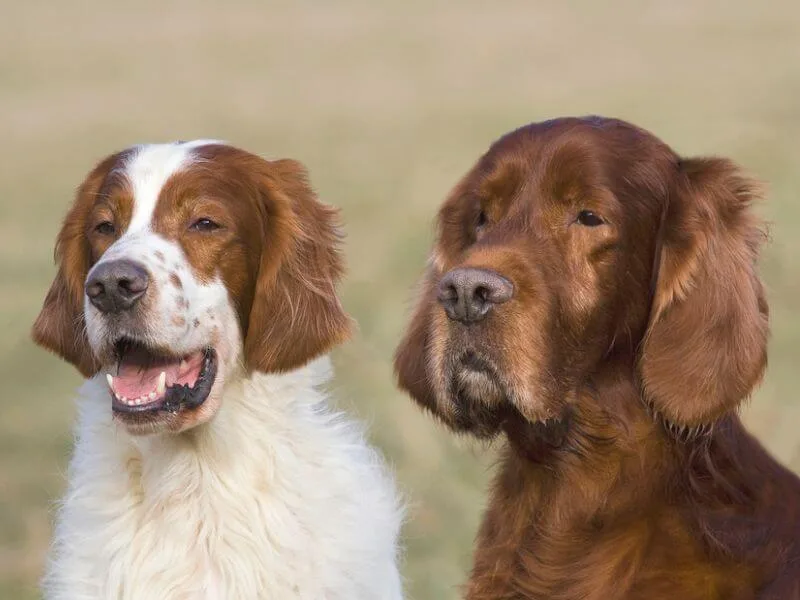
Image source: Bing (Web (fair-use with source credit))
The Energy Problem
The energy level is the headline. These dogs need 60 to 90 minutes of hard running every single day. Not a stroll around the block, not a quick trip to the dog park.
They need real exercise that gets the heart rate up. Skimp on that, and you'll get a destructive, hyperactive dog who shreds cushions and barks nonstop.
Temperament and Training
Temperament-wise, both setters are famously goofy. They stay puppyish well into adulthood, with an endless appetite for play and affection. They're also sensitive dogs, so harsh training methods can backfire.
Positive reinforcement with plenty of treats and games works far better.
Grooming is manageable. A weekly brushing keeps the coat shiny, and an occasional trim around the ears and feet keeps things tidy. Shedding is moderate but noticeable.
Who Should Choose a Setter
Runners, hikers, hunters, and active families with older kids are the best matches. If you work long hours or prefer quiet evenings, an Irish Setter will not be your friend. The Red and White variety tends to be more steady and slightly calmer, making it a better pick for families with younger children.
If you're moving through the whole alphabet, our guide to J-named animals covers a much wilder bunch. The setters, though, are demanding enough for one letter.
Irish Wolfhound: The Gentle Giant With a Short Timeline
They say the Irish Wolfhound is the gentle giant of the dog world, and that's not marketing fluff. These dogs stand 30 to 32 inches at the shoulder and can weigh up to 180 pounds. Despite that size, they're famously calm, dignified, and kind.
They love a good sprint in the yard but are perfectly happy to nap on the couch for hours afterward.

Image source: Web (Bing) / abcnews.com (Web image (fair-use with source credit))
The Heartbreak Factor
The hard truth comes with the lifespan. Irish Wolfhounds average just 6 to 8 years, which is heartbreaking for a dog that bonds so deeply. Per research compiled by the Orthopedic Foundation for Animals, they face elevated rates of bone cancer and dilated cardiomyopathy.
Bloat is also a serious risk because of their deep chests. Owners typically use slow-feed bowls and avoid exercise right after meals.
Costs and Care
Costs stack up quickly. A working adult eats 6 to 10 cups of high-quality food per day. Vet visits, heart screenings, and joint supplements add up over those short years.
This is not a cheap dog to keep.
They shed constantly. You'll be vacuuming wiry grey hair off every surface. They do fine in cold weather thanks to that coat, but they need a soft, thick bed to protect their bony hips from hard floors.
Who Should Choose a Wolfhound
Families with space, calm owners who don't mind shedding, and people who can handle the emotional toll of a shorter bond are ideal. They're gentle with kids and other pets, so the temperament is lovely. Just know what you're signing up for.
The American Kennel Club's breed standard calls for a minimum height of 32 inches in males, so you have to plan furniture and car space accordingly.
Irish Terrier: The Daredevil Companion
The Irish Terrier is often called the daredevil of the terrier group, and that nickname fits. These dogs are bold, confident, and genuinely fearless. They were used as messenger dogs during World War I, which tells you everything about their grit.
They're also incredibly loyal and have a sharp sense of humor.
The Attitude
This is a dog with an ego. Irish Terriers are independent thinkers who will test your boundaries. They respond well to firm, consistent training with plenty of positive reinforcement.
Harsh corrections often make them more stubborn, so patience matters more than force.
Socialization has to start early. They can be dog-aggressive and have a high prey drive. If you have a cat, a hamster, or a small dog, you might have problems.
Many Irish Terriers simply don't get along with other canines, especially same-sex ones.
Grooming and Daily Life
The coat is wiry and low-shedding, which makes them a decent choice for allergy sufferers. Hand-stripping a few times a year keeps the texture right, though many owners just opt for a professional trim.
They need moderate daily exercise. A solid walk plus some off-lead play in a secure area is usually enough. They're not as demanding as the setters, but they still have terrier-level energy and curiosity.
Who Should Choose an Irish Terrier
Experienced owners who want a loyal, protective companion are the best fit. Singles and couples who can give them plenty of attention usually do well. Homes with multiple dogs or small pets should look elsewhere.
If you like dogs with personality, our L-letter animals guide introduces critters with plenty of character too.
Irish Water Spaniel & Icelandic Sheepdog: The Specialists
Two breeds on this list stand apart from the hunting dogs and terriers. The Irish Water Spaniel and the Icelandic Sheepdog are specialists, each with a unique job and an even more unique personality.
Irish Water Spaniel: The Clown With Curls
This is the largest of the spaniel family, standing 21 to 24 inches tall. Its tight, waterproof curls cover everything except its face and its distinctive bare "rat tail." That tail alone makes it instantly recognizable at any dog park.
These dogs love water more than almost anything on earth. A puddle, a pond, a muddy ditch, they're all equally appealing. They're incredibly intelligent too, which cuts both ways.
They learn fast, but they get bored just as fast. A bored Water Spaniel will figure out how to open cabinets, steal food, or dig under fences.
Grooming is a real commitment. That curly coat needs brushing several times per week and regular professional grooming every 6 to 8 weeks. Skipping it leads to painful matting.
The upside is that they shed very little, making them a solid choice for allergy sufferers.
Icelandic Sheepdog: The Vocal Herder
This spitz-type dog has pointy ears, a curled tail, and a thick double coat built for Arctic winters. It's the only dog breed native to Iceland, and it's still rare in the United States. Breeder waitlists of a year or more are common.
The biggest challenge is the voice. Icelandic Sheepdogs bark at everything, and I mean everything. Car doors, squirrels, wind, a leaf falling in the yard.
They were bred to alert their handlers to sheep movement, so vocalizing is hardwired into them. Apartment living is nearly impossible with this breed.
They need a job to stay happy. Agility, obedience, herding trials, or just a serious game of fetch all work. They're affectionate and great with kids, making them lovely family dogs for the right home.
Those homes just need a fenced yard and tolerant neighbors.
If you're working through the alphabet, our guide to K-letter mammals covers a completely different set of animals. The specialists on this list, though, each demand something specific from their owners.
Italian Greyhound & Spinone Italiano: The Italians
Italy contributes two very different breeds to the "I" list. One is a tiny, fragile lapdog. The other is a rugged, wiry hunter.
They could hardly be more different.
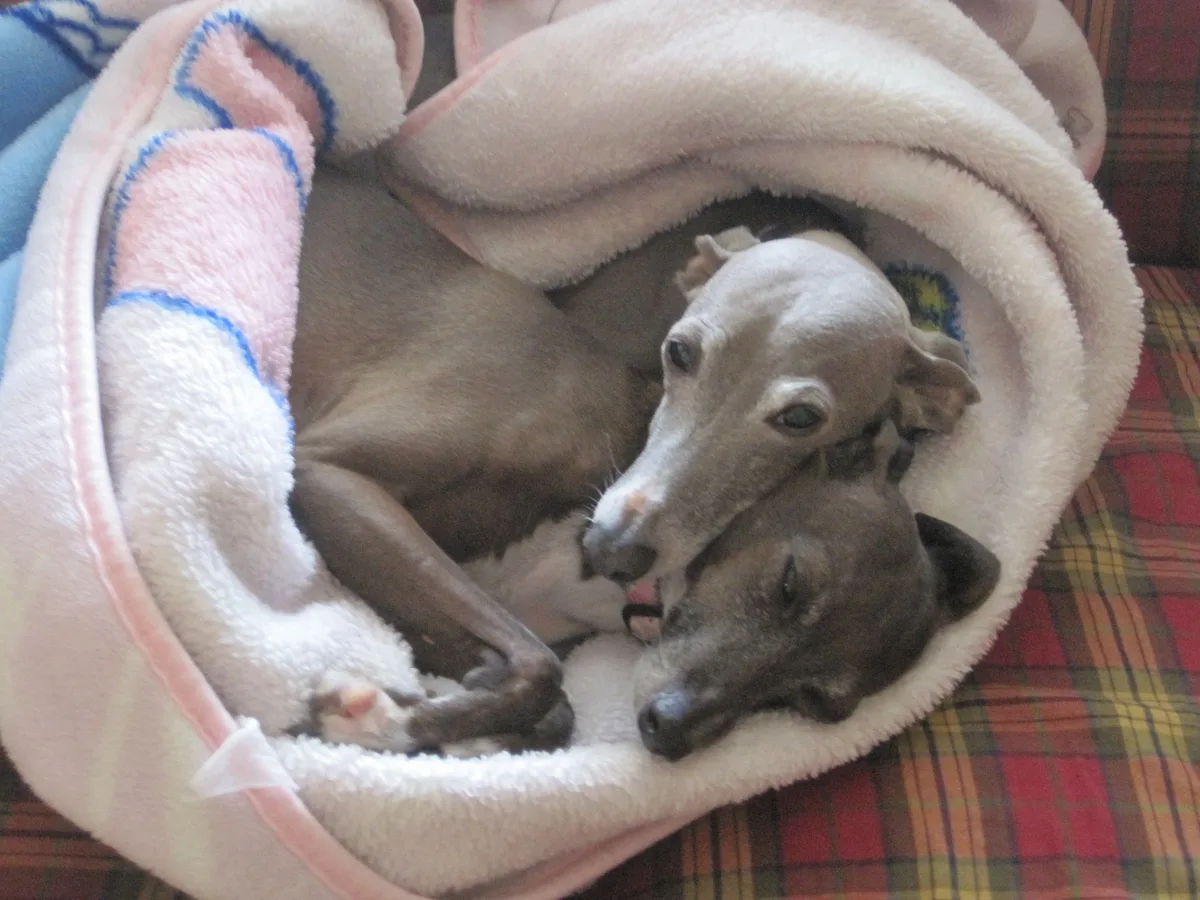
Image source: Web (Bing) / pinterest.com (Web image (fair-use with source credit))
Italian Greyhound: Small but Not Easy
At 13 to 15 inches and 7 to 14 pounds, the Italian Greyhound is the smallest breed on this list. It's a sight hound, which means it was bred to chase by sight. That instinct is strong.
If a squirrel runs across the yard, this dog is gone, no matter how much recall training you've done.
They can never be off-leash in open areas. Their bones are famously fragile too, and a jump from the couch can cause a leg fracture. Owners need soft beds, ramps for furniture, and gentle handling.
Housebreaking is another challenge. Italian Greyhounds are stubborn about potty training and many need years of consistent work. They're also cold-sensitive, so sweaters are a must for winter walks.
Spinone Italiano: The Steady Hunter
The Spinone Italiano flies under the radar compared to the other sporting dogs on this list. It's a pointing dog with a wiry coat and a calm, patient temperament. Hunters love it for its methodical tracking style and its soft mouth.
These dogs are steady and good-natured. They get along well with kids and other pets, which sets them apart from the Irish Terrier. They still need daily exercise, but they aren't as frantic as the setters.
A good walk plus some off-lead running in a safe area usually satisfies them.
The wiry coat needs regular brushing and occasional hand-stripping. Shedding is light, and their droopy faces and shaggy brows give them an endearing expression that wins people over quickly.
Side-by-Side Comparison: Which "I" Breed Fits Your Life?
| Breed | Best For | Biggest Challenge | Lifespan |
|---|---|---|---|
| Icelandic Sheepdog | Active families | Constant barking | 12-14 yrs |
| Irish Setter | Runners, hunters | Exercise demands | 11-12 yrs |
| Irish Red & White Setter | Hunters, families | Still needs much exercise | 11-15 yrs |
| Irish Terrier | Experienced owners | Dog aggression | 12-16 yrs |
| Irish Water Spaniel | Outdoorsy owners | Grooming, boredom | 10-12 yrs |
| Irish Wolfhound | Calm, spacious homes | Short lifespan | 6-8 yrs |
| Italian Greyhound | Apartment dwellers | Fragile, housebreaking | 13-15 yrs |
| Spinone Italiano | Families, hunters | Grooming, exercise | 10-12 yrs |
The chart above shows the tradeoffs clearly. No breed on this list is perfect for everyone. The Italian Greyhound suits apartment life best.
The Irish Wolfhound fits calm homes with space. Runners should look at the setters. Families with kids and other pets might prefer the Spinone.
For more alphabet adventures, our M-starting animals guide covers everything from moose to meerkats. The dogs here, though, need a careful match between lifestyle and breed.
The Real Costs: Price, Food, Vet Bills, and Grooming
Every dog costs money, but the "I" breeds range wildly in their financial demands. A tiny Italian Greyhound eats far less than a massive Irish Wolfhound, and the price gap shows up everywhere.
| Cost Category | Italian Greyhound | Irish Setter | Irish Wolfhound |
|---|---|---|---|
| Purchase price | $800-$1,500 | $1,000-$2,000 | $1,500-$2,500 |
| Monthly food | $20-$35 | $50-$70 | $120-$180 |
| Annual vet care | $300-$600 | $500-$900 | $800-$1,200 |
| Grooming (yearly) | $100-$200 | $300-$400 | $200-$300 |
The initial purchase price is just the start. Giant breeds like the Wolfhound need premium large-breed food, joint supplements, and more frequent vet checkups. Their short lifespan also means fewer years of expense, but the fixed costs of large-dog care hit hard every month.
Rare breeds like the Icelandic Sheepdog and Spinone Italiano cost more upfront. Breeder waitlists and travel expenses add to the bill. Health testing is non-negotiable, so expect reputable breeders to show you hip and eye clearances before you commit.
The O-letter animal guide offers a cheaper view of the animal kingdom, but dogs always come with ongoing costs. Budget honestly before choosing any of these breeds.
Mistakes to Avoid When Choosing an "I" Breed
The biggest mistake people make is falling for looks alone. An Irish Setter's gleaming coat and an Italian Greyhound's elegant silhouette are beautiful. But those looks come with serious demands, and plenty of dogs end up in rescues because owners ignored the mismatch.
- Underestimating exercise needs. Setters and Water Spaniels need 60 to 90 minutes of hard exercise daily. Plan for it before you bring one home.
- Ignoring prey drive. Sighthounds and terriers chase anything that moves. This means leashes, secure fences, and a realistic view of recall training.
- Skipping health clearances. Hip dysplasia, eye disease, and cardiac issues run in several of these breeds. Always ask breeders for certification from the Orthopedic Foundation for Animals.
- Forgetting about grooming. A Water Spaniel's curls and a Spinone's wiry coat both need regular professional care. That's time and money many owners don't plan for.
- Choosing a Wolfhound without a lifespan plan. Six to eight years goes fast. Prepare emotionally and financially for a shorter bond.
Another common error is assuming rarity equals value. Just because a breed is hard to find doesn't mean it fits your home. Research the temperament, not just the availability.
The P-letter animals list has plenty of wildlife that doesn't need grooming or vet bills. But if you're committed to an "I" breed, honesty about your lifestyle will save you heartache later.
FAQs About "I" Breeds
Which "I" breed is best for first-time owners?
The Italian Greyhound is the most forgiving option for a novice, provided you commit to consistent house training. The Spinone Italiano also works well due to its steady, patient temperament. Skip the setters and terriers until you have more experience.
They demand confident handling.
Do any "I" breeds work well with cats?
The Irish Wolfhound and Spinone Italiano have the best track records with feline housemates. The Italian Greyhound can work if raised together, but its prey drive stays risky. The Irish Terrier and both setters are poor choices for multi-pet homes.
Always supervise introductions carefully.
How do you find a responsible breeder?
Look for breeders who complete OFA health testing and share results openly. They should welcome visits, show you parent dog temperaments, and ask about your home life. Avoid anyone who ships puppies without meeting you first.
The S-starting animals guide offers lighter animal reading, but for dog breeders, verify credentials thoroughly.
Final Verdict: Should You Get an "I" Breed?
The "I" breeds demand something from you. They want space, time, experience, and money. If you're a serious runner, the Irish Setter could be perfect.
If you have a calm home with room to spare, the Wolfhound will reward you deeply, even if the timeline stings.
But if you're new to dogs or work long hours, skip these breeds entirely. Look at Golden Retrievers or Beagles instead. The "I" list is wonderful, but it's unapologetically specific.
For more alphabet exploration, browse our L-starting animals guide or the M-starting animals page for lighter reading.