Sea Animals That Start with L: Lobsters, Lionfish & More
If you've ever tried to name sea animals that start with l, you probably hit the same wall. Lobster. Lionfish.
Maybe a sea lion if you scraped the barrel. Then you're stuck, even though the ocean is absolutely packed with "L" species. The problem isn't that they're rare.
The problem is that common names are wildly inconsistent, and some of the most interesting animals hide behind misleading labels.
That's a real headache for students, divers, and curious readers alike. As of 2026, marine databases list dozens of valid "L" species, from the leopard seal prowling Antarctic ice to the humble limpet clinging to your local tide pool. In our research, we found that most online lists stop at five or six obvious picks.
This guide fixes that. We'll break down the real animals, clear up the name confusion, and give you the facts that actually matter.

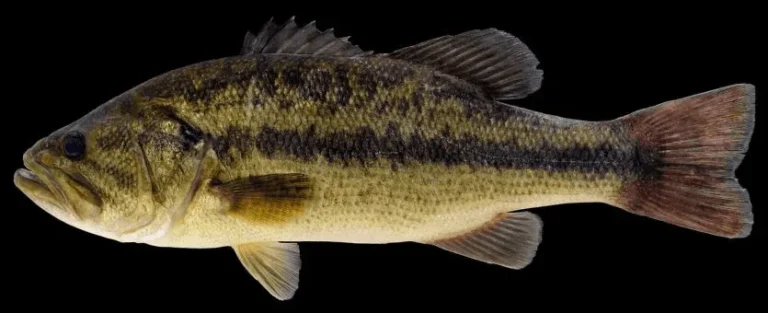
Image source: Wikimedia Commons / Derek Keats from Johannesburg, South Africa (CC BY)
Why "L" Animals Are a Marine Biology Minefield
Here's the thing about alphabet-based animal lists. They sound simple, until you realize that common names don't follow rules. Take the lingcod.
It's not a cod. At all. It's a greenling, a completely different family of fish.
Or consider the ladyfish, which isn't closely related to salmon, trout, or any other "fish" you'd guess. The common name just stuck.
This matters because misinformation spreads fast. One viral list says one thing, a regional guide says another, and suddenly you're not sure if a sea lion is a seal or a walrus. Spoiler: it's neither technically, but it's also not not a seal.
We'll untangle that mess shortly.
Another layer of confusion comes from geography. A "lobster" in Maine is a completely different animal from a "lobster" in the Caribbean. The American lobster has claws.
The spiny lobster doesn't. Both are "lobsters," but they're in different families and behave differently. When you're identifying animals, the common name is just the starting point.
The scientific name is the ground truth.
Let's apply some if-then logic here. If you're looking for marine mammals, your main "L" options are leopard seals and sea lions. If you're looking for fish, you've got lionfish, lingcod, ladyfish, lanternfish, and lumpfish.
If you're after reptiles, it's loggerhead and leatherback turtles. If you need invertebrates, you've got lobsters, limpets, and the lined seahorse. That's the basic roadmap.
The biggest trap? Assuming every "L" animal looks like its name suggests. The lumpfish is round and lumpy.
The lancetfish is long and toothy. The leafy seadragon looks like floating seaweed. They share a letter, not a body plan.
The Quick Answer: 15 Sea Animals That Start With "L"
If you need the short version, here it is. Fifteen solid species across five categories. Every one of these is verified and worth knowing.
| Category | Species |
|---|---|
| Marine Mammals | Leopard Seal, Sea Lion |
| Reptiles | Loggerhead Sea Turtle, Leatherback Sea Turtle |
| Fish | Lionfish, Lingcod, Ladyfish, Lanternfish, Lumpfish, Leopard Shark |
| Invertebrates | Lobster, Limpet, Lined Seahorse |
| Other Fish | Longnose Gar, Lancetfish |
That's your starting point. Each one gets proper coverage below, including size ranges, habitats, and the weird quirks that make them memorable.
The Big Names: Leopard Seals, Sea Lions, and Marine Mammals
Let's start with the apex predator of Antarctic waters. The leopard seal is the second-largest seal species in the world, right behind the elephant seal. Males reach about 10 feet long and tip the scales at 800 pounds.
Females are bigger, sometimes hitting 1,100 pounds. They get their name from the spotted coat, which looks suspiciously like a big cat's pattern, but that's where the resemblance ends.
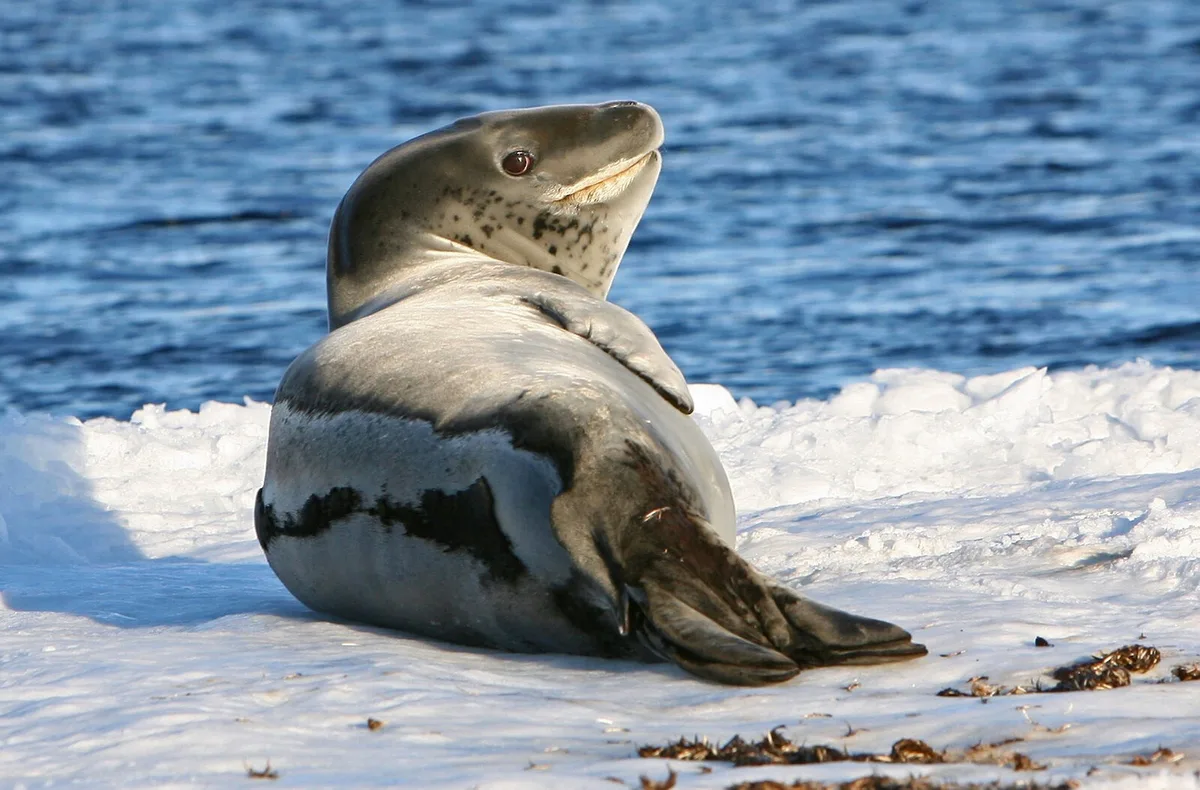
Image source: Web (Bing) / antarctica.gov.au (Web image (fair-use with source credit))
Leopard seals are solitary hunters. They patrol the sea ice edge, grabbing penguins, fish, squid, and even other seals. They're not aggressive toward humans by default.
There are documented attacks, but they're rare. The species is protected under the Marine Mammal Protection Act in U.S. waters, so approaching one is both dangerous and illegal.
Now, the sea lion. Here's where the naming gets tricky. Sea lions belong to the family Otariidae, which includes fur seals.
True seals are Phocidae. Walruses are Odobenidae. They're all pinnipeds, but they split off evolutionarily millions of years ago.
Sea lions have visible ear flaps and can rotate their hind flippers forward to walk on land. True seals can't do that. If you see an animal "walking" on its flippers at the beach, it's a sea lion or fur seal, not a true seal.
For marine mammals starting with L, that's your list. Leopard seal and sea lion. If you're hunting for others, you're out of luck.
No walrus, no manatee, no dolphin starts with L. The mammals that start with L are actually covered in more depth on our mammals guide, but for marine life specifically, these two are the entire category.
What about the sea lion's cousin, the fur seal? Technically, fur seals are in the same family as sea lions. But their common name starts with F, not L.
So they don't make this list. This is exactly the kind of semantic trap that trips people up. The animal is closely related to a sea lion, but its name starts with a different letter.
The Reptiles: Loggerhead and Leatherback Sea Turtles
Two sea turtles start with L, and they could not be more different. The loggerhead is the most common turtle in the Mediterranean and a regular visitor to U.S. Atlantic waters.
Its name comes from its massive head and powerful jaws, built specifically for crushing hard-shelled prey like conch and whelk. Adults weigh in at 200 to 350 pounds. Shell length runs about 3 feet on average.
The leatherback is a different beast entirely. It's the largest turtle on Earth, with verified specimens exceeding 2,000 pounds. The shell isn't hard like other turtles.
It's leathery, flexible, and designed for deep diving. Leatherbacks have been recorded at depths over 4,000 feet. They're also the only turtle species that can survive in cold water, thanks to a specialized counter-current heat exchange system in their flippers.
Both species face serious conservation pressure. Loggerheads are listed as threatened under the Endangered Species Act. Leatherbacks are listed as endangered.
The biggest threats are bycatch in fishing gear, plastic ingestion, and habitat loss on nesting beaches.
Here's a quick comparison for anyone trying to tell them apart in the wild. Loggerheads have a reddish-brown shell, a relatively large head, and strong front flippers. Leatherbacks have a dark grey or black shell with white spots, a distinctly ridged back, and enormous front flippers that can span up to 8 feet.
If you're a diver in the tropics and you see a massive turtle with a leathery back, that's your leatherback. If you're in temperate waters and spot a hard-shelled turtle with a thick neck, that's a loggerhead. Both are incredible sightings, but they require completely different conservation approaches.
The Fish Everyone Gets Wrong: Lingcod, Ladyfish, and Lumpfish
This is where the common-name chaos really kicks in. Let's clear up the lingcod first. Despite the name, the lingcod is not a cod.
It belongs to the greenling family, Hexagrammidae. It's native to the North Pacific, ranging from Alaska down to Baja California. Lingcod grow large, reaching up to 5 feet and 70 pounds.
They're ambush predators, known for their massive mouths and sharp teeth.
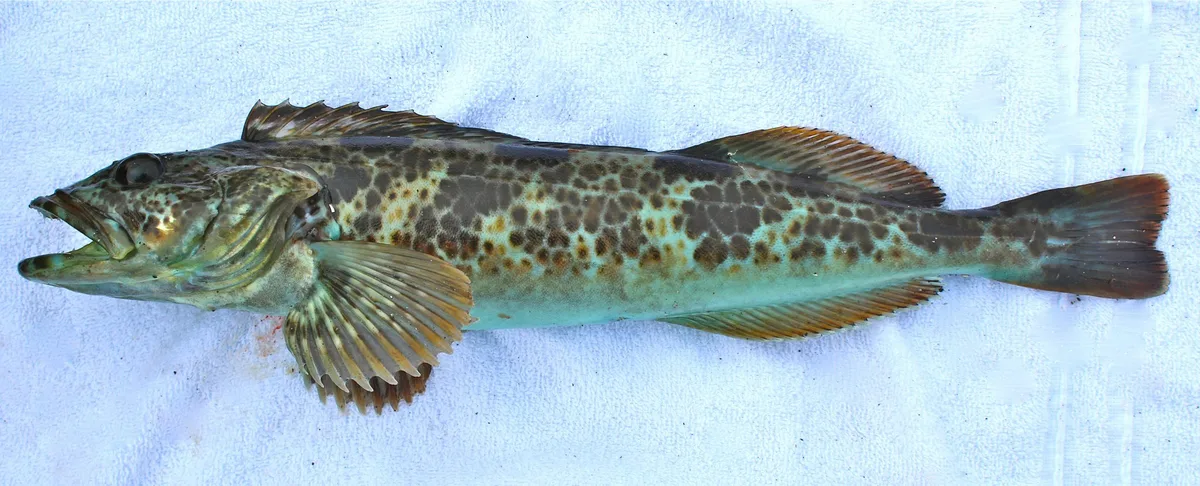
Image source: Web (Bing) / afishcompany.com (Web image (fair-use with source credit))
The real confusion comes from how people fish for them. Lingcod are a prized sport fish and a common menu item. But commercial "lingcod" sold in stores is sometimes actually a different species, depending on the region.
Always check the scientific name if you're buying seafood. True cods are in the genus Gadus. Lingcod is Ophiodon elongatus.
They're not even close on the family tree.
Now the ladyfish. Also known as the ten-pounder, this sleek silver fish is found in warm Atlantic waters, from Florida down to Brazil. It gets the nickname from its fighting ability.
Anglers love them because they leap and run like crazy. But they're not a food fish. The flesh is bony and not particularly tasty.
Ladyfish are purely a sport catch.
The lumpfish is the weirdest of the group. It's a cold-water species found in the North Atlantic and Arctic. The name comes from the lumpy ridge on its back, and the pelvic fins are modified into a suction disk.
That disk lets the lumpfish attach to rocks and surfaces in strong currents. Males guard the eggs after females lay them, which makes lumpfish one of the few fish species with dedicated paternal care.
Lumpfish have become commercially important for a surprising reason. Their roe, or eggs, are sold as a caviar substitute. The eggs are small, firm, and orange or black.
If you've ever bought inexpensive "caviar" at a grocery store, there's a decent chance it was lumpfish roe.
There's also a marine species called the longnose gar, which technically lives in saltwater estuaries and coastal bays. It starts with L, and it's an impressive predator. But it's primarily a freshwater species that tolerates salt.
We mention it for completeness, but lamprey is a more strictly marine option if you need another L-fish. Wait, lamprey starts with L too, and they're anadromous, spending part of their life in the ocean. We'll keep them as a bonus mention in the final list.
Venomous and Beautiful: The Lionfish Story
The lionfish is the most famous "L" fish, and for good reason. Those flowing fins hide 18 venomous spines. A sting delivers a potent toxin that causes intense pain, swelling, and sometimes nausea.
Fatalities are rare, but the experience is miserable and can land you in the hospital.
Here's the twist. Lionfish are native to the Indo-Pacific, where they live in balance with predators like grouper and sharks. In the 1980s, aquarium releases introduced them to the Atlantic.
By the 2000s, they had exploded across the Caribbean, Gulf of Mexico, and up the U.S. East Coast. The invasion is so severe that NOAA actively encourages spearfishing them.
Several states have no bag limits. Some even host lionfish derbies with cash prizes.
The problem is ecological. Lionfish eat native fish and invertebrates at an alarming rate. A single lionfish can consume up to 30 times its stomach volume in a day.
They breed year-round in warm waters, and a single female can release over 2 million eggs per year. Without natural predators, their populations grow unchecked.
If you're diving and spot one, the safest approach is to admire it from a distance. Contact with those spines requires immediate treatment. Hot water immersion helps denature the venom, but you should still seek medical attention.
For anyone handling lionfish, thick gloves and a specialized removal spear are essential.
Small but Mighty: Lanternfish, Limpets, and Seahorses
This trio proves that size doesn't equal significance. The lanternfish is arguably the most important fish you've never heard of. These small, deep-sea fish are found worldwide in the mesopelagic zone, roughly 650 to 3,300 feet down.
They get their name from photophores, tiny light-producing organs along their bellies. The bioluminescence helps them blend in with the dim light from above, hiding them from predators below.
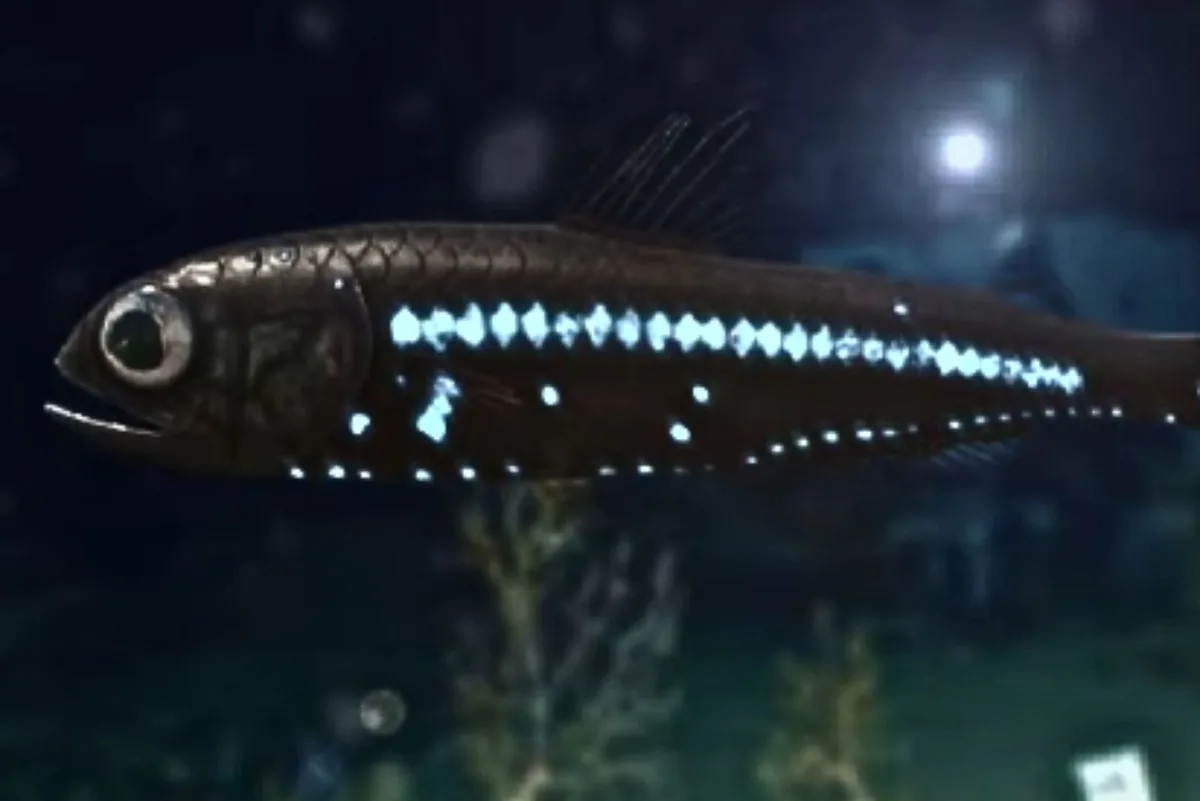
Image source: Web (Bing) / animalko.com (Web image (fair-use with source credit))
Lanternfish are the most abundant vertebrates on the planet. Estimates put their total biomass at over 550 million metric tons. That's more than the entire global fish catch combined.
They play a critical role in the ocean's carbon cycle, migrating to the surface at night to feed on plankton, then sinking back down during the day.
The limpet is the exact opposite of a deep-sea wanderer. These small snails cling to rocks in the intertidal zone. Their conical shells are engineered to withstand the crushing force of waves.
A limpet can grip a rock with a muscular foot that creates a seal stronger than the pulling force of a human adult. Some species actually return to the same "home scar" on a rock after grazing, which is a level of site fidelity you don't expect from a snail.
The lined seahorse rounds out the group. This is the seahorse species you'll most likely see in North American waters, ranging from Nova Scotia down to Venezuela. They're tiny, rarely exceeding 5 inches.
Like all seahorses, males carry the eggs in a brood pouch. They're also one of the few species where males give birth, which makes them endlessly fascinating to kids and adults alike.
If you're looking for a conservation story, seahorses are it. They're protected under CITES, which regulates international trade. Habitat loss and the aquarium trade have put pressure on wild populations.
That's why most seahorses you see in pet stores are captive-bred these days.
Shellfish and Invertebrates: Lobsters and Their Relatives
The lobster is the heavyweight champion of "L" invertebrates. But here's the thing. There are two very different animals sharing that name.
The American lobster is the one with big claws. It lives in cold North Atlantic waters and is the star of seafood restaurants from Boston to Maine. The spiny lobster, found in warm waters from the Caribbean to California, has no claws at all.
Instead, it relies on long, spiky antennae for defense.
Both are crustaceans, but they belong to different families. American lobsters are in the family Nephropidae. Spiny lobsters are in Palinuridae.
They split evolutionarily over 300 million years ago. Commercial fisheries manage them differently, with size limits, season dates, and trap regulations varying wildly by state and country.
The other prominent "L" invertebrate is the limpet, which we just covered. But we should also mention the lined seahorse in this context. Seahorses are technically fish, not invertebrates.
Their prehensile tails and bony plates make them look more like a curiosity than a fish, but they are classed as Osteichthyes.
If you're at a seafood counter and wondering what to buy, the name matters less than the species. American lobster is sweet and tender. Spiny lobster is firmer and a bit more fibrous.
Both are delicious, but they cook differently. A spiny lobster tail is best grilled or broiled, while whole American lobsters can be steamed or boiled.
The Confusing "L" Animals: Quick Comparison Guide
This table sums up the most common mix-ups. Use it before you head to the beach, the aquarium, or the seafood counter.
| Species | Actually Is | Locally Called | Key Confusion Point |
|---|---|---|---|
| Lingcod | Greenling fish | Cod (incorrect) | Not a true cod at all |
| Sea Lion | Otariid pinniped | Seal | Has ear flaps, can walk on flippers |
| Spiny Lobster | Palinurid crustacean | Rock lobster | No claws, unlike American lobster |
| Loggerhead Turtle | Cheloniid sea turtle | Hard-shell turtle | Distinct massive head and jaws |
| Leopard Shark | Triakid shark | Cat shark | Smaller than you think, very shy |
| Ladyfish | Elopid fish | Ten-pounder | Bony flesh, not for eating |
| Lumpfish | Cyclopterid fish | Lumpsucker | Has a suction disk on its belly |
If someone asks for a "sea bass" and you hand them a lingcod, that's a mistake. If they want "caviar" and you offer lumpfish roe, that's technically correct but a different product. Names matter, context matters more.
Mistakes to Avoid When Identifying "L" Sea Animals
The biggest error is trusting common names exclusively. Scientific names are the only reliable identifiers. The lingcod and the true cod share a name but not a family.
The sea lion and the seal share a habitat but not a body plan. Always cross-check the scientific name when accuracy matters.
Another common mistake is assuming regional names transfer. In the U.K., a "lobster" usually means European lobster, which has claws. In South Africa, a "lobster" is often a spiny lobster without claws.
Same word, different animal. This causes endless confusion in seafood trade and even in conservation reporting.
Watch out for lookalikes. The leopard shark has a spotted pattern that mimics the leopard seal's coat. They're not related, but the name creates an association that's hard to shake.
Similarly, the leafy seadragon, which starts with "l," is often mistaken for a seahorse. Both are in the same family, Syngnathidae, but they're distinct genera.
Finally, don't trust a single photo for identification. Lighting, angle, and post-processing can all distort color and shape. Use multiple references, note the location, and check the range maps.
A fish spotted in the Gulf of Mexico is almost certainly not the same species as one from the North Sea, even if they look alike.
Safety and Conservation: What You Need to Know
If you're handling any "L" species, know the risks first. Lionfish spines require immediate hot water immersion and medical evaluation. Leopard seals and sea lions are protected under the Marine Mammal Protection Act, so approaching them is both dangerous and illegal.
Conservation status matters too. Loggerhead turtles are listed as threatened, while leatherbacks are endangered. If you fish, check local regulations on bag limits and seasonal restrictions.
Several states encourage lionfish removal with no limits at all, so check your local wildlife agency's guidance.
Where to See "L" Animals in the Wild
Your best bets depend on what you're chasing. For leopard seals, plan a trip to Antarctica from November to March. For lionfish, head to the Florida Keys or the Caribbean, where dive shops actively hunt them.
Loggerhead turtles nest on Florida's Atlantic coast from May through August, and you can join guided night tours.
If you're on a budget, tide pools are free. Limpets and lined seahorses are visible along rocky coasts at low tide. For lanternfish, you won't see them without a submersible.
But you can appreciate their global abundance from research published by NOAA Fisheries.
Frequently Asked Questions
Are lionfish deadly to humans?
No, but their stings are extremely painful. Fatalities are very rare, mostly involving allergic reactions. Clean the wound, soak it in hot water, and seek medical attention.
Is a sea lion a seal?
No. Sea lions have visible ear flaps and rotating hind flippers. True seals lack ear flaps and wiggle on land.
Both are pinnipeds, but they're different families within that group.
What is the largest sea animal that starts with L?
The leatherback sea turtle. Verified specimens exceed 2,000 pounds, making it the largest turtle on Earth and the largest "L" animal in the ocean.
Can you eat lumpfish?
Yes. The roe is sold as caviar substitute, and the flesh is edible though not widely consumed. Try the eggs on blinis with crème fraîche.
Your Next Step: Build Your Own "L" Species Field Guide
Now that you know the main players, start your own observation log. Note the location, date, and distinctive features of each animal you spot. Cross-check your findings with scientific names, not common ones.
That habit alone separates a curious reader from a real naturalist.
Keep a copy of the comparison table in this article as a quick reference. It'll save you from the classic lingcod mix-up. And if you're planning a beach trip this year, check your local tide charts before you go.
Low tide reveals the best "L" species in the intertidal zone.