Arizona Birds: The Ultimate Spotting Guide
Spotting birds of Arizona feels like trying to read a book where every page has a new, wildly colorful character. You'll see a flash of red, a blur of black and white, and a giant cactus with a bird on top, and you'll have no idea where to even start looking. The usual tricks for bird identification don't always work here.
In our research, we found that Arizona regularly logs over 500 bird species, more than almost any other state. That diversity is amazing, but it also means visual confusion is guaranteed. To actually identify what you're seeing, you need a completely different approach to the visual cues in front of you.
Let's break down how to look, step by step.

Why Visual Identification Works Differently in Arizona
Arizona isn't one single habitat. It's a collection of sky islands, isolated mountain ranges rising from a sea of desert. Each island has its own climate, its own plants, and its own birds.
A bird living in the Chiricahua Mountains might be a Mexican species that never crosses the desert floor to reach the Santa Ritas. That's why elevation and location matter more here than anywhere else in the country.
And then there's the light. Desert light isn't gentle. At midday, the sun is so bright that colors wash out completely.
A Vermilion Flycatcher can look brownish in harsh glare. The heat shimmer coming off the ground distorts shapes, making a distant hawk look loose and wobbly.
You have to learn to see through that glare and focus on the features that don't change: size, shape, and behavior. Native animals like the Gila Monster and the Cactus Wren have adapted to these extremes in remarkable ways. As of 2026, birders are using digital tools to cut through the glare, but the fundamentals still start with your own eyes.
The Step-by-Step ID Method Birders Actually Use
Forget everything you've seen in glossy field guides. When a bird is actually in front of you, you only have seconds before it disappears. You need a system.
Step 1: Start with the habitat, not the bird
Are you standing in saguaro desert? Riparian cottonwoods? High pine forest?
Each habitat hosts its own set of species. If you're in a saguaro, you can already narrow it down to a handful of birds.
Step 2: Read the shape before the color
Silhouettes are your best friend. Is it plump like a quail? Sleek like a thrush?
Tiny like a hummingbird? Shape never changes with the light.
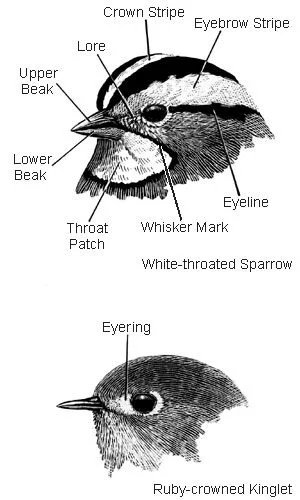
Step 3: Check the bill
The bill tells you what the bird eats and who it's related to. A curved bill means thrasher. A chisel bill means woodpecker.
A tiny, needle-thin bill means warbler or hummingbird.
Step 4: Look at the tail
Does it pump up and down? Does it flick side to side? Is it notched, rounded, or pointed?
Tail shape and tail language are huge identifiers.
Step 5: Only then look at plumage
Now you can start looking at colors and patterns. But instead of just "red", think "red cap, black face, grey back". Specifics matter.
Learning to read birds this way is a skill, but it's the same one every experienced birder uses. And it's especially critical in a state with as many visual tricks as Arizona.
Start with These 12 Must-Know Arizona Birds
Before you chase rarities, you need to know the backyard regulars. These 12 species are the backbone of Arizona birding. Master these, and you'll have a solid baseline for comparison when something unusual shows up.
| Species | Best Field Mark | Where You'll See It |
|---|---|---|
| Cactus Wren | Heavy streaking, bold white eyebrow | Saguaro deserts, low scrub |
| Gila Woodpecker | Zebra-striped back | Saguaro cacti, mesquite |
| Vermilion Flycatcher | Bright red crown and breast | Open fields near water |
| Phainopepla | Sleek black body, red eye | Desert washes, mistletoe |
| Elegant Trogon | Green head, red belly | Sycamore canyons |
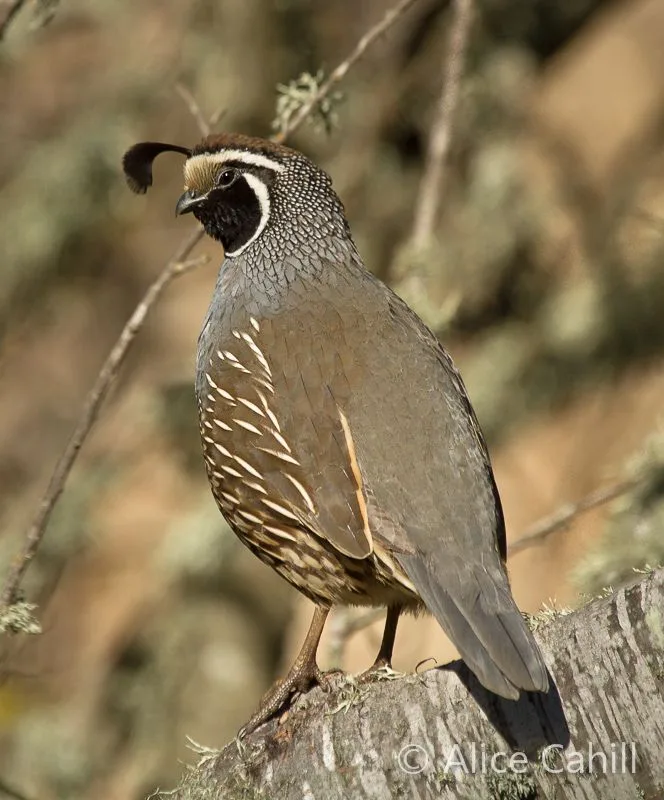
| Gambel's Quail | Curved black topknot | Desert scrub, running in groups |
| Curve-billed Thrasher | Long curved bill, orange eye | Cactus deserts, neighborhoods |
| Abert's Towhee | Dark face, rust-colored flanks | Riparian thickets |
| Anna's Hummingbird | Iridescent red gorget | Backyard feeders |
| Costa's Hummingbird | Purple gorget, long sideburns | Desert washes |
| Red-tailed Hawk | Brick-red tail (adults) | Soaring over open country |
| Turkey Vulture | Two-toned wings, teetering flight | Circling highways and cliffs |
These are the species you'll see on almost any trip. We've covered a lot of ground on this site when it comes to fascinating animals, and even we're constantly surprised by how diverse Arizona's bird list really is. If you like learning about desert wildlife, you'll feel right at home here.
Your First Look at Sonoran Desert Species
The Sonoran Desert is the heart of Arizona birding. It's also where most beginners get stuck. Why?
Because a lot of desert birds look similar at first glance. Let's clear up the two biggest trap pairs.
Cactus Wren vs. Curve-billed Thrasher
Both are large, brown, streaky birds that love cactus. But the wren has a bold white eyebrow and a flat, long tail that it cocks over its back. The thrasher has a long, dramatically curved bill and bright orange eyes.
If you see a bird hopping on the ground under a cactus, it's probably the thrasher. If it's perched on the cactus itself, scolding you, it's the wren.
Gila Woodpecker vs. Ladder-backed Woodpecker
Both are zebra-backed. But the Gila is larger, with a noisy, raucous call, and it's tied to saguaro cacti for nesting. The Ladder-backed is smaller, quieter, and prefers mesquite and scrub.
They even feel different when they move. The Gila is bold; the Ladder-backed is shy.
Gambel's Quail
You'll hear them before you see them. A group of plump, teardrop-shaped birds with a curving black comma on their heads, scurrying single-file across a dusty trail. The topknot is the giveaway, but the movement is what you'll notice first.
If you're heading out to look for these mountain birds, remember to go early. By 10 AM, they're already tucked into the shade.
Riparian and Sky Island Specialties Worth the Drive
If you really want to level up your Arizona list, you have to leave the desert floor and head for the mountains. These are the sky islands. They're isolated ranges where Mexican birds find a cool, wet haven.
The Elegant Trogon
This is the crown jewel. A strikingly beautiful bird with an emerald head, crimson belly, and a long, square tail. It nests in sycamore cavities.
Birders travel from all over the world to see it in Madera Canyon or the Chiricahuas. It sits still, which gives you great looks, but you need to know where to stand and when.
Blue-throated Hummingbird
Big for a hummer, with a brilliant blue throat and white stripes on the face. It comes to feeders near riparian canyons in the Huachucas and Chiricahuas. It's a mountain specialist.
The South-Facing Slope Trick
Here's a trick that experienced birders use. In the spring, south-facing slopes warm up earlier in the day. Insects hatch earlier.
That means migrating birds stop there first to feed. If you find a south-facing canyon with water, check it in the morning. You'll often find warblers, flycatchers, and tanagers all hanging around.
Getting to these hidden species takes planning. You'll need a good map, plenty of water, and a solid bird list. But standing in a cool sycamore grove while a Trogon calls overhead is worth every mile.
The Tricky Lookalikes That Fool Everyone
You've got the common species down. Now it's time for the real test. These are the birds that make experienced birders stop and pull out their phones to double check.
Ash-throated Flycatcher vs. Dusky-capped Flycatcher
The Ash-throated is pale grey on the chest and belly, with no yellow. The Dusky-capped has a pale yellow belly and a smaller bill. Size matters here.
The Ash-throat is slim and long-tailed. The Dusky-capped is puffier and shorter-tailed.

Northern Cardinal vs. Pyrrhuloxia
They're both crested, but that's where the connection ends. A Northern Cardinal has a massive orange seed-cracker bill. A Pyrrhuloxia has a small, parrot-like, orange bill and a grey body.
The female cardinal is more confusing, with that same heavy bill and a warm brown wash. Look for the grey face and red under-tail on the Pyrrhuloxia.
The Female Hummingbird Problem
This is the hardest call in the desert. Female Black-chinned, Costa's, and Ruby-throated hummingbirds all look like small, plain, greenish-grey birds with a few flecks of color. Size, shape, and a single throat feather are what separate them.
Don't feel bad about needing a second look. Even experts usually need a photo to confirm.
If you're birding in the mountains, focus on the sound of the wings. Each species has a slightly different hum, which takes years of practice to tell apart. We've got a guide to some of these feathered species for more help on your next trip.
Finding Rare Vagrants Is a Skill, Not Luck
Seeing a rare bird isn't just a happy accident. It's the result of knowing what to look for and where.
Why Storm Systems Push Birds North
Storms in the tropical Pacific push migrating birds off their normal flight paths. Those storms are often the reason a Mexican species ends up in Arizona in the first place. The birds aren't confused; they're blown off course.
Checking eBird Hotspots Before You Go
Before you head out, check eBird's rare bird alerts for the county. You'll see instant alerts when someone logs a rare species. It's a great way to know what's been seen recently and where to look for it.
What to Do When You Spot Something Unusual
Don't immediately grab your phone. Take a mental picture. Note the size, shape, bill, and behavior.
Then, keep your eyes on the bird while you carefully bring your binoculars up to your eyes. If it flies, watch where it goes. Even a brief glimpse can be enough to narrow it down.
It's all part of the fun of a real wild goose chase.
The Best 5 Birding Spots in Arizona for Visual Learning
You don't need to drive to South America to see incredible birds. Arizona has some of the best birding in the country, all packed into a few iconic spots.
1. Madera Canyon
This is the crown jewel. It's a steep, oak-lined canyon in the Santa Rita mountains. You'll see trogons, warblers, and hummingbirds.
Best part? The whole canyon is a national birding hotspot.
2. Patagonia Lake State Park
This is the best spot for water birds. You'll see herons, egrets, ducks, and the colorful Green Kingfisher. The lake itself is a magnet for migrating species.
3. San Pedro Riparian National Conservation Area
This is a genuine oasis. It's one of the last great cottonwood-willow forests in the southwest. It's famous for its dense flycatcher and warbler populations.
4. Chiricahua Mountains
This is the Grand Canyon of sky islands. You have to climb to reach the high-elevation forest. It's worth it, though.
It's where you'll find the rarest and most sought-after birds in the state, including the Mexican Spotted Owl.
5. Grand Canyon South Rim
It's a classic for a reason. The rim trail offers incredible views and accessible birding. You'll see hawks, ravens, and maybe a California Condor.

When to Go: Seasonal Timing and Migration Patterns
Arizona has real seasons, even if they don't look like your typical four. The bird life changes dramatically with the rain and the sun.
Spring Migration: April to May
This is the big show. Millions of birds are moving north, and the desert is at its greenest. Temps are still cool, so nesting is in full swing.
It's peak warbler and tanager time.
Monsoon Season: July to August
Don't let the heat scare you. The summer monsoons trigger a massive breeding burst. Cacti flower, insects hatch, and the birds go crazy.
It's the best time for first-time visitors to see baby birds.
Winter: Why It's Underrated
Most people winterize and leave. That's a mistake. Winter brings in ducks, geese, and sandhill cranes.
The mountains get snow, which makes the desert birds come down to lower elevations. It's also the driest season, so birds gather around water holes like crazy.
No matter when you go, remember to pack plenty of water and sunscreen. The desert sun is relentless at 9,000 feet.
Common Mistakes New Birders Make in the Desert
Everyone makes these when they start. Knowing them will save you a lot of confusion.
- Relying Only on Color: You'll miss half the details that way. Focus on the shape and size instead.
- Confusing Juveniles With Different Species: Young birds look nothing like the adults. A juvenile Cooper's Hawk looks like a completely different bird from its parent.
- Birding Midday When Everything Hides: The birds are smarter than you. They're in the shade. So should you be.
- Chasing Birds Into Protected Nesting Areas: It's stressful for the birds and often illegal. Pick a decent pair of binoculars, stay on the trail, and be patient. A shy bird will come to you if you're still.
The Right Gear for Arizona Birding
You don't need a lot of equipment to enjoy birding here. But the right basics make a serious difference in the desert.
8×42 vs. 10×42 Binoculars
Both work well. The 8×42 gives you a wider field of view, which helps when birds move fast in thick brush. The 10×42 brings distant canyon birds closer but can feel shaky without a rest.
In our research, most Arizona birders prefer 8x42s for general use. Wide views matter more than extra magnification when a warbler is bouncing through a mesquite.
Look for waterproof models with fog-proofing. Desert mornings can be cold, then heat up fast, and internal fogging ruins a view quickly.
Why a Spotting Scope Helps
If you're serious about water birds or canyon raptors, a spotting scope is worth the weight. You'll need the extra reach for ducks on Patagonia Lake or condors at the Grand Canyon. Keep it in the car, not on your back.
Just grab it when you reach a scenic overlook or a lake edge.
Photography Gear That Won't Break Your Back
A heavy telephoto lens is great at your car window and miserable on a canyon trail. For most people, a bridge camera with a built-in 600mm equivalent lens is the sweet spot. It's lightweight, easy to set up, and way more portable.
If you're using a DSLR or mirrorless body, pair it with a 100-400mm zoom. That range covers almost every desert birding situation without needing a wheeled cart.
Quick Answers to Common Arizona Bird Questions
What Is the Most Common Bird in Arizona?
The House Finch is the most common backyard bird across the state. You'll also see the White-crowned Sparrow in winter and the Mourning Dove year-round. If you're in the desert, the Curve-billed Thrasher is never far away.
None of these are rare, and that's exactly why they're perfect for learning field marks.
Are There Cardinals in Arizona?
Yes, both the Northern Cardinal and the Gray Cardinal, which is also called the Pyrrhuloxia. The Northern Cardinal likes riparian areas and neighborhoods with dense shrubs. The Pyrrhuloxia prefers drier desert scrub.
Their ranges overlap in some spots along the Santa Cruz River and in the Tucson area, which makes for a classic ID challenge.
What Is the Rarest Bird You Could See Here?
The California Condor at the Grand Canyon is a top contender. Once nearly extinct, this species now regularly soars around the South Rim. You could also see rarities like the Golden-cheeked Warbler or a stray Mexican species after a storm system.
If you visit in the right season and ask around, local birders will happily point you in the right direction.
Do I Need a Guide or Can I Go Alone?
You can absolutely go alone. Stick to the major birding hotspots where the trails are clear and the habitat is obvious. But your first day or two are well spent with a local guide or a group from the Southeastern Arizona Bird Observatory.
They'll point out vocalizations and subtle field marks you'd miss on your own. After that, you'll have the confidence to explore solo on your next trip.