Insects That Start with H: From Honeybees to Hercules
Ever found yourself blanking on insects that start with h? It happens to everyone. You can name "honeybee" and "housefly," then suddenly your brain goes quiet.
But the H-lineup goes way beyond those two, and it includes some of the most interesting, beautiful, and occasionally painful bugs on the planet.
A single honeybee colony can hold up to 60,000 workers at its summer peak. Those workers help pollinate roughly one in three bites of food you eat, per USDA estimates. That's not just trivia.
That's the scale of impact these insects have on your daily life, and it's worth knowing exactly who's who when you spot something buzzing near you.
Image source: Web (Bing) / fity.club (Web image (fair-use with source credit))
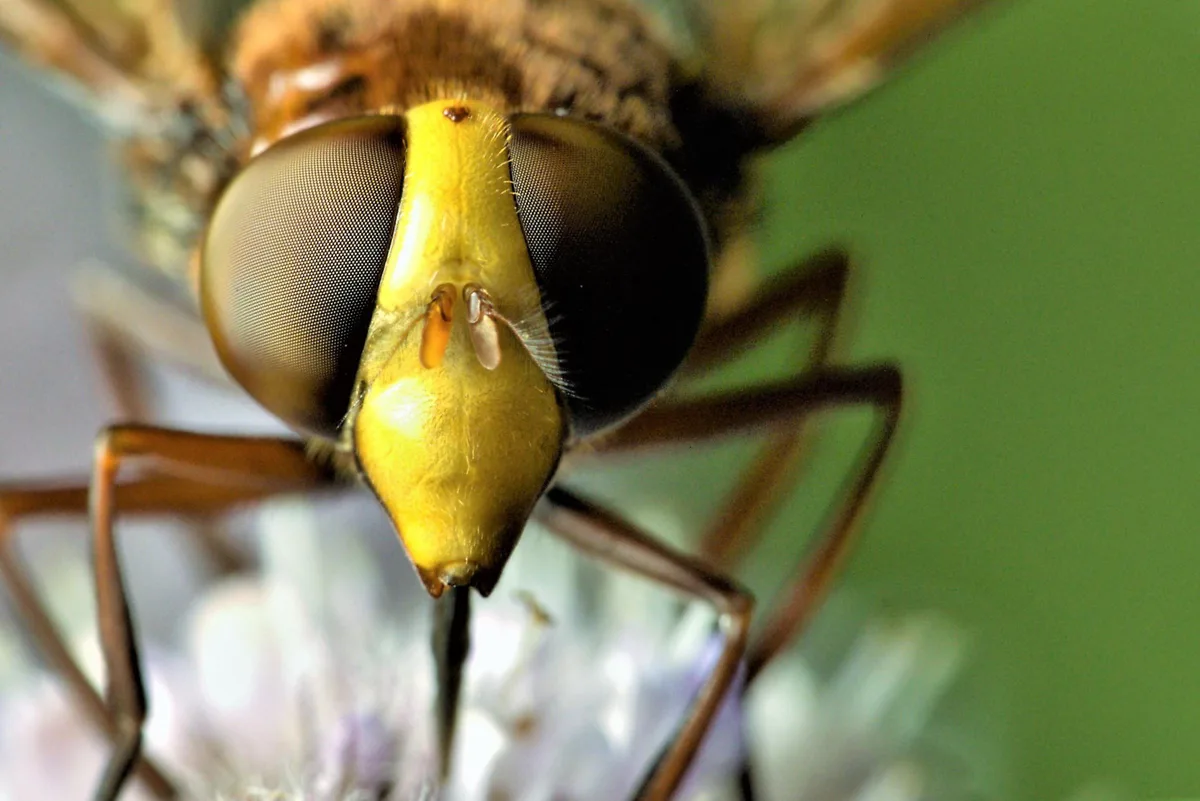
Image source: Web (Bing) / reddit.com (Web image (fair-use with source credit))
Quick Answer: The H-List at a Glance
The letter H is a heavyweight when it comes to insect names. Some you'll meet in your kitchen, others you'll want to avoid on hiking trails, and a few you'll be delighted to see in your garden. Here's the short version:
| Insect | Risk Level | Where You'll Find It |
|---|---|---|
| Housefly | Low (disease vector) | Indoors, near trash and food |
| Honeybee | Low (stings when threatened) | Flowers, gardens, hives |
| Hornet | High (aggressive stings) | Trees, eaves, sheds |
| Horsefly | Medium (painful bites) | Near water, livestock pastures |
| Hoverfly | Low (harmless mimic) | Open flowers, vegetable gardens |
| Hercules beetle | Low | Tropical forests, insect collections |
Of those, the honeybee is the clear MVP. It pollinates crops, produces honey, and serves as a health barometer for local ecosystems. The hornet, by contrast, is the one to give plenty of space.
Why Insect Names Matter More Than You Think
Naming things isn't just about winning trivia night. In the insect world, getting the name right can mean the difference between a harmless encounter and a trip to urgent care. The hoverfly and the hornet are a perfect example.
One looks like the other, but only one of them can sting you repeatedly. Knowing the difference changes how you react.
The same logic applies in your garden. If you spot a bug on your tomatoes and call it a pest, you might reach for pesticide. But if you actually name it correctly and discover it's a hoverfly larva, you'll let it stay.
Hoverfly larvae eat aphids by the dozen, including the very aphids chewing up your plants. In our research, the number one misidentification we found was gardeners spraying hoverflies because they looked like wasps.
There's also a fun side to this. Every time you correctly identify an insect, you sharpen your observation skills. You start noticing wing patterns, antennae shapes, and behaviors you'd never seen before.
It's a rabbit hole that gets more interesting the deeper you go. If you enjoy name-based wildlife roundups, you might appreciate other animal name guides we've put together, or the mammal-focused pieces if you're curious about the broader animal kingdom.
The Backyard Regulars: Honeybees, Hornets, and Houseflies
Honeybee
Honeybees are the most recognizable H-insect, full stop. They're fuzzy, amber-and-black, and almost always busy. Worker bees live about six weeks in summer, and each one produces roughly a twelfth of a teaspoon of honey in that entire lifetime.
It takes about 550 bees to make a single pound of honey, if you're counting.
From a distance, honeybees look similar to yellowjackets and hornets. Up close, the fuzzy body and flattened hind legs (used for carrying pollen) give them away. They're gentle unless you threaten the hive.
Most stings happen when someone steps on a bee or swats at one near the nest.
Hornet
Hornets are the bigger, more aggressive cousin of the yellowjacket. They build large paper nests in trees, under eaves, and inside wall voids. European hornets, the kind common across the eastern US, can reach about 1.5 inches long.
They're not typically aggressive away from the nest, but they will defend their territory with real enthusiasm.
A hornet sting is not like a honeybee sting. It's a smooth stinger, so they can sting multiple times, and it hurts significantly more. The venom contains acetylcholine, a compound that triggers intense pain signals.
If you find a nest near an entryway or high-traffic area, it's best to call a professional rather than attempt removal yourself.
Housefly
The housefly is the insect you probably notice most often without thinking about it. They breed in decaying organic matter, which makes them walking germ spreaders. They can carry over 100 different pathogens, including Salmonella and E. coli.
They don't bite, but they land on your food, which is worse.
The best defense against houseflies isn't a flyswatter. It's removing the breeding sources. Garbage cans with tight lids, pet waste cleaned up promptly, and clean kitchen surfaces go a long way.
If you're dealing with a persistent fly problem, look around for what's attracting them before you reach for spray.
The Biters and Bloodsuckers: Horseflies and Human Fleas
Horseflies are the stuff of outdoor nightmares, and for good reason. Females have scissor-like mouthparts that slice into skin to draw blood. Unlike mosquitoes, which use a needle, horseflies actually cut you.
That's why the bite hurts immediately and often keeps hurting. They're especially active near water, and they'll chase you for quite a distance if they decide you look like a meal.
Tabanus, the horsefly genus, includes species that range from half an inch to over an inch long. Their eyes are massive and often iridescent green or gold, which makes identification surprisingly easy if you get a good look. They're most active on hot, sunny days, particularly around lakes, ponds, and livestock areas.
Human fleas, scientifically known as Pulex irritans, are a different story. They're tiny, dark, and excellent jumpers, capable of leaping about 200 times their body length. They feed on blood, and their bites cause itchy, red welts.
Flea infestations in homes usually come from pets, but human fleas can persist in homes even without animals present, especially in carpeted areas.
Controlling fleas requires a multi-pronged approach. Wash all bedding on a hot cycle, vacuum thoroughly and frequently, and treat carpets with an approved insecticide where fleas are active. For pets, a veterinarian-recommended flea preventative is essential.
Treating only the pet while ignoring the carpet is the classic mistake that leads to a recurring infestation.
Hidden Helpers: Hoverflies, Hister Beetles, and Harvest Ants
Not every H-insect is trying to sting you or drink your blood. Some of them are quietly working in your favor, and the hoverfly is at the top of that list.
Hoverflies look like small wasps or bees, but they have no sting at all. The yellow-and-black stripes are pure costume. Their larvae, which resemble small green caterpillars, are voracious aphid predators.
A single hoverfly larva can eat hundreds of aphids during its development. Gardeners who attract hoverflies by planting alyssum, dill, or fennel essentially hire a tiny, free pest-control army.
Hister beetles are less glamorous but just as useful. These small, shiny, often black beetles are scavengers and predators. You'll find them in compost piles, under carrion, and around animal droppings.
They help break down organic matter and keep fly populations in check by eating fly eggs and larvae. If you compost, you almost certainly have hister beetles working in there. Respect them.
Harvest ants deserve a mention too. Unlike fire ants, which deliver a painful sting, harvester ants are known for their upside-down cone-shaped mounds. Their nests can extend 15 feet below the surface, and the soil they bring up aerates the ground and cycles nutrients.
They're most common in grasslands and arid regions across North America. Their sting is painful if you step right into the colony, but they're far less aggressive than fire ants and generally keep to themselves.
These three examples show something useful. The insects you want in your garden aren't always the prettiest or easiest to spot. A little research into what's actually beneficial pays off.
If you're curious about how naming and identification work for other creatures, we've covered the reptile equivalents and other animal series in similar detail.