Sea Animals That Start with R: Rays, Remoras, & More
If you're a scuba diver, a beachcomber, or just someone who loves ocean trivia, you've probably tried to name all the sea creatures you can think of that start with a certain letter. It's harder than it sounds. The letter R, in particular, holds some of the ocean's most fascinating residents, from the graceful ray gliding over sandy flats to the bizarre ribbon eel peeking out of a reef crevice.
In our research, we found that the category of sea animals that start with r covers an impressively wide range of species. Some, like the red snapper, are dinner-table staples. Others, like the ragfish, are so rarely seen that most marine biologists will go their entire careers without spotting one in the wild.
As of 2026, scientists have identified over 100 distinct species within these R-named groups, spanning everything from cartilaginous fish like rays and ratfish to bony fish, dolphins, and even deep-sea oddities. Let's break down which ones actually matter, how to tell them apart, and which ones you should steer clear of.
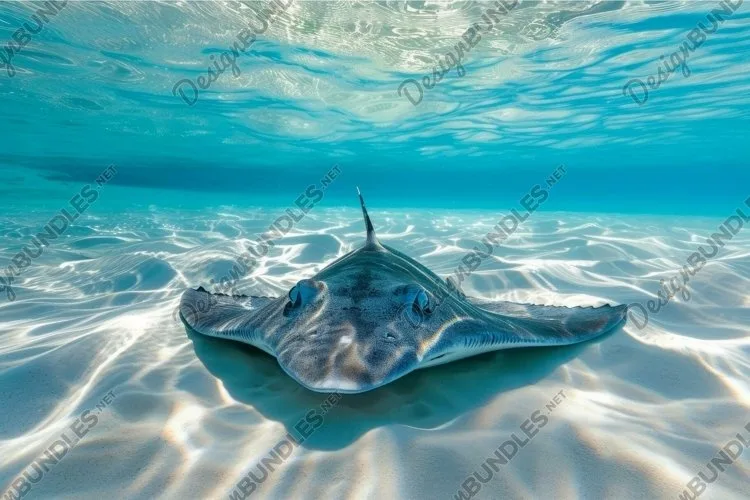
Image source: Bing (Web (fair-use with source credit))
Why the Letter R Deserves Its Own Spotlight
Here's the thing about ocean life: the letter R isn't just a random alphabet filter. It happens to cover some of the most ecologically important and commercially valuable species in the sea.
- Rays alone account for over 600 species worldwide, from the massive manta ray to the tiny dwarf stingray
- Rockfish represent more than 100 species in the Pacific Ocean alone, many of which live over a century
- Red snapper and red drum are two of the most heavily managed fisheries in US waters
- Risso's dolphins are the only large dolphin species commonly found in temperate offshore waters that start with R
So this isn't just a trivia exercise. Understanding these animals helps you identify what you're seeing while snorkeling, avoid dangerous encounters, and make smarter seafood choices.
You might recognize some of these names from other alphabet-based animal lists we've covered before. If you enjoyed exploring the fascinating species that start with L or the incredible variety in the M category, the R section of the ocean offers just as much diversity, just with saltier water.
Quick Answer: The 12 Sea Animals Starting With R You Should Know
Here's your cheat sheet. These are the R-named ocean animals you're most likely to encounter, hear about, or need to identify.
| Animal | Type | Where You'll Find It | Fun Fact |
|---|---|---|---|
| Ray | Cartilaginous fish | Global, mostly tropical waters | Over 600 species exist |
| Ribbon Eel | Moray eel | Indo-Pacific coral reefs | Changes color as it ages |
| Remora | Bony fish | Tropical oceans worldwide | Has a suction disc on its head |
| Rockfish | Bony fish | North Pacific | Can live over 100 years |
| Red Snapper | Bony fish | Gulf of Mexico, SE US coast | Highly regulated fishery |
| Red Drum | Bony fish | Atlantic and Gulf coasts | Also called redfish |
| Risso's Dolphin | Marine mammal | Temperate oceans | Covered in scratch marks |
| Ragfish | Bony fish | North Pacific deep waters | Flabby body, rarely seen |
| Ratfish | Cartilaginous fish | Deep cold waters | Actually a chimaera, not a shark |
| Roughtail Stingray | Cartilaginous fish | Western Atlantic | Can weigh over 600 pounds |
| Red Grouper | Bony fish | Western Atlantic reefs | Important commercial catch |
| Regal Angelfish | Bony fish | Indo-Pacific reefs | Striking blue and yellow stripes |
That list gives you a snapshot. Now let's get into the details that actually matter, starting with how to identify what you're looking at.
How to Identify an "R" Animal: A Simple Branching Guide
The ocean doesn't come with labels, which is why identification trips up so many people. The good news is that you can usually narrow down what you're looking at with a few simple questions. Think of this like a decision tree.
Start With Where You Are
Location narrows the possibilities faster than anything else.
- On a tropical coral reef: You're likely looking at a ribbon eel, a remora hitching a ride, or a spotted eagle ray
- On a sandy or muddy bottom in shallow water: Stingrays and skates are the most common R-animals you'll encounter
- In the open ocean or around large marine animals: That's remora territory, or possibly a Risso's dolphin surfacing
- In deep, cold water: Ratfish and ragfish live here, though you probably won't see them without a submersible
What Did It Just Do?
Behavior is a surprisingly reliable identification tool.
If it's sitting motionless on the seafloor and you're in the tropics, you're almost certainly looking at a ray. If it's actively swimming and you can't see a tail, it might be a skate, which uses its fins more like wings. If it's attached to a shark, turtle, or boat hull, it's a remora, no question.

Image source: Web (Bing) / storage.googleapis.com (Web image (fair-use with source credit))
Body Shape: Flat, Elongated, or Bulky
Here's the easiest branching path:
- Flat and wide with wing-like fins: Ray or skate
- Long and snake-like: Ribbon eel or moray eel
- Streamlined with a prominent dorsal fin: Risso's dolphin
- Bulky with spiny dorsal fins: Rockfish
- Tapered with a forked tail: Red drum or red snapper
The most common mix-up is between rays and skates. They look similar at first glance, but there's one reliable way to tell them apart. Rays give birth to live young and have a whiplike tail with a barb.
Skates lay eggs in leathery cases, which you've probably found washed up on the beach, and have shorter, fleshier tails without barbs.
The Flat-Bodied Group: Rays, Skates, and Ratfish
This group covers the animals most people picture when they hear "sea animals that start with r." They're all cartilaginous fish, meaning their skeletons are made of cartilage rather than bone, just like sharks.
Stingrays vs. Skates vs. Electric Rays: The Key Differences
People use these terms interchangeably, but they're different animals with different behaviors.
| Feature | Stingrays | Skates | Electric Rays |
|---|---|---|---|
| Tail | Long, whiplike | Short, fleshy | Short, thick |
| Defense | Venomous barb | Spines or thorns | Electric shock |
| Reproduction | Live birth | Egg cases | Live birth |
| Body shape | Diamond or round | Diamond | Rounded disc |
| Typical depth | Shallow to deep | Mostly deep | Shallow to deep |
Stingrays are the ones you need to watch out for. They bury themselves in sand and will sting if stepped on. The roughtail stingray, found along the US Atlantic coast, is one of the largest of the group, with some individuals weighing over 660 pounds.
Electric rays take a completely different approach to self-defense. They generate shocks of up to 220 volts, which is enough to stun prey and deter most predators. The ancient Greeks and Romans knew about this and used electric rays as primitive pain treatment, which sounds wild but was documented extensively.
Ratfish: The "Ghost Shark" You've Probably Never Heard Of
Ratfish are arguably the weirdest animals in this entire group. They're chimaeras, which means they diverged from sharks and rays around 400 million years ago. They have rabbit-like teeth for crushing shellfish, a long rat-like tail, and a venomous spine on their dorsal fin.
If you're a deep-sea fisherman, you've probably pulled one up. If you're a recreational angler, you'll likely never encounter one. They live at depths between 100 and 6,500 feet, which puts them out of range for most divers and shore anglers.
The Oddballs: Remoras, Ribbon Eels, and Ragfish
This is where the letter R gets weird. These three animals don't share much in common, which makes them perfect for anyone who loves the strange side of marine biology.
Remoras: Nature's Hitchhikers With a Suction Cup
Remoras have one of the most unusual adaptations in the ocean. Their dorsal fin has evolved into a suction disc on top of their heads. This lets them attach to sharks, rays, sea turtles, whales, and even boat hulls.
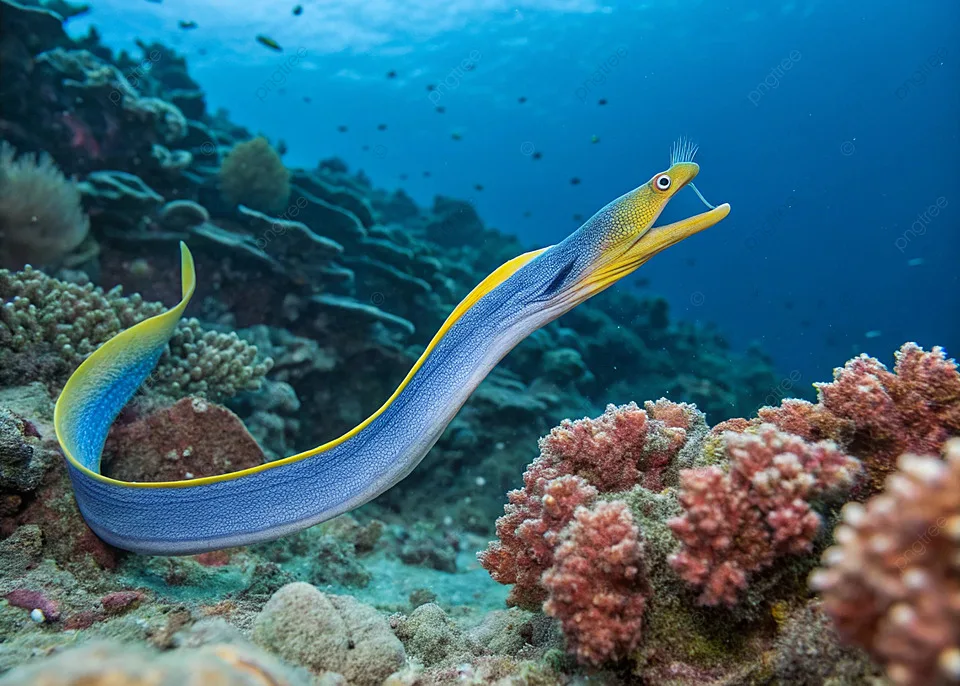
Image source: Web (Bing) / pngtree.com (Web image (fair-use with source credit))
Why do they do it? It's a free ride, first of all. But it's also a food source.
Remoras eat parasites off their host and scavenge scraps left behind during feeding. In return, the host gets cleaned. It's one of the ocean's cleanest mutualistic relationships, and the remora's suction disc is so strong that it can resist the pulling force of a shark swimming at full speed.
Ribbon Eels: Stunning but Terrible Pets
The ribbon eel is arguably the most beautiful eel in the world. Adults have a striking blue body, a yellow dorsal fin, and a long, ribbon-like form that undulates through the water. Juvenile ribbon eels are jet black with a yellow stripe, while adult females turn completely yellow.
Here's the problem: ribbon eels are notoriously difficult to keep in captivity. They often refuse to eat prepared foods, and many starve within months of entering a home aquarium. If you're considering one, our research suggests that you should have substantial experience with moray eels first.
Most marine biologists advise against keeping them unless you can provide live food and a very large, established system.
You can see ribbon eels in the wild throughout the Indo-Pacific, particularly at cleaning stations where they interact with other fish. They're also a stunning sight for divers in Indonesia, the Philippines, and the Great Barrier Reef.
Ragfish: The Flabby Deep-Water Mystery
If you've never heard of the ragfish, you're not alone. This deep-water species lives in the North Pacific and has one of the most unusual body compositions of any fish. Its skeleton is mostly cartilage, and its body is so flabby that it practically falls apart when brought to the surface.
Scientists know very little about ragfish behavior. They're occasionally caught as bycatch in commercial trawl fisheries, but they're rarely observed in their natural habitat. What we do know is that they can grow up to 6 feet long and live at depths between 200 and 4,000 feet.
Consider them the ocean's best-kept secret among R-named animals.
The Fish Anglers Care About: Rockfish, Red Snapper, and Red Drum
These three species move beyond casual beach observation. They're the ones on dinner plates, in coolers, and at the center of heated fishery debates. If you fish, buy seafood, or care about sustainable harvests, these R-named fish matter to you.
Rockfish live along the Pacific coast from California to Alaska. They're incredibly diverse, with over 100 species in the genus Sebastes. Some, like the rougheye rockfish, have been aged at over 200 years old, making them among the longest-lived vertebrates on Earth.
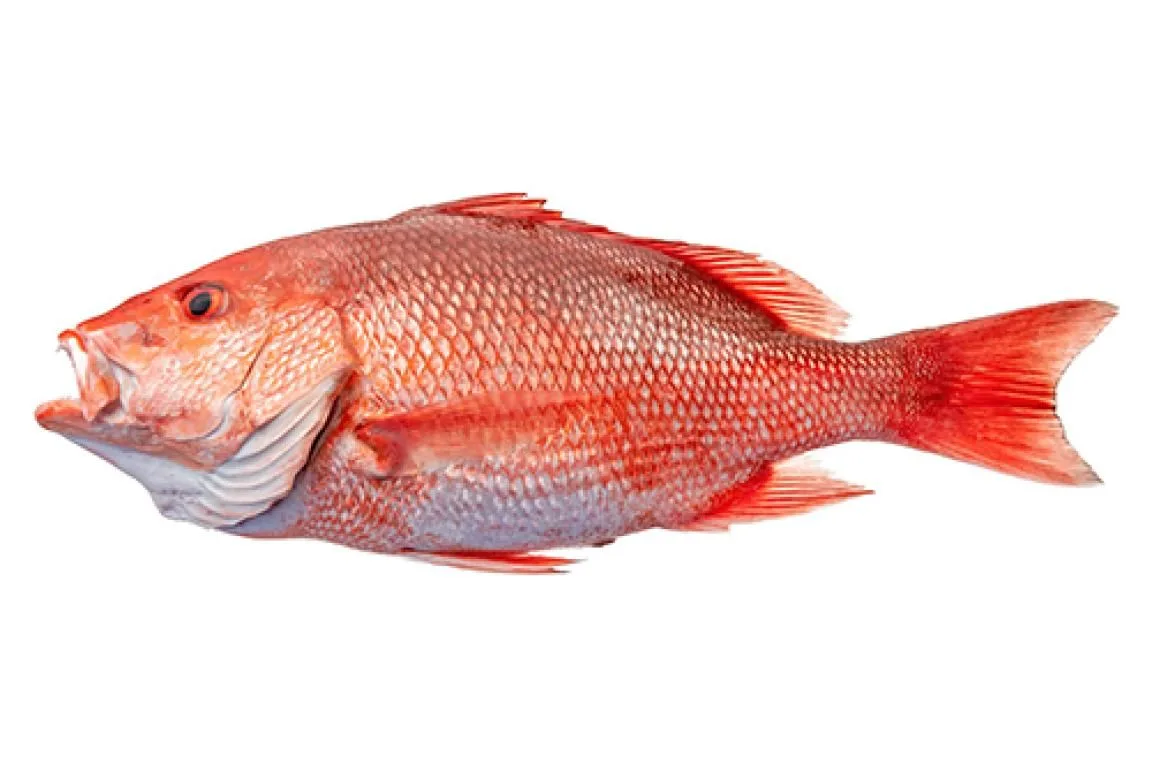
Image source: Web (Bing) / pinterest.com (Web image (fair-use with source credit))
Red snapper are the Gulf of Mexico's most famous reef fish. They're prized for their mild, slightly sweet flavor and firm white flesh. But they're also one of the most heavily regulated fisheries in US waters, with strict size limits, seasonal closures, and annual catch quotas set by NOAA Fisheries.
As of 2026, the recreational minimum size in federal waters remains 16 inches.
Red drum, also called redfish, are the surf fisherman's favorite. They're found from Massachusetts down to the Gulf of Mexico, and they get their name from the bronze-red coloration on their backs and the distinctive black spot near their tails. Juvenile red drum stay in estuaries, while adults move offshore to spawn in late summer and fall.
The Cetacean Entry: Risso's Dolphin
Most people don't expect a dolphin in an article about ocean animals starting with R. But Risso's dolphin (Grampus griseus) earns its spot.
These dolphins are unmistakable once you know what to look for. Adults are covered in linear scars and scratch marks, which come from the teeth of other dolphins during social interactions and from feeding on squid. The scars start dark and fade to white as they heal, giving older individuals a pale, almost ghostly appearance.
Risso's dolphins prefer deep offshore waters, which makes them less common for casual boaters to spot. If you're whale watching in California, Hawaii, or the Mediterranean, keep watch for their tall, falcate dorsal fins and blunt, bulbous heads. They have a distinctive crease down the front of their forehead, which is unique among dolphins.
Risso's dolphins also have one of the largest home ranges of any cetacean. They're found in tropical, subtropical, and temperate oceans worldwide. For divers, these animals are like the ocean version of a rare bird sighting; exhilarating precisely because it's unexpected.
If you're working through marine mammals alphabetically, you've probably already covered the land dwellers. Our dive into the mammals that start with R gives you the full picture of how these dolphins fit alongside the rest of the R-named mammal family.
Comparison Table: R-Named Sea Animals at a Glance
Use this quick reference when you're trying to figure out what you've seen or heard about.
| Animal | Size | Danger Level | Where to See It | Conservation Status |
|---|---|---|---|---|
| Ray (typical stingray) | 1–14 ft wingspan | Moderate (venomous barb) | Shallow tropical waters | Varies by species |
| Ribbon Eel | 3–4 ft long | Low (harmless to humans) | Indo-Pacific reefs | Least Concern |
| Remora | 1–3 ft long | None | On sharks, sea turtles, boats | Least Concern |
| Rockfish | 1–3 ft long | Low (spines) | Pacific rocky reefs | Several species overfished |
| Red Snapper | Up to 3 ft, 50 lbs | None | Gulf of Mexico | Recovering |
| Red Drum | Up to 4 ft, 90 lbs | None | Atlantic and Gulf coasts | Stable |
| Risso's Dolphin | 10–13 ft long | None | Deep temperate waters | Least Concern |
| Ratfish | 2–3 ft long | Low (venomous spine) | Deep cold waters | Least Concern |
Common Mistakes People Make With These Animals
Even experienced ocean lovers slip up. Here are the most common errors, and how to avoid them.
Stepping on hidden stingrays. Stingrays bury themselves in sand to ambush prey. If you wade in shallow water, shuffle your feet instead of lifting them. This gives rays a warning and a chance to swim away.
The "stingray shuffle" is not just a saying; it's the single most effective way to avoid a painful encounter.
Confusing skates for rays. Remember the tail rule. Skates have short, fleshy tails without barbs. Rays have long, whiplike tails with venomous barbs.
If you think you're looking at a skate, watch the tail. A quick look will tell you which animal you've found.
Buying a ribbon eel without knowing the odds. They're beautiful, but they're also notoriously difficult to keep alive in captivity. In our research, many aquarium hobbyists report that ribbon eels stop eating within weeks. Unless you have an established system and experience with morays, skip this one for the sake of the animal.
Eating mislabeled "snapper" and "rockfish." Seafood fraud is a real issue. Studies show that some restaurants and markets substitute cheaper fish for red snapper and rockfish. If you're buying these, look for whole fish with skin on, or purchase from a fishmonger you trust.
You can also check the NOAA Seafood Health Facts guide for identification tips.
Why These Animals Matter: Ecological and Economic Value
The R-named sea animals aren't just cool to look at. They play essential roles in ocean ecosystems, and losing any of them would send ripples through the entire marine environment.
Rays are what marine biologists call ecosystem engineers. They bury themselves in sand, dig for clams and crustaceans, and stir up nutrients that fuel the base of the food web. Their feeding activity also aerates the seafloor, which benefits everything from tiny invertebrates to seagrass beds.
Rockfish are indicator species. Because they're long-lived and stay in relatively small home ranges, their health reflects the overall condition of the rocky reef ecosystems they inhabit. When rockfish populations crash, it's a warning sign that something is off with the broader environment.
Rays also drive real tourism dollars. Manta ray night dives in Hawaii and snorkeling tours in the Maldives generate millions of dollars annually. In West Palm Beach, Florida, the manta ray season draws divers from around the world.
These species also support commercial and recreational fisheries worth billions. Red snapper alone is worth over $100 million annually in the Gulf of Mexico, and red drum generates significant economic activity along the Atlantic coast. NOAA Fisheries reports that these fisheries support thousands of jobs, from bait shops to charter boat captains.
Frequently Asked Questions
Are there any sea animals that start with R that are dangerous?
Yes, stingrays are the main concern, but electric rays come close. Stingrays have venomous barbs that can cause serious injury. Electric rays can deliver shocks up to 220 volts.
Neither is typically fatal, but both can ruin your day.
What is the difference between a ray and a skate?
Rays give live birth and have long, whiplike tails with a barb. Skates lay eggs in leathery cases and have shorter, fleshier tails without barbs. The "mermaid's purses" you find on the beach are skate egg cases.
Why are ribbon eels so hard to keep in aquariums?
Ribbon eels often refuse to eat frozen or prepared foods. They prefer live prey like small fish and shrimp. Most captive ribbon eels die from starvation within six months.
Which R-named sea animal lives the longest?
Rockfish are the winners here. Some species like the rougheye rockfish have been aged at over 200 years old.
Is red snapper the same as red drum?
No, they're completely different fish. Red snapper are a reef species found in the Gulf of Mexico. Red drum are an inshore and nearshore species found along the Atlantic and Gulf coasts.
They're both excellent eating, but they live in different habitats and have different life histories.
Where can I see a Risso's dolphin?
Your best bet is whale watching in California, Hawaii, or the Mediterranean. They prefer deep offshore waters, so you'll need to be far from shore. Look for tall, curved dorsal fins and a bumpy forehead.
The Numbers Worth Knowing: Size, Depth, and Lifespan
Rays span a massive size range. The dwarf stingray maxes out around 1 foot wide, while oceanic manta rays can reach 23 feet across. That's wider than most cars.
Depth preferences vary just as much. Ratfish live between 100 and 6,500 feet deep, while red drum spend most of their time in shallow estuaries and nearshore waters. Rockfish hold the longevity crown, with some individuals living over 200 years.
Electric rays deliver shocks up to 220 volts. Remoras can resist acceleration forces from sharks traveling at full speed. These numbers put the R-named ocean animals in perspective.
Safety, Regulations, and Conservation
The stingray shuffle is non-negotiable if you're wading in warm, shallow water. Shuffle your feet to warn buried rays, and they'll swim away before you step on them. This simple habit prevents most stingray injuries.
NOAA Fisheries sets strict quotas for red snapper and rockfish, with annual catch limits reviewed every year. Several ray species, including sawfish and giant mantas, are protected under the Endangered Species Act. CITES also regulates international trade in manta ray parts.
Trip Planner: Where to Actually See These Animals
For manta rays, head to Kona, Hawaii, or the Maldives, where night dives attract these gentle giants with bright lights. Ribbon eels are common on Great Barrier Reef dives, especially around cleaning stations.
Risso's dolphins are best spotted on whale-watching tours in California's Monterey Bay or the Mediterranean. Red drum fishing peaks in the fall along the Texas coast, while red snapper season opens in summer across the Gulf.
Safety and Conservation: What You Need to Know
The stingray shuffle is your best defense when wading in warm, shallow water. Shuffle your feet to warn buried rays, and they'll swim away before you step on them. This simple habit prevents most stingray injuries.
NOAA Fisheries sets strict quotas for red snapper and rockfish, with annual catch limits reviewed every year. Several ray species, including sawfish and giant mantas, are protected under the Endangered Species Act. CITES also regulates international trade in manta ray parts.
FAQs: Quick Answers to Common Questions
Which R-named sea animal is the most dangerous?
Stingrays cause the most human injuries, but they rarely attack. Their venomous barb is a defensive tool, not an offensive weapon.
What's the smallest sea animal that starts with R?
The dwarf stingray maxes out at around 1 foot wide. It's one of the smallest R-named ocean animals you'll find.
Can you eat ratfish?
Yes, ratfish are edible, though they're not widely consumed. Their flesh is firm and mild, but they're typically caught as bycatch rather than targeted commercially.
Are ribbon eels endangered?
Ribbon eels are listed as Least Concern by the IUCN. However, their popularity in the aquarium trade puts pressure on wild populations, especially since many die in captivity.
The Final Takeaway: Your R-Named Ocean Cheat Sheet
The letter R covers an incredible range, from flat rays and hitchhiking remoras to long-lived rockfish and the scar-covered Risso's dolphin. Each one plays a role in the underwater world.
Next time you're at the beach, shuffle your feet and keep an eye out. You might spot something starting with R that you never noticed before.