Mammals That Start with F: From Ferrets to Foxes
You probably drew a blank when someone asked you to name mammals that start with f. Ferret and fox pop up fast, then the well runs dry. But the list is actually longer and more interesting than you'd think, with over fifteen distinct species ranging from desert foxes to ocean-going whales.
The variety here is genuinely impressive. As of 2026, naturalists recognize more than a dozen well-known "F" mammals spread across every continent except Antarctica. Some, like the fennec fox, have ears nearly half the length of their body, while others, like the flying fox, boast wingspans over five feet.
Let's walk through the full roster, clear up the confusion between look-alikes, and give you the visual cues to tell them apart in the field.
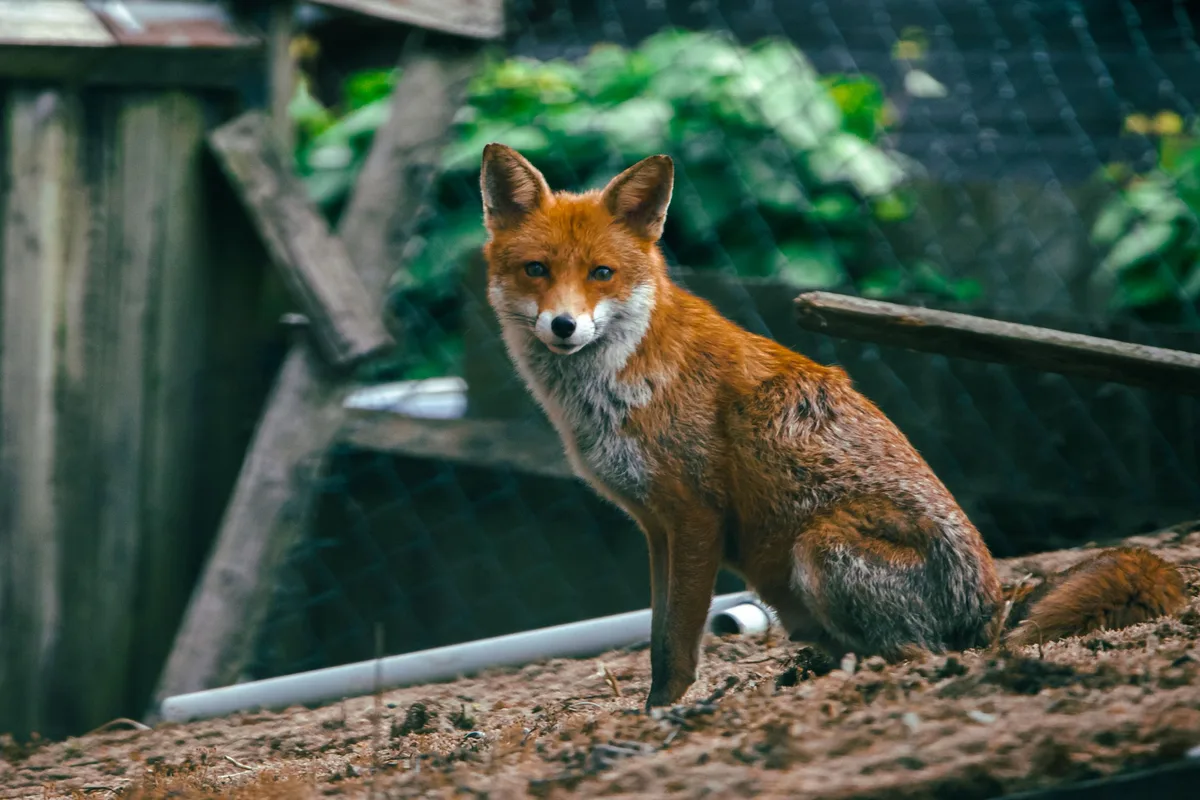
Image source: Web (Bing) / pexels.com (Web image (fair-use with source credit))
Quick Answer
There are at least fifteen notable mammals that start with f. The most recognizable include the red fox, ferret, and fallow deer. Less common species include the fossa, fishing cat, and four-toed hedgehog.
The flying fox is actually a bat, not a fox. The fisher cat is actually a weasel, not a cat.
How to Use This Guide — What Counts as an "F" Mammal
Before we dive into the list, it helps to set some ground rules. We're looking at mammals, which means warm-blooded animals with fur or hair that produce milk for their young. That rules out birds, reptiles, amphibians, and fish entirely.
We're also being strict about the "f" requirement. We're counting common names, not scientific names. So the Vulpes vulpes counts under its English name "red fox," not its Latin classification.
Similarly, the Canis latrans doesn't make the cut because we call it a coyote, not a "f" animal.
One more distinction matters here. Some entries on this list, like "feral cat" and "feral goat," aren't technically separate species. They're domesticated animals living in the wild.
We're including them because they fit the alphabetical requirement and show up in plenty of wildlife guides.
The list splits nicely into categories based on how familiar you probably are with them. We've got the backyard regulars, the taxonomic oddballs, the giants, and the geographically isolated specialists.
| Category | Examples | Familiarity Level |
|---|---|---|
| Backyard Regulars | Red Fox, Ferret, Fallow Deer | High |
| Taxonomic Oddballs | Fisher Cat, Flying Fox, Fossa | Medium |
| Giants of Land and Sea | False Killer Whale, Fur Seal | Medium |
| Regional Specialists | Fishing Cat, Formosan Rock Macaque | Low |
| Domesticated Feral | Feral Cat, Feral Goat | High |
You'll notice that several names on this list are misleading. The fisher cat isn't a cat, and the flying fox isn't a fox. These naming quirks cause endless confusion, so we'll spend time clearing them up as we go.
The Usual Suspects — Red Fox, Arctic Fox, Fallow Deer, and Ferret
These are the animals that most people think of first when asked about mammals that start with f. They're common, widely distributed, or heavily domesticated, which means you've likely encountered at least one of them in person.
Red Fox vs. Arctic Fox: Visual Cues
The red fox is the most widespread carnivore on Earth, found across North America, Europe, Asia, and even Australia where it was introduced. Its reddish-orange coat, white chest, and bushy tail with a white tip make it nearly unmistakable.
The Arctic fox lives much further north and looks noticeably different. During winter, its coat turns pure white to blend with snow. In summer, it molts to a brownish-gray that matches the tundra rocks and vegetation.
| Feature | Red Fox | Arctic Fox |
|---|---|---|
| Coat Color (Winter) | Reddish-orange | Pure white |
| Coat Color (Summer) | Reddish-orange | Brownish-gray |
| Ear Size | Large, pointed | Small, rounded |
| Body Size | 15-24 pounds | 6-12 pounds |
| Geographic Range | Global | Arctic Circle |
The ear shape is the fastest way to tell them apart. Arctic foxes have smaller, rounder ears that reduce heat loss in freezing temperatures. Red foxes have taller, more pointed ears that help them locate prey under snow.
Ferret Fast Facts
The ferret is the domesticated form of the European polecat, bred for thousands of years for hunting rabbits. They're long, slender, and surprisingly social. If you're considering one as a pet, there are a few things to know.
Ferrets sleep anywhere from 14 to 18 hours a day. This alarms new owners who think something is wrong, but it's completely normal. They're crepuscular, meaning they're most active at dawn and dusk, with bursts of energy between long naps.
They also have a distinctive musky odor that comes from scent glands. Regular bathing helps, but it won't eliminate the smell entirely. That's just part of having a ferret around.
Fallow Deer Coat Patterns
The fallow deer is one of the most recognizable deer species in Europe. It's the classic park deer, often seen grazing in large estates and wildlife reserves. Its summer coat is reddish-brown with white spots, while its winter coat turns gray-brown with the spots fading.
Not all fallow deer have spots though. Some have a melanistic mutation that makes their coat almost black. Others have a cream-colored coat with white spots.
These color variants are common enough that you'll see them regularly in parks and managed herds.
The Look-Alikes — Fisher Cat vs. Fossa vs. Ferret
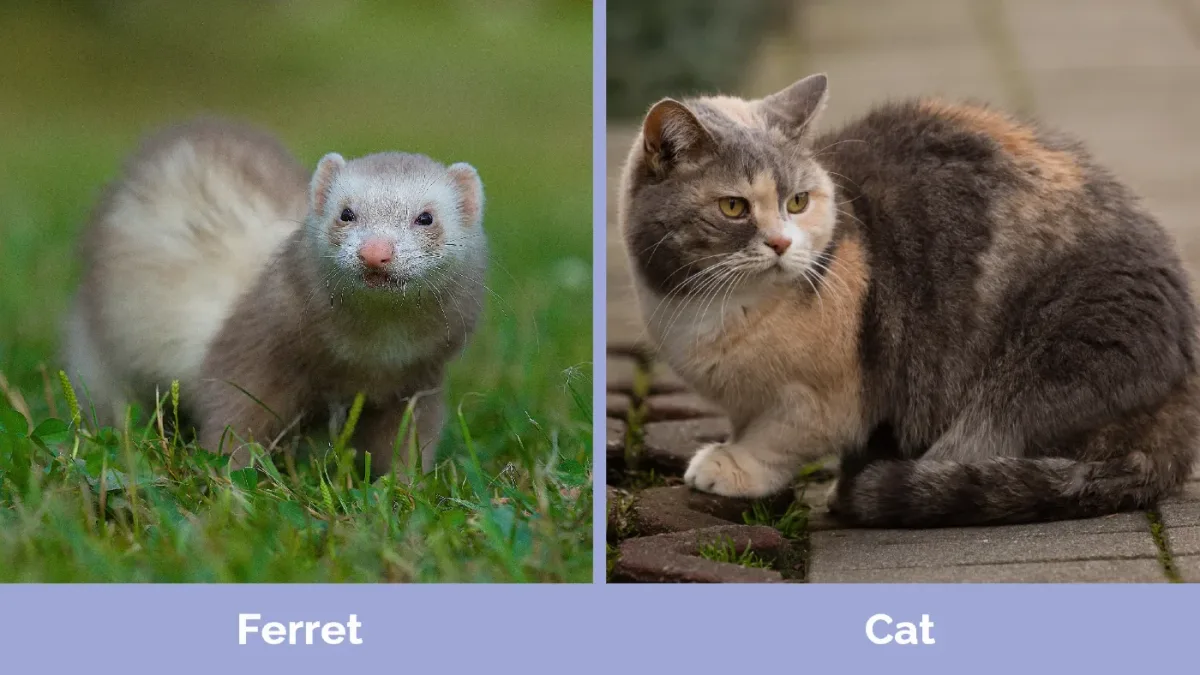
This is where things get genuinely tricky. The fisher cat, the fossa, and the ferret all share long bodies, short legs, and sharp teeth. But they belong to completely different branches of the mammal family tree.
The fisher cat is a large member of the weasel family, native to North American forests. Despite its name, it rarely eats fish. It's one of the few animals that regularly hunts porcupines, flipping them over to attack their unprotected bellies.
Adults weigh between 4 and 12 pounds, though males can reach 18 pounds.
The fossa lives only on the island of Madagascar. It's the largest carnivore there, weighing up to 26 pounds. Its body resembles a cat with a long, dog-like snout, and its semi-retractable claws help it climb trees while hunting lemurs.
Genetic analysis shows it's most closely related to mongooses.
The ferret, as we covered, is the smallest of the three. It typically weighs 1.5 to 4 pounds and has a distinctively long, low-slung body built for chasing rabbits into burrows.
| Feature | Fisher Cat | Fossa | Ferret |
|---|---|---|---|
| Weight | 4-18 pounds | 11-26 pounds | 1.5-4 pounds |
| Tail Length | 12-16 inches | Nearly body length | 5 inches |
| Native Range | North America | Madagascar | Europe (domesticated) |
| Family | Mustelidae | Eupleridae | Mustelidae |
| Prey | Porcupines, hares | Lemurs, small mammals | Rabbits (hunting history) |
The easiest way to tell them apart in photos is the tail. The fossa's tail is almost as long as its body, giving it excellent balance in trees. The fisher's tail is thick and bushy but shorter.
The ferret's tail is thin and short by comparison.
The Big and Bizarre — Flying Fox and False Killer Whale
These two giants show how diverse the "F" list really is. One is a bat so large it looks like a creature out of a myth. The other is a deep-ocean predator that travels in pods of up to 500 individuals.

Flying Fox: The Oversized Fruit Bat
The flying fox is not a fox at all. It's a megabat, the largest bat species on Earth. The most impressive species, the large flying fox found in Southeast Asia, has a wingspan that can reach five feet from tip to tip.
Its face resembles a fox's, with a pointed snout and large, bright eyes.
Unlike the small insect-eating bats you might see at dusk, flying foxes don't use echolocation. Instead, they rely on excellent eyesight and a strong sense of smell to locate fruit. They're frugivores, feeding primarily on mangoes, figs, and other tropical fruits.
These bats are highly social and roost in colonies that can number in the tens of thousands. A single colony can contain up to 100,000 individuals in some areas. This concentration makes them vulnerable to habitat loss and climate change, despite being classified as least concern for most species.
False Killer Whale: The Misnamed Dolphin
The false killer whale is actually a large dolphin, not a whale. It gets its name from its superficial resemblance to the orca, or killer whale, but it's smaller and darker. Adults reach lengths of 20 feet and weigh up to 1,500 kilograms.
These animals are highly intelligent and extremely social. They form pods of up to 500 individuals and are known for their cooperative hunting strategies. They've even been observed hunting alongside true killer whales, which is a rare occurrence in the marine world.
| Feature | Flying Fox | False Killer Whale |
|---|---|---|
| Wingspan / Length | Up to 5 feet | Up to 20 feet |
| Weight | Up to 2.6 pounds | Up to 1,500 kg |
| Diet | Fruit, nectar | Fish, squid |
| Social Structure | Colonies to 100,000 | Pods to 500 |
| Range | Southeast Asia, Australia | Global tropical waters |
One notable behavior of false killer whales is their tendency to mass strand on beaches. These events occur sporadically and are poorly understood, though researchers suspect their strong social bonds play a role. When one individual strands, others often follow.
Both the flying fox and the false killer whale highlight a core theme of this guide: common names mislead. The flying fox isn't a fox, and the false killer whale isn't a whale. When it comes to identifying mammals that start with f, looking past the name matters as much as knowing it.